
Choosing the right SingPost SmartPac size is the key to seamless local shipping in Singapore. To make the correct choice, you must evaluate three core factors: the physical dimensions of your item (including its thickness), its total packaged weight, and its fragility. Because SmartPac is a prepaid, trackable service, selecting an undersized option leads to burst seams and rejected mail, while overpaying for an oversized box eats into your margins. By matching your specific item—whether it is a delicate electronic gadget, a folded t-shirt, or a stack of legal documents—to the corresponding SmartPac format, you ensure safe transit and predictable delivery costs.
Understand SmartPac Limits and Suitability Before You Buy
SingPost SmartPac is a popular prepaid, postage-paid shipping solution designed primarily for local deliveries within Singapore. It offers a convenient way to send items because the postage is built into the purchase price of the packaging itself, and it includes tracking to the recipient’s letterbox or doorstep. This makes it an incredibly popular choice for e-commerce sellers, home businesses, individuals sending gifts, and anyone handling lightweight returns. However, because it operates within structured postal streams, it is not a one-size-fits-all solution for every item.
Before purchasing your packaging, it is crucial to verify the current maximum weight and dimensional limits directly on the official SingPost website or at a local post office. While SmartPac options historically range from flat envelopes designed for items under 1 kilogram to thicker, box-like structures that accommodate up to 3 kilograms, these specifications, weight tiers, and pricing structures can be updated by the postal service. Relying on outdated specifications can lead to delivery delays or returned packages.
Products mentioned in this guide
![*FREE SHIPPING* [CHOOSE OPTION] Singapore Post Smartpac Small Smartpac Medium Mini Lite 600g 1kg Singpost Smart pac Sing Post PolyM Poly M](https://img.lazcdn.com/g/p/ca35df7d5aaeef118422794879cc317a.jpg_400x400q80.jpg_.webp)
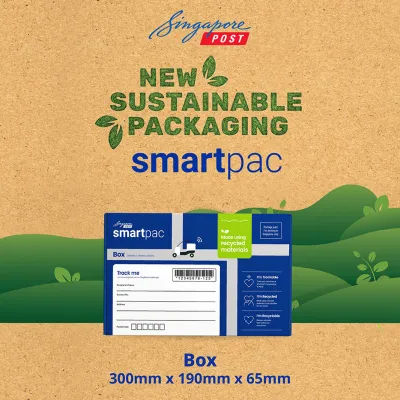
![[SINGPOST] MEDIUM smartpac - A postage-paid packaging for local delivery. Trackable via the SingPost mobile app.](https://img.lazcdn.com/g/p/3360d819ebee92c4900de5d10f98c2e8.png_400x400q80.png_.webp)
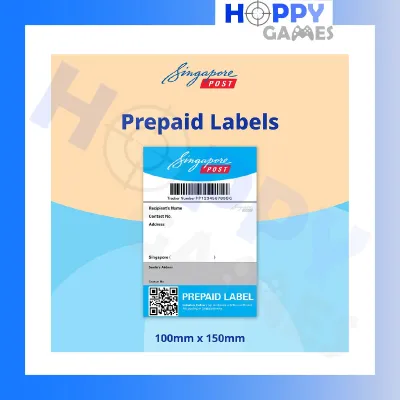
Prices are valid at publication and may change. Please refer to the product page for the latest price.
Suitability is highly dependent on the physical nature of your shipment. SmartPac is ideal for non-fragile, low-profile, or flexible items that can safely withstand the mechanical sorting processes of the postal network. Conversely, it is entirely unsuitable for heavy hardware, oversized goods, liquids, or items classified as prohibited under local postal regulations. When deciding whether to use this service, always weigh the total cost of the prepaid package against the actual market value of the item. For highly valuable or delicate goods, a dedicated courier service with higher insurance coverage may be a more appropriate choice.
Measure and Weigh Your Items to Avoid Rejection
To ensure your shipment is accepted and processed without issues, you must accurately measure and weigh your items before purchasing your packaging. Do not rely on visual estimation or the manufacturer’s listed weight for the bare product. The postal system measures the entire package as a single unit, meaning your measurements must reflect the item in its final, ready-to-ship state.

Start by gathering the necessary tools: a reliable digital scale (a kitchen scale works perfectly for lightweight items) and a standard measuring tape or a straight ruler. Place your item inside its immediate protective packaging—such as a layer of bubble wrap, an inner poly mailer, or a cardboard sleeve—before taking any measurements. This is a critical step because protective wrapping can easily double the thickness and add several centimeters to the length and width of the item.
When measuring, record the maximum length, width, and height (thickness) of the wrapped item. If you are using a flat envelope-style SmartPac, you must account for a physical phenomenon known as “thickness displacement.” When a flat envelope is filled with a three-dimensional object, the sides of the envelope pull inward to accommodate the height. As a rule of thumb, for every centimeter of item thickness, you lose roughly one centimeter of usable length and width from the envelope’s flat dimensions. If your wrapped item is close to the maximum flat dimensions of a specific SmartPac size and has significant thickness, you will need to step up to the next larger size or choose a box-shaped variant.
Next, place the fully wrapped item on your digital scale to determine its weight. Remember that the total weight limit of a SmartPac includes not only your item and its internal padding but also the weight of the SmartPac bag or box itself. Always leave a safety margin of at least 50 to 100 grams below the maximum weight threshold to account for minor variances between your home scale and the official postal scales. If your fully packaged item exceeds the maximum weight or dimensional limits of the largest available SmartPac, you must bypass this service entirely and opt for a standard parcel service or a rigid shipping box.
Match Your Item Type to the Right Packing Strategy
Different categories of items require distinct packing strategies to ensure they survive the shipping process and fit perfectly within your chosen packaging. Selecting the right size is not just about choosing the cheapest option; it is about understanding how the physical properties of your item—whether it is flexible, fragile, or completely flat—interact with the flexible or semi-rigid walls of the SmartPac.
Shipping Clothes and Soft Goods
Apparel, textiles, and soft goods are highly flexible, making them the easiest items to pack, but they can easily become bulky if not handled correctly. To minimize volume and ensure you can use a more compact and cost-effective SmartPac size, employ efficient folding and rolling techniques. Rolling garments tightly (often called the “ranger roll” method) expels trapped air and creates a compact, cylindrical shape that is much easier to slide into a shipping bag than a loose, square fold.
For maximum space optimization and protection, place your rolled or folded clothes inside a vacuum compression bag or a tight inner poly mailer before inserting them into the SmartPac. This extra layer serves two vital purposes: it compresses the fabric to its absolute minimum volume, and it provides a reliable barrier against moisture, humidity, and dirt in case the outer SmartPac is compromised during transit.
When choosing your SmartPac size, aim for a snug fit around the compressed clothing bundle. A snug fit prevents the item from shifting back and forth inside the bag during handling, which reduces the risk of internal friction tearing the outer packaging. However, ensure the bag is not stretched so tight that the seams are under constant tension, as this can lead to splitting at the edges when the package is stacked under heavier mail.
Shipping Gadgets and Fragile Items
Electronics, small gadgets, cosmetics, and other semi-fragile items require a completely different approach. Because most SmartPac options are flexible or semi-rigid mailers, they offer virtually no inherent crush resistance against the heavy loads experienced during automated sorting and transport. Sending a bare gadget in a flexible mailer is a recipe for damage.
To ship these items safely, you must build rigid internal protection around the product. Wrap the item in multiple layers of high-density bubble wrap, securing the ends with tape. For sensitive electronics, consider placing the wrapped item inside a small, rigid cardboard box before inserting it into the SmartPac. This “box-in-a-bag” method provides the structural integrity of a traditional parcel while allowing you to benefit from the prepaid tracking convenience of the SmartPac system.
When calculating which size to buy, you must add the thickness of this protective padding to your item’s original dimensions. A small gadget that easily fits in a flat envelope on its own will quickly require a larger, box-shaped SmartPac once it is wrapped in two inches of bubble wrap. Finally, heed this critical warning: never use standard SmartPac envelopes for highly fragile items like glassware, ceramics, or large screens unless they are heavily reinforced with rigid internal packaging. If the item cannot withstand a minor drop or compression, it belongs in a standard, dedicated parcel box rather than a flexible mailer.
Shipping Documents and Flat Items
Books, certificates, legal documents, and art prints are flat and lightweight, but they are highly susceptible to bending, creasing, and corner damage. To preserve their pristine condition, you must reinforce them internally rather than relying solely on the paper or plastic walls of the shipping bag.
Always place flat items between two sheets of thick, rigid corrugated cardboard or inside a dedicated rigid mailer before putting them into the SmartPac. This simple step prevents the package from being bent or folded by automated sorting machines or when placed inside a letterbox. If you are shipping certificates or original artwork, look for cardboard inserts that resist bending under moderate pressure.
Select the smallest SmartPac size that comfortably accommodates your reinforced document without requiring you to fold or force the corners. It is essential that the area containing the tracking barcode and the recipient’s address remains perfectly flat and uncreased; if the document is too large and forces the bag to curve, the barcode may become unscannable, leading to manual sorting delays. Additionally, always slide your documents into a clear, waterproof plastic sleeve or ziplock bag before inserting them into the mailing envelope to protect the paper from tropical downpours or moisture during delivery.
Step-by-Step Guide to Sealing and Mailing Your Parcel
Once you have selected the correct SmartPac size and packed your item, follow these precise steps to seal, verify, and mail your package securely.
Step 1: Insert and Position Carefully slide your packaged item into the SmartPac, ensuring it sits flat and is centered within the bag or box. Avoid pushing the item too close to the edges or the sealing flap. The item must not create a severe bulge, particularly near the tracking barcode or the address window. An uneven, highly distorted surface can prevent postal scanners from reading the barcode, which can delay tracking updates or cause the parcel to be sorted manually.
Step 2: Seal Securely Locate the self-adhesive strip on the closing flap. Before peeling off the backing, ensure the adhesive area is entirely free of dust, lint, or bubble wrap fibers, as debris will severely weaken the bond. Peel the protective backing strip off, fold the flap down evenly along its designated fold line, and press down firmly. Run your fingers across the entire width of the seal several times to ensure the pressure-sensitive adhesive bonds completely with the body of the package. Never allow the folded flap to cover any portion of the barcode or the address fields.
Step 3: Verify Labels Double-check that you have clearly written the recipient’s address, postal code, and contact number in the designated spaces using a waterproof, permanent black ink pen. Avoid using water-based gel pens that can smudge if exposed to rain. Inspect the tracking barcode to ensure it is completely flat, uncreased, and free of any obstruction. Never place reflective clear tape over the barcode, as the glare from the tape can blind the optical scanners used in sorting facilities.
Step 4: Drop-off and Tracking With your package sealed and verified, you can now drop it off. SmartPacs can typically be posted into designated posting boxes (such as SingPost bulk mail boxes or standard post boxes, depending on the thickness of the package) or handed over directly at any SingPost post office counter. For thicker box-style SmartPacs that do not fit through standard posting box slots, visiting a post office counter or utilizing an authorized self-service posting kiosk is recommended. Before dropping off the package, always peel off and retain the sender’s copy of the tracking slip or take a clear photo of the tracking number on your phone so you can monitor its delivery progress online.
Common Packing and Mailing Mistakes to Avoid
Avoiding simple mistakes during the packing and sealing process can prevent your packages from being delayed, rejected, or damaged. Keep these common pitfalls in mind before you send your next shipment.
Overstuffing Forcing a bulky item into a SmartPac that is too small is one of the most common mistakes. Overstuffing puts immense pressure on the heat-sealed seams of the bag, making them highly vulnerable to bursting open during transport. It also distorts the shape of the package, causing the barcode to wrinkle and preventing sorting machines from reading it. If you have to struggle to pull the sealing flap down, your item is too large for that specific SmartPac size.
Ignoring Weight Limits Every SmartPac tier has a strict maximum weight limit. Exceeding this limit is a direct violation of the service terms. If a package is flagged as overweight during sorting, it may be rejected at the point of drop-off, returned directly to the sender’s address, or held at the post office with additional postage fees and administrative surcharges levied on the recipient before delivery can be completed.
Poor Sealing Rushing the sealing process or attempting to reuse a damaged self-adhesive strip can lead to the package opening during transit. If the adhesive is exposed to dust, fabric fibers, or moisture during packing, it will lose its tackiness. Always ensure your hands and the packing environment are clean and dry, and consider reinforcing the seal with a strip of heavy-duty packing tape if you suspect the adhesive bond is compromised.
Obscuring the Barcode The tracking barcode is the most important element on the SmartPac. Accidentally writing notes over the barcode, placing shipping labels directly on top of it, folding the package across the barcode line, or covering it with highly reflective packaging tape will render the item unscannable. This forces postal workers to process the package manually, which significantly slows down delivery times and disables real-time tracking updates for both you and the recipient.
Frequently Asked Questions (FAQ)
What happens if my SmartPac exceeds the weight or size limit?
If your SmartPac exceeds the official weight or dimensional limits, it may be rejected by the postal staff during drop-off. If it is dropped into a posting box and later flagged by automated sorting machines, SingPost may return the package to your sender address (if provided) or require the recipient to pay the outstanding postage difference plus an administrative fee before delivery. To avoid these complications, always verify your package’s weight and dimensions on a digital scale before mailing. If it exceeds the limits, transfer the contents to a standard parcel box and use an appropriate parcel delivery service.
Can I reuse a SingPost SmartPac for another shipment?
No, you cannot reuse a SingPost SmartPac for a new shipment. While the physical material of the bag or box might remain sturdy after its initial journey, the prepaid postage and the unique tracking barcode printed on the packaging are strictly valid for a single, one-way delivery. The barcode is scanned and marked as delivered in the postal system. Attempting to reuse the package with the old barcode will result in sorting errors, and the package will be rejected, returned, or treated as unpaid mail. If you wish to reuse the physical container, you would have to completely cover the old barcode, address, and prepaid markings, and apply fresh, valid postage stamps or shipping labels of equivalent value.
Community discussion
Share your experience or ask a question. Comments are reviewed before publication.