
Adjusting the length of your trousers does not always require a trip to a professional tailor or hours spent behind a sewing machine. When you need a quick, seamless solution, using a high-quality shorten pants tape offers a reliable alternative that can withstand daily wear and laundry cycles. However, achieving a clean, flat hem that looks professional depends entirely on matching the adhesive properties of the tape to the specific weight, weave, and heat tolerance of your garment’s fabric.
Different fabrics react uniquely to heat, pressure, and moisture. A tape that secures heavy denim will easily ruin a delicate polyester blend, while a tape designed for lightweight cotton will quickly peel off thick chinos. By understanding the mechanical and chemical differences between various hemming tapes, you can select the perfect match for your wardrobe and execute a flawless, durable hem at home.
Understanding Hemming Tape Types and Adhesive Mechanisms
Hemming tapes generally fall into three distinct categories, each designed for specific application methods and fabric types. The most common option is fusible web, which is an iron-on adhesive made of thermoplastic polymers such as polyamide or copolyester. When heated, this web melts and flows into the surrounding fabric fibers, cooling to form a strong, permanent mechanical bond. Fusible webs are available in various weights, from ultra-lightweight gossamer webs to heavy-duty, reinforced adhesive strips.
Products mentioned in this guide
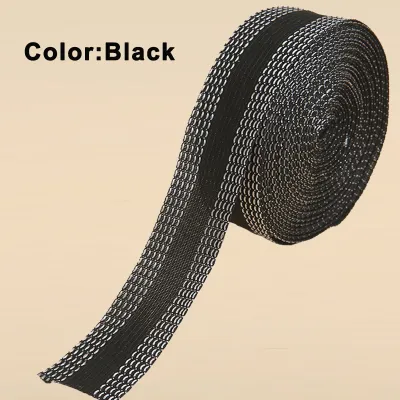
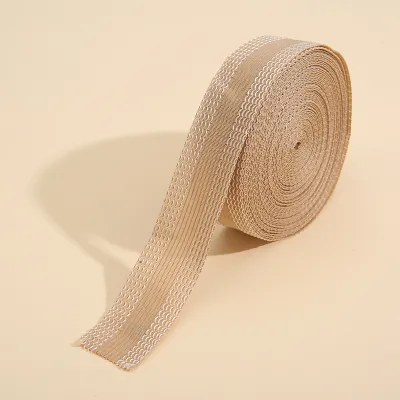
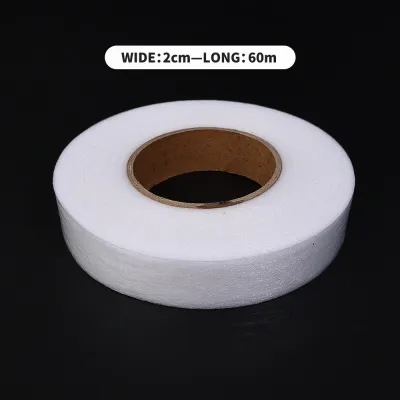
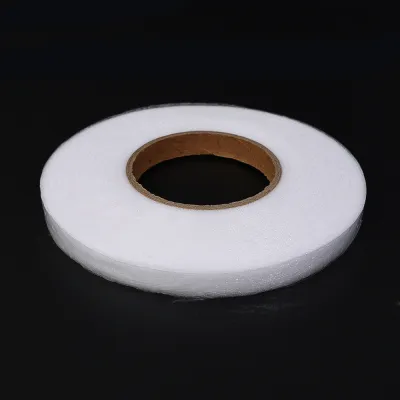
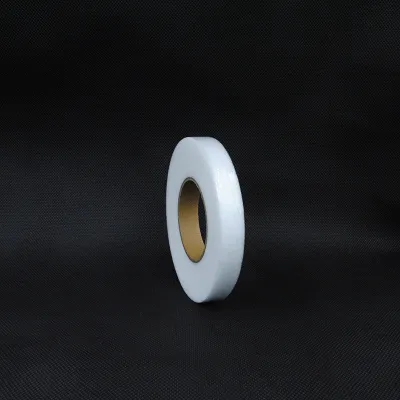
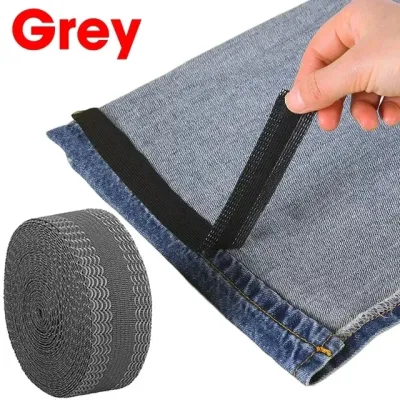
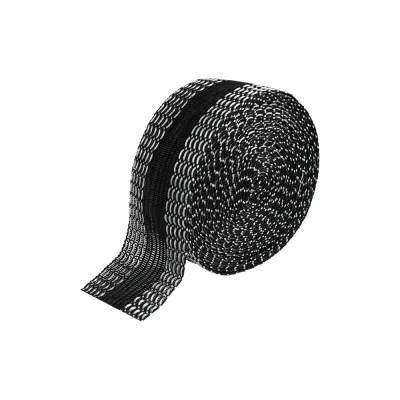
Prices are valid at publication and may change. Please refer to the product page for the latest price.
Another widely used option is double-sided fabric tape, which relies on a pressure-sensitive adhesive. Unlike fusible webs, pressure-sensitive tapes do not require any heat source to activate. Instead, they utilize a highly tacky acrylic or rubber-based adhesive coated onto a thin, flexible carrier film. You simply peel off the protective paper backing, apply firm finger pressure, and the bond is established instantly. While incredibly convenient for quick fixes or heat-sensitive materials, pressure-sensitive tapes generally offer lower resistance to repeated hot-water washing compared to heat-activated options.
Liquid fabric adhesives represent a third category, though they are less common in tape form. These are liquid polymers applied directly from a tube that cure over several hours to form a flexible bond. While highly durable, liquid glues require careful application to prevent the adhesive from seeping through the fabric and leaving permanent, stiff stains on the exterior of the garment.
The physical dimensions of the tape—specifically its width and thickness—directly influence how the finished hem behaves. A wide tape, typically measuring 20mm to 25mm, distributes the physical weight and stress of the hem over a larger surface area, which is essential for heavy fabrics. However, using a wide, thick tape on a lightweight fabric will restrict the garment’s natural movement, resulting in a stiff, unnatural fold that stands out visually. For finer fabrics, a narrow, ultra-thin tape (around 10mm to 15mm) is necessary to preserve the natural drape and flexibility of the trouser leg.
Before purchasing any hemming tape, it is critical to carefully inspect the manufacturer’s product packaging. Pay close attention to the specified heat tolerance, fabric compatibility warnings, and washability limits. Some tapes are formulated exclusively for dry-clean-only garments, while others can withstand high-temperature machine washing and tumble drying. Ignoring these specifications can lead to adhesive failure during the first laundry cycle or, worse, permanent damage to your trousers during the ironing process.
Matching the Right Shorten Pants Tape to Your Fabric
A successful no-sew hem relies on a precise match between the adhesive tape and the physical characteristics of the garment. There is no single hemming tape that works perfectly across all materials. Fabric weave density, fiber composition, and thermal sensitivity vary wildly between heavy denim, everyday cotton, and synthetic polyester blends.

To ensure a secure bond that does not compromise the appearance of your trousers, you must evaluate both the physical thickness of the fabric and its care requirements. The adhesive must be strong enough to hold the weight of the folded fabric without peeling, yet gentle enough to prevent bleed-through or fiber damage. Matching these variables correctly ensures your hem remains invisible and intact over time.
Heavyweight Fabrics: Denim and Thick Cotton
Denim and heavy cotton canvas present unique challenges for no-sew hemming due to their stiffness, weight, and dense weave structures. To secure these heavy materials, you must use a wide, heavy-duty fusible web. These specialized tapes contain a higher concentration of thermoplastic adhesive, providing the deep penetration and strong mechanical grip required to hold thick layers of fabric together under the physical strain of walking and bending.
Because denim is incredibly dense, it acts as a thermal barrier that resists heat transfer. To melt a heavy-duty adhesive web completely, you must set your iron to a high temperature—typically the cotton or linen setting—and apply firm, steady downward pressure. Using steam is highly recommended during this process, as the moisture helps conduct the heat deep into the dense denim fibers, ensuring the adhesive liquefies and bonds with both layers of fabric.
To protect your jeans from heat damage, always use a damp pressing cloth between the iron and the denim. The pressing cloth prevents the iron from scorching the cotton fibers or creating unsightly shiny patches, which are common when applying high heat to dark denim. It also acts as a safety barrier, catching any stray adhesive that might ooze out of the sides of the hem and preventing it from sticking to your iron’s soleplate.
While heavy-duty fusible tape is excellent for the flat sections of your jeans, you must be aware of its structural limitations. The thick, multi-layered felled seams on the inner and outer leg of jeans contain too many layers of fabric for hemming tape to bond reliably. Under tension, these bulky areas are highly prone to popping open. For a truly durable finish, consider adding a few hand stitches specifically at these thick seam intersections to reinforce the bond created by the tape.
Medium-Weight Fabrics: Standard Cotton and Chinos
Standard cotton trousers, chinos, and business-casual slacks require a balanced approach that prioritizes both bond strength and natural fabric movement. For these everyday garments, a standard-width (15mm to 20mm), regular-weight fusible iron-on tape is the ideal choice. This profile provides sufficient holding power without adding unnecessary bulk or stiffness to the hemline.
When hemming chinos, the primary aesthetic risk is creating a stiff, visible ridge on the outside of the pant leg, commonly referred to as a “shadow line.” To avoid this, select a flexible, lightweight web adhesive rather than a heavy utility tape. Additionally, make sure to position the tape slightly below the top raw edge of the folded hem. This technique allows the top edge of the hem to lay flat and blend naturally against the main body of the trouser leg.
Standard cotton fabrics generally respond well to medium iron settings, usually corresponding to the wool or medium-heat indicator on your iron. Applying excessive heat can cause the adhesive to liquefy completely and bleed through the cotton weave, leaving a permanent, dark, or stiff stain on the exterior of your pants. Conversely, insufficient heat will fail to melt the polymer, leading to premature peeling after a few hours of wear.
To guarantee a perfect result, always perform a test run before applying the tape to the entire hem. Cut a small, two-centimeter strip of the hemming tape and apply it to an inconspicuous area, such as the inside of a pocket bag or a scrap of fabric cut from the bottom of the pants. This test allows you to verify that the adhesive does not bleed through the fabric and that your iron’s temperature is perfectly calibrated for the material.
Heat-Sensitive and Stretch Fabrics: Polyester and Blends
Synthetic fabrics like polyester, nylon, and stretch blends require extreme caution because they are highly sensitive to thermal damage. For these materials, you should opt for low-heat fusible tapes specifically formulated for synthetics, or high-quality, pressure-sensitive double-sided fabric tapes that require no iron heat at all. These options eliminate the risk of thermal degradation while still providing a secure hold.
Using a standard high-heat iron-on tape on polyester can have disastrous consequences. Because polyester is essentially a plastic-based fiber, high temperatures will instantly glaze, scorch, or melt the material. This leaves permanent, shiny iron marks or physical holes in the fabric that cannot be repaired. If you must use a fusible tape, keep your iron on a low synthetic setting and always use a dry pressing cloth to shield the fabric.
Stretch fabrics, such as athletic trousers or elastane-blend chinos, introduce another layer of complexity. When you walk, sit, or climb stairs, stretch fabrics expand and contract. If you apply a standard, rigid fusible web to these garments, the tape will not stretch with the fabric. As a result, the adhesive bond will snap, or the fabric will pucker awkwardly along the hemline.
To prevent this, look specifically for hemming tapes labeled as “stretchable,” “flexible,” or “elastic.” These specialized tapes are engineered with polyurethane or textured adhesive webs that can expand and contract alongside the synthetic fibers. They allow the hem to stretch naturally with your movements, preventing the adhesive from cracking or releasing under tension.
Step-by-Step Application for a Secure, Lasting Hem
To ensure your no-sew hem looks professional and withstands daily wear, you must follow a precise, structured application process. Skipping preparation or curing steps is the primary cause of premature adhesive failure.
- Preparation: Begin by washing and drying your pants to pre-shrink the fabric, which prevents the hem from puckering during future washes. Put on the trousers with the shoes you intend to wear, fold the fabric inward to the desired length, and secure it with sewing pins. Carefully remove the pants and use an iron to press a sharp, clean crease along the folded edge. Unpin the fabric, lay it flat, and use a lint roller to thoroughly clean the inside area of the hem, removing any loose threads, dust, lint, or factory sizing agents that could block the adhesive from bonding directly with the fibers.
- Application: Cut your shorten pants tape to the exact circumference of the pant leg, adding a tiny 5mm overlap at the ends. Position the tape inside the folded hem, ensuring it sits approximately 2mm to 3mm below the raw edge of the fabric to prevent any melted adhesive from oozing out. Fold the hem back over the tape. If using a fusible web, place a pressing cloth over the fabric and press your iron straight down firmly for the exact duration specified by the manufacturer (usually 10 to 15 seconds). Do not slide the iron back and forth, as this motion will shift the tape and warp the hem; instead, lift the iron, move it to the next section, and press down again.
- Curing and Setting: After applying heat or pressure, resist the temptation to move, handle, or try on the trousers immediately. The adhesive is still in a warm, semi-liquid state and is highly vulnerable to shifting or peeling. Lay the pants completely flat on a cool, hard surface and let them sit undisturbed for at least 15 to 30 minutes. Allowing the adhesive to cool completely is essential, as this is when the polymer chains fully crystallize and lock into the fabric fibers, establishing the final, permanent bond.
- Safety and Care Boundaries: Always consult the garment's care label before you begin. If the label states "Do Not Iron" or "Cool Iron Only," you must strictly avoid high-heat fusible tapes and use a pressure-sensitive fabric tape instead. If the instructions on your hemming tape package conflict with the care instructions of your trousers, always default to the trouser manufacturer's guidelines to prevent permanent damage to the fabric.
What to Check Before Buying: A Quick Selection Checklist
When shopping for hemming tape at physical haberdashery stores or online marketplaces, navigate past generic “multi-purpose” claims and evaluate the product using this targeted checklist.
- Washability Claims: Look for explicit statements regarding laundry care. A reliable tape will specify whether it is machine washable, dry-clean safe, or hand-wash only. Ensure the tape's washing temperature rating matches your typical laundry habits (for example, resistant up to 40°C or 60°C).
- Width and Length: Measure the circumference of your pant leg and multiply by two to calculate the minimum tape needed per pair of trousers. Standard rolls usually range from 5 to 10 meters, which is highly cost-effective and provides plenty of material for multiple garments. Match the width to your fabric weight: 10mm to 15mm for delicate or lightweight trousers, and 20mm to 25mm for heavy denim and canvas.
- Fabric Compatibility Labels: Check the back of the packaging for specific fiber listings. High-quality brands will clearly state if the adhesive is compatible with synthetics like polyester, stretch fabrics, or heavy cottons. Avoid tapes that do not clearly define their fabric limits.
- Expiration and Storage: Adhesive compounds can degrade over time, particularly when exposed to heat and humidity. Inspect the packaging for any signs of yellowing, brittleness, or peeling edges. If purchasing in a physical store, ensure the product has been stored away from direct sunlight and damp areas.
Frequently Asked Questions (FAQ)
Can hemming tape survive regular machine washing?
Yes, high-quality fusible hemming tapes are designed to survive dozens of machine wash cycles, provided they were applied correctly with the appropriate heat and pressure. However, their long-term durability depends heavily on your laundry habits. To maximize the lifespan of the adhesive bond, always wash your hemmed trousers inside out on a gentle cycle using cold or warm water. Avoid using high-heat tumble drying settings, as extreme dryer heat can re-soften the thermoplastic adhesive, causing the folded hem to gradually peel away and unravel.
How do I safely remove hemming tape residue?
To safely remove fusible web residue from your trousers, place a piece of clean scrap cotton fabric directly over the sticky area. Press a medium-hot iron over the scrap fabric for 5 to 10 seconds; the heat will re-melt the adhesive, causing it to transfer from your trousers onto the scrap fabric. For pressure-sensitive tape residue, apply a small amount of commercial adhesive remover or rubbing alcohol to a cotton swab. Always test these chemical solvents on an inconspicuous inside seam first to ensure they do not discolor the fabric or dissolve synthetic fibers.
Does high humidity affect tape adhesion and storage?
Yes, Singapore’s high relative humidity can introduce significant moisture into both your trouser fabric and the hemming tape itself. If the fabric is damp during application, the iron’s heat will turn that moisture into steam, creating a barrier that prevents the adhesive from bonding deeply with the fibers. Always ensure your pants are completely dry before ironing. For storage, keep unused rolls of hemming tape in a cool, dry place, ideally inside a sealed zip-lock bag containing a silica gel desiccant packet to prevent the adhesive from absorbing atmospheric moisture and losing its tackiness prematurely.
Community discussion
Share your experience or ask a question. Comments are reviewed before publication.