
Selecting the right adhesive tape for your child’s school year is more than just grabbing the first clear roll you see on the stationery shelf. The ideal tape changes as your child grows, shifting from safe, easy-to-tear options for early childhood crafts to precise, write-on matte tapes for secondary school note-taking. Matching the tape type to your child’s grade level ensures they can complete classroom tasks efficiently without frustration, while keeping their pencil cases organized and light.
Stationery requirements often catch parents by surprise during the busy back-to-school season. A roll of tape that is perfect for a teenager’s neat science journal can cause tears of frustration for a preschooler who cannot yet manage a sharp dispenser edge. Taking a systematic approach to this basic school supply saves time, reduces waste, and ensures your child is fully prepared for their daily classroom activities.
Why Grade Level Matters When Packing Tape
A child’s developmental stage directly influences how they interact with school supplies. In early childhood, fine motor skills are still developing, making the physical act of pulling, holding, and tearing tape a significant coordination challenge. Young children often struggle with the tension required to cut tape on a standard dispenser, frequently resulting in tangled, wasted adhesive or minor cuts from sharp metal teeth.
Products mentioned in this guide
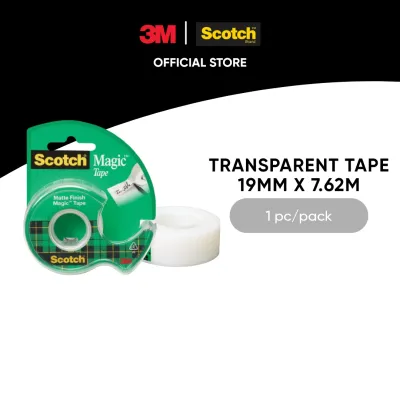
![[SG] 3M Scotch Magic/Transparent/ Removable Tape [Evergreen Stationery]](https://img.lazcdn.com/g/p/266f91f2e5a09e77d24b22dfb363f1e1.jpg_400x400q80.jpg_.webp)
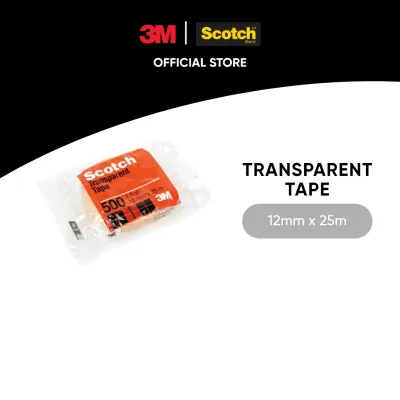
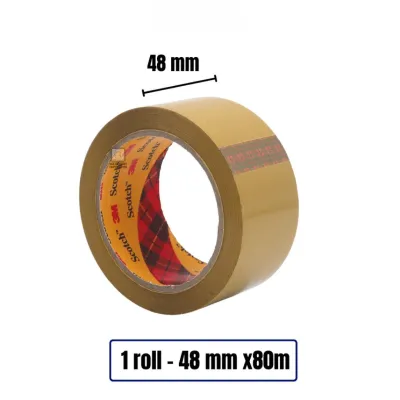
Prices are valid at publication and may change. Please refer to the product page for the latest price.
The academic curriculum itself also dictates the type of tape required. In preschool and kindergarten, activities are highly tactile and craft-oriented, requiring adhesives that can secure construction paper and lightweight decorative elements. By primary school, the focus shifts to pasting worksheets into exercise books, labeling personal belongings, and performing quick repairs on torn textbook pages.
Classroom environment and school policies represent another critical factor. Many early childhood centers operate on a shared-supply system, where teachers manage the distribution of stationery to maintain safety. In contrast, older students are expected to manage their own personal pencil cases and keep their supplies organized throughout the school day.
Preschool and Kindergarten: Safety and Ease of Use
For the youngest learners in preschool and kindergarten, the primary goals of any stationery item are safety and ease of use. Children at this stage are still refining their bilateral coordination—the ability to use both hands together to perform a task. Standard plastic or cellophane tapes can be incredibly frustrating for them because the thin film easily curls back onto the roll, making it difficult to find the starting edge.

Safety is a paramount consideration when selecting supplies for early learners who frequently put their hands, pencils, and craft materials near their mouths. When shopping for tape, carefully examine the packaging for non-toxic and acid-free certifications. Acid-free tapes are not only safer for skin contact, but they also prevent the adhesive from yellowing or degrading over time, preserving those precious early art projects.
Matte-finish tapes are particularly forgiving for early childhood craft projects. Unlike high-gloss clear tapes, which show every fingerprint, smudge, and air bubble, matte tape blends smoothly into paper surfaces and hides minor application mistakes. Furthermore, matte tape is much easier for small fingers to grip and reposition if they make a mistake during their creative activities.
Primary School: Everyday Assignments and Book Care
As children enter primary school, their daily stationery needs expand to accommodate homework assignments, classroom projects, and the general upkeep of their learning materials. In many primary school systems, students are frequently handed loose worksheets that must be pasted directly into their exercise books to keep their lessons organized. Standard clear tape is an essential tool for this task, offering a strong, permanent hold.
While clear tape is excellent for general pasting, matte-finish invisible tape is the true workhorse of the primary school pencil case. This tape is virtually undetectable once applied to white paper, making it the ideal choice for repairing torn textbook pages, worksheet corners, and library books. More importantly, the matte surface allows students to write directly over the tape using standard ballpoint pens or pencils.
Double-sided tape also becomes highly valuable during the primary school years, particularly for science projects, history dioramas, and art assignments. Traditional liquid glue can warp thin paper, take a long time to dry, and easily spill inside a school bag. Double-sided tape provides a clean, instant, and dry alternative that allows students to mount pictures and secure cardboard flaps with absolute precision.
Secondary School: Note-Taking, Journaling, and Precision
Secondary school students face a demanding academic workload that requires highly organized note-taking and efficient study habits. At this level, students often develop their own systems for color-coding notes, creating summary sheets, and maintaining planners or bullet journals. Matte-finish invisible tape remains a staple for these older students, as it allows them to seamlessly patch in updated diagrams, correct errors, and write over the tape without any ink smearing.
Precision is key for secondary school organization, which is why narrow-width tapes (such as those measuring 12mm or less) are highly popular among older students. These slim rolls are perfect for securing small charts, graphs, and reference tables into the margins of notebooks without covering up important text. They are also ideal for bullet journaling and planner decoration, allowing students to create neat borders with minimal bulk.
In addition to standard note-taking, secondary school students often have to manage heavy textbooks, thick folders, and multi-subject binders that undergo significant wear and tear over the school year. For these demanding applications, standard office tape may not provide enough strength. Including a roll of heavy-duty or reinforced clear tape in their home study supplies allows students to repair split binder spines and reinforce punched holes in loose-leaf paper.
Choosing the Right Tape Dispenser for Your Child
Selecting the right tape is only half the battle; matching it with the appropriate dispenser is equally important for ensuring a frustration-free experience. For home study desks, a weighted desktop dispenser is an excellent investment. These heavy dispensers stay firmly in place on the desk surface, allowing your child to pull and cut tape with just one hand while using their other hand to hold their paper or book in position.
For use at school, portability is the primary concern, making lightweight, handheld plastic dispensers the best choice. These dispensers protect the tape roll from dust, lint, and pencil shavings that inevitably accumulate at the bottom of a school bag. When choosing a handheld dispenser for a younger child, look for designs with integrated plastic teeth rather than sharp metal blades to prevent accidental finger cuts.
Finally, consider refill compatibility when choosing a dispenser system for the back-to-school season. Most standard tape rolls come in either a small core (1-inch diameter) or a large core (3-inch diameter). Handheld dispensers and small desktop models typically use 1-inch core rolls, which are highly portable and easy to find in multi-packs. Purchasing a durable, refillable dispenser rather than disposable single-use tape rolls is a highly cost-effective choice.
Building Your Final Back-to-School Tape Checklist
Before heading to the stationery store or ordering supplies online, take a few minutes to conduct an inventory of your existing household stationery. It is incredibly common to find half-used rolls of tape, spare dispensers, and leftover school supplies tucked away in drawers from the previous school year. Gathering these items first allows you to determine exactly what needs to be replaced, preventing unnecessary purchases.
When building your final shopping list, aim for a smart balance between bulk purchases for home use and portable options for your child’s school bag. Buying tape refills in multi-packs is generally much more economical than buying individual rolls, and it ensures you always have a backup supply on hand. Keep the bulkier, multi-pack refills stored safely in a home study drawer, and send your child to school with just a single, compact handheld dispenser.
Always cross-reference your planned purchases with the official back-to-school supply lists provided by your child’s school or teachers. Some teachers have very specific preferences regarding the types of adhesives allowed in their classrooms—for example, some may request specific tape widths for science lab notebooks. Verifying these requirements beforehand ensures your child arrives on the first day of school with the exact tools they need.
Frequently Asked Questions (FAQ)
Can Siblings of Different Grades Share the Same Tape?
Yes, siblings of different grade levels can easily share the same tape supply at home, but they will still require separate setups for their school bags. A standard roll of matte-finish invisible tape is highly versatile and can serve both a primary school student pasting worksheets and a secondary school student organizing their study planner. Keeping a shared, weighted desktop dispenser in a central home study area is a highly efficient way to manage household stationery.
However, attempting to share a single portable tape dispenser for school use is highly impractical and often leads to misplaced supplies or morning arguments. Each child should have their own dedicated, lightweight dispenser in their pencil case that is specifically suited to their daily classroom needs. Providing individual, age-appropriate supplies ensures each child can work independently and responsibly throughout the school year.
Community discussion
Share your experience or ask a question. Comments are reviewed before publication.