
Selecting the right school penknife requires balancing a student’s age, motor skills, and the specific demands of their school subjects. A tool that is too advanced poses safety risks, while one that is too basic can cause frustration and poor results in subjects like Art or Design & Technology. By evaluating blade exposure, locking mechanisms, and material compatibility, parents can select a tool that supports learning while minimizing the risk of injury.
Quick Selection Guide for School Penknives
Before purchasing any cutting tool for school use, your first step must always be to consult the school handbook or specific subject guidelines. Many educational institutions maintain strict policies regarding bladed tools on campus. Some schools prohibit students from bringing personal knives entirely, providing classroom-managed sets instead, while others permit them only under direct teacher supervision during specific lessons.
Once you have verified that personal tools are permitted, match the complexity of the penknife to your child’s fine motor skills and level of responsibility. A child’s ability to handle a blade safely depends heavily on their hand strength and coordination. Introducing a highly sharp, fully exposed blade too early can lead to accidents, whereas a tool with safety features can build confidence and competence.
Products mentioned in this guide
![[SG] SureMark Pen-knife Cutter 9/18mm in Random Color [Evergreen Stationery]](https://img.lazcdn.com/g/p/dface1ee9292eb243149b3d6c95f995e.jpg_400x400q80.jpg_.webp)
![[SG🇸🇬Seller] Heavy Duty Utility Black Carbon Blade Multipurpose Pen Knife Home Office Paper Box Carton Cutter](https://img.lazcdn.com/g/p/6882f450e3f1e993888469004661461d.png_400x400q80.png_.webp)
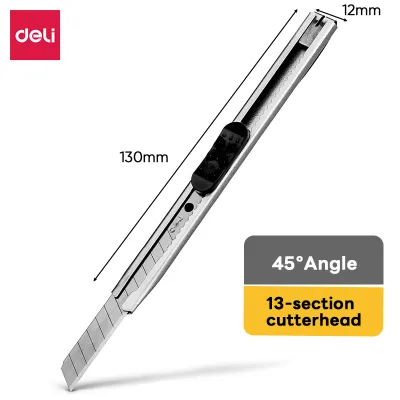
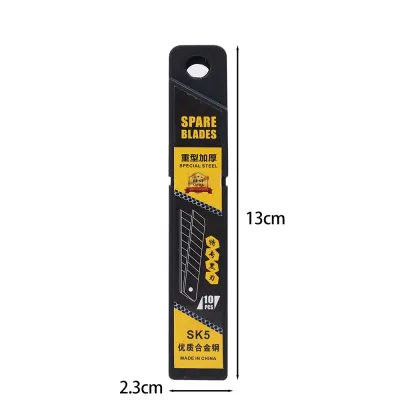
Prices are valid at publication and may change. Please refer to the product page for the latest price.
For absolute beginners and younger primary students, safety cutters with concealed blades represent the default safe choice. These tools minimize the risk of accidental contact with the cutting edge while still allowing students to complete basic paper-cutting tasks. As students progress to advanced craft projects in higher grades, they can transition to precision tools like retractable utility knives or fixed-blade craft knives, provided they have demonstrated the maturity to follow multi-step safety protocols.
Comparing Penknife Types for School Use
Understanding the mechanical differences between common penknife designs is essential for making an informed purchase. Each type of knife is engineered for specific tasks, materials, and user skill levels.

Retractable Utility Knives
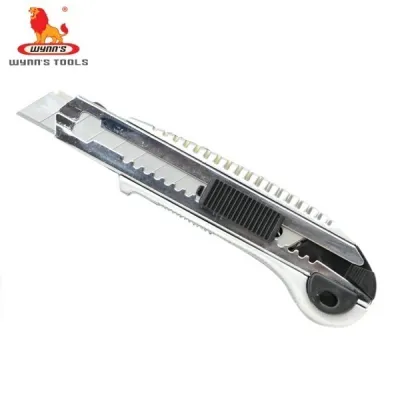
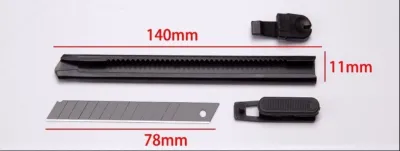
Retractable utility knives, often referred to as snap-off knives, feature a long, segmented blade housed within a plastic or metal body. Users extend the blade by pushing a sliding button forward along a track. These knives are highly versatile and excellent for making straight, long cuts through paper, cardboard, and foam board.
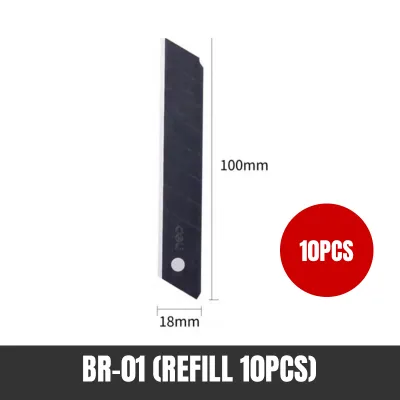
When the tip of the blade becomes dull, the user can snap off the worn segment to reveal a fresh, sharp edge underneath. This design requires careful blade management, as the snapping process must be performed using the built-in snapper tool at the back of the knife or a pair of pliers, always with eye protection and away from others.
Fixed-Blade Craft Knives
Fixed-Blade craft knives, which resemble scalpel-style pens, consist of a slim, pencil-like handle with a small, extremely sharp triangular blade secured at the tip. These tools are designed specifically for precision work, such as cutting intricate curves, stencils, and highly detailed patterns in paper or thin plastic sheets.
Because the blade is permanently exposed, these knives do not have a sliding mechanism. Instead, they rely on a screw-on collet or chuck to hold the blade firmly in place. Safety with these knives depends entirely on the use of a secure protective cap when the tool is not in use, making them suitable only for older, highly responsible students.
Safety Cutters
Safety cutters are designed to minimize blade exposure and prevent accidental cuts. These tools often feature a spring-loaded slider that automatically retracts the blade into the handle the moment the user releases their thumb from the button. Other designs feature fully concealed blades, where the cutting edge is recessed inside a plastic guide slot, making it virtually impossible for fingers to make contact with the blade.
While safety cutters offer excellent protection for beginners, they have clear material thickness limitations. The restricted blade exposure means they cannot easily cut through thick cardboard, balsa wood, or mounting boards, making them unsuitable for advanced design projects.
Matching Penknives to Grade Levels and Subjects
Aligning the choice of penknife with a student’s educational stage ensures they have a tool that is both safe to use and capable of performing the required academic tasks. As students grow, their cognitive development and fine motor control allow them to handle more complex locking mechanisms and sharper blades.
School subjects dictate the physical demands placed on the tool. Basic art classes in early primary school focus on soft, thin materials like paper and construction card. In contrast, secondary school Design & Technology (D&T) courses require students to manipulate denser materials like acrylic sheets, plywood, and heavy mounting boards, necessitating sturdier, more precise cutting instruments.
Lower Primary and Basic Art Projects
For students in lower primary school, safety must be the absolute priority. At this developmental stage, children are still refining their spatial awareness and hand-eye coordination. Standard utility knives with exposed blades are highly inappropriate for this age group.
Recommended Tool Types
- Concealed-blade safety cutters
- Plastic-bodied cutters with recessed blades
- Spring-loaded auto-retracting safety knives
Parents must secure explicit permission from the classroom teacher before sending any cutting tool to school with a lower primary student. Even when permitted, these tools should only be used under direct adult supervision. It is also important to note that safety cutters will struggle with thicker materials, so projects should be kept to standard drawing paper, thin origami paper, and light cardstock.
Upper Primary and Advanced Paper Crafts
As students enter upper primary school, they begin to tackle more complex paper crafts, basic model-making, and detailed art projects. Their improved fine motor skills allow them to handle tools that offer slightly more blade exposure, though safety features remain highly recommended.
Recommended Tool Types
- Small retractable utility knives with positive slide locks
- Auto-retracting safety knives with ergonomic grips
- Compact snap-off knives with narrow blades (9mm)
Before upgrading your child to a standard retractable knife, perform a quick responsibility check. Ensure they can reliably follow multi-step safety instructions, such as retracting the blade fully before putting the tool down and never extending the blade past one or two segments. For prolonged craft sessions, look for models with ergonomic, cushioned handles to prevent hand fatigue and slipping.
Secondary School and Design & Technology
Secondary school students frequently engage in hands-on subjects like Design & Technology, where they must cut, score, and shape dense materials such as balsa wood, thick mounting boards, and modeling plastics. These tasks require sharp, rigid blades that do not flex under pressure.
Recommended Tool Types
- Fixed-blade craft knives for intricate detailing and stencil work
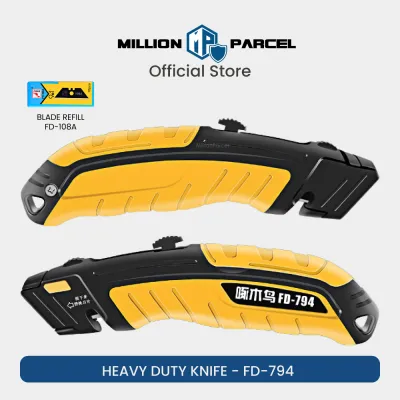
- Heavy-duty retractable utility knives with secure wheel locks
- Utility knives with trapezoidal utility blades for heavy scoring
At this level, precision and stability are critical. Dull or flexible blades can easily slip when cutting resistant materials, leading to severe injuries. Secondary school workshops often have highly specific tool lists provided by the department; always check these lists before purchasing. Additionally, emphasize the mandatory use of self-healing cutting mats and safe blade disposal protocols in the workshop.
Essential Safety Features and School Rules to Check
When shopping for a school penknife, look beyond the price and color to evaluate the physical safety mechanisms built into the tool. A well-designed penknife should actively help prevent common workshop accidents.
First, verify how your child’s school manages bladed tools during non-class hours. Many schools require students to hand over their penknives to the subject teacher at the start of the day, or store them securely in designated classroom lockers. Ensure the tool you choose can be easily labeled with your child’s name and class to prevent mix-ups.
Next, examine the locking mechanism of the knife. For retractable models, look for a positive blade lock. There are two primary types:
- Auto-Lock Sliders: These lock the blade automatically at the selected length when the user stops pushing the slider. Ensure the lock can withstand moderate downward pressure without slipping backward.
- Wheel Locks: These feature a manual screw-wheel that the user tightens to lock the blade firmly in place. This is the most secure option for heavy-duty cutting, as it completely eliminates blade play.
For fixed-blade craft knives, a secure cap closure is non-negotiable. The cap should click or screw firmly onto the handle so that it cannot shake loose inside a pencil case. Finally, evaluate the handle ergonomics. Look for non-slip elastomer or rubber grips that provide traction even if the student’s hands are sweaty, along with built-in finger guards near the collar of the knife to prevent fingers from sliding forward onto the blade.
Safe Handling, Storage, and Blade Disposal
Owning a penknife comes with the responsibility of maintaining safe habits both at school and at home. Establishing clear routines for handling, storing, and disposing of blades will significantly reduce the risk of accidents.
Proper Cutting Techniques
Always teach students to cut away from their body and limbs. The non-dominant hand, which holds the material in place, must always be positioned behind the path of the blade, never in front of it.
To ensure clean cuts and prevent slipping, students should always use a self-healing cutting mat as a base. When making straight cuts, a metal ruler with a non-slip backing should be used as a guide. Plastic rulers should be avoided, as the blade can easily shave off the plastic edge and climb over the ruler onto the user’s fingers.
Secure Storage Methods
Penknives should never be thrown loosely into a school bag or a soft pencil case where the blade could pierce the fabric or injure a hand reaching inside.
Store the penknife in a hard-shell plastic pencil case or a dedicated, heavy-duty tool pouch. For fixed-blade knives, always replace the protective cap immediately after use. For retractable knives, ensure the blade is fully retracted and the lock is engaged before storing the tool.
Safe Blade Disposal
When a blade segment becomes dull, it must be disposed of safely. Students should never snap off blade segments with their bare hands.
Use the built-in snapper slot at the end of the utility knife handle, or use a dedicated blade disposal case. For fixed-blade craft knives, dull blades should be placed directly into a puncture-proof container, such as a plastic bottle or a commercial blade safe, before being thrown into the trash. Never discard loose, unprotected blades directly into a classroom rubbish bin.
Frequently Asked Questions (FAQ)
Are students allowed to bring penknives on school buses or public transit?
Students are generally permitted to transport school-approved stationery tools on public transit, provided the tools are packed securely. The penknife must be fully retracted or capped and stored deep inside a zipped school bag, rather than carried in a pocket or hand. You should check the specific guidelines of your local transport authority and your school’s security policy. If daily transport is restricted or causes concern, suggest that your child leave their craft tools securely stored in their school locker or a designated classroom drawer.
How often should a student replace their penknife blade?
A penknife blade should be replaced or snapped off the moment it shows signs of wear. Visual cues include visible rust, discoloration, or tiny chips along the cutting edge. Functional cues are even more telling: if the blade begins to tear or drag the paper instead of slicing through it cleanly, or if the student has to apply significant downward pressure to make a cut, the blade is dull. A dull blade is highly dangerous because the excessive force required to cut increases the likelihood of the tool slipping out of control.
Community discussion
Share your experience or ask a question. Comments are reviewed before publication.