
Selecting the right money envelope, or sampul duit, in Singapore requires matching the envelope’s color, design motifs, and physical dimensions to the specific cultural occasion. Whether you are preparing for Chinese New Year, a Malay wedding, Hari Raya Aidilfitri, or a Chinese wedding banquet, the envelope you choose acts as a physical representation of your respect and goodwill. Understanding the subtle differences in design etiquette, paper quality, and presentation ensures your gift is received with appreciation.
While the act of giving monetary gifts is universal across Singapore’s diverse communities, the colors, motifs, and customs vary significantly. A thoughtful choice of envelope demonstrates cultural awareness and attention to detail. By learning the specific rules that govern each major celebration, you can navigate these social exchanges with confidence and grace.
Cultural Basics: The Meaning Behind the Envelope
In Singapore’s multicultural society, the exchange of monetary gifts is a deeply rooted tradition of sharing blessings, wealth, and goodwill. The term “sampul duit” broadly refers to these decorative money packets, which include Chinese red packets (ang baos) and Malay green packets (sampul Raya). Across all communities, the envelope serves a dual purpose: it conceals the monetary value of the gift to maintain humility, and it uses artistic symbols to convey blessings for prosperity, health, or happiness.
Products mentioned in this guide
![[SG SELLER] Embroidered Chinese Envelope Plush Red Packets CNY 2026 Lucky Horse Birthday New Year Surprise Money Angpao](https://img.lazcdn.com/g/p/c7e26eecf1a5a3a3c753e7ffd107cfff.jpg_400x400q80.jpg_.webp)
Prices are valid at publication and may change. Please refer to the product page for the latest price.
Giving cash in a plain, unadorned envelope is generally avoided during festive occasions, as it lacks the celebratory spirit and cultural intent of a dedicated packet. The choice of color, material, and imagery on the envelope acts as a silent language. Selecting an inappropriate style can inadvertently send the wrong message, making it essential to understand the specific traditions associated with each celebration.
Chinese New Year: Selecting Auspicious Red Packets
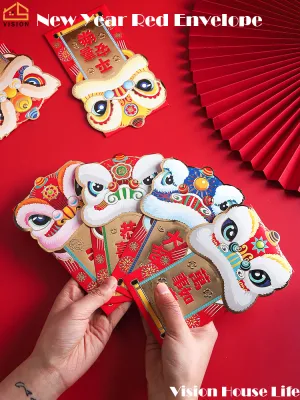
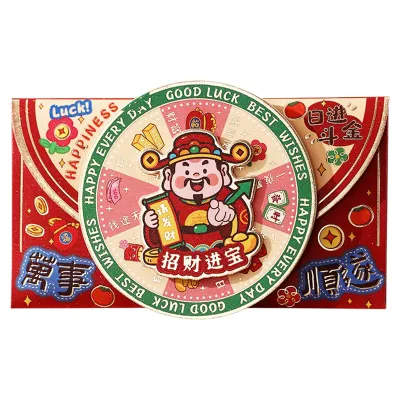
For Chinese New Year, the traditional red packet, or ang bao, remains the standard. Red symbolizes luck, energy, and the warding off of negative energy, while gold accents represent wealth and prosperity. When selecting your packets, avoid white, black, or dark blue envelopes entirely, as these colors are strictly associated with funerals and mourning in Chinese culture.

Motifs and Zodiac Symbols
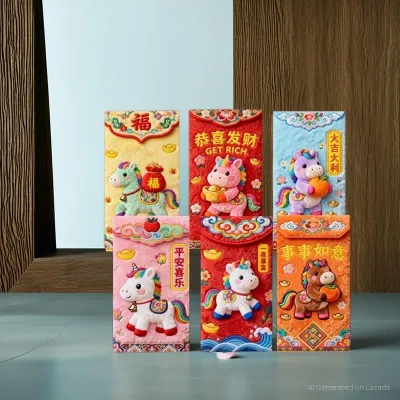
The imagery on your Chinese New Year packets should align with the specific year or feature timeless symbols of prosperity. While packets featuring the current year’s zodiac animal are highly popular and festive, they must not be used in subsequent years. If you prefer a versatile option that can be used year after year, select designs featuring classic Chinese characters like Fu (福, meaning prosperity) or Chun (春, meaning spring), or illustrations of auspicious elements like peonies, kumquats, and cherry blossoms.
Numerology and Note Etiquette
The presentation of the money inside the packet is just as important as the envelope itself. It is customary to use crisp, brand-new banknotes, which are widely available at local banks in Singapore leading up to the festive season. When deciding on the amount, strictly avoid any numbers containing the digit 4, such as S$4, S$14, or S$44, because the word for “four” sounds like “death” in Chinese dialects. Instead, favor even numbers, which represent double blessings, or amounts containing the number 8, which sounds like “to prosper.”
Customising for Different Recipients
It is helpful to match the quality of the red packet to the recipient. For children, nieces, nephews, and casual acquaintances, standard paper packets with bright, playful illustrations are perfectly appropriate. However, when presenting monetary gifts to elderly parents, grandparents, or respected mentors, choose premium envelopes made of heavy-weight cardstock with elegant gold foil stamping or fabric textures to convey deep respect and gratitude.
Weddings: Choosing the Right Ang Bao for the Banquet
Selecting a money envelope for a wedding banquet requires a distinct approach from festive celebrations. Wedding packets should focus entirely on marital bliss, partnership, and longevity. Avoid using leftover Chinese New Year packets, especially those decorated with zodiac animals or general “Happy New Year” greetings, as this can appear thoughtless.
Design Distinctions for Marriage
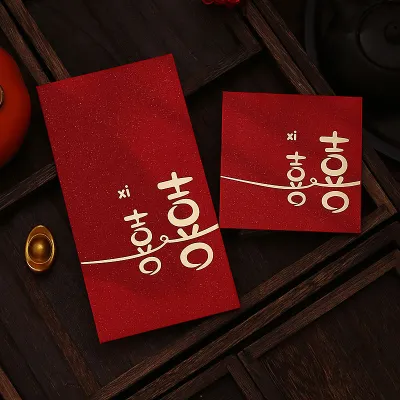
Traditional wedding red packets are decorated with the Double Happiness character (囍), dragons and phoenixes, or classic wedding blessings such as Bai Nian Hao He (百年好合, representing a harmonious union for a hundred years). For modern or cross-cultural weddings, elegant minimalist designs in shades of rose gold, deep burgundy, or champagne pink are highly popular. These contemporary styles offer a sophisticated look while remaining culturally respectful.
Modern and Premium Materials
While digital banking transfers have grown in popularity for daily transactions, presenting a physical envelope at the reception desk remains the standard etiquette at Singapore wedding banquets. To match the formality of the venue, consider premium envelope options. Packets made of velvet-flocked paper, heavy linen cardstock, or even laser-cut acrylic sleeves add a tactile sense of luxury that complements the celebratory atmosphere.
Determining the Gift Amount
The monetary gift at a Chinese wedding banquet in Singapore is traditionally expected to cover your share of the wedding banquet cost, commonly referred to as the “market rate” of the hotel or restaurant seat. This amount varies depending on whether the banquet is held during lunch or dinner, and on a weekday or weekend. Guests typically add an extra amount to this base rate as a personal blessing for the couple, adjusting the final sum based on their closeness to the bride or groom.
Hari Raya: Picking Appropriate Green Packets
During Hari Raya Aidilfitri, the celebration marking the end of Ramadan, the exchange of green packets, or sampul Raya, is a cherished custom. Green is the traditional color used, as it is associated with paradise and life in Islamic culture. While green remains the classic choice, modern designs also beautifully incorporate rich jewel tones like emerald, teal, navy blue, and elegant gold accents.
Appropriate Motifs and Greetings
When selecting green packets, look for designs that feature Islamic geometric patterns, arabesques, mosque silhouettes, ketupat (woven palm leaf rice cakes), or crescent moons and stars. It is important to avoid envelopes that feature figurative illustrations of humans or animals, as traditional Islamic art favors geometric, floral, and botanical patterns. Look for packets printed with respectful greetings such as “Selamat Hari Raya Aidilfitri” or “Maaf Zahir dan Batin” (seeking forgiveness for physical and emotional wrongs).
Etiquette of Duit Raya
These packets are traditionally given to children, teenagers, and unmarried young adults as a gesture of blessing and joy. Unlike Chinese customs where numerology dictates specific even numbers, the Malay custom of giving duit Raya is rooted in the Islamic concept of sedekah (voluntary charity). The focus is entirely on the act of blessing rather than a specific target amount, making standard crisp banknotes of any denomination highly appropriate.
Practical Specs: Sizes, Materials, and Note Fitting
Beyond cultural symbolism, the physical specifications of your sampul duit play a significant role in how your gift is presented and received. Selecting the right dimensions, paper weight, and closure type ensures that the money fits perfectly and the envelope remains durable.
Envelope Dimensions and Note Fit
Money envelopes generally come in three standard sizes, each suited to different presentation styles:
- Long/Vertical Envelopes (approx. 165mm x 90mm): These are highly preferred for Chinese New Year and weddings. They allow Singapore banknotes (such as S$2, S$10, or S$50 notes) to lie completely flat and crisp without any folding, which is considered the most formal and respectful presentation.
- Square/Medium Envelopes (approx. 90mm x 90mm): These require folding the banknotes in half or in thirds. They are highly common for Hari Raya and casual family gatherings, offering a compact and convenient size.
- Mini Packets: These smaller envelopes are designed for holding gold coins, tokens, or small folded notes, making them suitable primarily for young children.
Paper Types and Writing Compatibility
The weight and finish of the paper affect both the premium feel of the envelope and how easily you can write on it. Standard paper packets (80 to 100 gsm) are lightweight and easy to seal but can tear easily if overfilled. Premium cardstock (120 to 150 gsm) offers a sturdy, luxurious feel.
When personalising your envelopes, the paper’s surface finish dictates your choice of writing instrument. High-gloss, metallic, or pearlescent papers have non-porous surfaces with slow ink-drying speeds. Writing on these with standard gel pens or fountain pens often results in smudging. For these glossy mediums, a fine-tip permanent marker or a reliable oil-based ballpoint pen is necessary. Conversely, highly textured or uncoated cardstock (such as linen or felt-finish papers) is highly porous. Using a fountain pen or a heavy ink gel pen on these materials can cause the ink to bleed or feather along the paper fibers, making a medium-point ballpoint pen the safest option for clean, legible handwriting.
Closure Types
Envelopes typically feature either a tuck-in flap or an adhesive seal. Tuck-in flaps, which use a pre-cut slit to secure the flap, are highly recommended for premium or collectible envelopes. This design allows the recipient to open the packet easily without tearing the paper, preserving the envelope as a keepsake. Adhesive seals offer a secure closure but often damage the paper upon opening. Avoid using heavy liquid glue or staples, as these can easily damage the banknotes inside.
Sourcing Your Envelopes
To ensure you have a diverse selection of high-quality designs, plan your purchases well before the festive seasons. While local banks distribute complimentary packets during note-exchange periods, custom and high-quality designs are best sourced from local stationery stores, boutique paper craft shops, or online marketplaces in Singapore. Sourcing early helps you avoid last-minute stockouts and ensures you find the perfect match for your recipients.
Frequently Asked Questions (FAQ)
Can I reuse sampul duit from previous years?
Yes, reusing money envelopes is acceptable if they are in pristine condition, with no creases, tears, adhesive residue, or written names on the back. However, you must strictly avoid using outdated zodiac packets for Chinese New Year, as using the wrong animal is considered a social oversight. For weddings, it is always best to use brand-new, dedicated packets to honor the unique milestone of the couple.
Is it acceptable to use a white envelope for a wedding?
In traditional Chinese culture, white is strictly associated with funerals and mourning, so white envelopes should be avoided for Chinese wedding banquets. While modern, Western-style weddings in Singapore may feature elegant white, cream, or pastel color themes, it is always safer to choose red, gold, pink, or purple envelopes unless the couple has explicitly requested a specific modern color palette.
Do I need to write my name on the sampul duit?
Writing your name and a brief, heartfelt blessing on the back of the envelope is highly recommended, especially for weddings and large festive gatherings. This practice helps the hosts keep track of who gave each gift, allowing them to express their appreciation properly. Use a reliable ballpoint pen or a fine-tip permanent marker to ensure your writing is clear and does not smudge on glossy or textured paper surfaces.
Community discussion
Share your experience or ask a question. Comments are reviewed before publication.