
Selecting the ideal plastic goodie bag requires matching the physical dimensions and weight of your party favors with the formality of your event. A well-chosen bag ensures that gifts are carried safely without tearing while complementing your party’s overall aesthetic. To find the right fit, you must evaluate size, material thickness, and handle styles to match the specific demands of different occasions, from casual children’s birthdays to formal corporate gatherings. By understanding how dimensions, plastic types, and construction details interact, you can select a practical and visually appealing packaging solution that enhances the guest experience.
Matching Goodie Bag Sizes to Your Party Favors
To ensure your party favors fit comfortably, begin by measuring the largest or most awkwardly shaped item you plan to include. Calculate the necessary extra space around this item to allow for easy insertion and to accommodate any internal padding, such as tissue paper or crinkle cut shred. If a bag is too tight, the plastic will stretch, distorting any printed designs and risking seam failure.
Standard size categories serve as helpful starting points for planning. Small bags are generally suitable for loose candies, small trinkets, and individual treats. Medium bags easily accommodate boxed treats, stationery items like notebooks, and small toys. Large bags are better suited for apparel, bulky gift sets, or multiple items that need to sit side-by-side.
Products mentioned in this guide
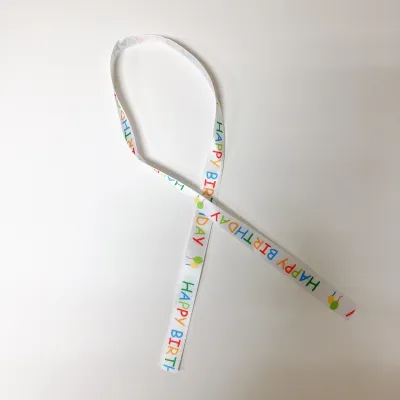
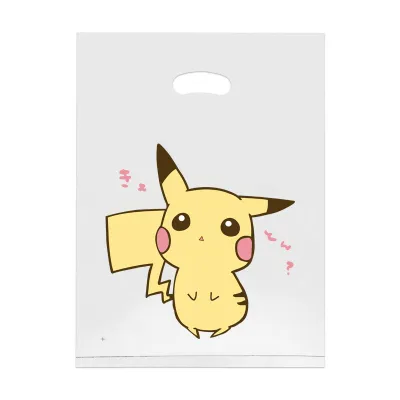
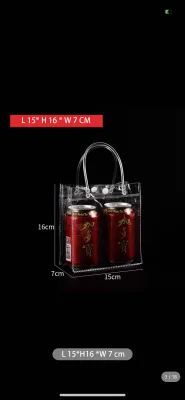
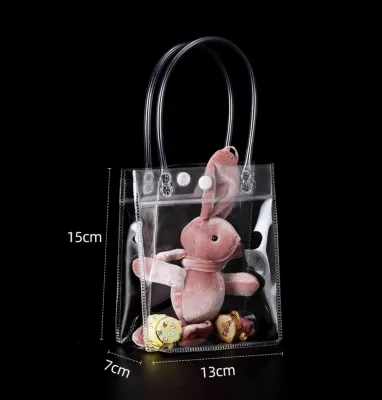
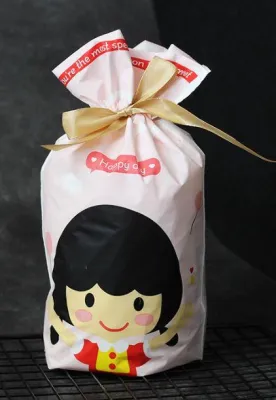
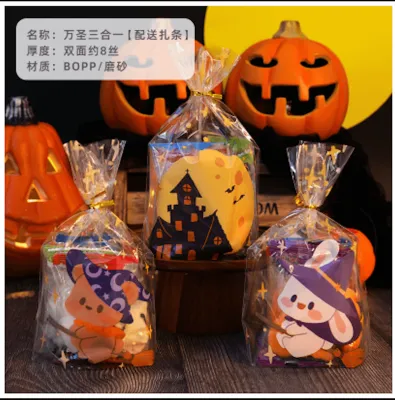
Prices are valid at publication and may change. Please refer to the product page for the latest price.
When dealing with three-dimensional or thick items, pay close attention to the gusset. A gusset is an expandable fold on the sides or bottom of the bag that opens up to create depth. Without a gusset, flat bags will pull tight at the sides when filled with thick items, reducing the usable height and putting stress on the side seams.
Always check manufacturer dimension charts carefully before purchasing. Listed measurements can be misleading, as some suppliers include the handle height or the unexpanded gusset in the total dimensions, while others list only the usable space. Verifying whether the dimensions represent the flat layout or the fully expanded volume prevents sizing errors.
Choosing the Right Thickness and Material for Durability
The durability of a plastic goodie bag depends heavily on its thickness and the specific polymer used. To objectively compare durability across different options, check product labels or specifications for thickness measurements, which are commonly listed in microns or mils (one-thousandth of an inch). Higher numbers indicate a thicker, more puncture-resistant material.

It is also important to distinguish between High-Density Polyethylene (HDPE) and Low-Density Polyethylene (LDPE). HDPE is typically thinner, lightweight, and has a crinkly texture, making it a cost-effective choice for lightweight items. LDPE, or soft plastic, offers a smoother, more premium feel, excellent stretch resistance, and a glossy finish that resists tearing when stretched.
If physical samples are available before you make a bulk purchase, perform a simple observable check. Gently pull at the seams to test their strength and press a blunt object against the plastic to gauge its resistance to stretching and puncturing. This hands-on assessment helps verify if the bag can handle real-world use.
Always match the material weight and thickness to the density of your favors. Heavier items, such as glass jars, dense books, or metal keychains, require thicker plastic specifications and reinforced seams. Using a thin, low-gauge bag for heavy items often leads to sagging, stretching, and eventual tearing during transport.
Selecting Styles and Handles for Different Occasions
The handle and closure style of a goodie bag affects both its functionality and how guests carry it. Flat or open-top bags are highly economical and work well when placed inside larger gift boxes or when the favors are meant to be displayed upright on a table. However, they require separate sealing methods and offer less carrying convenience.
For handled options, die-cut handles are a popular and practical choice. These handles are punched directly into the plastic near the top of the bag. While they are excellent for lightweight favors and casual settings, they can stretch or tear under heavy loads, and they reduce the usable height of the bag since items cannot be packed above the handle cutout.
For heavier items and formal events, consider bags with soft loop or rigid handle attachments. These handles are separate pieces of plastic or ribbon attached to the top of the bag, maximizing the internal packing space. Ensure these attachment points are heat-sealed or reinforced to prevent them from pulling away from the bag body.
Review the closure mechanisms based on how securely the favors need to be sealed. Self-adhesive strips and built-in ziplocks offer quick, secure closures that protect items from dust or moisture. Open-top bags, on the other hand, allow for decorative closures using ribbon ties, twist ties, or custom labels, adding a personalized touch to the presentation.
Tailoring Plastic Goodie Bags to Specific Party Themes
Aligning the bag’s appearance, color, and opacity with your event’s visual identity ensures a cohesive experience for your guests. The style you choose should reflect the overall tone of the gathering, transitioning smoothly from playful and vibrant to understated and sophisticated.
Children’s Birthdays and Casual Gatherings
For high-energy events like children’s birthdays, prioritize bright colors, playful prints, or transparent plastics. Clear or semi-transparent bags are particularly engaging, as they allow colorful treats, toys, and custom stickers to be visible from the outside, building excitement among young guests.
Select durable, tear-resistant materials that can withstand enthusiastic handling. Children are rarely gentle with party favors, so opting for a slightly thicker plastic prevents accidental spills on the way home.
Simple die-cut handles or flat bags are ideal for these occasions. They are easy for small hands to grip securely and simple for parents to carry alongside their own belongings.
Weddings, Showers, and Formal Events
For formal occasions like weddings and bridal showers, choose elevated materials such as frosted, matte-finish, or thick semi-transparent plastics. These textures diffuse light beautifully, offering a sophisticated, premium appearance that conceals the contents slightly for an element of surprise.
Incorporate elegant details like soft loop handles, ribbon tie closures, or custom heat-stamped monograms. These features elevate the bag from simple packaging to a thoughtful part of the table setting.
Stick to a refined color palette featuring neutral tones, soft pastels, or subtle metallic accents. These choices complement the event’s decor and floral arrangements without looking overly commercial or distracting.
Corporate Events and Holiday Parties
Professional gatherings, conferences, and office holiday parties require sturdy, clean-looking bags. Select high-density or thick low-density plastics in corporate colors or professional shades such as black, navy, or clear to maintain a business-appropriate aesthetic.
Ensure the bag’s thickness and handles are rated to carry heavier promotional items. Corporate favors often include dense items like branded notebooks, tech accessories, metal water bottles, or thick catalogs, which will easily tear standard party bags.
Maintain a clean, minimalist design with high-quality printing. A simple, well-aligned company logo on a solid-colored, high-quality plastic bag projects a professional brand image and ensures the packaging aligns with corporate standards.
Practical Tips for Packing and Sealing
Proper packing techniques protect your favors and maintain the structural integrity of the plastic bag. Use tissue paper, crinkle cut paper, or bubble wrap at the bottom of the bag to provide cushioning. This padding prevents sharp edges from piercing the plastic and helps the bag stand upright.
If you are packing fragile or potentially leaking items, such as scented candles, small bottles of hand sanitizer, or liquid treats, wrap them in secondary protective layers. A simple zip-top bag or a layer of bubble wrap prevents leaks from ruining the rest of the favors.
Secure open-top bags using coordinated ribbons, custom stickers, or a heat sealer. When using a heat sealer, test the temperature on a scrap piece of plastic first to ensure you do not melt through the bag, which would compromise its strength.
Before assembling your bags in bulk, always conduct a weight and carry test with a fully packed sample. Lift the bag by its handles, shake it gently, and carry it around to verify that the handles, seams, and bottom hold up under normal movement.
Frequently Asked Questions (FAQ)
Are plastic goodie bags recyclable?
Recyclability depends on the specific plastic resin used to manufacture the bag and the local municipal recycling guidelines in Singapore. Bags made from Low-Density Polyethylene (LDPE) or High-Density Polyethylene (HDPE) are technically recyclable, but they often cannot be placed in standard blue curbside recycling bins, as soft plastics can tangle in sorting machinery. Instead, look for specialized soft plastic drop-off recycling points at supermarkets or community hubs. Always check the resin identification code printed on the bottom of the bag and consult local waste management resources to confirm proper disposal methods.
How do I prevent sharp items from tearing the plastic bag?
To protect the bag from punctures, wrap any items with sharp or pointed edges in tissue paper, bubble wrap, or place them inside small cardboard boxes before packing. You can also place a piece of stiff cardstock cut to size at the bottom of the bag to reinforce the base and distribute weight evenly. If you are packing heavy or sharp items that cannot be easily wrapped, select bags with a higher thickness specification (measured in microns) and reinforced bottom gussets to ensure the plastic can withstand the pressure.
Community discussion
Share your experience or ask a question. Comments are reviewed before publication.