
Finding the ideal perpetual calendar brand for bullet journaling in Singapore requires balancing paper performance under local environmental conditions with structural durability for daily transit. Because perpetual, or undated, calendars allow you to start, pause, and resume planning at any time, they offer a highly flexible alternative to rigid pre-dated diaries. To make the right choice, you must evaluate how a brand’s paper handles your preferred writing instruments, how its binding supports flat writing, and how easily you can source genuine editions locally.
By focusing on structural integrity, paper specifications, and layout compatibility, you can select a calendar that seamlessly integrates into your creative workflow. This guide outlines the essential criteria for evaluating stationery brands, sourcing authentic products, and maintaining your planner in a tropical climate.
Understanding the Role of Perpetual Calendars in Bullet Journaling
A perpetual calendar is an undated planning tool where the user manually fills in the dates, months, or years as they go. Unlike traditional dated planners that come with pre-printed calendar grids for a specific year, a perpetual calendar provides the structural framework of a planner—such as monthly grids, weekly columns, or daily blocks—while leaving the date fields blank. This design offers the ultimate flexibility, allowing you to pause your planning during busy periods or vacations without leaving behind pages of wasted, empty space.
Products mentioned in this guide
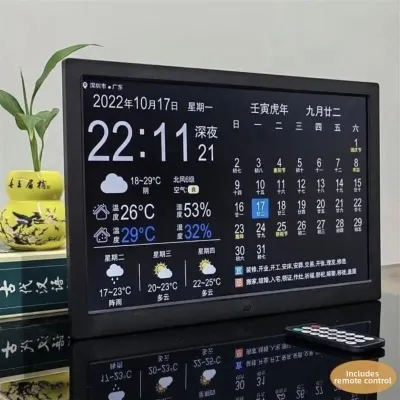
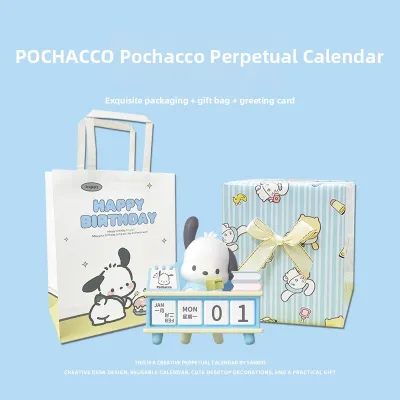
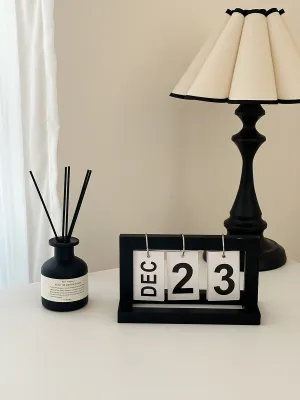
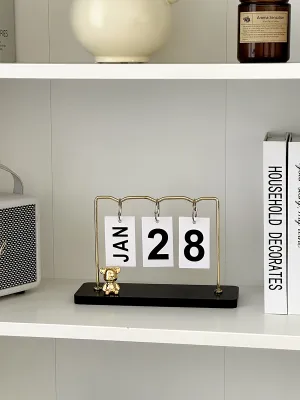
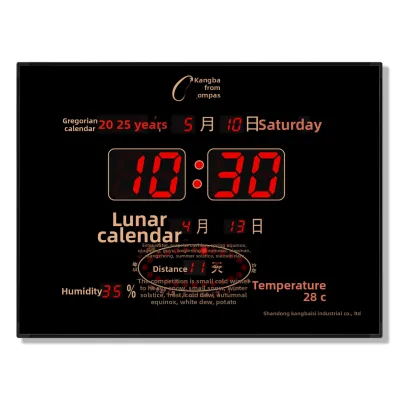
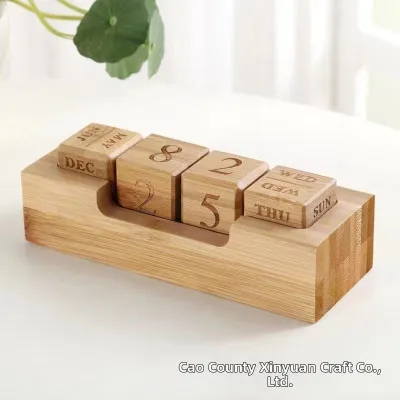
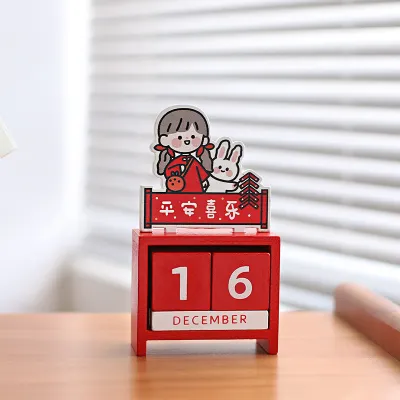
Prices are valid at publication and may change. Please refer to the product page for the latest price.
In contrast, standard blank bullet journal notebooks require you to draw every single calendar grid, future log, and monthly overview from scratch. While this offers maximum creative freedom, it can be incredibly time-consuming. A perpetual calendar brand bridges this gap by providing pre-drawn, structured layouts that save you setup time, while still preserving the open-ended, customizable nature of the bullet journal method.
This hybrid format is highly beneficial for specific planning styles and user profiles. Students with fluctuating academic terms, freelancers with project-based schedules, and creative journalers who alternate between intense daily logging and long periods of minimal planning will find undated formats highly efficient. It allows you to maintain a structured overview of your year without the pressure or guilt of matching a rigid, pre-printed calendar.
Key Structural Features to Evaluate in Calendar Brands
When comparing different perpetual calendar brands, the binding method is one of the most critical structural features to evaluate. A true lay-flat binding, such as Smyth-sewn or thread-bound construction, is essential for writing comfort. This design allows the notebook to open completely flat on your desk, ensuring you can write smoothly across the central gutter without having to hold the pages down. Spiral or wire-o binding offers the advantage of folding completely back on itself, which is highly convenient when working on compact desks in Singapore cafes or offices, though the central coil can sometimes obstruct your hand during long writing sessions.

Cover materials play a significant role in both the durability and portability of your calendar. Hardcovers made of dense bookboard, bookcloth, or vegan leather provide a sturdy, built-in writing surface that is ideal for quick logging when you do not have a desk available. They also protect the inner pages from getting crumpled or bent inside a crowded commuter bag. Softcovers, often made of flexible cardstock or lightweight polyurethane, are significantly lighter and easier to slip into small bags, though they may require an external protective sleeve to prevent edge wear over time.
Size standards should be matched to your daily routine and workspace constraints. The A5 size is the most popular standard for bullet journalers, offering a balanced canvas that accommodates detailed monthly grids and weekly spreads while remaining highly portable. If you prefer a more compact setup to carry in a small handbag or pocket, a B6 or slim pocket size may be more suitable, though you will have less space for creative decorations. Conversely, larger sizes like B5 or A4 are excellent for dedicated desk use but can be cumbersome to carry daily.
Extra functional features can greatly enhance your daily user experience. Look for brands that include integrated pen loops to keep your favorite writing tool secured to the notebook. Elastic closure bands are highly useful for keeping the planner tightly shut in transit, preventing loose papers from falling out. Additionally, expandable back pockets provide convenient storage for sticker sheets, stencils, washi tape samples, and receipts that you want to keep close at hand.
Assessing Paper Quality and Layouts for Creative Planning
Paper performance is the cornerstone of any enjoyable journaling experience, especially if you use a variety of creative tools. Paper weight is measured in grams per square meter (gsm), and for bullet journaling, a range of 100 gsm to 160 gsm is generally recommended. Heavier paper provides greater opacity and structural strength, which helps prevent ghosting—where writing is visible on the reverse side of the page—and bleed-through, where ink completely penetrates the paper fibers. This is particularly important if you enjoy using fountain pens, water-based brush pens, or wet markers.
Because smoothness, bleed resistance, drying speed, water resistance, and erasability depend entirely on the exact combination of paper fibers and ink formulation, you should always perform a small, observable trial on an inconspicuous back page before committing to a specific pen. In Singapore’s humid tropical climate, paper can naturally absorb ambient moisture from the air. This absorbed moisture can slow down ink drying times and increase the likelihood of feathering, where ink spreads out along the paper fibers. Coated papers offer an incredibly smooth writing experience but require longer drying times, whereas uncoated papers absorb ink quickly but may exhibit more ghosting.
Layout formats vary widely among perpetual calendar brands, so you must select one that aligns with your specific bullet journaling method. Some brands offer purely monthly grids followed by blank or dot-grid pages, which is ideal if you prefer to design your own weekly and daily spreads. Other brands provide highly structured weekly columns or daily pages alongside the monthly overviews. If you rely heavily on rapid logging, a layout with minimal pre-printed text and a clean dot-grid matrix will give you the flexibility to adapt the space to your changing daily needs.
To verify paper compatibility with wet media, stamps, stickers, and heavy adhesives, always review the manufacturer’s specifications and product labels. Look for terms like “fountain pen friendly,” “acid-free,” or “high-opacity.” If you plan to use heavy washi tape or frequent correction tape, check if the paper surface is resilient enough to withstand peeling and erasing without tearing or pilling the top layer of fibers.
How to Source and Verify Calendar Brands in Singapore
Finding and verifying high-quality perpetual calendar brands in Singapore requires a strategic approach to ensure you receive genuine products. You can begin your research by visiting local specialty stationery boutiques, physical bookstores, and the official websites of international stationery brands. Established online marketplaces and regional ecommerce platforms also host authorized distributors, offering a convenient way to browse a wide selection of global brands from home.
To avoid counterfeit products or low-quality replicas, always verify that the seller is an authorized retailer. You can check this by cross-referencing the seller’s name with the authorized distributor list on the brand’s official global website. When purchasing online, look for listings that display official brand packaging, holographic security seals, and detailed product specifications. Be cautious of listings with vague descriptions, unusually low prices, or missing brand logos.
When ordering from regional or international retailers, carefully evaluate the total cost, including shipping fees to Singapore. Some international retailers offer free shipping once you meet a specific spending threshold, which can make purchasing premium planners more cost-effective. Additionally, check the retailer’s return and exchange policies regarding damaged or defective items, and ensure they provide reliable local tracking so you can monitor your shipment’s progress.
Leveraging local community feedback is an excellent way to gather real-world insights on specific brands. Join local stationery forums, social media interest groups, and bullet journal communities in Singapore. Members often share their personal experiences regarding how specific paper types perform under local humidity, which local physical stores offer the best in-hand stock, and which online sellers provide the fastest and most reliable delivery services.
Integrating a Perpetual Calendar into Your Planning Routine
Integrating a perpetual calendar into your existing bullet journal routine requires a clear organizational system to keep your thoughts cohesive. Start by setting up a dedicated index page at the front of your main bullet journal notebook. Use this index to reference the pages of your perpetual calendar, creating a clear bridge between your daily logs and your long-term monthly overviews. You can use the perpetual calendar’s monthly grids as a centralized future log, mapping out upcoming events, travel plans, and project deadlines that fall outside the scope of your current daily notebook.
Establish a consistent migration strategy to transfer tasks and events between your perpetual calendar and your daily logs. At the end of each week or month, review the undated monthly grids in your perpetual calendar. Migrate any actionable tasks, appointments, or deadlines into your main journal’s daily or weekly spreads. This routine ensures that your long-term planning remains perfectly aligned with your immediate daily tasks, preventing important commitments from slipping through the cracks.
Customization is where the perpetual format truly shines. Because the layouts are undated, you can use date stamps, numbering stencils, or pre-printed date stickers to quickly fill in the calendar fields with clean, consistent typography. If you find gaps in a pre-printed layout, you can easily customize the space using modular inserts, such as adhesive pockets, tip-in pages, or custom-printed tracking templates. This allows you to expand the functionality of your calendar without needing to purchase an entirely new notebook system.
Frequently Asked Questions (FAQ)
Can I use a perpetual calendar if I frequently skip days or weeks?
Yes, this is the primary benefit of using an undated perpetual calendar. Because you write in the dates yourself, any period of inactivity simply means you pick up on the very next blank page or grid without leaving empty, wasted sheets behind. If you experience a long gap due to a busy period or vacation, you can simply write a brief transition note, apply a decorative divider, or use a sticker to mark the resumption of your chronological planning flow.
How do I prevent ink smudging on smooth calendar paper?
To minimize smudging, check the drying speed of your ink on the specific paper surface before writing. Opt for quick-dry gel pens, fine-liner markers, or classic ballpoint pens, which tend to dry much faster on smooth or coated papers. You can also place a sheet of blotting paper or a clean pencil board under your hand while writing; this absorbs excess moisture from your skin and prevents natural oils from transferring to the page, which can otherwise cause ink to pool and smudge.
What should I do if my calendar binding starts to loosen?
First, check the manufacturer’s care instructions for recommended storage and handling conditions, as extreme humidity or improper flexing can weaken bookbinding adhesives over time. If pages begin to detach or the spine cracks, stop using the calendar immediately to prevent further structural damage. For high-value planners, consult a professional bookbinder or contact the original retailer to inquire about repair options, replacement policies, or warranty coverage.
Community discussion
Share your experience or ask a question. Comments are reviewed before publication.