
To choose the right paper carton box sizes for moving into an HDB flat or a condominium in Singapore, you must balance the physical constraints of high-rise logistics with the weight, volume, and fragility of your personal belongings. A successful move relies on a strategic, calculated mix of small, medium, and large boxes rather than a single uniform size. Planning your box sizes prevents physical strain, ensures your items fit through standard passenger lifts, and protects your possessions from structural damage during transit. By understanding how to match specific household goods to the correct cardboard specifications, you can streamline your packing process and ensure a seamless transition to your new home.
Understanding HDB and Condo Moving Constraints
Moving within Singapore’s high-rise residential landscape presents unique physical boundaries that differ significantly from landed property moves. Standard passenger lifts in Housing & Development Board (HDB) estates and private condominiums have strict physical dimensions and weight capacities. Standard lift doors often measure between 80 to 90 centimeters in width, and attempting to transport oversized or awkwardly shaped paper carton boxes can block the doors, obstruct infrared safety sensors, or trigger weight alarms. This leads to unnecessary delays, forces you to make multiple trips, and can cause friction with neighbors who share the lift lobby.
Navigating the physical pathway from the unloading bay or basement car park to your front door requires careful spatial awareness. HDB common corridors, fire escape doors, and condominium stairwells often feature tight 90-degree corners, narrow passages, and low ceilings. Large, bulky boxes limit the visibility of the person carrying them, increasing the risk of tripping or scraping against corridor walls. Damaging common property can lead to costly repair claims from the town council or condominium management, making compact, easily maneuverable box sizes a practical necessity.
Products mentioned in this guide
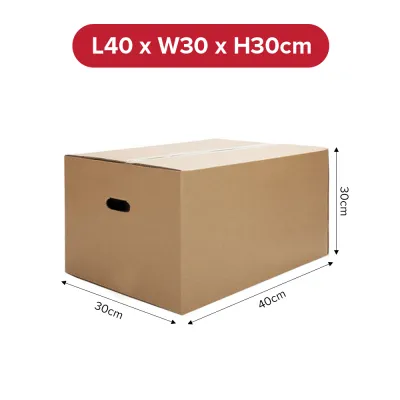
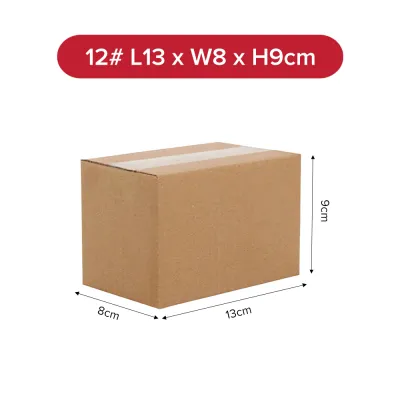
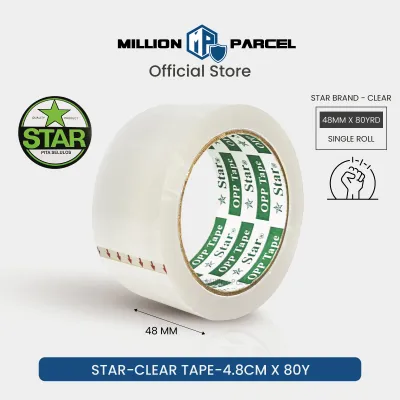
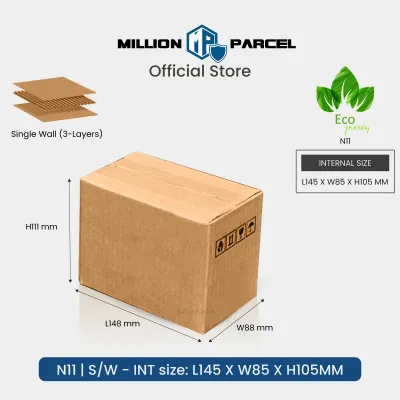
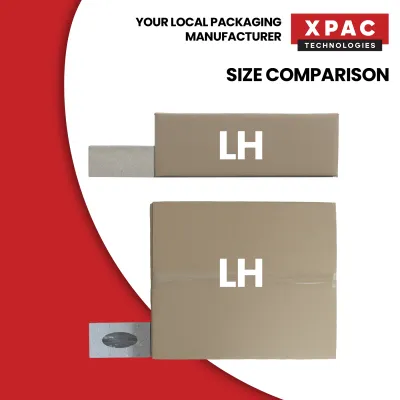
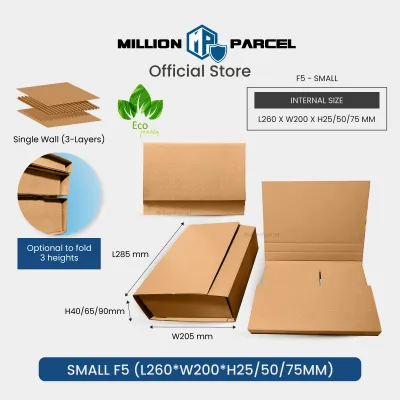
Prices are valid at publication and may change. Please refer to the product page for the latest price.
The weight-to-volume trap is one of the most common pitfalls during residential moves. Packing dense, heavy items into large paper carton boxes makes the container virtually impossible to lift safely and increases the likelihood of structural failure. Standard cardboard boxes lose their rigidity when overloaded, causing the bottom to bow and burst open, which can destroy fragile contents on hard concrete floors. To prevent back injuries and protect your belongings, you must distribute weight logically across a varied mix of box sizes.
Recommended Paper Carton Box Sizes and What to Pack
Selecting the right paper carton box involves matching your household items to specific dimensions, volume capacities, and material strengths. Local packaging suppliers in Singapore typically offer boxes categorized into small, medium, large, extra-large, and specialty designs, with prices generally falling into broad bands. Small boxes typically cost around S$1.50 to S$2.50, medium boxes range from S$3.00 to S$4.50, while large or specialty wardrobe boxes can cost between S$5.00 and S$15.00 depending on cardboard thickness and features.

The ideal box size is determined by the density and fragility of its intended contents rather than just the items’ physical footprint. Cardboard boxes are generally available in single-wall (3-ply) or double-wall (5-ply) construction. Single-wall boxes are suitable for lightweight items, while double-wall boxes provide the necessary crushing resistance and structural integrity for fragile or heavy goods. Before purchasing, verify the ply specifications with your supplier to ensure the boxes can withstand the pressure of being stacked inside a moving truck or lift.
Small Boxes for Heavy and Fragile Items
Small paper carton boxes—typically measuring approximately 30 x 30 x 30 centimeters or 40 x 30 x 30 centimeters—are the safest choice for dense, heavy belongings. Items such as books, documents, files, canned food, hand tools, and small kitchen appliances should always be packed in these compact containers. Keeping heavy items in small boxes ensures that the total weight of each loaded carton remains under 15 to 20 kilograms, which is a safe lifting limit for a single adult.
These boxes are also highly suited for fragile decor, delicate glassware, and small electronics. The restricted volume limits the movement of contents during transit, allowing you to use ample bubble wrap, packing paper, or void fill to cushion the items securely. Because there is less empty space inside a small box, there is also less risk of the sides collapsing when other boxes are stacked on top of it.
Medium Boxes for Everyday Household Goods
Medium boxes, generally measuring approximately 50 x 40 x 35 centimeters, serve as the primary workhorse of any residential move. This versatile size accommodates a wide range of standard household goods that do not fall into extreme weight categories. Most professional moving companies in Singapore utilize this size as their standard unit of measurement when estimating truck volumes.
You can use medium cartons to pack shoes, toys, pots and pans, folded clothing, bedsheets, and miscellaneous living room decor. This size offers the most practical balance between volume and weight, ensuring that the packed box remains structurally stable and easy to carry down long HDB corridors. When packed correctly, a medium box provides sufficient space for everyday items while remaining light enough to be stacked safely on a standard hand trolley.
Large and Extra-Large Boxes for Bulky, Light Items
Large and extra-large paper carton boxes, which often measure 60 x 40 x 40 centimeters or larger, are designed strictly for lightweight, high-volume items. These containers allow you to consolidate bulky goods that would otherwise require dozens of smaller boxes, making your packing process much more efficient.
Appropriate items for these larger sizes include bedding, pillows, winter jackets, towels, cushions, and lightweight linens. You must strictly avoid packing heavy items like books, ceramic dishes, or heavy kitchenware in large boxes. The structural integrity of a large box is not designed to support high-density weight, and attempting to lift an overloaded large box is highly likely to cause the bottom to fail, resulting in damaged items and potential physical injury.
Specialty Boxes for Specific Needs
Certain household items do not fit well or survive transit in standard rectangular boxes. Specialty paper carton boxes are engineered to address these specific challenges, protecting high-value or awkwardly shaped items from damage. Investing in a few specialty cartons can save you significant time and protect expensive belongings.
- Wardrobe boxes: These feature an integrated metal or heavy-duty cardboard hanging bar, allowing you to transfer clothes directly from your closet on their hangers. This design prevents wrinkling, saves hours of folding and unpacking time, and keeps your garments clean during the transition. They are particularly useful for formal wear, suits, and delicate dresses.
- Dish-pack boxes: These are constructed from heavy-duty, double-walled cardboard and often include customizable cellular dividers. These internal compartments isolate individual plates, bowls, and delicate glassware, preventing them from knocking against each other and shattering during transport. They provide a high level of shock absorption, making them essential for expensive dinnerware.
How to Calculate the Right Mix of Boxes for Your Home
Determining the exact number and ratio of paper carton boxes prevents the frustration of running out of supplies mid-pack or overpaying for unused materials. A balanced packing strategy heavily favors medium boxes, supplemented by small boxes for heavy items and a smaller selection of large or specialty cartons. A reliable baseline ratio for a typical Singaporean household is approximately 50% medium boxes, 30% small boxes, and 20% large or specialty boxes.
When estimating room by room, consider the specific nature of the items stored in each space. Kitchens and home offices generally require a higher concentration of small and medium boxes due to the high density of books, files, heavy cookware, and fragile dinnerware. Conversely, bedrooms and living areas require more large boxes and wardrobe cartons to handle bulky bedding, cushions, and clothing.
You must also adjust your estimates based on your specific home type and layout in Singapore:
- 2-Room Flexi or Studio Apartment: Typically requires 15 to 25 boxes, focusing primarily on small and medium sizes.
- 3-Room HDB Flat (approx. 60-65 sqm): Typically requires 30 to 45 boxes, with a balanced mix of small, medium, and a few large boxes.
- 4-Room HDB Flat (approx. 90 sqm): Typically requires 45 to 65 boxes, adjusting for additional family members and kitchen items.
- 5-Room HDB or Executive Flat (approx. 110-120 sqm): Typically requires 70 to 90 boxes, including several specialty wardrobe and dish-pack boxes.
- Condominium Units: Scale your estimate based on the bedroom count and whether you have a bomb shelter (household shelter) or external storage locker packed to the ceiling.
Before ordering your boxes, conduct a thorough inventory of your built-in wardrobes, kitchen cabinets, and storage units. Homes with extensive built-in storage naturally accumulate more belongings, meaning you may need to increase your box estimate by 10% to 15% to account for hidden items.
Packing and Carrying Tips for High-Rise Moves
Securing your paper carton boxes properly is essential for preventing damage in transit. When sealing the bottom of any box, always use the H-tape method: apply one long strip of heavy-duty packing tape along the center seam, followed by two strips along the side edges to seal all open flaps. This reinforcement prevents the bottom from bowing or giving out under pressure, especially when carrying the box over threshold transitions or lift doors.
Proper weight distribution inside the box protects both your items and your body. Place the heaviest items at the absolute bottom of the carton to establish a low center of gravity, and place lighter items on top. Fill any remaining empty spaces with crumpled packing paper, bubble wrap, or clean towels to prevent the contents from shifting or colliding when the box is tilted or stacked.
Navigating long condominium walkways or HDB lift lobbies to your unit door can be physically exhausting. Utilizing a sturdy flatbed utility trolley allows you to stack and transport multiple medium or small boxes simultaneously, saving energy and minimizing the risk of dropping boxes along the way. If you are moving into a condominium, consider using a trolley with silent PVC wheels to avoid noise complaints from neighbors in enclosed corridors.
Clear, systematic labeling is vital for an organized move in shared residential spaces. Write the destination room, a brief summary of the contents, and clear “Fragile” or “Heavy” warnings on at least two sides of each box using a waterproof marker. This practice guides your movers, speeds up the unloading process, and ensures that delicate items are handled with the necessary care, preventing accidents in busy common areas.
Frequently Asked Questions (FAQ)
Can I use free supermarket boxes for my move?
While sourcing free boxes from local supermarkets or grocery stores may seem cost-effective, it introduces several risks. These boxes are often constructed from thin, single-walled cardboard that has already been weakened by humidity, heavy use, or moisture from chilled goods. They may also harbor hidden pests, food residues, or odors. Furthermore, inconsistent box shapes and sizes make secure stacking on trolleys or inside lifts highly difficult, increasing the risk of a stack collapsing during transit. For valuable or fragile household items, investing in clean, purpose-built moving boxes is highly recommended.
How should I dispose of carton boxes after moving in?
Proper disposal of packing materials is essential for maintaining community hygiene in high-rise estates. Once you have unpacked, you must empty, flatten, and fold all paper carton boxes to minimize their volume. Dispose of the flattened cardboard in the designated blue recycling bins located at the void deck of your HDB block or within the recycling chambers of your condominium. Avoid leaving assembled boxes in common corridors, lift lobbies, or stuffing them into general waste chutes, as this creates fire hazards and can cause severe blockages.
Community discussion
Share your experience or ask a question. Comments are reviewed before publication.