
Finding the perfect fit for men’s trousers can be a challenge, especially when weight fluctuations or off-the-rack sizing leave you with a loose waistband. In Singapore’s warm and humid climate, wearing a heavy leather belt can sometimes feel bulky and uncomfortable under lightweight shirts. Pants tightening clips offer a practical, low-profile alternative to keep your trousers securely in place without the bulk of a traditional belt. Whether you are dressing up for a formal business meeting in the Central Business District or styling a casual weekend outfit, selecting the right tightening mechanism ensures both comfort and a clean silhouette.
To choose the best pants tightening clips, you must evaluate the mechanical design, fabric compatibility, and hardware durability. Since these accessories are worn close to the body and undergo constant tension, understanding how different materials and grip styles interact with your wardrobe is essential. By focusing on structural quality and matching the clip to your specific trouser fabric, you can achieve a tailored look without expensive trips to an alteration tailor.
Understanding the Types of Pants Tightening Clips
To find the right solution for your wardrobe, it is helpful to understand the primary categories of pants adjusters available in the market. These range from completely temporary, tool-free accessories to semi-permanent modifications that require minor sewing.
Products mentioned in this guide
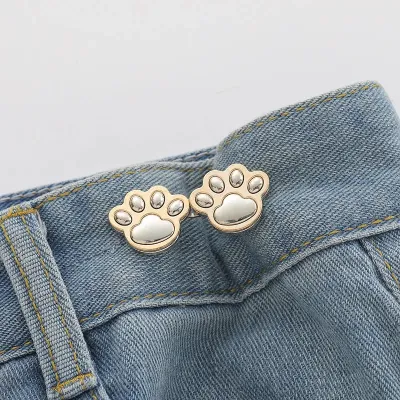
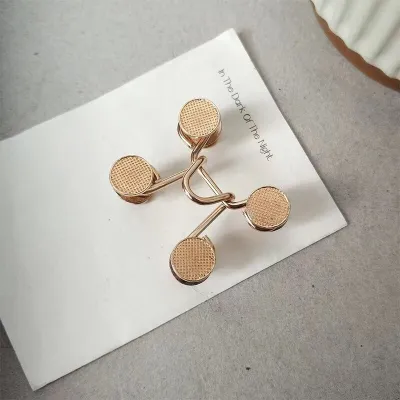
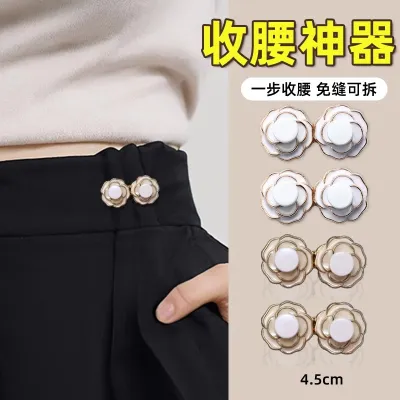
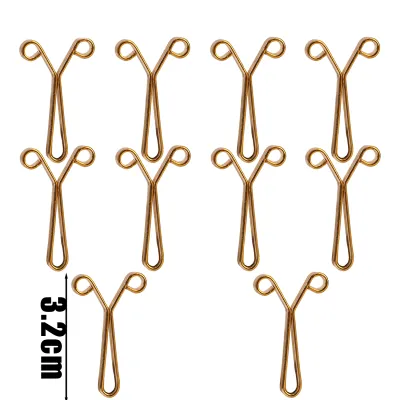
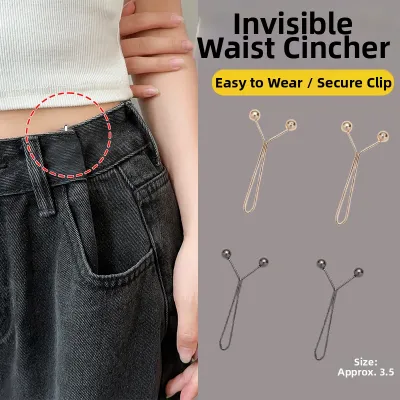
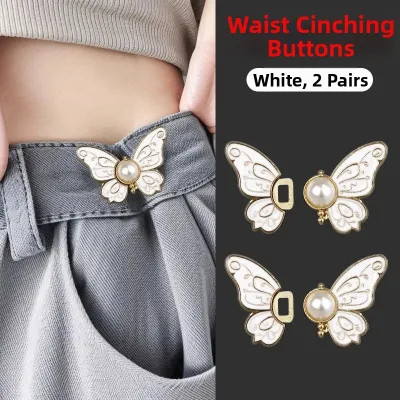
Prices are valid at publication and may change. Please refer to the product page for the latest price.
External clip-on adjusters are among the most common and accessible options. These typically feature two metal or plastic grips connected by a short, high-tension elastic strap. You attach one grip to the waistband, pull the strap to create tension, and secure the second grip further along the band. This immediately cinches the excess fabric at the sides or back. Because they require no sewing or permanent alterations, they are highly versatile and can be swapped between different pairs of trousers in seconds.
Button-on adjusters offer a more secure and traditional hold that mimics classic tailoring. This system involves sewing small, flat buttons onto the inside of your trouser waistband. An elastic strap with pre-cut buttonholes is then secured across these buttons, allowing you to adjust the tension by choosing different holes. While this method requires a basic needle-and-thread setup, it keeps the adjustment mechanism completely hidden from view, preserving the clean exterior lines of your trousers.
Built-in side adjusters or buckles represent a more permanent, tailored approach. These are typically fabric straps sewn directly into the side seams of the waistband, paired with metal slide buckles. While they are usually integrated during the manufacturing or professional tailoring process, some advanced DIY kits allow you to retroactively install them. They provide a seamless, high-end aesthetic that is highly favored for formal suit trousers and smart-casual chinos.
Temporary no-sew solutions, such as pin-based cinches or adhesive tabs, are designed for emergency or short-term use. Pin-based adjusters work similarly to safety pins or brooch backs, piercing the fabric to hold a fold in place. While incredibly fast to apply, they concentrate all the tension on a single point of the fabric, making them less suitable for long-term wear or delicate materials. Adhesive tabs, on the other hand, use fabric-safe glues to temporarily bond overlapping sections of the waistband, though their hold can weaken quickly in humid weather or during active movement.
Key Features to Evaluate Before Buying
When shopping for pants tightening clips, focusing on specific physical and functional attributes will help you select a product that lasts and protects your clothing.

Grip strength and teeth design are critical for external clip-on adjusters. The clip must hold firmly under the tension of your movement without slipping off the waistband. However, aggressive metal teeth can easily slice through fabric fibers or snag delicate threads. Look for clips that feature protective plastic or silicone inserts inside the jaws. These inserts provide a high-friction grip that holds the fabric securely while acting as a soft barrier to prevent direct metal-on-fabric damage.
Elasticity, stretch recovery, and strap width determine how comfortable the adjuster will feel throughout the day. A strap that is too narrow can cut into your waist or twist uncomfortably under tension. Opt for straps that are at least 1.5 to 2 centimeters wide to distribute the pressure evenly. Additionally, high-quality elastic should offer firm resistance rather than loose stretch; it must recover its original shape fully after being pulled, ensuring the trousers do not sag after a few hours of wear.
Hardware quality and rust resistance are particularly important in Singapore’s tropical climate. High humidity and perspiration can cause low-grade metals to rust quickly, which can permanently stain your trousers or irritate your skin. Prioritize hardware made from stainless steel, brass, or coated alloys that resist corrosion. Ensure all metal edges are polished smooth, with no sharp burrs that could catch on your shirts or scratch your skin.
Adjustability range and ease of operation dictate how user-friendly the clips are in daily life. The tension mechanism should be easy to adjust with one hand, allowing you to loosen the waistband slightly when sitting down and tighten it when standing up. Slide buckles or multi-button elastic straps offer the most precise control, allowing you to fine-tune the fit to your exact comfort level.
Matching the Clip to Your Trouser Fabric and Style
Not all pants tightening clips work equally well on every garment. Matching the weight and style of your trousers to the appropriate adjuster is key to maintaining both comfort and fashion.
Heavyweight fabrics like denim, canvas, and thick wool trousers require robust adjusters. Because these materials are dense and heavy, they exert significant pull on any tightening mechanism. For these garments, choose heavy-duty external clips with wide elastic straps and strong metal clamps. The thick fabric of jeans can easily withstand the pressure of metal teeth, and the casual style of denim means that visible external clips often blend in seamlessly with a rugged aesthetic.
Lightweight or delicate fabrics such as linen, fine cotton, and lightweight suit trousers demand a much gentler touch. Heavy metal clips will weigh down these fabrics, causing unsightly sagging and potentially tearing the delicate weave. For smart-casual linen trousers or formal suit pants, button-on adjusters or built-in side buckles are highly recommended. If you must use an external clip, ensure it is lightweight, features smooth plastic jaws, and uses a soft, low-tension elastic strap.
Formal versus casual styling should guide where and how you position the adjusters. For formal business wear or black-tie events, any visible external clip is generally considered a style misstep. In these scenarios, hidden button-on adjusters or built-in side buckles are the standard, as they keep the waistband looking clean and uncluttered. For casual outings, external clips can be worn discreetly at the back of the waistband, hidden beneath an untucked shirt or a light jacket.
Color matching and hardware finishes help integrate the accessory into your overall look. If your adjusters have visible metal parts, try to match the metal finish (such as silver, gold, or gunmetal) with your watch, shoe buckles, or other accessories. For the elastic straps, choosing neutral colors like black, navy, or beige that match or closely complement the color of your trousers will make the clips far less noticeable if your shirt rides up.
How to Build Your Shortlist When Shopping Online or In-Store
Finding reliable pants tightening clips in Singapore requires a methodical approach, whether you are browsing local haberdashery shops in neighborhoods like Chinatown or searching online marketplaces.
Verify product dimensions and specifications before making a purchase. Do not rely solely on product photos, which can often make items look larger or sturdier than they are. Check the listed strap width, maximum stretch length, and the maximum thickness the clip jaws can accommodate. Ensure the clip opening is wide enough to fit over the folded fabric of your specific trouser waistbands, which are often thicker than the rest of the pants.
Analyze user reviews for structural performance rather than just overall star ratings. Look for specific feedback regarding long-term grip reliability, elastic degradation, and hardware durability. Reviews that mention clips slipping off during movement, elastic losing its stretch after a few weeks, or metal parts rusting after washing are clear indicators of low-quality manufacturing.
Confirm return and exchange policies to protect your purchase. Because the compatibility of a clip depends heavily on the unique thickness and stiffness of your trouser waistbands, there is always a chance a specific design might not work for you. Shopping from sellers or local stores that offer straightforward return or exchange policies ensures you can test the fit risk-free.
Compare multi-packs against premium single pairs based on your usage needs. Whether you are spending a few S$ on a basic multi-pack of standard elastic clips or investing in a premium set, choose based on your wardrobe requirements. If you plan to use adjusters across multiple pairs of everyday casual trousers, a cost-effective multi-pack may be the most practical choice. However, if you need a highly reliable, discreet solution for a few high-end suit trousers, investing in a single pair of premium, heavy-duty button-on adjusters or a professional side-buckle kit is often the better long-term decision.
Proper Usage and Maintenance for Longevity
To get the most out of your pants tightening clips and protect your wardrobe from unnecessary wear, proper application and care are essential.
Correct placement and spacing on the waistband are crucial for an even fit. When using external clips, avoid placing them too close together, as this concentrates the tension in one small area and causes the fabric to bunch up awkwardly. Instead, position the clips symmetrically on either side of your hips or across the back of the waistband. This distributes the tension evenly around your waist, keeping the trousers flat against your body and preventing fabric distortion.
Always remove external clips before washing your trousers. Leaving metal or elastic adjusters attached during machine washing, dry cleaning, or ironing can cause severe damage. The agitation of the washing machine can bend the metal clips, ruin the elastic fibers, or cause the metal teeth to snag and tear the trouser fabric. Furthermore, the high heat of an iron or dryer can melt plastic components and degrade the elasticity of the straps.
Perform routine inspections of your adjusters to catch wear and tear early. Periodically check the metal teeth for any signs of bending or rust, and test the spring tension to ensure the clips still close tightly. Inspect the elastic strap for loose threads, fraying edges, or areas where the rubber strands inside have snapped. Replacing a worn-out adjuster early prevents the sudden embarrassment of a clip failing while you are out.
Store your clips safely when they are not in use. Avoid tossing them loosely into a drawer where the metal teeth can snag on delicate clothing like knitwear or silk ties. Instead, keep them in a small pouch, a dedicated compartment in your wardrobe, or clipped onto a thick piece of cardboard. This simple habit keeps the hardware organized, dry, and free from dust.
Frequently Asked Questions (FAQ)
Can pants tightening clips damage my trousers?
Yes, pants tightening clips can damage your trousers if they are used incorrectly or if the clip design is unsuitable for the fabric. Sharp metal teeth can cut through delicate threads, leading to fraying or small holes over time. To prevent this, always choose clips with protective silicone or plastic inserts that cushion the fabric. For very delicate materials like silk, linen, or fine wool, avoid external metal clips entirely and opt for gentle button-on adjusters or professional tailoring.
Are built-in side adjusters better than external clip-on adjusters?
Built-in side adjusters are generally better for formal wear and tailored trousers because they are completely hidden, maintaining a clean and sophisticated look. They also distribute tension evenly along the side seams without risking fabric damage. However, external clip-on adjusters offer unmatched convenience and versatility for casual wear. They require no sewing or permanent alterations, can be easily transferred between different pairs of pants, and are a highly cost-effective solution for shared or temporary wardrobes.
Community discussion
Share your experience or ask a question. Comments are reviewed before publication.