
Selecting the right pants hooks for sewing and garment repair in Singapore involves matching the hardware to your fabric’s weight, the waistband’s structural design, and the local tropical climate. Because high humidity and perspiration can accelerate metal oxidation, choosing rust-resistant materials like solid brass or stainless steel is essential for long-lasting garments. Whether you are tailoring a lightweight linen trouser for weekend wear or reinforcing a structured office suit, the correct fastener ensures a flat, secure closure that maintains the garment’s clean lines.
The two primary attachment methods—sew-on and no-sew (prong or hammer-on)—each serve distinct purposes based on your skill level and fabric type. Sew-on hooks offer excellent adjustability and are gentle on delicate textiles, making them a favorite for custom tailoring and repairs. No-sew fasteners, on the other hand, provide a clean, factory-like finish on dense, stable fabrics but require precise placement and specialized tools. Understanding these differences allows you to make an informed decision that preserves both the function and appearance of your clothing.
Understanding Different Types of Pants Hooks
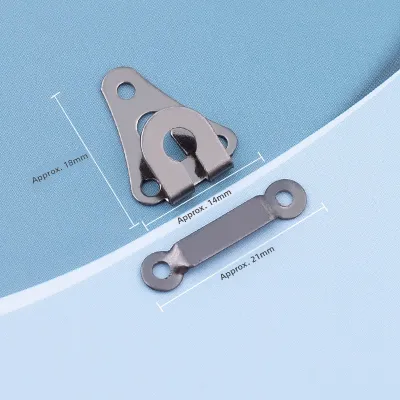
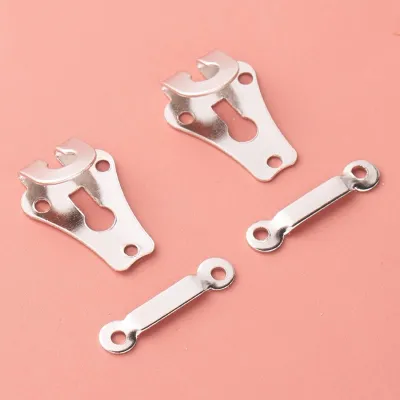
Standard metal hooks and bars are the traditional flat closures found on most tailored trousers and formal pants. They consist of a flat, wide hook that slides horizontally into a matching straight bar, creating a secure connection that lies completely flat against the waistband. This flat profile is crucial for preventing bulk at the front of the trousers, ensuring that belts and waistbands sit smoothly against the body. They are highly suited for medium to heavy fabrics such as denim, canvas, and structured wool blends.
Products mentioned in this guide
![[10Pairs] Sewing Metal Hooks For Pinafore/T-shirt/Skirts/Pants](https://img.lazcdn.com/g/p/57b877c92e16d8b1c8fc42271913db46.jpg_400x400q80.jpg_.webp)
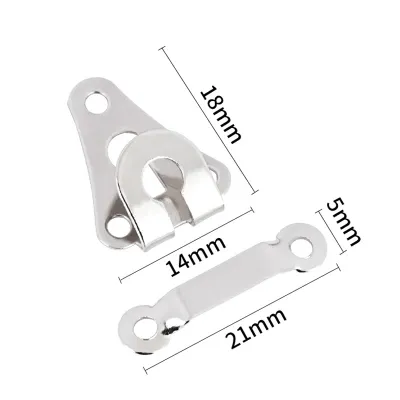
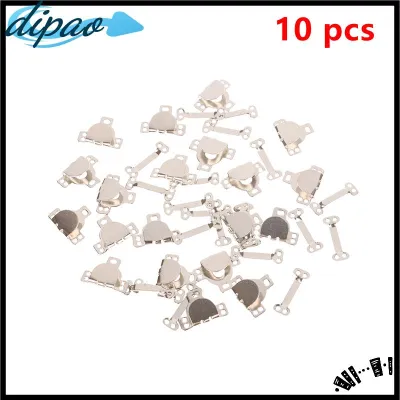
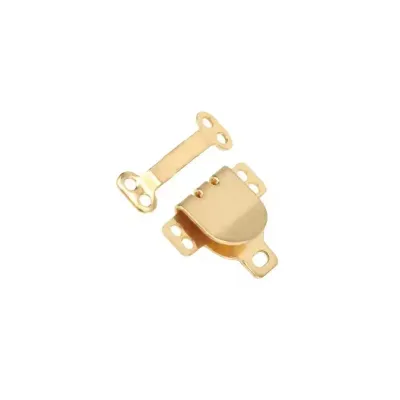
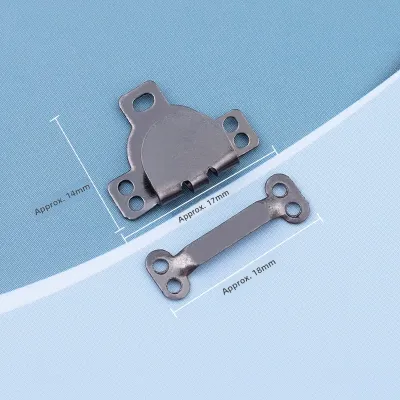
Prices are valid at publication and may change. Please refer to the product page for the latest price.
For garments where aesthetics are paramount and hardware must remain hidden, invisible or concealed hooks are the preferred choice. These fasteners are typically sewn onto the inside facing of the waistband overlap, ensuring that no metal is visible from the outside of the garment when fastened. They are commonly used in high-end formal wear, evening trousers, and lightweight skirts where a visible metal clasp would disrupt the clean, uninterrupted flow of the fabric.
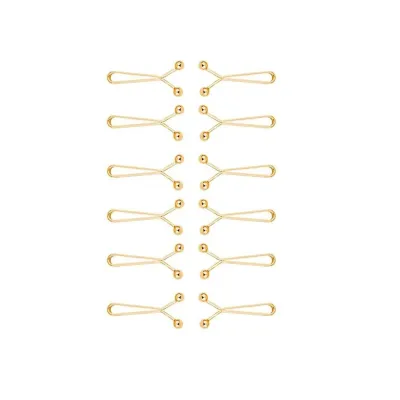
When your project requires a continuous, flexible closure along an extended waistband, skirt, or dress, hook and eye tape offers an efficient solution. This notion consists of a series of small hooks and eyes pre-spaced and securely stitched onto a durable fabric tape. Instead of sewing individual metal pieces one by one, you sew the entire tape directly into the seam allowance. This method distributes the physical tension evenly along the closure, preventing the fabric from gaping or pulling unevenly during movement.
For utility garments, workwear, or activewear that undergoes significant physical stress, standard hooks may not provide sufficient security. Heavy-duty clasps and snap hooks feature robust metal constructions, often with spring-loaded mechanisms or locking designs that prevent accidental unfastening. These are ideal for cargo pants, outdoor gear, or children’s clothing where the waistband must withstand constant stretching, bending, and active use without popping open.
Key Selection Criteria for Your Sewing Project
The relationship between your fabric’s weight and the hardware’s mass is critical to the success of your sewing project. Lightweight fabrics like linen, silk, or fine cotton can easily sag, tear, or develop unsightly bulges if paired with heavy, bulky metal hooks. Conversely, a delicate, thin hook will bend or fail to stay closed when installed on a thick, structured waistband. Always match the physical scale and weight of the hook to the drape of the fabric to ensure the waistband retains its intended shape.

The waistband is one of the highest-stress areas of any garment, subjected to constant pulling forces when sitting, bending, or walking. Before selecting a hook, assess the amount of tension the closure will experience. High-tension waistbands require a thicker metal gauge and a wider bar to distribute the load across a larger surface area. If the waistband is narrow or lacks structural stiffness, you must plan to reinforce the area with internal stabilizers to prevent the metal from tearing through the fabric fibers over time.
Choosing between sew-on and no-sew (prong or hammer-on) hooks depends largely on your fabric’s delicacy and your access to specialized tools. Sew-on hooks are highly versatile, adjustable, and completely reversible, making them ideal for delicate fabrics and custom tailoring where minor adjustments may be needed later. No-sew hooks utilize sharp metal prongs that pierce through the fabric layers and bend flat, or a rivet-style hammer-on mechanism. While they offer a highly secure, professional finish, they are permanent and can easily slice through or ruin delicate, loosely woven, or knit fabrics.
Pants hooks are available in a variety of metal finishes, including polished nickel, antique brass, gunmetal, and black oxide. It is important to match the finish of your hook to the existing hardware on your garment, such as the zipper teeth, buttons, or decorative rivets. Furthermore, because these fasteners sit close to the body, check for nickel-free or hypoallergenic coatings to prevent skin irritation during prolonged contact, especially in Singapore’s hot and humid weather where sweat can exacerbate metal allergies.
Sourcing Sewing Notions and Haberdashery
Shopping at physical fabric and haberdashery stores in Singapore’s traditional textile districts, such as Chinatown or neighborhood craft shops, offers a distinct advantage. It allows you to physically inspect the metal quality, feel the weight of the hardware, and test the tension of the hook-and-bar connection before purchasing. Bringing a scrap piece of your project fabric to the store enables you to hold the hardware against the material, ensuring an exact match in size, weight, and color.
For a wider selection of specialized tailoring supplies, general online marketplaces and dedicated craft e-commerce platforms are excellent resources. When shopping online, it is crucial to read customer reviews, check seller ratings, and scrutinize the product descriptions for material specifications. Look for listings that explicitly state the metal composition, such as “solid brass” or “stainless steel,” to avoid purchasing cheap, brittle alloy hooks that may snap under tension or rust quickly in humid conditions.
If you are facing an emergency repair or need a quick, basic solution, local supermarkets and department stores often stock pre-packaged sewing notions and emergency repair kits. These kits typically contain standard-sized sew-on hooks and eyes, along with basic threads and needles. While highly convenient for immediate fixes, these pre-packaged options may lack the variety, specialized sizes, or heavy-duty durability required for custom tailoring or high-stress garments.
When budgeting for your sewing notions, standard multipacks of basic pants hooks generally range from S$2 to S$8, depending on the quantity and brand. Specialized tailoring supplies, imported heavy-duty fasteners, or bulk packs for large projects may carry a higher price tag. Regardless of the cost, always verify the package labels for rust-resistance claims; in Singapore’s tropical, humid climate, investing a few extra dollars in high-quality, non-corrosive hardware will protect your garments from permanent rust stains.
Best Practices for Attaching and Reinforcing Hooks
The longevity of a sew-on pants hook depends heavily on the thread used to secure it. Standard all-purpose sewing thread can quickly wear down and snap when rubbed against the sharp edges of metal hardware. To ensure a lasting hold, use heavy-duty polyester thread, buttonhole twist, or upholstery thread. These specialized threads offer superior tensile strength and abrasion resistance, keeping your hardware firmly attached through countless wear and wash cycles.
Sewing a pants hook directly onto a single layer of fashion fabric is a recipe for structural failure. To distribute the physical tension and prevent the fabric from tearing, always reinforce the waistband area with a stabilizer. Placing a small piece of fusible interfacing, twill tape, or grosgrain ribbon behind the fabric layers before attaching the hook provides a solid foundation that absorbs the pulling forces, keeping the waistband crisp and flat.
When installing concealed or invisible hooks, maintaining a clean, professional exterior requires careful hand-stitching techniques. To keep your stitches completely hidden on the right side of the garment, catch only the inner facing of the waistband or the internal seam allowance with your needle. Avoid piercing through the outermost layer of fabric. Use a small, tight whipstitch or a secure buttonhole stitch around the sewing loops of the hook to lock it firmly in place without leaving visible thread marks on the outside.
While many garment repairs and sewing projects can be completed successfully at home, it is important to recognize your limits. If you are working with highly delicate fabrics like silk satin, heavily frayed vintage waistbands, or thick leather garments, attempting a DIY hook installation can cause irreversible damage. A professional tailor possesses the specialized industrial machinery, heavy-duty setting tools, and structural expertise required to rebuild and reinforce compromised waistbands safely.
Frequently Asked Questions (FAQ)
How do I prevent a metal pants hook from rusting after washing?
To prevent rust, always choose pants hooks made from non-ferrous metals such as solid brass, stainless steel, or high-quality nickel-plated copper. When laundering your garments, avoid leaving them damp in the washing machine for extended periods; instead, hang them to dry promptly in a well-ventilated area. If you must use iron-based hardware, consider dry-cleaning the garment or removing detachable versions before washing to minimize exposure to moisture and prevent unsightly orange stains on your fabric.
Can I replace a sew-on hook with a no-sew hammer-on hook?
Replacing a sew-on hook with a no-sew hammer-on hook is possible, but it requires careful consideration of your fabric’s structural integrity. No-sew hooks require piercing the waistband with sharp metal prongs, which creates permanent holes in the material. While this modification is highly secure and durable on sturdy, tightly woven fabrics like denim, canvas, or heavy wool, it can easily slice through or tear delicate, loosely woven, or knit fabrics. Always ensure the waistband is sufficiently reinforced before proceeding with a hammer-on installation.
What should I do if the hook keeps slipping open during wear?
If your pants hook keeps slipping open, the most common cause is misalignment between the hook and the bar, which prevents the tension from distributing evenly. Inspect the placement of both components and adjust the bar slightly further back to increase the tension across the waistband when fastened. Additionally, check the metal hardware for physical wear; if the hook has bent outward or the bar has stretched over time, you can use a pair of small pliers to gently squeeze the metal back into its original, secure shape.
Community discussion
Share your experience or ask a question. Comments are reviewed before publication.