
Selecting the right pants hem tape requires matching the adhesive’s physical properties to the weight, weave, and heat tolerance of your fabric. A heavy denim requires a high-bonding, thick fusible web that can penetrate dense cotton fibers, while a delicate chiffon demands an ultra-thin, low-temperature adhesive that preserves the fabric’s natural drape without bleeding through. Wool, with its textured and springy fibers, needs a flexible yet strong bond that can withstand steam and dry cleaning. Using the wrong tape can result in stiff, puckered hems, visible adhesive stains, or a bond that falls apart during the first wash.
To achieve a secure and virtually invisible hem, you must evaluate three primary factors: the adhesive’s activation method, the thickness of the tape, and how the bonded area responds to movement. Fusible hem tapes rely on heat-activated polymers—such as polyamide, polyester, or polyurethane—to melt and fuse two layers of fabric together. For garments that cannot tolerate heat, pressure-sensitive double-sided fabric tapes offer a cold-application alternative, though they generally provide a temporary hold compared to their heat-fused counterparts. By understanding these material dynamics, you can confidently select a hem tape that keeps your trousers looking professionally tailored.
Matching Hem Tape Properties to Fabric Weight and Texture
The success of a no-sew hem depends on the relationship between the adhesive polymer and the structure of the textile. Dense, tightly woven fabrics have low porosity, meaning the adhesive must be strong enough to grip the surface fibers without needing to sink deeply into the yarn. Conversely, loose or highly porous weaves allow adhesives to flow easily through the spaces between threads. If the adhesive is too fluid or applied in excess, it will seep through to the right side of the garment, creating permanent, unsightly shiny patches.
Products mentioned in this guide
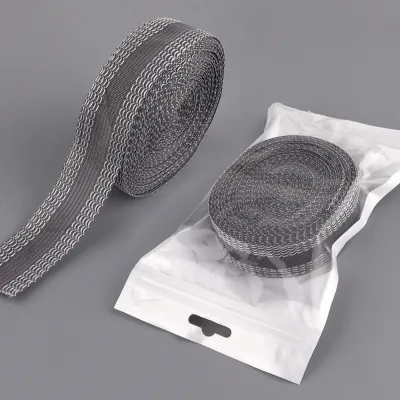
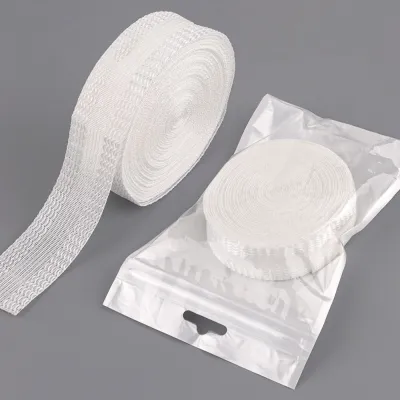
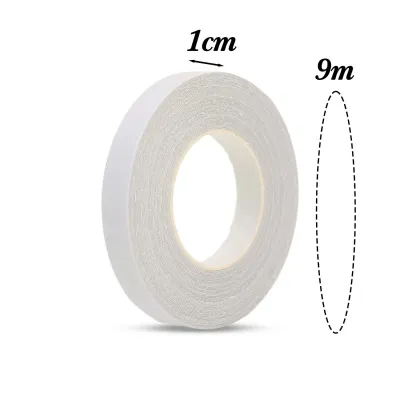
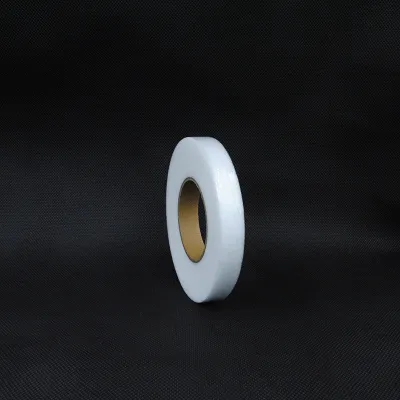
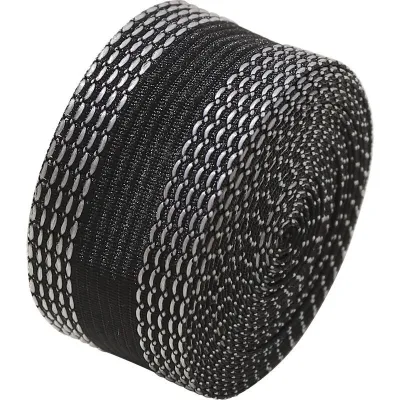
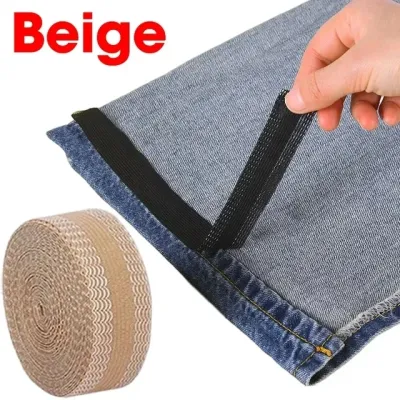
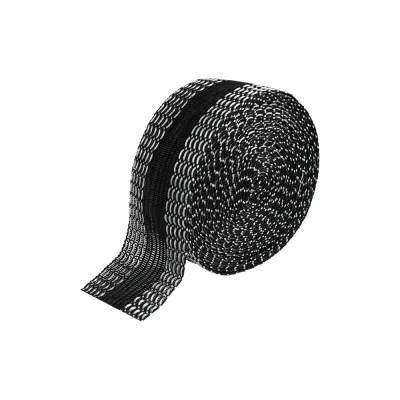
Prices are valid at publication and may change. Please refer to the product page for the latest price.
Tape thickness directly influences how the hemmed edge behaves when you walk or sit. A thick, heavy-duty fusible web adds structural rigidity to the hem line. While this stiffness is desirable for maintaining the crisp shape of heavy trousers, it is disastrous for lightweight, flowing garments. If a stiff tape is applied to a fluid fabric, the hem will flare outward or buckle, destroying the natural silhouette of the clothing. For fluid fabrics, the adhesive layer must be incredibly thin and flexible, acting as a soft interface rather than a rigid support.
Heat activation thresholds represent another critical compatibility checkpoint. Different adhesive polymers melt at different temperatures. Polyamide-based fusible webs typically melt at moderate temperatures, making them highly versatile for a wide range of natural and synthetic blends. Polyester-based adhesives often require higher temperatures but offer increased resistance to washing and dry cleaning. Before applying any heat-activated tape, you must verify that your fabric can safely withstand the temperature required to melt the adhesive. If the fabric’s melting point is lower than the tape’s activation point, the textile will scorch, glaze, or melt before the bond can form.
Selecting Hem Tape for Heavy Fabrics Like Denim and Wool
Heavyweight fabrics such as denim, canvas, and thick wool trousers present unique challenges due to their thickness, weight, and surface texture. The sheer weight of a heavy hem puts constant downward tension on the adhesive bond, especially when walking or stepping up. To counteract this gravity, you need a heavy-duty, double-sided fusible web tape. These tapes feature a dense concentration of adhesive, often reinforced with a light mesh or scrim that remains embedded within the glue line to provide structural integrity and prevent the layers from shearing apart.

For these thick materials, a wider tape—typically between 20mm and 25mm—is highly recommended. The increased surface area distributes the weight of the hem more evenly, reducing the stress on any single point of the bond. When working with textured wools, the adhesive must be thick enough to fill the microscopic gaps between the lofted fibers. A thin, lightweight tape will only touch the tips of the wool fibers, resulting in a weak bond that easily peels away under minimal tension.
Activating adhesive through thick layers of denim or wool requires a combination of high heat, firm downward pressure, and moisture. Because these fabrics act as thermal insulators, a dry iron often fails to heat the adhesive in the middle of the fold to its melting point. Using a steam iron, or placing a damp pressing cloth over the hem, helps conduct the heat rapidly through the thick fabric layers. You must press down firmly without moving the iron back and forth, holding it in place for 15 to 20 seconds per section to ensure the heat fully penetrates and liquefies the adhesive core.
It is important to note the limitations of fusible tapes on specialized fabric finishes. Many modern denim jeans and outdoor wool trousers are treated with water-resistant coatings, silicone softeners, or oil-repellent finishes. These chemical treatments prevent the melted adhesive from wetting and bonding with the underlying fibers. If your garment has a slick, highly synthetic feel or water visibly beads on its surface, standard fusible hem tapes may fail to adhere. In these cases, washing the garment multiple times to strip away temporary factory finishes is necessary before attempting to apply the tape.
Selecting Hem Tape for Delicate Fabrics Like Chiffon
Delicate fabrics such as chiffon, silk, organza, and lightweight synthetics require an entirely different approach to hemming. These materials are prized for their sheer appearance, light weight, and fluid drape. Standard fusible tapes are far too heavy and rigid for these textiles, turning a soft, flowing hem into a stiff, unnatural ring. To preserve the delicate qualities of chiffon, you must use an ultra-thin, lightweight fusible web, often referred to as gossamer or fine-weight fusible thread tape.
These specialized lightweight tapes contain a minimal amount of adhesive polymer, designed to create a micro-bond that holds the delicate layers together without adding bulk. Because chiffon is highly transparent, any excess adhesive will immediately show through as a dark or shiny stain on the face of the fabric. To prevent this bleed-through, you must use the tape sparingly and ensure it is perfectly centered within the hem fold, leaving a small margin at the top and bottom of the fold where the adhesive cannot squeeze out when compressed.
Heat sensitivity is a major risk factor when working with delicate synthetics like polyester chiffon. High heat can instantly shrivel, melt, or discolor these fibers. When applying fusible tape to delicate fabrics, set your iron to a low or medium-dry setting, and always place a dry, lightweight cotton pressing cloth between the iron and the garment. The pressing cloth acts as a thermal buffer, distributing the heat evenly and preventing direct contact with the hot metal plate. The application time should be brief—typically only 5 to 8 seconds—just enough to melt the low-temperature adhesive without overheating the fabric.
For extremely heat-sensitive or sheer fabrics where any heat application poses a risk, a high-quality, double-sided pressure-sensitive fabric tape is an excellent alternative. These tapes do not require an iron; they rely on a strong, flexible acrylic adhesive that bonds instantly upon firm finger pressure. While pressure-sensitive tapes are highly convenient and avoid the risk of heat damage, they are generally less resistant to repeated machine washing than heat-fused webs. They are best suited for garments that are dry-cleaned, hand-washed, or intended for occasional wear.
Application and Verification for a Secure, Invisible Hem
Tailoring a professional, long-lasting hem with tape requires careful preparation and a systematic application process. Before you begin, always wash and dry the garment. New clothing often contains sizing agents, starch, or chemical finishes that prevent adhesives from sticking properly. Washing removes these barriers, ensuring the tape bonds directly to the clean textile fibers. Once dry, iron the hem area flat to remove any wrinkles or creases that could distort the final hem line.
Measure and fold the hem to your desired length, pressing the fold crease firmly with an iron to create a sharp, clean guide line. Unfold the hem slightly and place the hem tape inside the fold, positioning it about 2mm to 3mm away from the raw edge of the fabric. This slight offset prevents the adhesive from oozing past the edge of the fabric during pressing, which would otherwise stick to your iron or create a sticky residue on the outside of the pants. If your tape has a paper backing, place the adhesive side down against the fabric, press lightly with a warm iron to adhere it, let it cool, and then peel away the paper backing to expose the top adhesive layer before folding the hem back over.
When applying the final heat, always use a pressing cloth to protect the garment’s surface from heat damage and shine. Place the iron directly onto the pressing cloth over the hem area, apply firm, even downward pressure, and hold it still. Do not slide the iron back and forth as if you are ironing out wrinkles; sliding can shift the tape inside the fold, causing the hem to bunch, warp, or become crooked. Lift the iron completely, move to the next section, overlap the previous section slightly, and repeat the pressing process until the entire hem is fused.
After pressing, resist the temptation to move, try on, or pull at the pants immediately. The adhesive polymer is still in a semi-liquid, molten state while warm. If you disturb the fabric before it cools, you will disrupt the bonding process, leading to premature peeling. Lay the garment flat on a cool surface and let it rest undisturbed for at least 15 to 20 minutes until it reaches room temperature. Once cooled, perform a gentle peel test by lightly tugging at the folded edge. If any section pulls apart easily, reapply heat and pressure with the iron and pressing cloth, ensuring you hold it in place long enough for the heat to fully penetrate the layers.
Frequently Asked Questions (FAQ)
Can pants hem tape survive machine washing?
Yes, many pants hem tapes are designed to withstand machine washing, but their durability depends entirely on the adhesive formulation and proper application. Permanent fusible web tapes made from polyamide or polyester are highly resistant to water and heat, allowing them to survive repeated wash cycles. To ensure the bond remains intact, you should wash the garment in cool or warm water on a gentle cycle and avoid high-heat dryer settings, which can soften the adhesive and cause the hem to separate. Always check the tape manufacturer’s packaging for specific wash-temperature limits, and compare them with the garment’s care label. Temporary or wash-away tapes, on the other hand, are designed to dissolve in water and will not survive a wash cycle; these are intended only for temporary basting or fitting.
How do you safely remove hem tape residue from fabric?
To safely remove hem tape residue without damaging the fabric, you must carefully reactivate the adhesive using controlled heat. Place a clean, absorbent cotton cloth or a piece of brown paper bag directly over the sticky residue, then press a warm iron over the cloth for several seconds. The heat will melt the adhesive, causing it to transfer from the garment fibers onto the absorbent cloth or paper. For stubborn residue on sturdy fabrics like denim or cotton, you can apply a small amount of commercial adhesive remover or rubbing alcohol to a cotton swab and gently dab the area, checking for colorfastness on an inconspicuous inside seam first. Never scrape the adhesive with sharp tools, as this can tear the delicate fibers of fabrics like chiffon or wool.
Community discussion
Share your experience or ask a question. Comments are reviewed before publication.