
Choosing the right pants clip is a critical decision that directly affects the quality, speed, and precision of your garment alterations. While traditional straight pins have long been the default tool for holding fabric layers together, they frequently fall short when dealing with modern tailoring challenges. Pins can bend when forced through heavy denim, leave permanent puncture holes in delicate synthetic blends, and distort the flat alignment of thick waistbands. A specialized pants clip solves these issues by clamping fabric layers securely without piercing the fibers, ensuring that your hems, seams, and waistbands remain perfectly aligned throughout the sewing process.
To select the ideal pants clip for your tailoring kit, you must evaluate the tool’s material composition, physical dimensions, and spring tension against the specific weight and vulnerability of your fabric. Using the wrong clip can lead to frustrating setbacks, such as fabric slippage under the presser foot or permanent pressure marks on fine wool trousers. By understanding how different clip designs interact with various textiles, you can streamline your workflow, protect your materials, and achieve professional-grade results on every pant alteration project.
Quick Guide: Matching Pants Clips to Your Tailoring Tasks
To achieve the best results in your tailoring projects, you must match the physical characteristics of your pants clip to the weight of the garment fabric. Heavy, rigid textiles require high clamping force and wide physical profiles to prevent shifting, while lightweight, delicate materials demand gentle, flat-surfaced fasteners that will not crush or snag the delicate weave.
Products mentioned in this guide
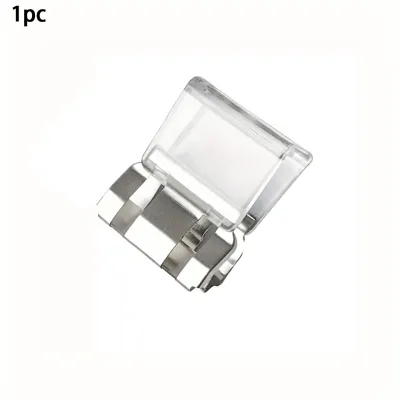
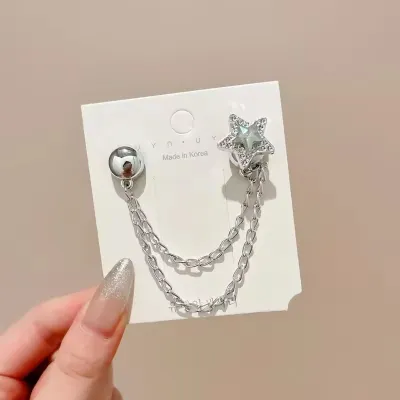
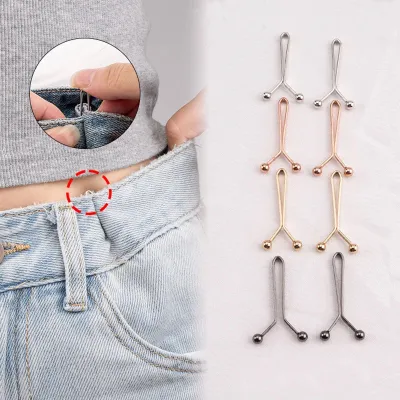
Prices are valid at publication and may change. Please refer to the product page for the latest price.
- Heavy Denim and Workwear: Require wide-base plastic binding clips or rigid stainless steel hem clips with high-tension springs. These tools provide the necessary force to compress bulky side seams and keep thick folds completely flat as they feed across the sewing machine bed.
- Delicate Dress Trousers and Suiting: Require narrow, low-tension metal clips or smooth plastic clips with rounded edges and flat clamping plates. These designs minimize the risk of leaving permanent fiber indentations or snagging fine wool, silk, or synthetic threads.
- Complex Waistband and Rise Alterations: Require jumbo wide-mouth alteration clips with deep jaw capacities. These specialized fasteners can hold four to six layers of heavy fabric securely without popping open or slipping out of alignment during handling.
By keeping these primary pairings in mind, you can quickly assess your project requirements and select a fastening tool that ensures both fabric security and material safety.
Key Features to Evaluate When Choosing Sewing Clips
Before purchasing pants clips for your sewing kit, it is important to understand the specific engineering details that differentiate professional-grade tailoring tools from generic household fasteners. Evaluating these physical attributes allows you to predict how a clip will perform under the pressure of a sewing machine presser foot and how it will interact with different textile structures.

Material: Plastic vs. Metal
The material composition of a pants clip determines its durability, weight, and suitability for different fabric types. High-quality plastic clips, typically molded from acrylonitrile butadiene styrene (ABS) or nylon, are highly favored for general tailoring. These materials are completely rustproof, lightweight, and inherently gentle on delicate fibers because they lack sharp metal edges. In Singapore’s humid tropical climate, plastic clips offer the added benefit of maintenance-free storage, as they will not degrade or corrode when kept in sewing baskets over long periods.
In contrast, metal pants clips, usually constructed from stainless steel, offer a much thinner physical profile and a significantly higher clamping force. The slim design of a metal clip allows it to slide easily close to the sewing machine’s presser foot, providing exceptional precision for tight seams. However, metal clips require careful inspection to ensure that the edges are perfectly polished and deburred. Rough metal edges can easily slice through delicate silk linings or snag fine wool suiting, and low-grade metal alloys may rust if exposed to residual moisture or high humidity.
Size and Jaw Width
The physical dimensions of a clip, particularly its jaw width and throat depth, dictate the volume of fabric it can securely hold. Standard sewing clips feature a jaw width of approximately 10mm, which is highly effective for holding standard double-fold hems on lightweight trousers, chinos, and summer linens. These compact dimensions allow you to place multiple clips close together around a curved hemline without adding excessive weight that could distort the drape of the fabric as you sew.
For heavy-duty projects, wide jaws measuring 15mm to 20mm or more are essential. Wide-jaw clips distribute the clamping pressure over a larger surface area, preventing thick fabrics like denim, corduroy, or heavy wool from twisting or sliding out of the clip’s grasp. Additionally, many professional pants clips feature built-in measurement markings (such as 5mm, 7mm, and 10mm) molded directly onto the flat base of the jaw, allowing you to verify your seam allowance depths visually without constantly reaching for a sewing gauge.
Grip Strength and Spring Tension
Spring tension is the driving force behind a clip’s performance, and finding the right balance is crucial for successful tailoring. High-tension springs are necessary when clamping thick, springy seams that naturally resist folding, such as the flat-felled inseams of heavy work pants. Without sufficient spring tension, the fabric layers will slide apart under the vibration and forward pulling motion of the sewing machine’s feed dogs, resulting in uneven hems and twisted legs.
Conversely, excessive spring tension can damage delicate garments. When high-pressure clips are applied to fine wool suiting, silk blends, or lightweight synthetic dress trousers, they can compress the textile fibers so severely that they leave permanent, unsightly crush marks. For these sensitive materials, you should opt for specialized low-tension clips or fasteners that feature flat, un-toothed silicone or plastic pads on the clamping surfaces to distribute the pressure evenly and preserve the fabric’s natural loft.
Matching Clip Types to Specific Pant Alterations
Applying the correct clip to a specific alteration task prevents fabric damage and ensures that your sewing machine can stitch smoothly over transitions. Different areas of a pair of pants present unique structural challenges that require targeted fastening solutions.
Hemming Heavy Denim and Workwear
Hemming denim jeans presents a classic tailoring challenge: managing the immense bulk created when the flat-felled side seams are folded up into a double-fold hem. Standard straight pins will frequently bend or break when attempting to pierce these multi-layered intersections, and they fail to hold the fold flat against the machine bed. To overcome this, you should utilize wide-base, high-tension plastic binding clips or heavy-duty metal hem clips.
These clips compress the bulky denim layers into a dense, manageable seam that can easily pass under the presser foot. The flat bottom design of these clips is particularly beneficial, as it allows the hemmed edge to slide smoothly along the needle plate of your sewing machine without lifting or tilting. This flat alignment prevents skipped stitches and ensures a perfectly straight, professional hemline around the entire circumference of the pant leg.
Tailoring Delicate Dress Trousers and Suiting
Fine dress trousers made from merino wool, linen, or delicate synthetic blends require an incredibly gentle touch. Traditional pins can leave permanent puncture holes in tightly woven synthetic fibers, while aggressive clips with sharp plastic teeth can snag and pull the delicate yarns of high-end wool suits. To protect these valuable garments, you must select smooth, narrow metal clips or low-tension plastic clips designed specifically for delicate fabrics.
Before applying any clip to a visible portion of a dress trouser, perform an observable trial on a scrap piece of the same fabric or on an inconspicuous area, such as the inside of the pocket bag or the deep interior of the hem fold. Leave the clip in place for several minutes, then remove it to verify that it does not leave a permanent indentation or distort the weave. Ensuring that your clips have completely smooth, rounded edges will prevent accidental snags during handling.
Holding Multiple Layers for Complex Alterations
Complex alterations, such as taking in the waistband of a pair of trousers or restructuring the rise and inseams, require holding numerous layers of fabric, pocket linings, and interfacing in perfect alignment. Standard sewing clips lack the jaw capacity to accommodate this level of bulk, often popping open unexpectedly and ruining your careful measurements. For these heavy-duty tasks, you should invest in jumbo wide-mouth alteration clips.
These large-format clips feature an expanded throat depth and a wide jaw opening that can easily accommodate four to six layers of heavy fabric. By securing the entire waistband assembly with jumbo clips before you begin stitching, you prevent the internal interfacing and pocket bags from shifting out of alignment. This high level of security is especially helpful when topstitching, as it ensures that all layers are caught evenly by the needle, preventing structural failures later on.
Recommended Pants Clip Categories for Your Sewing Kit
Building a versatile tailoring kit involves selecting a variety of clip styles to handle different fabric weights and construction methods. The following four categories represent the most effective pants clips available for home sewists and professional tailors alike.
Premium Multi-Size Plastic Binding Clips
Premium plastic binding clips molded from high-grade ABS plastic are the workhorse of the modern sewing room. These clips are designed with a perfectly flat bottom surface, allowing them to glide effortlessly across the sewing machine throat plate as you feed the fabric. Most premium versions feature clear, embossed measurement lines on the clear plastic jaw, enabling you to check your hem depth (typically in 5mm, 7mm, and 10mm increments) at a glance.
While these clips are incredibly versatile and completely rustproof, they do have physical limitations. When subjected to extremely thick, rigid fabric layers, such as multiple folds of heavy canvas or thick winter wool, the plastic arms of the clip can flex slightly. This flexing reduces the overall clamping force and may allow the fabric layers to slide out of alignment. For these specific high-stress areas, transitioning to a metal alternative is recommended.
Heavy-Duty Stainless Steel Hem Clips
Heavy-duty stainless steel hem clips are designed specifically for precision folding and pressing. These clips feature an ultra-thin, lightweight metal profile that can withstand the heat of a sewing iron, allowing you to clip your hem in place and press it directly without removing the fasteners. They are typically engraved with highly legible ruler markings along their length, making them an exceptional tool for measuring and securing hems simultaneously.
Because they are made of metal, these clips offer a very high spring tension that holds slippery or springy fabrics firmly in place. However, you must carefully inspect these clips before use to ensure that the metal edges are perfectly smooth and free of burrs. Any roughness along the stamped metal edges can catch on delicate trouser fabrics, causing permanent pulls or runs in the material.
Jumbo Wide-Mouth Alteration Clips
Jumbo wide-mouth alteration clips are specialized tools designed to handle extreme fabric thickness and multi-layered assemblies. Featuring a jaw opening that often exceeds 20mm and a deep physical throat, these clips can easily clamp over thick waistbands, belt loops, and heavy pocket linings without slipping. They utilize heavy-duty steel springs to provide the massive clamping force required to compress bulky materials.
While jumbo clips are indispensable for major structural alterations on jeans, heavy work trousers, and outerwear, they are generally too bulky and heavy for standard hemming tasks. If used on lightweight summer trousers or fine silk-blend pants, the sheer weight of a jumbo clip can pull down on the fabric, distorting the hemline and making it difficult to guide the garment smoothly through your sewing machine.
Budget-Friendly Assorted Clip Sets
For beginners or hobbyists who are just starting to build their tailoring toolkit, budget-friendly assorted clip sets offer an economical way to acquire a wide variety of sizes and styles. These sets typically contain a mix of standard plastic clips, jumbo clips, and narrow metal fasteners, allowing you to experiment with different tools to find what works best for your specific sewing style.
However, because quality control can vary significantly among budget-friendly brands sold on online marketplaces, it is important to inspect these clips carefully before using them on a live project. Check each clip for rough plastic molding seams (flashing) or uneven spring tension. You can easily smooth down any rough plastic edges using a fine-grit emery board or sandpaper to ensure they will not snag your fabrics, and testing the spring tension on scrap material will help you avoid accidental fabric crushing.
Quick Comparison of Sewing Clip Specifications
To help you quickly select the right tool for your next tailoring project, the following table compares the physical specifications, primary use cases, and performance characteristics of the four major pants clip categories.
| Clip Category | Best Use Case | Typical Jaw Width | Grip Strength | Material Advantages |
|---|---|---|---|---|
| Premium Plastic Binding Clips | General tailoring, lightweight to midweight trousers, curved hems | 10mm | Moderate | Rustproof, flat base for smooth machine feeding, built-in measurement markings |
| Stainless Steel Hem Clips | Precision hemming, direct pressing with an iron, slippery synthetic fabrics | 8mm to 12mm | High | Ultra-thin profile, heat-resistant, engraved ruler markings for fast measuring |
| Jumbo Wide-Mouth Clips | Thick waistbands, multi-layer denim seams, heavy workwear alterations | 20mm or more | Very High | Massive jaw capacity, deep throat to hold complex structural layers securely |
| Budget Assorted Sets | Beginners building a kit, general crafts, low-risk everyday alterations | Varies (Assorted) | Variable | Highly economical, provides a wide variety of sizes for trial and testing |
Frequently Asked Questions (FAQ)
Can I use regular office binder clips for sewing pants?
You should avoid using regular office binder clips for sewing pants. Office binder clips are engineered with incredibly high spring tension designed to hold rigid paper stack assemblies, which can easily crush, bruise, or permanently mar textile fibers. Furthermore, binder clips often feature sharp, unpolished metal edges that can cut fine fabric threads, and they are rarely made of rust-resistant materials, posing a risk of leaving permanent rust stains on your garments.
How do I remove stubborn marks left by clips on suit trousers?
If a high-tension clip leaves a visible pressure mark on your suit trousers, you can usually restore the fibers using gentle moisture and heat. Hold a steam iron slightly above the fabric surface and allow the steam to penetrate the fibers, or place a damp press cloth over the affected area and press very lightly with a warm iron to lift the crushed nap. Always consult the garment’s manufacturer care label first, and test this steam-restoration method on an inconspicuous area, such as the inside hem, to ensure the fabric does not water-spot or scorch.
Do metal sewing clips rust if left on fabric?
Yes, metal sewing clips can rust if they are left on damp fabric or stored in highly humid environments, such as Singapore’s tropical climate. While high-quality metal clips are typically made from stainless steel, lower-grade alloys can corrode over time, transferring permanent orange rust stains directly onto your garment. To prevent this, always remove metal clips from your projects as soon as the sewing task is complete, and store them in a dry, airtight container with a small silica gel packet to absorb residual moisture.
Community discussion
Share your experience or ask a question. Comments are reviewed before publication.