
Choosing a paint palette set is one of the most critical decisions an artist can make, as the mixing surface directly impacts how paint behaves, flows, and dries. The physical and chemical properties of your chosen medium—whether it is water-based, polymer-based, or oil-based—dictate the ideal palette material and structure. Using an incompatible palette can lead to rapid paint drying, surface warping, or permanent staining that ruins your color accuracy.
To make a smart purchase, you must evaluate how different palette designs handle moisture, chemical solvents, and physical scraping. Matching your medium to the correct palette set ensures your paints remain workable, your color mixes stay true, and your cleanup process remains simple and efficient.
Quick Guide: Matching Palette Materials to Your Medium
Selecting the right paint palette set requires understanding how different materials interact with water, acrylic polymers, and organic solvents. The table below outlines the primary compatibility standards for each major painting medium.
Products mentioned in this guide
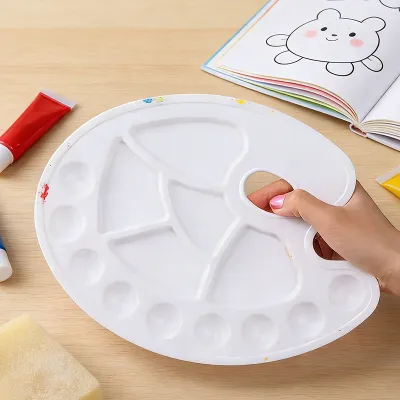
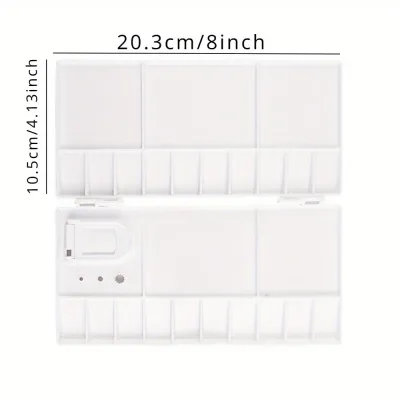
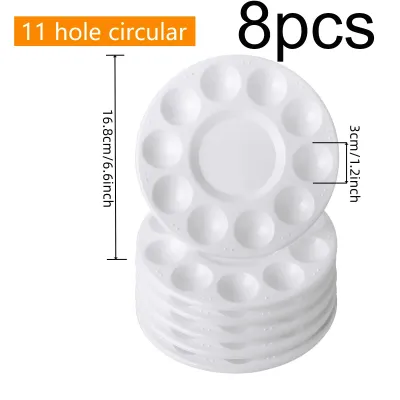
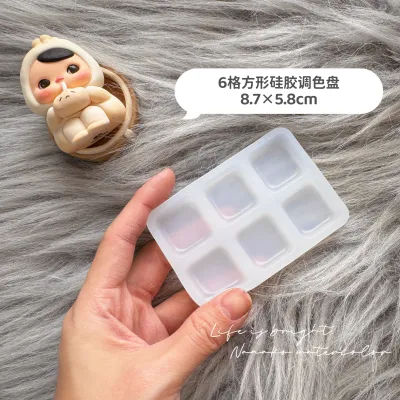
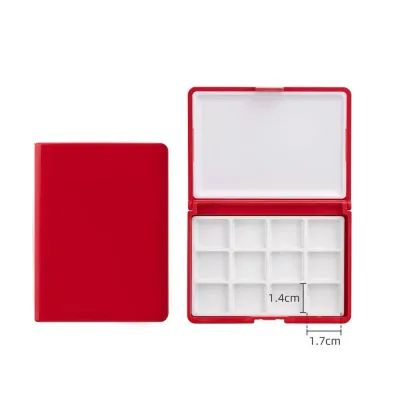
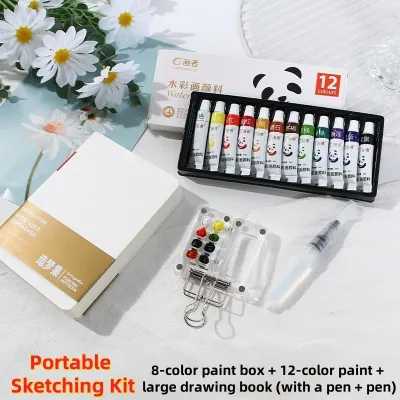
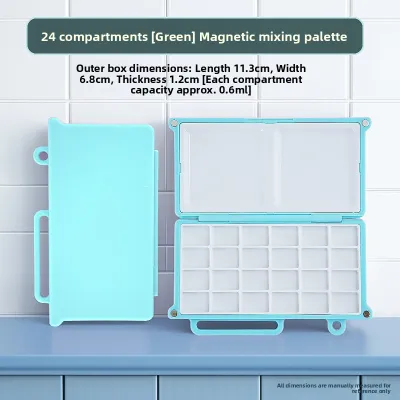
Prices are valid at publication and may change. Please refer to the product page for the latest price.
| Painting Medium | Key Palette Requirement | Recommended Materials | Critical Verification Check |
|---|---|---|---|
| Watercolor | Deep wells, water-bead resistance | Porcelain, ceramic, treated plastic | Check for smooth water pooling without tight beading |
| Acrylic | Moisture retention, easy peel-off | Stay-wet systems, acrylic, glass | Verify airtight lid seal and membrane permeability |
| Oil | Solvent resistance, flat mixing area | Tempered glass, sealed wood, safety glass | Ensure resistance to mineral spirits and turpentine |
Before purchasing a paint palette set, always verify the physical properties and material labels on the packaging. Look for explicit statements regarding solvent resistance if you paint with oils, or airtight seal ratings if you require a portable watercolor or acrylic setup. Investing S$15 to S$40 in a medium-specific palette is generally more cost-effective than buying a cheap, universal alternative that degrades quickly.
Beware of products marketed as universal multi-medium palettes. While a flat glass palette can transition between acrylic and oil, plastic palettes with deep wells are highly specialized for watercolor and will quickly become clogged or damaged if used with fast-drying acrylics or corrosive oil solvents. Dedicated tools prevent cross-contamination and preserve the quality of your paint mixtures.
Watercolor Palette Sets: Prioritizing Wells and Mixing Areas
Watercolor painting relies on high fluid dynamics, meaning the paint must flow smoothly across the mixing surface without separating. Porcelain and ceramic palettes are the gold standard for studio work because their smooth, non-porous surfaces allow water to pool evenly. This prevents the paint from beading up into tight droplets, which is a common issue with cheap, untreated plastic palettes.

Plastic palettes are lightweight and highly portable, but they are prone to permanent pigment staining. If you choose a plastic paint palette set, look for high-impact polystyrene or melamine, which offer better stain resistance. You can perform an observable trial on a new plastic palette by rubbing a tiny amount of mild abrasive toothpaste or soapy water over the surface to break the manufacturing sheen, which helps reduce water beading.
Well depth and mixing area design must match your painting style. If you paint large washes, you will need deep, isolated wells that can hold a high volume of water without overflowing into adjacent colors. For detailed botanical or miniature work, look for a palette with numerous small wells surrounding a central, sloped mixing area that allows you to adjust pigment concentration gradually.
For outdoor or plein air painting, portability and structural integrity are paramount. Verify that the palette set features a secure silicone or rubber gasket lid seal to prevent wet paint from leaking into your bag. Examine the hinge durability; reinforced metal pins or heavy-duty snap locks are far more reliable than simple plastic living hinges, which tend to crack after repeated folding.
Acrylic Palette Sets: Managing Drying Time and Cleanup
Acrylic paint dries rapidly through the evaporation of water, forming a tough, water-resistant polymer film. To prevent paint waste during long painting sessions, a stay-wet palette set is highly effective. These systems utilize a damp sponge base covered by a sheet of semi-permeable membrane paper, allowing moisture to rise continuously into the paint to keep it workable for days.
When evaluating a stay-wet palette, check the quality of the hydration sponge and the permeability of the membrane sheets. The sponge must hold water without dripping, and the membrane must allow moisture transfer without dissolving or tearing under your brush. Ensure the outer container has an airtight lid to preserve the moisture level between painting sessions.
For high-volume mixing, classroom environments, or quick sketching sessions, disposable paper palette pads offer excellent convenience. These pads consist of poly-coated sheets of paper that prevent moisture and binder oils from soaking through to the sheets below. When buying disposable pads, verify that the paper weight is heavy enough to resist tearing when mixed with a plastic or metal palette knife.
If you prefer a reusable flat surface, look for smooth, non-stick plastics or tempered glass. Dried acrylic paint does not adhere strongly to these non-porous materials, allowing you to peel the dried paint off in sheets once your session is complete. This peelable cleanup method is highly satisfying and eliminates the need for chemical cleaners, though you must avoid using sharp metal palette knives on plastic surfaces to prevent deep scratches.
Oil Painting Palettes: Handling Solvents and Viscosity
Oil painting involves heavy paint manipulation and the use of organic solvents like odorless mineral spirits, turpentine, and medium mixtures. Consequently, your paint palette set must be completely solvent-resistant. Standard plastics will soften, warp, or melt when exposed to these chemicals, making tempered glass, sealed wood, or safety glass the only viable options.
Wooden palettes are the traditional choice, offering a lightweight and ergonomic option for artists who prefer to stand while painting. However, unsealed wood will absorb the binder oil from your paint, leaving the pigment dry and crumbly. Before your first use, verify that the wooden surface is thoroughly sealed with multiple coats of linseed oil, lacquer, or polyurethane to create a smooth, non-porous barrier.
Surface color and texture play a crucial role in how you perceive values and color temperatures. A clear tempered glass palette is highly versatile because you can place a neutral grey or white sheet of paper underneath it to match your canvas background exactly. Traditional wooden palettes provide a warm, mid-tone background, which is excellent for classical underpainting techniques but requires adjustment if you are working on a bright white canvas.
Because oil paint is highly viscous, you will need a flat, rimless mixing surface that provides ample clearance for a metal palette knife. Raised edges or deep wells obstruct the flat scraping motion required to blend stiff oil pigments. If you paint standing up, look for a palette with a balanced thumb hole and ergonomic curves that distribute the weight evenly across your forearm to prevent wrist fatigue.
Cross-Medium Use and Maintenance Standards
To maintain the longevity of your paint palette set, avoid using the same mixing surface for different mediums. Oil paint residues are hydrophobic and will repel water-based mediums like watercolor and acrylic. Even a microscopic layer of dried linseed oil can cause watercolor washes to bead up and separate, ruining your ability to lay down smooth, flat washes.
Always consult the manufacturer’s instructions regarding chemical cleaners and soap compatibility. Watercolors can be cleaned easily with mild soap and warm water, while wet acrylics require immediate rinsing to prevent the polymer from curing. If acrylic paint dries on a glass palette, scrape it off gently with a flat safety razor blade held at a shallow angle. Oil palettes should be wiped down with a solvent-dampened cloth and conditioned occasionally with a light coat of linseed oil.
Knowing when to replace your palette is key to maintaining a clean painting workflow. Stop using and replace your palette if you observe deep scratches that trap pigment, warping that prevents the mixing surface from sitting flat, or physical degradation of the silicone seals on portable containers. A degraded palette will contaminate your fresh paint mixtures and hinder your artistic precision.
Frequently Asked Questions (FAQ)
Can I use the same palette for both acrylic and oil?
While you can technically use a tempered glass palette for both mediums, it is highly recommended to keep them separate. Oil solvents can degrade the plastic frames of acrylic-friendly stay-wet palettes, and any leftover oil residue will ruin the adhesion of water-based acrylic paint. If you must share a glass palette, you must thoroughly strip all oil residue using mineral spirits followed by a degreasing dish soap before introducing acrylics.
How do I prevent mold in a stay-wet palette?
To prevent mold growth in a stay-wet palette, rinse the sponge and container thoroughly with clean water between sessions, and allow them to air dry completely if you plan to store them unused for more than a few days. Using distilled water instead of tap water reduces organic impurities that feed mold. Some artists also place a clean copper coin under the sponge, as copper has natural antimicrobial properties that help inhibit fungal growth.
Community discussion
Share your experience or ask a question. Comments are reviewed before publication.