
Selecting the right paint gloves is a balancing act between shielding your skin from hazardous materials and maintaining the tactile sensitivity required for expressive brushwork. For watercolourists, thin and highly flexible gloves are an optional convenience to prevent stubborn skin staining. For acrylic painters, standard-thickness nitrile gloves offer an excellent barrier against fast-drying plastic polymers without sacrificing the dexterity needed for blending. For oil painters, heavy-duty, solvent-resistant nitrile gloves are an absolute necessity to block toxic heavy-metal pigments and harsh cleaning solvents.
In Singapore’s warm and humid tropical climate, choosing the correct glove type is even more critical. Sweat buildup inside a poorly chosen glove can cause discomfort, skin maceration, or loss of grip during long studio sessions. Understanding the physical and chemical demands of your specific medium ensures you stay protected while keeping your artistic technique completely uncompromised.
Why Glove Material and Thickness Matter for Painting
Every artist faces a fundamental conflict between physical protection and tactile feedback. Fine art techniques rely on micro-adjustments in hand pressure, the subtle drag of the brush against canvas, and the delicate handling of palette knives. Thick, industrial-grade utility gloves provide a robust barrier, but they mute these physical sensations, making precise control nearly impossible. Conversely, painting bare-handed exposes your skin to chemical hazards, drying agents, and pigments that are incredibly difficult to wash away.
Products mentioned in this guide
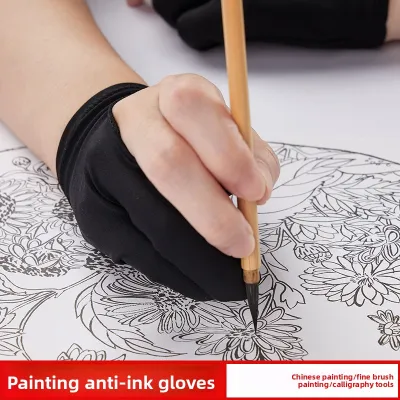
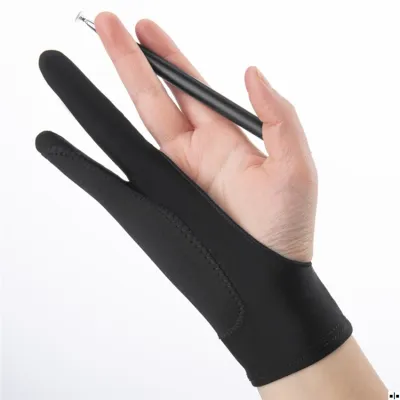
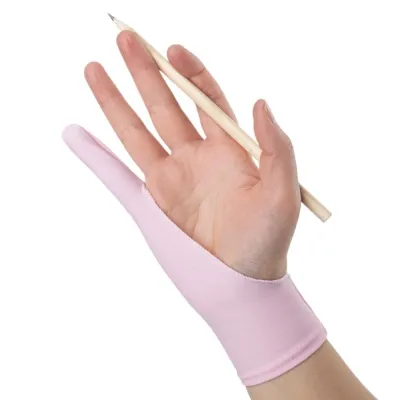
Prices are valid at publication and may change. Please refer to the product page for the latest price.
Protecting your hands goes far beyond avoiding messy skin stains. Many traditional and professional-grade paint pigments contain toxic heavy metals, such as cadmium, cobalt, nickel, and lead. While intact skin offers a basic natural barrier, repeated exposure can lead to contact dermatitis or gradual absorption. Furthermore, the organic solvents used to thin oil paints or clean brushes act as chemical carriers, actively breaking down the skin’s natural lipid barrier and carrying dissolved toxins directly into your bloodstream.
Beyond personal health, wearing gloves is a practical way to maintain studio hygiene. Artists frequently transition between painting, handling clean drawing paper, adjusting reference screens, or using delicate tools like rulers and utility knives. Wearing easily disposable gloves allows you to strip away the wet medium instantly, keeping your surrounding workspace, expensive stationery, and finished artwork free from accidental smudges.
Before purchasing any gloves in bulk, always evaluate your specific health profile, such as pre-existing skin sensitivities or latex allergies. Never rely solely on generic material names; instead, read the manufacturer’s packaging and product data sheets to verify that the gloves are rated for chemical resistance and intended for studio or laboratory use.
Matching Gloves to Your Painting Medium
Different painting mediums require entirely different chemical properties. A glove that performs beautifully for a light watercolour wash may dissolve or tear within minutes when exposed to the heavy solvents used in oil painting.

Watercolour: Prioritising Dexterity and Minimal Protection
Standard watercolour paints consist of pigments bound in a water-soluble binder, typically gum arabic. Because watercolours do not contain harsh organic solvents or heavy synthetic polymers, they pose a relatively low risk of chemical absorption through intact skin. The primary challenge for watercolourists is not chemical toxicity, but rather the intense staining power of certain fine pigments, such as Phthalo Blue, Prussian Blue, or Alizarin Crimson, which can lodge in cuticles and under fingernails for days.
To prevent staining while maintaining maximum control, look for ultra-thin, highly flexible gloves. Lightweight nitrile or vinyl gloves with a thickness of 2 to 3 mils are ideal. These materials provide a second-skin feel, allowing you to sense the texture of delicate cotton rag papers and execute fine, controlled washes without any noticeable loss of dexterity.
Because watercolour is a low-risk medium, many artists still choose to paint with bare hands to achieve absolute tactile feedback. If you prefer this approach, gloves become an optional tool rather than a safety requirement. You might choose to wear them only during messy studio tasks, such as mixing dry pigments, stretching large sheets of wet paper, or deep-cleaning ceramic palettes.
Acrylics: Balancing Quick-Dry Protection and Flexibility
Acrylic paint consists of pigment particles suspended in a synthetic acrylic polymer emulsion. As the paint dries, the water evaporates, causing the polymer spheres to coalesce into a tough, water-resistant plastic film. If acrylic paint dries on your bare skin, it clings tenaciously. Removing dried acrylic requires vigorous scrubbing with soap, warm water, and abrasive sponges, which strips your skin of its natural oils and can lead to painful micro-tears and chronic dryness.
To balance protection and flexibility, standard nitrile disposable gloves with a thickness of 3 to 4 mils are highly recommended. This thickness provides a reliable barrier against wet acrylic polymers while preserving enough elasticity for comfortable blending, palette knife work, and detail painting. Nitrile resists the mild surfactants and binders found in acrylic mediums, ensuring the glove will not degrade during long painting sessions.
When working with wet acrylics, water cups, and fluid mediums, brush handles can easily become slick. To maintain a secure hold on your tools, look for gloves that feature textured or micro-roughened fingertips. This subtle surface texture provides excellent wet grip, preventing your brushes from slipping or rotating unexpectedly in your hand.
Oil Paints and Solvents: Maximum Chemical Resistance
Oil painting presents the highest chemical risk in the fine art studio. Traditional oil paints use drying oils like linseed or safflower oil, which are often paired with volatile organic solvents such as turpentine, odorless mineral spirits (OMS), or citrus-based thinners for thinning paint and cleaning brushes. These solvents are highly effective at dissolving oils, meaning they will rapidly break down the protective lipids in your skin and easily penetrate weak glove materials.
Standard latex and vinyl gloves are highly vulnerable to organic solvents. When exposed to mineral spirits or turpentine, latex will quickly swell, lose its shape, and degrade, allowing toxic heavy-metal pigments (like Cobalt Violet or Cadmium Red) to pass directly through to your skin. To prevent this, you must use heavy-duty nitrile gloves, ideally with a thickness of 5 to 8 mils. Nitrile offers superior chemical resistance to petroleum-based solvents and thinners, keeping your hands completely isolated from hazardous mixtures.
Because solvent formulations vary widely among art brands, never assume a single glove type resists everything. Always consult the glove manufacturer’s chemical compatibility chart to verify resistance against the specific solvents used in your studio. If you use highly volatile solvents like traditional turpentine, ensure your studio is thoroughly ventilated and change your gloves immediately if they show any signs of chemical attack.
Key Features to Check on the Packaging
When shopping for paint gloves online or at local art and hardware suppliers in Singapore, understanding the technical specifications printed on the packaging will help you make an informed choice.
- Material Composition: Nitrile is the safest and most versatile default choice for artists. It is highly puncture-resistant, latex-free (eliminating allergy risks), and offers excellent chemical resistance. Latex provides unmatched elasticity and comfort but degrades rapidly in solvents and can trigger severe contact allergies. Vinyl is a budget-friendly option for dry or water-based work, but it lacks stretch, tears easily under tension, and offers very poor chemical protection.
- Thickness Indicators: Glove thickness is measured in "mils" (where 1 mil equals 0.001 inches). Gloves ranging from 2 to 3 mils are ultra-thin and best suited for watercolour or light sketching. Standard 4 mil gloves offer a versatile balance for acrylics and general studio cleanup. Heavy-duty gloves ranging from 5 to 8 mils are essential for handling oil solvents, varnish applications, and heavy-duty studio maintenance.
- Cuff Length: Standard wrist-length cuffs (approximately 240mm) are sufficient for standard easel painting and quick brush washing. Extended gauntlet cuffs (300mm or longer) provide valuable forearm protection, which is highly beneficial during large-scale canvas work, messy fluid acrylic pouring, or when submerging hands into deep solvent jars for cleaning brushes.
- Powdered vs. Powder-Free: Always choose powder-free gloves for your studio. Powdered gloves use cornstarch to make them easier to slip on, but this fine powder easily escapes into the air. The airborne dust can settle onto wet acrylic or oil canvases, ruining smooth glazes, contaminating varnishes, or embedding texture into delicate watercolour paper.
Safe Usage and Disposal Practices
Even the highest-quality glove cannot protect you if it is used or discarded incorrectly. Proper handling prevents you from accidentally transferring paint and solvents to your skin or contaminating your clean studio environment.
To remove contaminated gloves safely, use the “beak method” to avoid touching the dirty exterior with your bare skin. Pinch the outside of one glove near the wrist, peel it down so it turns inside out, and hold the removed glove in your remaining gloved hand. Then, slide your bare index finger under the wrist of the remaining glove, peel it forward over the first glove, and discard the rolled-up bundle. Wash your hands thoroughly with soap and water immediately afterward.
Monitor your gloves constantly while working. You should change your gloves immediately if you observe any of the following warning signs:
- Visible swelling, puckering, or wrinkling of the glove material.
- Tears, punctures, or thinning at the fingertips.
- A sudden sticky or tacky texture on the glove surface.
- A sensation of coldness or moisture on your skin, indicating solvent breakthrough.
- Loss of elasticity, causing the glove to sag or slip down your wrist.
Proper disposal is the final step in studio safety. In Singapore, household and small-scale studio waste should be bagged securely before disposal. However, if your gloves are heavily saturated with volatile oil solvents or toxic heavy-metal pigments, they require careful handling. Solvent-soaked rags and gloves can present a spontaneous combustion hazard as the oils dry and generate heat. Always allow solvent-soaked materials to dry completely in a well-ventilated outdoor area or submerge them in water inside a sealed metal container before disposing of them according to local environmental regulations.
Frequently Asked Questions (FAQ)
Can I use regular household or gardening gloves for painting?
No, regular household utility gloves or fabric gardening gloves are not suitable for fine art painting. Thick rubber household gloves destroy the fine motor control and tactile sensitivity needed to hold brushes and mix colours accurately. Fabric gardening gloves are highly porous; they will quickly absorb liquid solvents and wet paint, holding hazardous chemicals directly against your skin for extended periods and worsening chemical exposure.
How do I know if a glove is resistant to my specific oil paint solvent?
To verify chemical compatibility, check the glove manufacturer’s official chemical resistance guide or permeation chart, which lists breakthrough times for specific solvents like mineral spirits or toluene. If a chart is unavailable, you can perform a simple, controlled spot test. Cut a small strip from a glove, submerge it in a small glass container filled with your studio solvent, and leave it for 15 to 30 minutes. If the material swells, melts, curls, or loses its structural integrity, it is not safe to use with that solvent.
Community discussion
Share your experience or ask a question. Comments are reviewed before publication.