
Choosing the right packing tape for parcel packing depends on three main factors: the weight of your package, the material of your shipping box, and the environmental conditions the parcel will face during transit. A tape that works perfectly for a lightweight gift box may peel off a heavy, recycled cardboard carton during a humid transit journey. By matching the tape’s backing material and adhesive type to your specific shipping scenario, you can prevent split seams, lost items, and costly shipping delays.
Assess Your Parcel and Transit Requirements Before Buying Tape
Before purchasing any packing tape, evaluate the physical characteristics of your shipment. The weight of your parcel is the primary factor determining the load stress on the tape. Lightweight parcels under 5 kg require basic sealing security, whereas medium parcels up to 15 kg and heavy-duty shipments exceeding 15 kg demand significantly higher tensile strength to prevent the box flaps from bursting open under pressure. Heavier items exert constant outward force on the box seams, especially when stacked or dropped during transit, making high-performance tape essential.
Next, examine the surface of your shipping boxes. Standard virgin corrugated cardboard offers a clean, fibrous surface that most adhesives grip easily. However, recycled cardboard, which is increasingly common in modern ecommerce deliveries, contains shorter fibers and more surface dust, making it harder for standard adhesives to bond. Glossy, waxed, or heavily printed boxes also present a challenge, as their slick coatings prevent adhesives from penetrating and forming a secure seal. Identifying your box material beforehand prevents the frustration of tape peeling off immediately after application.
Products mentioned in this guide
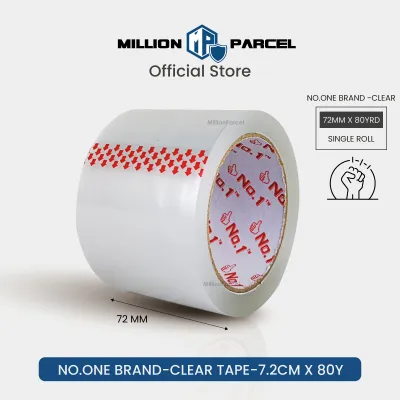
Prices are valid at publication and may change. Please refer to the product page for the latest price.
Finally, consider the transit journey and environmental conditions. In tropical climates like Singapore, high humidity and warm temperatures can soften certain adhesives, causing them to slip or peel. If your parcel is destined for international air freight, it will experience extreme temperature fluctuations and pressure changes in cargo holds. Long-distance transit also subjects the box to repeated handling, vibrations, and stacking, requiring a tape with excellent shear resistance and backing durability to withstand the entire journey.
Compare Tape Materials and Adhesives for Different Box Surfaces
Packing tapes are generally categorized by their backing material and the adhesive substance applied to them. The three most common backing materials are Polypropylene (PP), Polyvinyl Chloride (PVC), and Kraft paper. Polypropylene is highly popular due to its affordability and high tensile strength, though it can be noisy when unwound and is difficult to tear by hand. PVC tape is thicker, stronger, and unwinds quietly, making it excellent for heavy-duty applications, while Kraft paper tape offers an easily recyclable, hand-tearable alternative that appeals to eco-conscious shippers.

The adhesive type determines how well the tape bonds to different box surfaces over time. Acrylic adhesives are water-based and offer excellent resistance to ultraviolet light and temperature fluctuations, making them highly stable for long-term storage and tropical climates. However, they require firm pressure to activate and have a lower initial tack. Hot melt (synthetic rubber) adhesives offer extremely high initial tack and bond instantly to cardboard, making them ideal for fast-paced packing environments, though they can degrade faster under prolonged heat and UV exposure. Natural rubber adhesives provide the strongest overall bond and perform exceptionally well on challenging surfaces like recycled cardboard, dusty boxes, and cold or humid environments.
To choose the right combination, use a simple decision framework. For standard virgin cardboard boxes in normal indoor conditions, a standard polypropylene tape with an acrylic adhesive is highly cost-effective. For heavily recycled cardboard or dusty boxes, opt for a hot melt or natural rubber adhesive to ensure the tape bites into the short fibers. If you are packing in a quiet office or residential space, a PVC tape with a natural rubber adhesive will provide a silent unwind and a premium, heavy-duty seal.
Match Tape Width and Thickness to Your Parcel Weight
The physical dimensions of your packing tape—specifically its width and thickness—directly impact its load-bearing capacity and seal integrity. Tape width is typically measured in millimeters, with 48 mm (approximately 2 inches) being the standard for most parcel packing. This width provides sufficient coverage to seal the center seam of a standard box and offers enough edge grip on the sides to prevent lifting. For larger boxes or those with wide gaps between the flaps, a 72 mm (approximately 3 inches) tape is highly recommended, as it distributes the stress over a wider surface area and prevents the flaps from shifting.
Tape thickness is measured in microns, representing the combined thickness of the backing material and the adhesive layer. Standard-duty tapes usually range from 40 to 45 microns, which is perfectly adequate for lightweight parcels under 10 kg. Medium-duty applications benefit from tapes in the 48 to 53 micron range, offering better puncture resistance and tensile strength. For heavy-duty shipments over 15 kg, or boxes containing sharp-edged items, select a heavy-duty tape of 55 microns or thicker to ensure the seal does not rupture under tension.
When preparing your packing supplies, match these dimensions to your typical parcel profiles. For light, everyday shipping of documents or clothing, a 48 mm wide, 40-micron tape is efficient and economical. For shipping heavier household goods, electronics, or multiple items in a single carton, upgrade to a 48 mm or 72 mm wide tape with a thickness of at least 50 microns. This ensures the tape can withstand the internal pressure of the contents shifting during transit.
Apply and Seal Your Parcels for Maximum Security
Even the highest-quality packing tape will fail if it is applied incorrectly. Begin by preparing the box surface to ensure optimal adhesion. Wipe away any dust, dirt, moisture, or oil from the cardboard flaps using a dry cloth. If you are reusing a shipping box, scrape off any loose or peeling old tape, as applying new tape over a failing layer will compromise the entire seal. Ensure the box flaps meet evenly without overlapping or leaving wide, uneven gaps.
For standard lightweight parcels, a single center strip of tape along the middle seam is sufficient. Ensure the tape extends at least 50 mm to 75 mm down the sides of the box to anchor the flaps securely. For heavier or high-value shipments, utilize the “H-tape” sealing method. This involves sealing the center seam first, and then applying tape along the four open edge seams of the box on both the top and bottom. This method seals all exposed edges, prevents dust and moisture from entering, and significantly increases the structural rigidity of the carton.
To achieve a professional seal, use a handheld tape dispenser to apply even tension as you roll the tape across the seam. Once the tape is in place, firmly rub your hand or a clean cloth over the entire length of the tape. This physical pressure is crucial, especially for acrylic adhesives, as it activates the pressure-sensitive bond and forces the adhesive into the microscopic fibers of the cardboard. Avoid stretching the tape excessively during application, as the plastic backing will attempt to shrink back to its original length, causing the ends to lift and peel over time.
Troubleshoot and Fix Common Tape Adhesion Failures
If you notice your packing tape lifting, peeling back, or popping open shortly after application, several factors could be at play. The most common cause is insufficient application pressure, which prevents pressure-sensitive adhesives from bonding with the cardboard. Another frequent issue is temperature; applying tape in a very cold air-conditioned room can cause the adhesive to stiffen and lose its tack. To resolve this, ensure the packing environment is at a moderate temperature, and rub the tape firmly after application to generate friction and warmth, which helps the adhesive flow.
If the tape continues to fail despite proper pressure, inspect the box material and your tape choice. If you are using highly recycled cardboard, a standard acrylic tape may not have enough initial tack to hold the stiff flaps down; switch to a hot melt or natural rubber adhesive tape. If the box is dusty or has a glossy coating, try wiping the surface with a slightly damp cloth and letting it dry completely before taping, or switch to a water-activated paper tape that fuses directly with the paper fibers.
There are times when tape alone is not enough to secure a shipment. If your parcel is exceptionally heavy, contains dense metal parts, or the cardboard box is showing signs of structural fatigue, abandon standard tape-only methods. In these cases, combine your packing tape with heavy-duty plastic strapping or reinforced edge protectors. These additional materials distribute the physical load around the entire box structure, ensuring the package remains intact even if the tape adhesive is subjected to extreme stress.
Frequently Asked Questions (FAQ)
Can I use standard office tape for sealing shipping boxes?
No, standard office stationery tape is not suitable for sealing shipping boxes. Office tape lacks the tensile strength required to hold heavy cardboard flaps together, and its adhesive is formulated for paper-to-paper contact rather than rough, fibrous corrugated cardboard. Under the stress of transit, office tape will easily snap, peel off, or split, leaving your parcel vulnerable to opening. Always use dedicated packing tape designed to withstand the physical demands of shipping.
Is paper packing tape as strong as plastic tape?
Yes, high-quality paper packing tape can be just as strong as, or even stronger than, standard plastic tape, particularly when using water-activated paper tape. Water-activated paper tape features a starch-based adhesive that, when moistened, penetrates the cardboard fibers to create a permanent, tamper-evident chemical bond. Reinforced paper tapes also contain fiberglass strands embedded within the paper backing, providing exceptional tensile strength and puncture resistance that rivals heavy-duty plastic tapes.
Community discussion
Share your experience or ask a question. Comments are reviewed before publication.