
Choosing the right packing carton requires matching the box’s internal dimensions and structural strength to the physical size, weight, and fragility of your items. By accurately measuring your belongings, understanding manufacturer specifications, and leaving adequate room for protective cushioning, you can ensure a secure fit and prevent damage during moving or shipping. Selecting the wrong size not only risks structural failure of the box but can also lead to higher shipping fees or damaged goods. A systematic approach to assessing your items, reading carton specifications, and planning for protective void fill will streamline your packing process and keep your belongings safe.
Assess Your Items Before Choosing a Carton
Before purchasing any packing cartons, you must systematically evaluate the items you plan to pack to establish baseline size, volume, and structural strength requirements. Gather the items you intend to pack together and use a tape measure to find the longest, widest, and tallest points of the grouped items. These measurements represent the absolute minimum internal volume your chosen carton must provide. Always measure the items as they will be oriented inside the box, keeping in mind that some items must remain upright during transit.
Next, estimate the total weight of the contents destined for each carton to determine the necessary structural strength of the cardboard. Heavy items require smaller, sturdier cartons to prevent bottom failure, while lighter items can be grouped into larger, standard-grade boxes. Finally, identify the fragility level of each item to calculate the required clearance for protective cushioning. Fragile items like glassware and electronics require a protective buffer of bubble wrap or packing paper, which adds to the overall dimensions and requires a slightly larger carton than the raw measurements of the items themselves.
Products mentioned in this guide
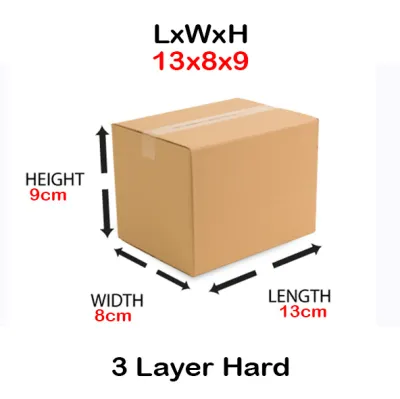
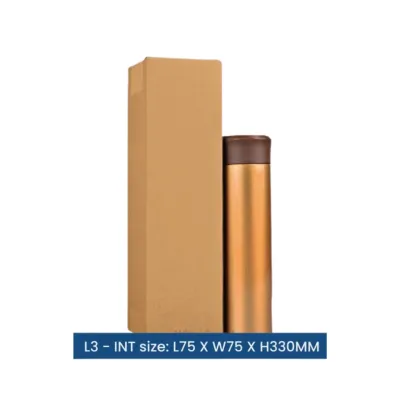
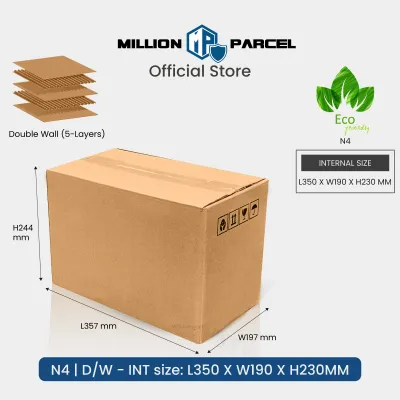
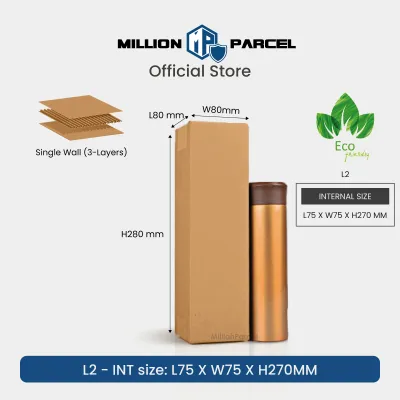
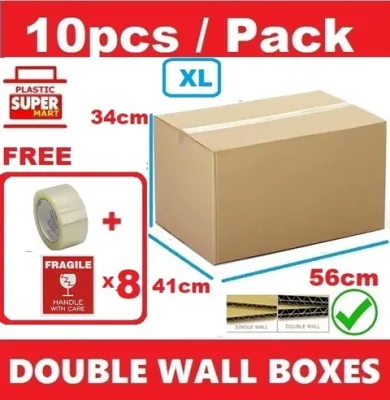
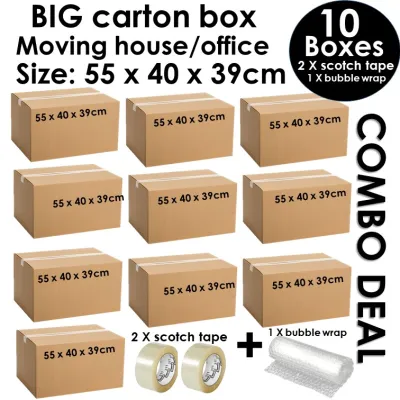
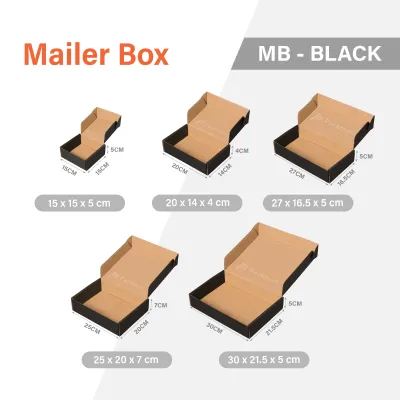
![[WHOLESALE Carton 100pcs] Mailer Box | Carton Box | Ecommerce Box | Courier Box | Carton Mailer Box | Carton Box | Packaging | Ecommerce Business | Pizza Box | Eco Friendly Pizza Box | Carton Box | Kraft Paper Packaging Box | Kraft box | Paper Box | Part](https://img.lazcdn.com/g/p/74ff5694e0f15243a0d91054f7ead6bf.jpg_400x400q80.jpg_.webp)
Prices are valid at publication and may change. Please refer to the product page for the latest price.
Understand Packing Carton Dimensions and Specifications
When browsing packing cartons online or at a local supplier, understanding how to read technical specifications ensures you select a box that fits your items and meets transport demands. First, distinguish between internal and external dimensions. Manufacturers typically list internal dimensions because they represent the actual usable packing space inside the box. External dimensions, which include the thickness of the corrugated cardboard and the folded flaps, determine the shipping footprint. Always use internal dimensions when matching a carton to your measured items, and use external dimensions when planning transport logistics.

Do not guess a box’s strength based solely on thickness; instead, look for the manufacturer’s weight capacity labels or Edge Crush Test (ECT) ratings printed on the bottom flaps. The ECT rating measures the vertical stacking strength of the corrugated board, indicating how much pressure a box can withstand when stacked under other heavy cartons. You can also identify durability by observing the corrugated flute profiles along the cut edges. Single-wall cartons are lightweight and suitable for everyday household items, while double-wall cartons feature two layers of fluting for significantly higher puncture resistance and stacking strength.
Match Carton Sizes to Common Item Categories
To streamline your packing process, group your belongings by density and fragility rather than physical volume alone. This categorization helps you pair specific types of household or office items with the most appropriate carton profiles. Using a structured decision framework prevents common packing errors, such as overloading large boxes or crushing delicate items. Use the following categories to guide your selection based on weight distribution, structural integrity, and protection needs.
Small, Dense, and Heavy Items
Items such as books, hand tools, files, and dense electronics present a high weight-to-volume ratio. For these belongings, select smaller footprint cartons, often referred to as book boxes or small utility cartons, to prevent the packed carton from becoming too heavy for manual lifting and to reduce the risk of bottom seam failure. Before packing, verify the bottom seam construction and the manufacturer’s stated weight limits. Secure the bottom flaps with high-quality packaging tape, applying multiple strips across the center seam and the side edges in an “H” pattern to reinforce structural integrity. Keep the internal volume of these cartons just large enough to hold the items tightly, filling any small gaps with dense packing paper rather than lightweight bubble wrap to prevent shifting during transit.
Medium, Mixed, and Fragile Items
Kitchenware, home decor, small appliances, and mixed office supplies are best suited for medium-sized cartons, which offer a balanced volume that allows you to pack multiple related items together while keeping the overall weight manageable. When packing fragile items within medium cartons, ensure the box depth accommodates vertical placement. For example, plates and dishes should be wrapped individually and placed vertically on their edges rather than stacked flat, as vertical alignment distributes shocks more effectively. Finally, check that the corrugated walls of your medium cartons are rigid enough to resist crushing when stacked. Opt for double-wall construction or high-ECT rated medium cartons if you plan to stack them several layers high in a moving truck or shipping container.
Large, Light, and Bulky Items
Voluminous but lightweight items, such as bedding, pillows, winter clothing, cushions, and large plastic toys, require large or extra-large cartons to maximize volume efficiency and reduce the total number of individual cartons you need to handle. While these items are light, you must still confirm the carton’s structural integrity, as large boxes have a wider surface area and are prone to bowing or collapsing if they are overfilled or if heavy items are mistakenly stacked on top of them. For highly compressible items like comforters and pillows, consider alternative packaging methods such as vacuum sealing bags, which drastically reduce volume and allow you to fit them into smaller cartons or transport them without using rigid boxes at all.
Account for Protective Void Fill and Clearance
A common mistake when choosing a carton size is failing to account for the space occupied by protective packaging materials. To ensure your items remain undamaged, you must adjust your size calculations to include a dedicated clearance buffer of at least two to five centimeters on all sides. This extra space accommodates protective layers like bubble wrap, packing paper, or foam peanuts. For highly fragile items, increase this buffer to allow for thicker wrapping or double-boxing techniques, where a smaller carton is suspended inside a larger one surrounded by shock-absorbing material.
Additionally, evaluate the compression characteristics of your chosen void fill. Lightweight materials like air pillows and bubble wrap provide excellent cushioning for light to medium items but can flatten under heavy loads. For heavier items, use dense crumpled kraft paper or molded foam inserts that maintain their shape and prevent the item from shifting. Always plan for dedicated top and bottom cushioning layers within the carton to absorb vertical shocks and prevent direct contact with the carton walls, ensuring the void fill is packed tightly enough to prevent movement without putting outward pressure on the carton walls.
Common Sizing Mistakes to Avoid
Avoiding frequent errors in carton selection can save you from damaged belongings, inefficient packing layouts, and physical strain during handling. One of the most common mistakes is using a single large box for heavy, dense items like books or tools, resulting in an unmanageable weight and potential bottom seam failure. Always distribute heavy items across multiple small cartons to keep individual box weights within a safe handling limit. Another frequent error is ignoring the difference between internal and external measurements, leading to items that do not fit once the box is assembled. Finally, do not overlook the condition of reused cartons; previous stress, moisture exposure, or deep creases can severely compromise the original weight capacity of the cardboard, causing the box to collapse under a fraction of its original rated load.
Frequently Asked Questions (FAQ)
Can I use the same carton size for shipping and moving?
While you can use similar cartons, shipping via commercial couriers and moving via a personal vehicle or moving truck have different requirements. Manual moving benefits from uniform, stackable carton sizes that maximize space in a truck. In contrast, commercial shipping carriers charge based on dimensional weight, which factors in both size and weight. Using an oversized carton for shipping can result in significant surcharges, so you must check specific carrier dimension guidelines and weight thresholds before selecting a carton for parcel delivery.
How do I know if a reused carton is still safe to use?
To determine if a second-hand carton is safe, inspect the corners, edges, and bottom seams for deep creases, water stains, or crushing. Next, test the rigidity of the corrugated flutes by applying gentle pressure to the walls; if they feel soft or spongy, the box has lost its structural integrity. If you notice any visible wear or structural compromise, downgrade the carton’s use to light, non-fragile items like clothing, or discard it entirely to prevent packing failures.
Community discussion
Share your experience or ask a question. Comments are reviewed before publication.