
Selecting the perfect packaging bag is more than a final step in gift-giving; it is an essential part of the presentation that sets the tone before the recipient even opens the gift. The ideal bag balances structural integrity with aesthetic appeal, matching the specific mood of the occasion—whether it is a lively children’s birthday party, a formal wedding reception, or a traditional festive gathering. By aligning the bag’s material, size, and design with the physical requirements of the gift, you ensure a seamless, elegant, and memorable exchange.
Understanding Packaging Bag Basics for Gifting
Before selecting colors or patterns, evaluate the structural design of the packaging bag to ensure it can safely support your gift. Flat-bottom bags offer excellent stability, allowing them to stand upright on surfaces, which is ideal for fragile items or liquid containers. Gusseted bags feature expandable sides or bottoms, making them highly adaptable for bulky, three-dimensional items like stuffed toys or boxed games. For lightweight items or flat gifts like books, die-cut handle bags provide a sleek, low-profile alternative that is easy to carry without adding unnecessary bulk.
The choice of material establishes both the visual character and the tactile experience of the gift. Kraft paper bags offer a rustic, organic feel and are valued for their sturdy construction and classic, understated appearance. Coated paper bags, finished with a matte or glossy laminate, provide a smooth surface that displays vibrant colors and intricate prints exceptionally well, while offering mild resistance to light moisture. Non-woven fabric bags present a durable, cloth-like alternative that feels premium and encourages long-term reuse, making them excellent for heavier gifts.
Products mentioned in this guide
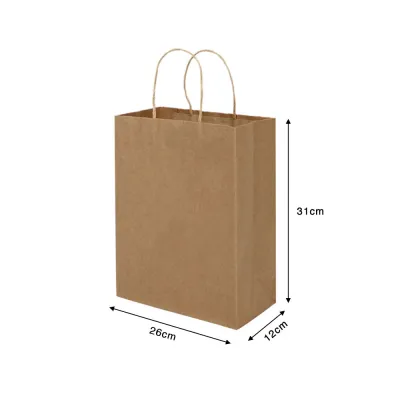
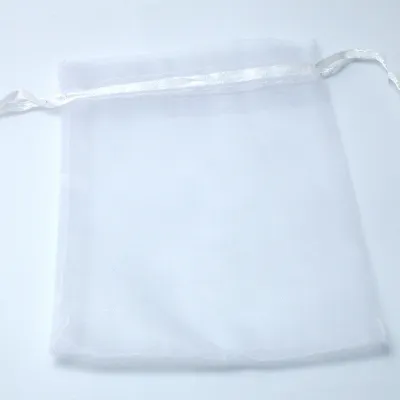
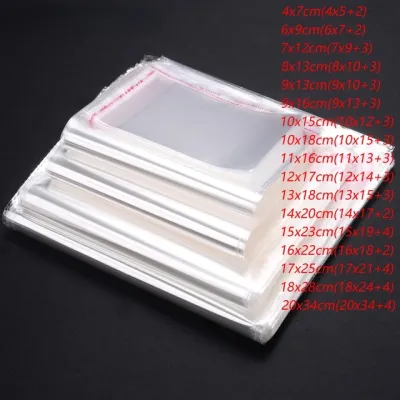
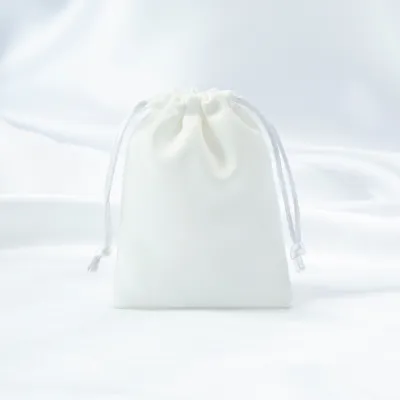
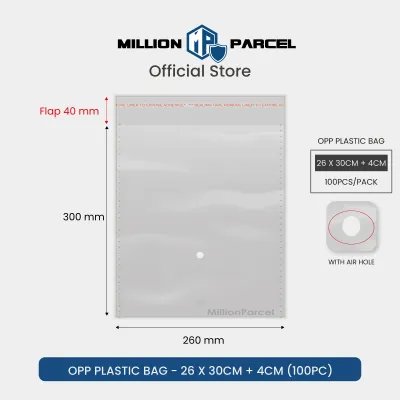
![[SG SELLER] Self Adhesive Clear OPP Transparent Packaging Poly Plastic Bag Retailer Clothes Sealing Wrap Plastic Storage](https://img.lazcdn.com/g/p/22be75670b3840eb6258305648fc2f8f.png_400x400q80.png_.webp)

Prices are valid at publication and may change. Please refer to the product page for the latest price.
To select the correct bag size, measure the gift’s maximum width, depth, and height, adding a small buffer of at least two to three centimeters on all sides. A bag that is too small risks tearing at the seams, while an oversized bag allows the item to shift excessively, potentially causing damage during transit. Aim for a snug but comfortable fit where the top edges of the bag can close naturally or accommodate decorative tissue paper without spilling over.
Selecting Packaging Bags for Birthday Gifts
Birthday celebrations span a wide range of age groups and personal styles, meaning your choice of packaging bag should directly reflect the recipient’s personality. For children’s birthdays, vibrant primary colors, playful patterns, and whimsical illustrations immediately build excitement. For adults, transitioning to sophisticated neutrals, pastel tones, or deep jewel colors creates a more refined and mature presentation that aligns with contemporary design sensibilities.

Personalization adds a thoughtful layer to birthday wrapping, and specific design elements can elevate a standard bag into a keepsake. Look for bags featuring elegant foil stamping or embossed textures that catch the light and add a premium feel. Selecting bags with matte finishes or dedicated write-on surfaces allows you to write handwritten messages, draw custom illustrations, or attach personalized gift tags directly to the packaging, making the bag itself a unique part of the gift.
Structural considerations are particularly important for birthday gifts, which often include awkwardly shaped toys, plush items, or delicate electronics. If you are gifting a heavy or oddly shaped item, prioritize a bag with a reinforced cardboard base and thick, comfortable handles, such as woven cotton or twisted paper ropes. For fragile items, ensure the bag has enough depth to accommodate protective layers of tissue paper without distorting the bag’s shape or putting pressure on the handles.
Choosing Packaging Bags for Wedding Favors and Gifts
Wedding gifting demands a high level of elegance and cohesion, as the packaging often contributes to the overall visual theme of the celebration. When selecting bags for wedding favors or bridal party gifts, align the colors and finishes with the couple’s chosen color palette or the wedding theme. Matte finishes, pearlescent papers, and subtle linen textures offer a sophisticated, low-sheen elegance that complements formal table settings and reception decor.
Minimalist designs are highly effective for weddings, prioritizing clean lines and refined typography over busy, distracting graphics. A simple, high-quality bag featuring a delicate monogram, a blind-embossed border, or a single metallic foil accent conveys luxury and respect for the occasion. This restrained approach ensures the packaging enhances the romantic and formal atmosphere of the venue rather than clashing with the surrounding decorations.
The physical scale of the wedding gift dictates both the bag size and the handle style required for comfortable transport. Small, lightweight guest favors, such as artisanal candles, pair beautifully with delicate organza bags or miniature paper bags featuring satin ribbon handles. Conversely, larger gifts intended for the newlyweds or substantial bridal party packages require robust, medium-to-large bags with reinforced handles to ensure they can be carried easily throughout a long event without tearing.
Picking Packaging Bags for Festive Celebrations
Festive celebrations in Singapore, such as Lunar New Year, Hari Raya, Deepavali, and Christmas, carry rich cultural traditions where color symbolism and motifs play a vital role. For Lunar New Year, vibrant red and gold bags symbolizing prosperity are customary, often adorned with traditional paper-cut patterns or zodiac motifs. During Hari Raya, green and gold tones reflecting renewal and celebration are highly appropriate, while Deepavali gifts shine brightest in warm gold, orange, and deep purple hues that celebrate the festival of lights.
While traditional motifs are highly valued, balancing festive graphics with versatile base colors and high-quality materials allows the recipient to reuse the bag for future occasions. Opting for elegant, abstract geometric patterns or subtle metallic accents rather than overly specific holiday branding extends the lifecycle of the packaging. This sustainable approach not only reduces waste but also ensures your gift presentation remains sophisticated and modern.
Festive gifting often involves heavy or delicate traditional items, such as food hampers, glass jars of baked goods, or ceremonial tea sets, which require exceptional structural support. When preparing these gifts, select heavy-duty kraft paper or non-woven fabric bags with wide gussets and reinforced bases to prevent sagging or tearing. Ensure the handles are securely anchored—ideally with metal eyelets or heavy-duty stitching—to guarantee the safe transport of heavy festive treats to family gatherings.
Practical Checks Before You Buy
Before finalizing your purchase of packaging bags, conducting a few practical quality checks will prevent unexpected failures during your event. Examine the handle attachment points closely; glued handles are suitable for lightweight items, while knotted ropes, ribbon ties, or integrated die-cut handles offer superior strength for heavier gifts. Always cross-reference the physical weight of your gift with the manufacturer’s recommended weight capacity to ensure a safe match.
If you are purchasing packaging bags in bulk, verify the assembly requirements, as many premium bags are shipped flat-packed to save space and prevent damage during transit. Ensure you have sufficient time to fold, shape, and assemble the bags, especially if they require manual threading of ribbon handles or the insertion of base cards. Factoring in this preparation time prevents last-minute stress before a major event or celebration.
Finally, review the product labels and specifications for environmental claims, keeping in mind that actual sustainability depends on material composition and local recycling capabilities. Look for uncoated paper bags made from recycled content, which are highly recyclable in standard paper streams, or reusable non-woven bags that offer long-term utility. Understanding these distinctions allows you to make informed choices that align your gifting practices with responsible environmental habits.
Frequently Asked Questions (FAQ)
How can I reinforce a packaging bag if the gift is slightly too heavy?
To reinforce a paper packaging bag for a heavier gift, place a custom-cut piece of rigid cardboard flat at the bottom of the bag to distribute the weight evenly across the base. This simple addition prevents the paper from sagging and reduces the concentrated stress on the bottom seams. Always check the manufacturer’s stated weight limits and handle specifications before attempting to carry heavy items, as reinforcing the base will not prevent handle failure if the load exceeds the bag’s structural design.
What is the best way to store unused packaging bags to prevent damage?
Store unused packaging bags flat in a cool, dry environment away from direct sunlight to preserve their color, structural integrity, and adhesive strength. Prolonged exposure to sunlight can fade vibrant prints, while high humidity can weaken paper fibers and degrade the glue used on seams and handles. Avoid stacking heavy boxes or items directly on top of bags with delicate handles, ribbons, or embossed details, as this can cause permanent creasing and ruin the bag’s presentation value.
Community discussion
Share your experience or ask a question. Comments are reviewed before publication.