
Selecting the right creative tools for a growing child involves balancing safety, developmental benefits, and practical home maintenance. A child’s developmental stage is the primary filter when choosing a mideer drawing board, as matching the physical interface of the board to their emerging fine motor skills prevents frustration and fosters sustained engagement. From sensory-rich water mats for toddlers to high-precision LCD tablets and vertical easels for older children, each format supports specific physical and cognitive milestones.
By understanding how different drawing surfaces interact with a child’s grip strength, hand-eye coordination, and attention span, you can select a tool that serves as an effective medium for self-expression. This guide analyzes the core technology, developmental benefits, and practical considerations of the various drawing boards available, helping you make an informed decision for your home.
Quick Guide: Matching Mideer Drawing Board Options to Developmental Stages
Aligning a drawing tool with a child’s physical capabilities is essential for building confidence and supporting natural motor progression. Introducing a tool that is too complex, such as a fine-tip stylus requiring a mature tripod grasp, can discourage a toddler who is still mastering basic hand-eye coordination. Conversely, a tool that lacks precision may fail to challenge an older child who is eager to draft detailed stories or practice letter formation.
Products mentioned in this guide
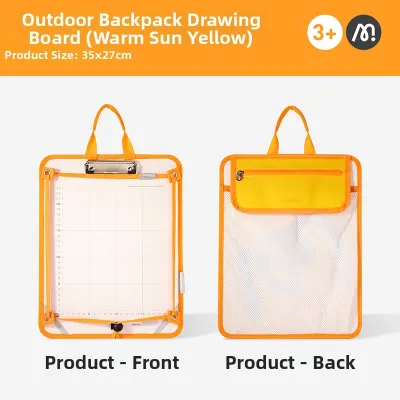
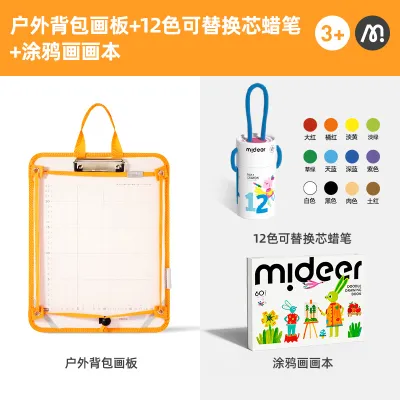
Prices are valid at publication and may change. Please refer to the product page for the latest price.
During early childhood, the physical act of drawing progresses from large, shoulder-driven movements to refined, finger-controlled strokes. Toddlers naturally use a palmar grasp, holding drawing tools with their entire fist and using their whole arm to sweep across a surface. As muscles in the hand and wrist mature, preschoolers transition to a digital grasp, eventually developing the mature tripod grasp required for writing. A well-chosen drawing board accommodates these physical transitions by offering appropriate resistance, grip sizes, and visual feedback.
While chronological age guidelines on packaging offer a helpful starting point, a child’s current fine motor control and attention span are more accurate indicators of the ideal board type. A child who still mouth-tests toys requires a completely non-toxic, seamless surface with no small detachable parts. A highly active child may benefit from a large-format vertical surface that allows them to move their body while drawing, whereas a child who enjoys quiet, focused play might prefer a compact, high-contrast tablet.
Different board formats also serve distinct roles within a household’s daily routine. Portable, mess-free options are invaluable for keeping children engaged during travel or while dining out, while larger, stationary setups encourage collaborative play and structured learning at home. Evaluating where and how the board will be used ensures that the selected model integrates smoothly into your family’s lifestyle.
Main Types of Mideer Drawing Board Formats Explained
Magnetic Drawing Boards
Magnetic drawing boards utilize a classic, completely sealed mechanical system to create images without the need for ink, paper, or batteries. The screen consists of a honeycomb grid filled with a white, opaque liquid and tiny magnetic iron particles. When the magnetic tip of the stylus passes over the screen, it pulls the dark particles to the top surface, creating a visible line. Sliding the eraser bar across the back of the screen pulls the magnetic particles down, clearing the surface instantly.

This design is highly valued for its durability and zero-consumable nature, making it an excellent choice for mess-free play. Because the drawing medium is fully contained within the board, there is no risk of ink stains on furniture, walls, or clothing. However, magnetic boards generally offer lower resolution and contrast compared to ink or digital screens, and the lines can sometimes appear slightly fuzzy. The drawing experience is also highly dependent on the specialized magnetic stylus, meaning the board cannot be used with ordinary pens or fingers.
LCD Writing Tablets
LCD writing tablets feature a thin, pressure-sensitive liquid crystal display that responds to physical force. When a stylus or any blunt object applies pressure to the screen, the liquid crystal molecules realign to reflect ambient light, revealing a bright, high-contrast line. The screen requires no electrical power to display the image; power is only consumed for a fraction of a second when the user presses the one-click erase button to clear the screen. This erase function is powered by a small, replaceable button cell battery.
These tablets offer a highly responsive, paper-like drawing experience that rewards varying levels of hand pressure with thicker or thinner lines. Their lightweight, slim profile makes them exceptionally portable and easy to slide into a travel bag. The primary limitations are screen brightness, which depends entirely on the surrounding ambient light, and the delicate nature of the screen surface. Sharp objects or excessive impact can permanently damage the liquid crystal layer, leaving dark spots or non-functional areas.
Water Drawing Mats and Boards
Water drawing mats consist of a multi-layered fabric surface designed to react to moisture. The top layer is a white polyester fabric that becomes translucent when wet, revealing a colorful, waterproof backing underneath. The drawing tool is a hollow plastic pen that is filled with ordinary tap water. As the child draws, the wet tip leaves a vibrant, temporary mark that naturally fades away as the water evaporates, resetting the canvas for the next drawing session.
This format is ideal for young children because it eliminates the risk of chemical exposure and ink stains, utilizing only clean water. The large surface area of these mats encourages gross motor movement and sensory exploration, making them perfect for floor play. The main trade-off is the required drying time; in humid environments, such as Singapore’s tropical climate, the mat may take longer to dry completely before it can be used again or folded for storage. Additionally, overfilling the pens or applying excessive water can saturate the fabric, temporarily blurring the drawings.
Traditional Easels (Chalkboard/Whiteboard)
Traditional double-sided easels feature a vertical wooden or plastic frame with a magnetic whiteboard on one side and a classic chalkboard on the other. This format allows children to work with physical media, including dry-erase markers, chalk, magnetic letters, and paper rolls. The vertical orientation of the drawing surface is highly recommended by pediatric occupational therapists, as it requires the child to work against gravity, promoting shoulder-girdle stability, wrist extension, and bilateral coordination.
Easels provide a versatile, multi-functional creative station that can grow with a child’s changing academic and artistic needs. They are also highly social, allowing two children to draw simultaneously on opposite sides of the board. The primary considerations for parents are the physical footprint, as easels require dedicated floor space, and the maintenance involved. Chalk produces fine dust that requires regular cleaning, and dry-erase markers require proper ventilation and timely surface wiping to prevent permanent staining or ghosting.
Recommended Mideer Drawing Board Options by Age and Skill Level
Toddlers (1–3 Years): Sensory Play and Early Grip
For toddlers, the creative process is entirely sensory and exploratory, focused on the physical sensation of making marks rather than producing recognizable drawings. At this stage, children are developing their palmar grasp and learning the basic concept of cause and effect. The ideal drawing board for this age group must be highly durable, completely non-toxic, and capable of withstand rough handling without breaking or creating a mess.
Water drawing mats and large-format magnetic drawing boards are the most suitable options for toddlers. The chunky water pens and thick magnetic styluses are specifically designed for small hands to grip easily using a full-fist hold. Because these tools do not require precise downward pressure to leave a mark, toddlers can achieve immediate visual feedback with minimal physical effort, reducing frustration and encouraging longer play sessions.
Developmental Focus and Physical Skills:
- Gross Motor Coordination: Encourages large, sweeping arm movements from the shoulder and elbow, which are foundational for upper-body strength.
- Cause-and-Effect Awareness: Helps toddlers understand that their physical actions with the pen directly result in visual changes on the drawing surface.
- Pincer Grasp Preparation: Promotes early hand-eye coordination as toddlers practice picking up and holding the chunky stylus or water pen.
Safety and Practical Considerations:
- Choking Hazard Verification: Parents must regularly inspect all accessories, such as magnetic stamps or pen caps, to ensure they are too large to present a choking hazard.
- Water Management: When using water mats indoors, place a non-slip play mat underneath to protect wooden or laminate flooring from accidental drips.
- Active Supervision: Young toddlers require close supervision to ensure they do not chew on the stylus tips or attempt to drink the water from the pens.
Preschoolers (3–5 Years): Stroke Control and Imagination
Preschoolers are developing more refined hand-eye coordination and are beginning to transition from random scribbling to representational drawing. They start to draw recognizable shapes, trace letters, and create simple illustrations of people and objects. During this stage, children are refining their grip, moving from a digital grasp toward a functional tripod grasp, which requires greater finger control and muscle strength.
LCD writing tablets and standard magnetic drawing boards equipped with stencils and shape stamps are highly effective for this age group. The pressure-sensitive screen of an LCD tablet provides a smooth, low-friction surface that responds dynamically to the child’s touch, helping them learn to regulate the force of their hand. Magnetic boards with animal or geometric stencils provide structured guidance, helping preschoolers recognize shapes and plan their drawings spatially.
Developmental Focus and Physical Skills:
- Fine Motor Refinement: Supports the transition to a mature pencil grip by rewarding precise finger movements and controlled wrist action.
- Shape and Letter Recognition: Stencils and stamps help children internalize geometric forms and the basic strokes required for writing numbers and letters.
- Spatial Awareness: Encourages preschoolers to plan where to place different elements of their drawing within the boundaries of the screen.
- Grip Transition: Encourage the child to hold the stylus closer to the tip to improve control.
- Pressure Control: Show the child how pressing lightly makes thin lines, while pressing firmly makes bolder strokes.
Safety and Practical Considerations:
- Screen Protection: Teach preschoolers not to press down on the LCD screen with sharp objects, toys, or fingernails, as this can cause permanent damage to the display.
- Battery Safety: Ensure the battery compartment of the LCD tablet is securely locked with a screw to prevent access to the button cell battery.
- Contrast Limitations: Note that magnetic boards have lower visual contrast, which may occasionally frustrate children who are trying to draw highly detailed pictures.
Early School Age (5–8 Years): Detail, Drafting, and Mixed Media
By early school age, children have developed a mature tripod grasp and possess the hand strength and attention span required for detailed artwork and structured writing practice. They enjoy creating complex, multi-layered illustrations, drafting short stories, and engaging in cooperative drawing games with peers. Their creative tools should offer high precision, versatility, and a realistic drawing experience.
Double-sided easels (whiteboard/chalkboard) and high-resolution magnetic drafting boards with fine-point styluses are ideal for this stage. The vertical surface of an easel is particularly beneficial for school-aged children, as it promotes excellent posture and strengthens the core, shoulder, and wrist muscles needed for sustained handwriting at a school desk. The whiteboard side allows the use of colorful dry-erase markers, which slide smoothly across the surface, providing an experience very close to drawing on high-quality paper.
Developmental Focus and Physical Skills:
- Shoulder and Wrist Stability: Working on a vertical easel surface forces the wrist into extension, which naturally positions the fingers for optimal pencil control.
- Detailed Illustration: Fine-point styluses and markers allow children to execute intricate details, shading, and complex geometric patterns.
- Cooperative Play: The large, double-sided format of an easel supports collaborative drawing, turn-taking, and interactive learning games with siblings or friends.
Safety and Practical Considerations:
- Space Allocation: Easels require a dedicated, stable floor area where they will not be easily knocked over during active play.
- Ventilation and Dust: Use low-odor, non-toxic dry-erase markers and dustless chalk. Ensure the room is well-ventilated, and wipe the board down regularly with a damp cloth to prevent dust accumulation.
- Surface Care: Teach children to use only designated whiteboard markers on the whiteboard surface, as permanent markers will ruin the board.
Essential Features to Verify Before Purchasing
When choosing a drawing board, verifying specific technical and practical features ensures the product fits your home environment and meets safety standards. Use the following checklist to evaluate your options before making a purchase.
Size and Portability
Before purchasing a large item like a double-sided easel, measure the designated floor space in your home, keeping in mind that the frame needs room to spread open stably. For smaller apartments, look for easels that fold completely flat for easy storage behind a door or under a bed. If you require a board for travel, check the physical weight and look for designs that feature integrated carrying handles or built-in storage slots to keep the stylus and accessories securely attached to the board.
Material Safety and Build Quality
Always check the product packaging and labels for certified safety standards, such as EN71 (European Toy Safety Standard) or ASTM (American Society for Testing and Materials). Ensure the board is constructed from high-quality, impact-resistant ABS plastic that will not crack or splinter if dropped. For toddlers, verify that all edges and corners are smoothly rounded to prevent scratches, and double-check that the battery compartment on any electronic board is secured with a screw.
Accessories and Consumables
Verify exactly what accessories are included in the box, such as extra styluses, specialized stamps, stencils, or erasers. It is highly recommended to check the availability of official replacement parts through local retailers or official online stores in Singapore before purchasing. Having access to replacement water pens or extra magnetic styluses ensures the board remains usable even if the original accessories are misplaced.
Cleaning and Maintenance
Proper maintenance is key to preserving the performance and lifespan of your drawing board. Each board type has specific care requirements that should be followed closely to prevent damage:
- LCD Tablets: Avoid exposing the screen to direct, harsh sunlight or high humidity, as extreme temperatures can degrade the liquid crystal display. Clean the screen only with a dry, soft microfiber cloth.
- Water Mats: Always empty the water pens after use and allow them to air dry. To prevent mold or mildew growth in humid climates, lay the drawing mat completely flat in a well-ventilated indoor area until it is fully dry before folding and storing it.
- Whiteboards: Test any new brand of dry-erase marker on a small, inconspicuous corner of the board first to verify that it erases cleanly without leaving a permanent shadow. Clean the whiteboard surface regularly with a damp microfiber cloth to remove ink residue and prevent ghosting.
Frequently Asked Questions (FAQ)
Can I use regular whiteboard markers on a Mideer magnetic board?
No, standard magnetic drawing boards are designed specifically for use with their included magnetic styluses and do not feature a dry-erase surface. The screen of a magnetic board is made of a soft, textured plastic film that protects the internal magnetic honeycomb structure. Applying liquid dry-erase markers or permanent markers to this surface will cause the ink to seep into the plastic pores, permanently staining and ruining the screen. Always check the manufacturer’s label; dry-erase markers should only be used on designated, glossy whiteboard surfaces.
How do I fix an LCD drawing board that won't erase completely?
If your LCD writing tablet is not clearing completely when you press the erase button, first check the lock switch located on the back or side of the device. If the screen is unlocked and the issue persists, the most common cause is a low or depleted button cell battery (typically a CR2025 or CR2016). Replacing the battery behind the screw-secured panel will usually restore full erase functionality. If the screen has suffered deep scratches, heavy impacts, or exposure to moisture, the internal liquid crystal layer may be permanently damaged and cannot be repaired.
Are water drawing mats safe for indoor use on wooden floors?
While water drawing pens are designed to be leak-resistant, accidental spills, drops, or overfilling can still occur during play. To protect sensitive wooden, engineered, or laminate floors from moisture damage, it is highly recommended to place a waterproof play mat or a thick, dry towel underneath the water drawing mat. Always ensure the mat is allowed to dry completely in a well-ventilated indoor space, away from direct heat, before folding and storing it to prevent the growth of mold or mildew.
Community discussion
Share your experience or ask a question. Comments are reviewed before publication.