
Selecting the right metal snap button for your sewing project depends on matching the button’s attachment mechanism, size, and metal composition to your fabric’s weight and the expected stress on the closure. Choosing incorrectly can lead to torn fabric, loose fasteners, or unsightly rust after the first wash. By evaluating your material and project type first, you can ensure a secure, durable, and professional finish.
Quick Diagnostic: Assessing Your Project Requirements
Before purchasing any hardware, examine the physical characteristics of your fabric. Measure the total thickness of the layers where the fastener will sit, including any interfacing or linings. This thickness determines the required prong length or the clearance needed for sew-on alternatives.
Next, consider the mechanical demands of the finished item. Evaluate how much tension, pulling force, and directional stress the closure will experience during daily use. A heavy jacket or a utility bag requires a high-retention fastener, while a lightweight blouse needs a gentle release to prevent fabric damage.
Products mentioned in this guide
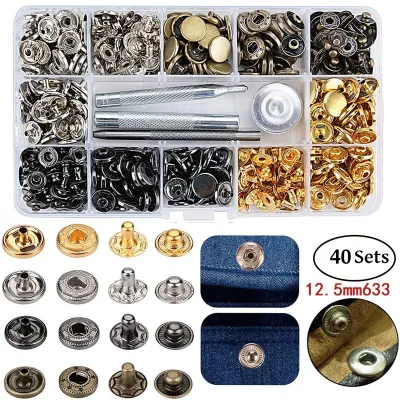
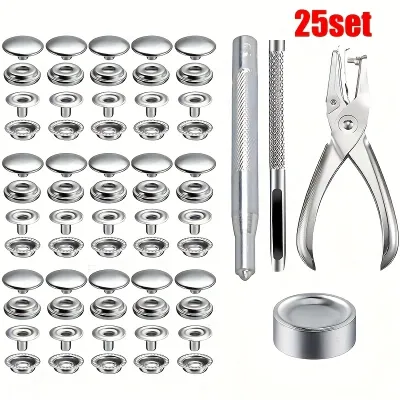
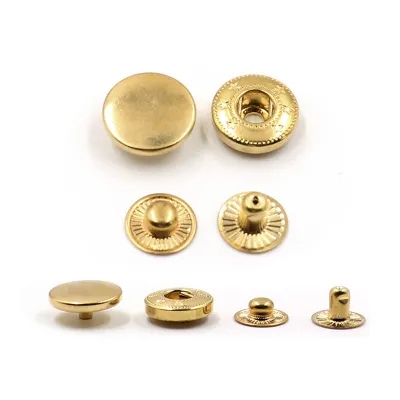
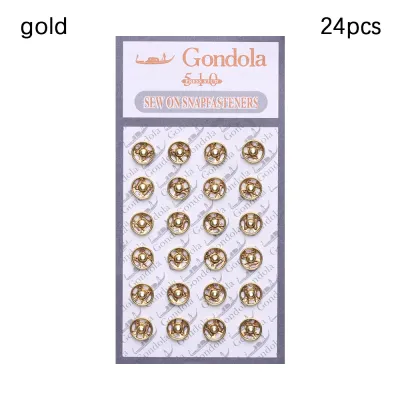
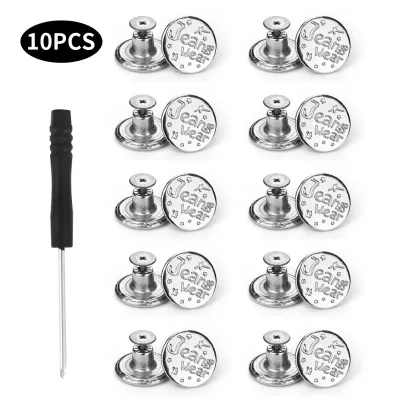
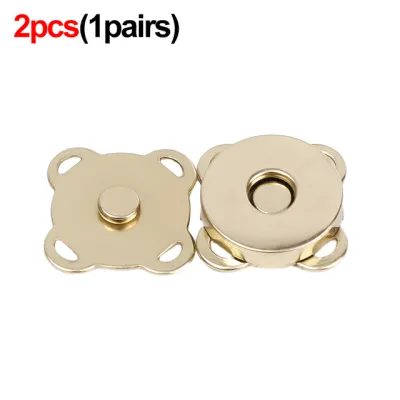
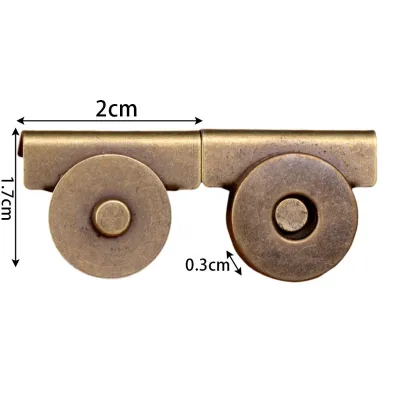
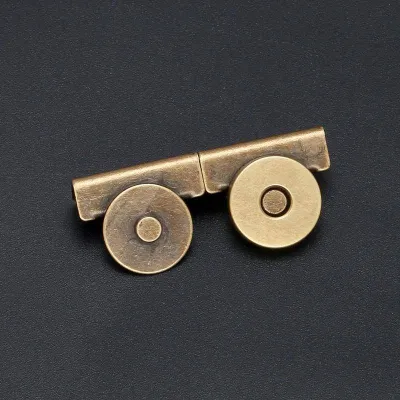
Prices are valid at publication and may change. Please refer to the product page for the latest price.
Finally, decide on the aesthetic and structural role of the hardware. Determine if the project requires a prominent decorative cap that sits on the outside of the fabric, a low-profile design that remains hidden, or a purely functional heavy-duty closure where appearance is secondary.
Match the Attachment Mechanism to Your Fabric and Tools
Metal snap buttons generally fall into two categories: sew-on and no-sew. Choosing between them depends on your fabric type, thickness, and the tools you have available in your sewing kit.

Sew-on snaps are ideal for delicate, exceptionally thick, or heavily layered fabrics. Because they are secured with needle and thread, they do not pierce or compress the fabric fibers. This prevents delicate silks from tearing and allows you to attach fasteners to thick wools where metal prongs cannot reach through all the layers.
No-sew prong snaps work well for standard woven fabrics and light-to-medium crafting projects. These fasteners feature small prongs that penetrate the fabric fibers without cutting them, securing the backing plate in place. They require basic setting tools, such as a hand-strike tool and a mallet, to crimp the prongs flat.
For heavy-duty applications like canvas bags, denim jackets, or outdoor gear, ring spring snaps are a reliable choice. These fasteners use a robust split-ring mechanism inside the socket to provide high holding power. Installing them requires specialized heavy-duty setting pliers, hand presses, or specific anvil dies to roll the metal post securely.
Always check the manufacturer’s instructions for tool compatibility and maximum fabric thickness limits before purchasing. Using the wrong setting tool can deform the metal components, resulting in a weak closure or permanent damage to your project.
Select the Correct Size and Spring Tension for the Load
The diameter of a metal snap button directly influences its holding strength, the size of its base plate, and its visual proportion on your finished item. Selecting the correct size ensures the fastener functions reliably without overwhelming the design.
Light-duty springs, often found in smaller snap diameters, are designed for thin blouses, baby clothes, and lightweight accessories. These mechanisms require very little force to open, protecting delicate fabrics from being stretched or torn during daily use.
Heavy-duty springs, typically paired with larger snap diameters, are engineered for rugged outerwear, bags, and straps. They offer high resistance to accidental opening, ensuring that heavy materials remain securely fastened even under significant tension.
To verify compatibility, check the recommended fabric weight and load capacity listed on the product packaging. If the manufacturer does not provide specific weight guidelines, look for general classifications such as light, medium, or heavy-duty.
Before finalizing your choice, always test the snap tension on a fabric scrap prepared with the same interfacing as your project. Ensure the snap opens and closes smoothly without straining, distorting, or pulling the surrounding fibers.
Choose the Right Metal and Finish for Durability
The metal composition and surface finish of your snap buttons determine how well they resist rust, tarnishing, and wear over time. This is especially important in humid climates, such as in Singapore, where moisture in the air can accelerate corrosion.
Common base metals include brass, stainless steel, and steel alloys. Solid brass and stainless steel offer excellent natural rust resistance, making them suitable choices for items that undergo frequent machine washing or outdoor exposure. Steel snaps are strong but can rust if their protective coating is scratched or worn away.
Plating, anodizing, and painted finishes add both aesthetic appeal and an extra layer of protection. When selecting a finish, consider how the item will be cleaned. Painted or lacquered finishes may chip over time if subjected to high-heat drying or harsh detergents, whereas electroplated finishes tend to be more durable.
If the snap button will have direct or close contact with skin, such as on a fitted shirt or baby apparel, check the product packaging for nickel-free or hypoallergenic labels. This precaution helps prevent skin irritation and allergic reactions.
Review the manufacturer’s care instructions to confirm that the chosen metal and finish can withstand your project’s required washing temperatures and cleaning methods. Some decorative finishes may require gentle hand washing or air drying to maintain their appearance.
Project-Specific Selection Guide
To finalize your decision, match your project category to these practical hardware checkpoints:
- Garments and Apparel: Prioritize smooth, rounded edges that will not snag on other clothing or scratch the skin. Select a spring tension that matches the drape of the fabric, and ensure the metal is completely washable and skin-safe.
- Bags and Heavy Accessories: Focus on heavy-duty ring spring snaps made from high-tensile base metals like solid brass. Ensure the attachment points are reinforced with heavy interfacing or leather washers to distribute the pulling force across the fabric.
- Light Crafts and Stationery Covers: Opt for lightweight, low-profile sew-on snaps or small prong snaps. These options provide a clean closure without adding unnecessary bulk to the spine, edges, or delicate paper linings of your crafts.
Pre-Installation Checks and When to Stop
Proper preparation is key to a successful installation. Always perform a complete test run on a scrap piece of your project fabric, complete with the exact interfacing layers you plan to use. This test allows you to verify the alignment, check the prong length, and practice applying the correct pressure with your setting tools.
If the fabric tears, frays, or shows visible stress marks around the fastener during your test, stop immediately. This is a clear sign that the fabric requires additional reinforcement, such as a stronger interfacing, or that you should switch to a gentler sew-on snap button.
When installing no-sew snaps, always work on a hard, flat, and stable surface, such as a sturdy workbench or a solid cutting block. A soft or uneven surface will absorb the setting force rather than transferring it to the metal, causing the snap components to bend, misalign, or fail to secure properly.
Frequently Asked Questions (FAQ)
Can I reuse a metal snap button if I make a mistake during installation?
No-sew metal snaps, such as prong and ring spring snaps, generally cannot be reused once installed. The metal posts and prongs deform permanently during the setting process to lock the pieces together, and removing them typically bends the hardware out of shape. Sew-on snaps, however, can be carefully unpicked with a seam ripper and sewn onto another project, provided the metal loops remain undamaged. It is always wise to keep a few spare snaps on hand to account for any installation errors.
How do I prevent metal snap buttons from rusting after washing?
To prevent rust, select snap buttons made from naturally corrosion-resistant metals like solid brass or stainless steel, especially for garments that require frequent laundering. After washing, ensure the item is dried thoroughly before folding or storing it, as trapped moisture around the metal base can lead to tarnishing. Always check the manufacturer’s care label for specific washing temperature limits and detergent restrictions to avoid stripping away any protective electroplated or lacquered finishes.
Community discussion
Share your experience or ask a question. Comments are reviewed before publication.