
Choosing the right masking tape for packing and labeling school supplies depends entirely on the specific task at hand, as a tape that excels at sealing heavy boxes of textbooks will easily damage delicate paper folders or leave a sticky residue on plastic pencil cases. For general labeling and color-coding, a low-tack paper masking tape or decorative washi tape offers clean removal without tearing surfaces, while securing heavy storage boxes requires a high-tack, wide utility crepe or flatback paper tape. Matching the tape’s adhesive strength and material to your school items ensures everything stays organized, secure, and undamaged throughout the academic year.
In warm, humid climates, selecting the correct adhesive is particularly important. High humidity can cause low-quality adhesives to degrade, turning into a gooey residue that ruins school bags and stationery, or causing labels to peel off prematurely. By understanding the physical properties of different tapes, parents and students can make informed decisions that protect their school investments.
Understanding Masking Tape Materials and Adhesion Levels
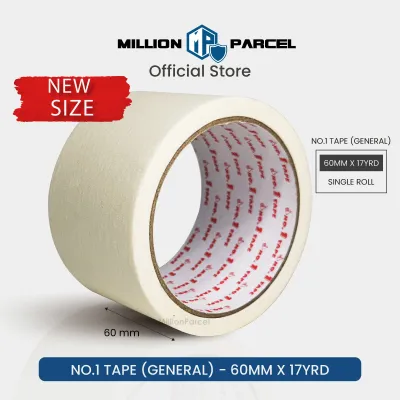
Masking tape is not a single product, but rather a diverse family of paper-based adhesive tapes designed for temporary or semi-permanent use. The most common variety is crepe paper masking tape, characterized by its slightly puckered, textured backing. This texture gives the tape a small amount of stretch, allowing it to conform to curved surfaces like water bottles or round pencil holders. Crepe paper tapes are typically coated with either a natural rubber or a synthetic acrylic adhesive. Rubber-based adhesives offer a quick, strong initial stick but are prone to drying out or melting when exposed to heat and humidity over several months. Acrylic-based adhesives, on the other hand, resist temperature fluctuations and UV light much better, making them ideal for long-term labeling on items that might sit in a warm classroom or school locker.
Products mentioned in this guide
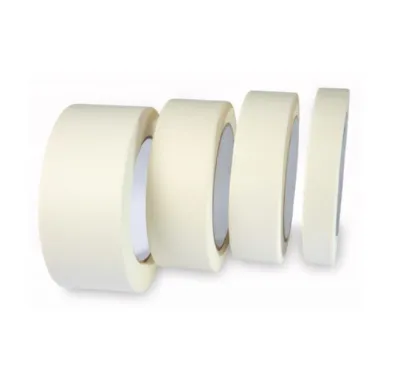
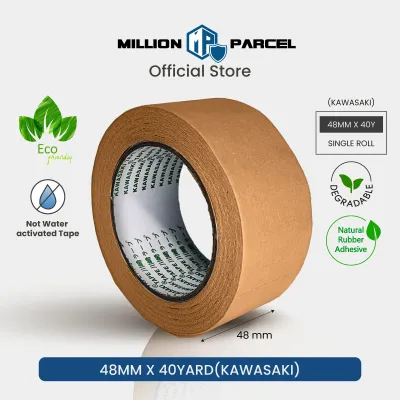
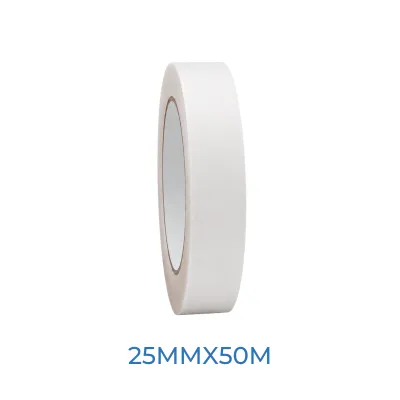
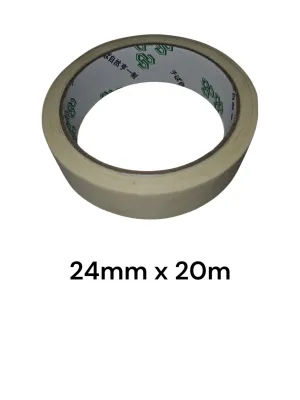
![[18mm x 8 Rolls | 16 Rolls or 24mm x 6 Rolls | 24mm x 12 Rolls ] Transparent Clear Cello Adhesive OPP Tapes Masking Tapes Box Carton Packaging Sealing Adhesive Cellophane Tape Stationery 18mm Tapes](https://img.lazcdn.com/g/p/37a961f3b7b23379290849c39c8df73f.jpg_400x400q80.jpg_.webp)
Prices are valid at publication and may change. Please refer to the product page for the latest price.
Another popular material is Japanese rice paper, commonly known as washi tape. Washi tape is exceptionally thin, smooth, and lightweight, yet surprisingly durable. It features a very low-tack acrylic adhesive designed specifically for clean, effortless removal. Because it does not damage paper fibers, it is the preferred choice for delicate school supplies, such as textbook covers, art portfolios, and sheet music.
Flatback paper tape represents the heavier end of the spectrum. Unlike crepe paper, flatback tape has a smooth, uncreped backing that provides high tensile strength and rigidity. It is designed to withstand mechanical stress, making it highly effective for structural tasks like sealing heavy cardboard boxes or bundling thick stacks of loose-leaf paper. Understanding these material differences allows you to select a tape that matches the physical demands of your specific school preparation tasks.
Matching Tape Features to Specific School Tasks
Every school item has unique physical characteristics, meaning a one-size-fits-all approach to tape selection often leads to frustration. Matching the tape’s width, thickness, and adhesive strength to the specific task prevents damage and ensures labels remain legible.

Packing and Securing Books or Storage Boxes
When packing heavy textbooks, exercise books, or plastic storage tubs for a classroom move or seasonal storage, standard light-duty masking tape will fail under the weight. For these demanding tasks, you require a heavy-duty utility crepe tape or a flatback paper packaging tape. Look for a tape width of at least 48mm (approximately 2 inches) to provide sufficient surface contact and holding power across box seams.
These packing-grade paper tapes feature a high-tack adhesive that bonds instantly to cardboard and plastic. Unlike plastic packing tape, high-quality paper packaging tape can be torn easily by hand, saving time and eliminating the need for scissors during busy packing sessions. Ensure the cardboard surface is completely dry and free of dust before application, as loose particles will compromise the adhesive bond and cause the tape to lift over time.
Labeling Stationery and Folders
Labeling smaller stationery items—such as pens, rulers, calculators, and plastic files—requires a tape that is narrow, easy to write on, and simple to remove at the end of the school term. A standard 18mm or 24mm utility crepe paper tape or a matte-finish washi tape is ideal for this purpose. These widths fit perfectly on the flat surfaces of pencil cases and folder spines without requiring tedious trimming.
Because these labels must display names, subjects, or class details, ink compatibility is a critical factor. Standard crepe paper and matte washi tape have porous, uncoated surfaces that readily accept ballpoint pens, permanent markers, and even some gel pens. This ensures the ink dries quickly and does not smudge when handled daily by busy students. Opt for a medium-to-low tack adhesive to ensure that when the school year ends, the labels can be peeled away cleanly without leaving a stubborn, sticky film on expensive electronic calculators or plastic folders.
Organizing and Color-Coding
Visual organization is an excellent way to help students manage their daily schedules and subjects. Using colored masking tapes allows for an intuitive color-coding system where each subject is assigned a specific hue—for example, blue for science, red for mathematics, and green for language arts. This enables primary and secondary school students to quickly identify the correct files and notebooks from their school bags or lockers.
When selecting tape for color-coding, look for multi-packs of colored crepe paper tape. Ensure the colors are vibrant enough to be distinguished at a glance but light enough that handwritten text remains clearly legible through the ink. The tape should feature a medium-tack adhesive, allowing it to stick securely to plastic dividers, paper folders, and book covers, while still being easy to reposition if organizational plans change during the term.
Key Selection Criteria to Check Before Buying
To ensure you purchase the most effective masking tape for your school preparation needs, keep a few essential criteria in mind while shopping at local stationery stores or online marketplaces. A standard roll of quality masking tape typically costs under S$3 to S$5, making it a highly affordable organizational tool, but choosing the wrong specifications can result in wasted time and damaged supplies.
- Adhesive Strength (Tack Level): Tapes are generally categorized as low, medium, or high tack. Low-tack tapes (often labeled as painter's tape or delicate surface tape) are designed for clean removal up to 14 days or more, making them perfect for labeling textbooks and plastic items. Medium-tack tapes are the standard for general utility and work well on paper folders and cardboard. High-tack tapes are reserved for heavy packing and bundling.
- Write-ability and Ink Absorption: Not all paper tapes accept ink equally. Some masking tapes have a glossy, water-resistant release coating on the non-adhesive side that causes water-based inks from gel pens or rollerballs to bead up, smear, or take hours to dry. If you plan to use standard school pens, look for tapes explicitly described as "write-on" or those with a matte, uncoated paper texture.
- Hand-Tearability: For school-aged children, safety and convenience are paramount. High-quality crepe paper and washi tapes can be easily torn across their width using only fingers. This eliminates the need for safety scissors, allowing younger students to safely participate in labeling and organizing their own school gear.
- Dimensions and Roll Length: Always check the width and length specifications on the packaging. For labeling individual pens and pencils, a narrow 12mm or 18mm tape is easiest to manage. For folder spines and book covers, a 24mm tape provides ample space for legible writing. Ensure the roll length (typically measured in meters) offers good value for your budget.
- Surface Compatibility: Consider the material of the item you are taping. Smooth, non-porous surfaces like glass, metal, and high-density plastics hold adhesive very well, meaning a low-tack tape is usually sufficient. Textured plastics, raw wood, and recycled cardboard have uneven surfaces that require a medium-to-high tack tape to maintain a secure grip.
How to Test and Apply Tape Safely on School Items
To prevent damage to expensive school supplies and ensure your labels stay securely in place, follow a systematic approach to testing, application, and removal.
First, prepare the surface of the item. Dust, moisture, and natural skin oils will severely weaken any adhesive bond. In humid environments, a thin layer of moisture can easily trap itself under the tape, causing it to slide or peel. Wipe the surface thoroughly with a clean, dry microfiber cloth before applying the tape. If the item is particularly dirty or greasy, clean it with a damp cloth and a drop of mild dish soap, then allow it to dry completely before proceeding.
Second, perform an observable trial to verify ink compatibility and drying speed. Cut a small three-centimeter strip of tape and write on it using the specific pen or marker your child plans to use. Wait five seconds, then gently rub the writing with your finger. If the ink smudges or bleeds across the paper fibers, the tape’s surface coating is incompatible with that ink type. You will need to either switch to a permanent, alcohol-based marker or choose a tape with a more porous, uncoated paper backing.
Third, conduct a 24-hour adhesion and removal test on valuable or delicate items, such as electronic dictionaries, leather-bound planners, or varnished pencil cases. Apply a small piece of the selected tape to an inconspicuous area of the item. Press down firmly along the entire length of the strip, as masking tape uses pressure-sensitive adhesive that requires physical pressure to activate its full bonding potential. Leave the tape in place for 24 hours. Afterward, peel it off slowly at a 45-degree angle. Check to ensure the tape removes cleanly without leaving a sticky residue, lifting the surface laminate, or discoloring the material.
Finally, when the school year ends and it is time to remove or replace labels, always peel the tape back slowly and steadily. Ripping the tape off quickly can create high localized tension that tears paper book covers or pulls away protective plastic coatings. If a label has been in place for many months and feels stubborn, applying gentle warmth from a hair dryer for a few seconds can soften the adhesive, allowing for a safe and clean removal.
Frequently Asked Questions (FAQ)
Can I use regular painter's masking tape for school crafts and labeling?
Yes, regular painter’s masking tape is highly suitable for school crafts and labeling. Painter’s tape is simply a specialized type of low-tack crepe paper masking tape designed to peel away cleanly without leaving residue or damaging surfaces. Its low adhesion makes it excellent for temporary labels on plastic folders, lunchboxes, and metal tins, as well as holding paper in place during art projects. However, because it is engineered for easy removal, it does not have the holding power required for packing heavy cardboard boxes or securing heavy bundles of textbooks.
How do I remove sticky residue left by old tape on a plastic pencil case?
If old masking tape has left a sticky, gummy residue on a plastic pencil case, avoid using harsh chemical solvents like acetone or nail polish remover, as these can permanently melt, cloud, or discolor many types of plastic. Instead, apply a few drops of common household vegetable oil, baby oil, or eucalyptus oil directly to the sticky residue. Let the oil sit for three to five minutes to break down the adhesive bonds. Gently rub the area with a soft microfiber cloth or a non-scratch sponge until the residue lifts away. Once clean, wash the pencil case with warm water and mild dish soap to remove the remaining oil, then dry it thoroughly.
Is masking tape safe to use directly on textbook pages?
No, standard masking tape, painter’s tape, and even decorative washi tape should not be used directly on the delicate paper pages of textbooks. Over time, the chemical compounds in standard commercial adhesives can sink into the wood pulp fibers of the book pages, causing the paper to turn yellow, become brittle, or stain. Furthermore, removing the tape later is highly likely to tear the page or lift the printed text. For repairing torn pages or adding permanent notes inside a textbook, always use specialized, acid-free archival document repair tape, which is designed specifically to preserve paper without degrading over time.
Community discussion
Share your experience or ask a question. Comments are reviewed before publication.