
Selecting the right magnetic cloth depends on matching the material’s flexibility, holding strength, and attachment method to the specific demands of your sewing or crafting project. Whether you are crafting a structured canvas tote bag, tailoring a lightweight linen shirt, or assembling a custom home decor piece, the ideal magnetic closure must secure your work without distorting the fabric’s natural drape. By evaluating the thickness of your textile layers and the mechanical stress the closure will face, you can choose a format that integrates seamlessly and functions reliably over time.
Understanding Magnetic Cloth Formats and Structures
Magnetic cloth is not a single uniform material; rather, it comes in several distinct formats designed for different structural needs. The most common varieties include flexible magnetic sheets with integrated fabric backings, individual magnetic snaps encased in sewable cloth pockets, and continuous magnetic tapes. Each format offers a unique balance of rigidity and pliability, which directly influences how your finished project will hang and move.
Flexible magnetic sheets with fabric backing are ideal for projects requiring a broad, continuous magnetic surface. These sheets can be cut to custom shapes, but they tend to be relatively stiff, making them best suited for flat, structured items rather than flowing garments. If your project requires a natural, fluid drape, a heavy sheet will likely cause the fabric to pucker or stiffen unnaturally.
Products mentioned in this guide
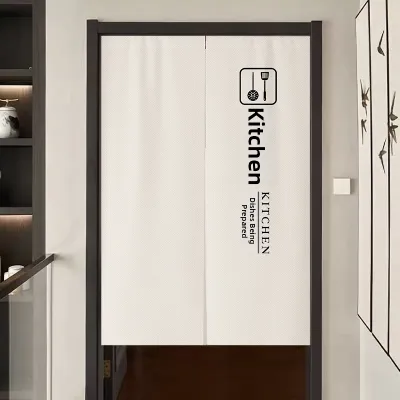
Prices are valid at publication and may change. Please refer to the product page for the latest price.
For projects where flexibility is paramount, magnetic snaps with cloth covers or sewable fabric tabs are often the preferred choice. These individual closures concentrate the magnetic force in a small area while allowing the surrounding fabric to remain completely soft and pliable. Continuous magnetic tapes, on the other hand, offer a middle ground, providing a long line of closure that works well for items like magnetic curtains or lightweight screen doors.
Before purchasing, always check the backing material of the magnetic cloth to ensure compatibility with your assembly method. Some backings are designed specifically for machine or hand sewing, featuring woven fibers that accept standard sewing needles. Others come with heat-activated iron-on adhesives or pressure-sensitive sticky backings, which are excellent for quick, no-sew applications but may not hold up to repeated laundering or heavy physical stress.
Matching Magnetic Strength to Your Project Needs
Determining the correct magnetic strength requires a careful assessment of the fabric layers that will sit between the magnets. Because magnetic force decreases rapidly as the distance between the two magnetic poles increases, even a thin layer of lining fabric can significantly reduce the effective holding power of your closure. If you are working with thick materials like denim, canvas, or wool, you will need a substantially stronger magnet than you would for lightweight cotton or silk.

Consider the mechanical stress and movement the closure will experience during daily use. A closure on a fitted garment or a heavily packed utility bag will face constant lateral and pulling forces, requiring a high-strength magnetic connection to stay secure. Conversely, a decorative flap on a small pouch or a lightweight wall hanging needs only a gentle hold, allowing for easy opening without straining the surrounding stitches.
It is equally important to balance holding power with the physical weight and bulk of the magnet itself. Opting for an excessively strong magnet on a delicate fabric can cause the material to tear or stretch when the closure is pulled open. For fine textiles, select a lightweight, low-profile magnetic cloth that provides just enough tension to close securely without distorting the silhouette of the finished piece.
Selecting Magnetic Cloth for Bags and Accessories
When constructing bags, backpacks, and daily accessories, durability and high holding power are your primary considerations. Bag closures must withstand constant opening and closing while securing heavy items inside. For these demanding applications, heavy-duty sewable magnetic snaps or thick, fabric-backed magnetic strips are highly effective, as they provide a satisfying, secure snap that remains reliable even when the bag is fully loaded.
To achieve a professional, high-end finish, look for magnetic cloth formats that allow for concealed installation between the outer fabric and the inner lining. By sandwiching the magnetic elements inside the bag’s construction layers, you can create a completely invisible closure system. This technique protects the magnet from external wear and tear while maintaining clean, uninterrupted design lines on the exterior of your accessory.
Because bags are subjected to significant friction and pulling, verify that the magnetic cloth you select can withstand repeated mechanical stress without peeling away from its backing. If you are using adhesive-backed magnetic sheets, reinforce the edges with a line of stitching or a high-quality fabric glue. This extra step ensures the magnetic element remains firmly anchored to the bag structure over years of regular use.
Choosing Magnetic Cloth for Garments and Wearables
Integrating magnetic closures into clothing requires a delicate touch to maintain comfort, movement, and a natural silhouette. Heavy or rigid magnetic sheets can create awkward, bulky lines that ruin the fit of a garment. Instead, prioritize lightweight, highly flexible magnetic cloth formats that bend easily with the body’s natural movements and do not weigh down the hem or placket.
Garment care is another critical factor when selecting magnetic materials for wearables. Always check the manufacturer’s specifications for washability, water resistance, and temperature limits before sewing magnets into clothing. Standard flexible magnets can degrade, lose their magnetic properties, or even rust if exposed to hot water, harsh detergents, or the high heat of a clothes dryer.
In warm, humid climates like Singapore, moisture can accelerate the rusting of exposed metal components. Choosing fully sealed, rust-resistant magnetic closures is essential to prevent unsightly orange stains from ruining your fabrics. Additionally, ensure the fabric backing is soft and non-irritating if it will be positioned near the skin, avoiding rough synthetic fibers that might cause discomfort during extended wear.
Picking Magnetic Cloth for Crafts and Home Decor
For craft projects and home decor items, ease of manipulation is often the most important selection criterion. Look for flexible magnetic sheets or tapes that can be easily cut with standard craft scissors or a rotary cutter. The material should cut cleanly without fraying at the edges, allowing you to create custom shapes, letters, or intricate patterns for interactive displays and decorative panels.
If your craft project involves visible magnetic elements, consider the surface texture of the magnetic cloth. Some varieties feature a smooth, paintable canvas or paper-like backing that accepts acrylic paints, fabric markers, or screen printing. This allows you to blend the magnet seamlessly into your artwork or create colorful, custom-designed refrigerator magnets and educational toys.
Evaluate whether an adhesive-backed or a sewable magnetic cloth is better suited for your specific craft. Adhesive-backed options are incredibly convenient for quick, no-sew projects like paper crafts, wooden signs, or lightweight holiday decorations. However, for fabric-based crafts, soft toys, or items that will be handled frequently, a sewable magnetic cloth provides a much more permanent and secure bond that will not fail over time.
Essential Checks Before Sewing or Gluing
Before committing to permanent installation, always perform a physical test of the magnet’s pull force using scrap pieces of your actual project fabric. Sandwich the fabric layers between the magnets to observe how they behave. This trial allows you to verify if the magnetic hold is strong enough to keep the layers together, or if it is so strong that it distorts or damages the textile when pulled apart.
When it comes to assembly, never attempt to sew directly through a solid magnetic core, as this will instantly break your sewing machine needle and potentially damage the machine’s internal timing. Instead, carefully guide your stitches through the designated fabric margins, woven backings, or plastic sleeves provided around the magnet. If your magnetic cloth does not have a sewable border, use a specialized fabric adhesive or construct a small fabric pocket to hold the magnet securely in place.
Finally, review the manufacturer’s care instructions regarding heat tolerance before applying any heat to your project. Many flexible magnetic materials are sensitive to high temperatures and can melt, warp, or lose their magnetic strength if exposed to a hot iron. If you must press seams near the magnetic elements, use a low heat setting and a protective pressing cloth to shield the magnet from direct thermal contact.
Frequently Asked Questions (FAQ)
Can I wash garments made with magnetic cloth?
Yes, but you must verify the specific care instructions provided by the manufacturer before laundering. While some specialized magnetic snaps are fully sealed in waterproof plastic sleeves and can withstand gentle machine washing, standard flexible magnetic sheets may degrade, warp, or rust when exposed to water and high dryer temperatures. To preserve the life of your garment, consider hand washing or using a delicate cycle, and always air dry the item away from direct heat sources.
Will sewing through magnetic cloth damage my sewing machine?
Sewing directly through the solid magnetic portion of the cloth will likely break your needle, bend the needle bar, or disrupt your machine’s timing. To prevent damage, always sew through the designated fabric margins, woven backing, or outer vinyl sleeves designed specifically for stitching. If you are working close to the magnetic field, use a non-magnetic zipper foot or a plastic Teflon foot to prevent the machine’s metal presser foot from sticking to the magnet as you sew.
Community discussion
Share your experience or ask a question. Comments are reviewed before publication.