
Selecting the perfect magnetic buckle for a sewing or craft project requires balancing three core pillars: the physical weight of your fabric, the required magnetic pull force, and the installation method that matches your technical skills. A buckle that is too weak will constantly pop open under the slightest tension, rendering a bag or garment impractical. Conversely, a magnet that is too strong can distort, stretch, or even rip delicate fabrics during daily use. By systematically evaluating your project’s structural needs, understanding how hidden fabric layers reduce magnetic attraction, and choosing corrosion-resistant materials suitable for your local climate, you can ensure a professional, durable finish that stands up to years of wear.
Assess Your Project's Fabric and Usage Needs
Before browsing hardware catalogs or visiting local craft shops, you must analyze the physical characteristics of the fabric you plan to use. Fabric thickness, weight, and stiffness are the primary factors that dictate how a magnetic closure behaves. Lightweight materials like silk, voile, or quilting cotton lack the inherent structure to support heavy metal hardware without sagging. Medium-weight fabrics such as linen, denim, or light canvas offer more stability but still require careful reinforcement. Heavyweight materials like thick leather, oilskin, or upholstery-grade canvas possess the structural integrity to carry larger, more powerful magnetic closures without losing their shape.
The next step is to evaluate the specific stress points and functional demands of your design. Consider how the closure will be used in daily life. A high-tension flap on a messenger bag or a heavily packed tote experiences significant outward pressure, requiring a closure with substantial holding power to keep the contents secure. In contrast, an interior slip pocket, a decorative flap, or a lightweight pouch experiences minimal stress and only needs a gentle magnetic hold to stay neatly in place. Matching the buckle’s strength to these functional demands prevents premature wear on both the hardware and the surrounding fabric.
Products mentioned in this guide
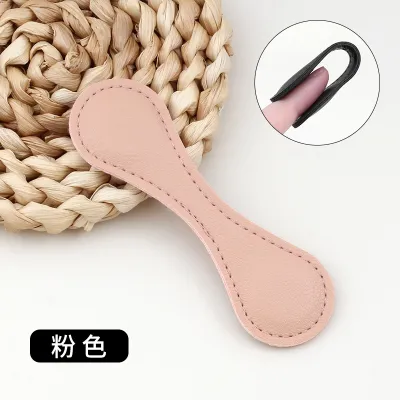
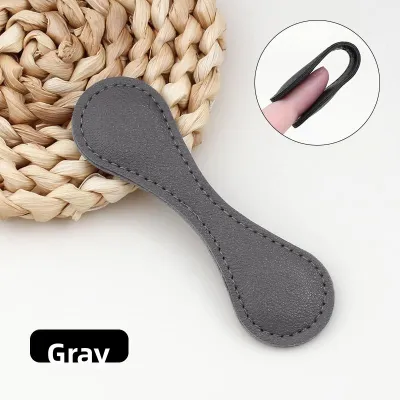
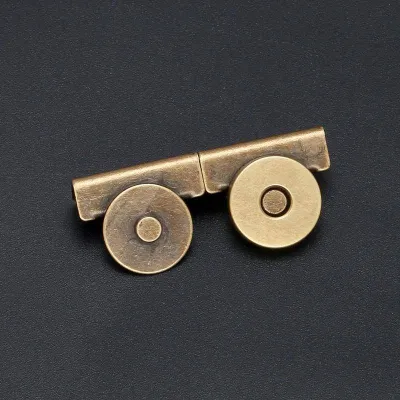
Prices are valid at publication and may change. Please refer to the product page for the latest price.
Finally, consider the environmental conditions the finished item will encounter. In warm, highly humid environments like Singapore, everyday accessories are frequently exposed to moisture, sweat, and sudden tropical downpours. If your project is a commuter backpack, a washable garment, or outdoor gear, the hardware must be able to withstand these conditions without rusting or tarnishing. Frequent laundering also introduces mechanical stress and chemical exposure from detergents, which means you must select materials and finishes specifically rated for washability and corrosion resistance from the outset.
Match Magnetic Pull Strength to Your Material
Magnetic pull strength—often referred to as pull force—is the measure of how much tension is required to separate the two halves of a magnetic buckle. When sourcing hardware, always consult the manufacturer’s technical specifications for the exact pull force rating rather than assuming that a larger physical size automatically equals a stronger magnet. Some small, high-density neodymium magnets can exert a surprisingly powerful pull, while larger ferrite magnets of a lower grade might offer a much gentler hold.

A critical concept to understand in fabric construction is the “air gap” or barrier effect. When you install a magnetic buckle, the magnets are rarely in direct, metal-to-metal contact. Instead, they are separated by layers of fabric, interfacing, and lining. Each of these layers acts as a physical barrier that increases the distance between the magnetic cores, rapidly degrading the effective magnetic flux. For example, a magnet with a rated pull strength of 1.5 kilograms might only exert a fraction of that force when buried behind a layer of heavy canvas and a thick fusible stabilizer. You must select a magnet with a higher rated pull strength to compensate for these hidden layers.
However, using an excessively strong magnet on a delicate or unreinforced fabric is a recipe for disaster. If the magnetic attraction is too powerful, the user will have to pull hard on the fabric to open the closure. Over time, this repetitive pinching and pulling will stretch the fibers, distort the seams, and eventually cause the fabric to tear around the installation site. The closure should always release smoothly without requiring excessive force that deforms the project.
To guide your selection, use this conceptual framework to match magnetic pull strength to your fabric weight:
- Lightweight Fabrics (Silks, Voile, Quilting Cotton): Select a very light pull strength, typically under 0.5 kilograms of force. The closure should separate with minimal effort to protect the delicate weave.
- Medium-Weight Fabrics (Linen, Denim, Light Canvas, Soft Leather): Choose a medium pull strength, ranging from 0.5 to 1.2 kilograms of force. This provides a secure hold for everyday bags and pouches without straining the seams.
- Heavyweight Fabrics (Heavy Canvas, Thick Leather, Upholstery): Opt for a high pull strength, between 1.2 and 2.5+ kilograms of force. This ensures the closure remains securely fastened even when the item is fully packed or subjected to movement.
Select the Ideal Buckle Size and Shape
The physical dimensions and geometry of a magnetic buckle play a dual role in your project, affecting both its visual appeal and its structural durability. The diameter or overall footprint of the buckle determines how the pulling force is distributed across the fabric. A larger buckle (such as an 18mm or 20mm round snap) distributes the physical stress of opening and closing over a wider surface area, which helps prevent the fabric from stretching or tearing. A tiny 10mm or 12mm buckle concentrates all the force in a very small area, making fabric reinforcement absolutely critical.
The shape of the buckle should align with both the aesthetic and functional requirements of your design. Consider these common shapes and their typical applications:
- Round Buckles: The most versatile and widely available option. Because they have no sharp corners, they distribute stress evenly in all directions and are incredibly easy to align during installation.
- Rectangular and Square Buckles: Ideal for wide flaps, modern geometric designs, or straps. Rectangular buckles provide a wider horizontal or vertical footprint, which helps prevent wide flaps from twisting or shifting sideways when closed.
- Oval or Custom Shapes: Often chosen for decorative, high-end designs where the hardware serves as a prominent visual feature on the exterior of the item.
Before finalizing your choice, carefully measure the clearance and seam allowances on your project pattern. A magnetic buckle must sit far enough away from any stitching lines, edge finishes, or bindings to prevent interference during construction. If a buckle is placed too close to a seam, your sewing machine foot may strike the metal housing, leading to skipped stitches, broken needles, or damaged hardware. As a general rule, allow at least 10mm of clear space between the outer edge of the buckle and any planned stitching lines.
Choose Materials and Finishes for Durability
The metal composition and surface treatment of a magnetic buckle determine how well it will resist wear, moisture, and chemical exposure over time. Choosing the wrong material can lead to unsightly rust stains on your fabric or a tarnished finish that ruins the look of your handiwork.
Understanding the characteristics of common base materials is essential:
- Stainless Steel: The gold standard for durability and corrosion resistance. It is highly recommended for items that will be frequently washed, exposed to outdoor elements, or used in humid climates.
- Brass: Naturally rust-resistant and highly durable. Solid brass hardware develops a beautiful patina over time and offers a premium weight and feel.
- Zinc Alloy: A common and cost-effective material that can be cast into intricate shapes. While lightweight, it relies heavily on its outer plating to prevent oxidation, making high-quality plating essential.
Surface finishes not only match your project’s aesthetic but also provide a protective barrier for the base metal. Popular options include bright nickel-plated, antique brass, gunmetal, and painted or enameled finishes. When coordinating hardware, try to source all your metal components (zippers, sliders, D-rings, and buckles) from the same manufacturer to ensure a consistent color match, as “antique brass” can vary significantly between brands.
Before purchasing, verify the manufacturer’s care instructions or material labels to confirm the buckle’s washability and rust resistance. This is especially important for garments, reusable grocery bags, or everyday accessories that will face frequent laundering. If the manufacturer does not explicitly state that the hardware is rust-proof or washable, assume it is dry-clean or spot-clean only.
Additionally, if you are creating wearable items—such as jackets, cuffs, or closely fitted bags—that will have prolonged, direct contact with the skin, always check for nickel content. Many inexpensive plated buckles contain nickel, which can trigger allergic contact dermatitis in sensitive individuals. Opt for certified nickel-free hardware for any skin-facing applications.
Pick the Right Installation Type for Your Skills
Magnetic buckles are categorized by how they attach to your project. Selecting the right installation type ensures that you have the necessary tools, skills, and construction steps prepared before you begin assembling your fabric layers. Always read the specific product instructions provided by the manufacturer before starting, as installation tolerances and hole sizes vary significantly between brands.
Sew-In and Hidden Magnetic Buckles
Sew-In and hidden magnetic buckles are designed for projects where you want a clean, uninterrupted fabric surface with no visible hardware on the exterior. These magnets are typically encased in a small, square-shaped vinyl or plastic sleeve that allows you to stitch them directly to the interfacing or lining fabric before the final assembly.
- Application: Perfect for elegant clutches, reversible bags, garment closures, and delicate fabrics where punching holes is undesirable.
- Stitching Requirements: Because you must sew through or around the plastic casing, use a heavy-duty sewing machine needle (such as a denim or leather needle, size 90/14 or 100/16) and a strong polyester or nylon thread. Adjust your stitch length to be slightly longer (around 3.0mm) to avoid perforating and weakening the plastic sleeve, and sew slowly to ensure your needle does not strike the hard magnet inside.
Prong, Snap-In, and Clasp Buckles
Prong and snap-in buckles are surface-mounted closures that show a decorative metal cap on the outside of the fabric. They feature metal prongs on the back of each half that penetrate the fabric layers and fold down over a metal backing washer to lock the hardware securely in place.
- Application: Commonly used on heavy-duty backpacks, tote bags, satchels, and leather goods where visible metal hardware complements the design.
- Installation Tools: Installing these buckles requires punching precise holes or small slits in your fabric. You will need a dedicated hole punch, a small chisel, or a sharp seam ripper to make the openings, along with a pair of flat-nose pliers or a prong-setting tool to fold the prongs flat. Always place a scrap piece of thick leather or heavy felt between your pliers and the decorative metal cap to avoid scratching the polished finish during installation.
Test and Verify Before Final Assembly
One of the most common mistakes in bag making and garment sewing is installing hardware directly onto the final project without testing it first. Once a hole is punched or a prong is bent, it is incredibly difficult to reverse the process without leaving permanent damage on your fabric.
To prevent costly errors, always create a test swatch using the exact fabric, interfacing, and lining layers planned for your final project. If you plan to use a specific fusible fleece, woven stabilizer, or decovil, include those exact materials in your test sandwich. This swatch will give you an accurate representation of how the magnetic buckle will perform in the finished item.
Once your test swatch is assembled, run through this verification checklist:
- Snap Alignment: Do the two halves of the buckle find each other naturally and snap together without requiring manual adjustment?
- Ease of Opening: Can you open the closure smoothly with one hand, or does it require a two-handed struggle that distorts the fabric?
- Fabric Distortion: When you pull the magnets apart, does the fabric stretch, pucker, or show signs of stress around the installation site?
- Magnetic Hold: Does the closure stay securely shut when you gently shake the swatch or apply a realistic amount of weight to simulate a packed bag?
If your test swatch fails any of these checks, you must make adjustments before proceeding. If the fabric puckers or pulls, add an extra layer of firm, non-woven interfacing or a small scrap of leather behind the backing washer to distribute the stress. If the magnetic hold is too weak, you may need to reduce the thickness of the fabric layers between the magnets, switch to a stronger pull-strength rating, or choose a larger buckle size.
Stop Condition: If the fabric tears, stretches permanently, or if the magnet fails to hold the test swatch securely during your trial, do not proceed with the final assembly. Stop and consult the manufacturer’s guidelines, or upgrade your fabric reinforcement and hardware specifications before continuing.
Frequently Asked Questions (FAQ)
Can magnetic buckles be washed in a washing machine?
Whether a magnetic buckle can withstand machine washing depends entirely on its base material and protective finish. High-grade stainless steel and solid brass buckles are generally safe for gentle machine washing, provided they are washed inside a laundry bag to prevent the heavy metal from striking the washing machine drum. However, inexpensive zinc alloy or plated steel buckles can easily rust or lose their protective plating when exposed to laundry detergents and prolonged water contact. Always check the manufacturer’s care label or product specifications before washing. To prolong the life of your hardware and prevent rust, it is highly recommended to air-dry any items containing magnetic buckles rather than putting them in a hot dryer.
How do I prevent magnetic buckles from rusting on outdoor gear?
To prevent rust on outdoor gear, backpacks, or marine equipment, you must select inherently corrosion-resistant materials such as marine-grade stainless steel or solid brass. Avoid plated steel buckles, as the protective coating will eventually scratch off, exposing the vulnerable iron underneath to moisture and oxygen. For routine maintenance, always wipe your buckles dry with a clean, soft cloth after exposure to rain, heavy humidity, or saltwater. Additionally, never use harsh chemical cleaners, vinegar, or abrasive scrubbing pads on your hardware; these substances can strip away the protective clear coats and surface finishes, leaving the base metal completely exposed to rapid oxidation.
Community discussion
Share your experience or ask a question. Comments are reviewed before publication.