
Choosing the right magnetic buckle button requires balancing physical dimensions, magnetic pull strength, and fabric compatibility. When these elements align, your closure functions smoothly without straining the surrounding material or distorting the drape of your project. Selecting the wrong specification can lead to sagging fabric, torn fibers, or a closure that pops open under the slightest tension. By evaluating your project’s weight, stress points, and installation requirements, you can select a fastener that offers both structural security and a clean, professional finish.
Decoding Magnetic Buckle Button Specifications
Understanding the technical details on a magnetic buckle button package helps you predict how the fastener will behave once installed. Manufacturers typically list three primary measurements: diameter, pull strength, and thickness. Each of these specifications directly influences the performance and appearance of your finished piece.
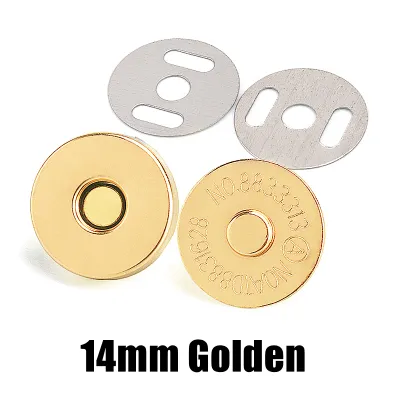
Diameter refers to the physical width of the button face, usually measured in millimeters. This dimension determines how much surface area the button covers and how it scales visually against your project. A larger diameter distributes the physical stress of opening and closing over a wider area of fabric, which is crucial for preventing localized wear and tear.
Products mentioned in this guide
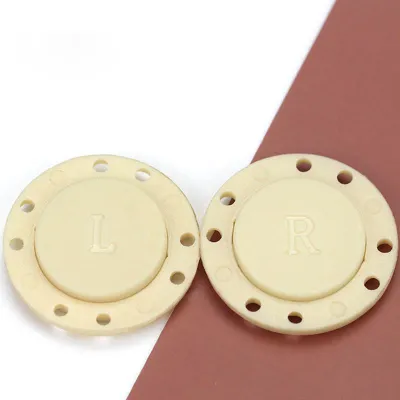
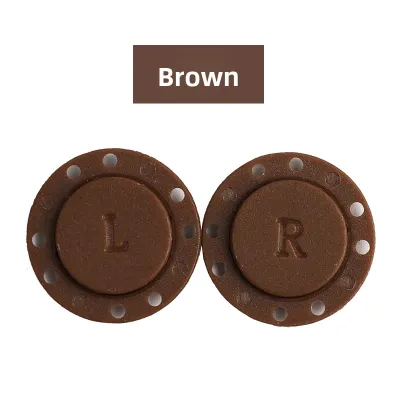
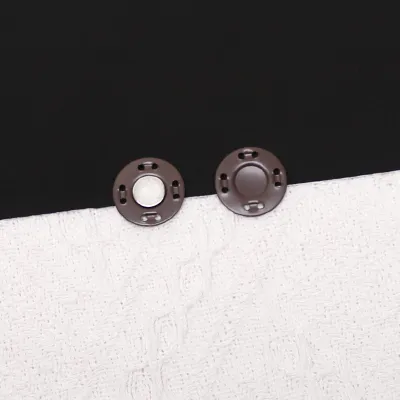
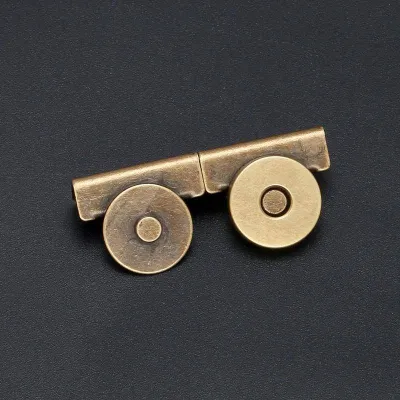
Prices are valid at publication and may change. Please refer to the product page for the latest price.
Pull strength indicates the amount of force required to separate the two halves of the magnetic closure. While testing standards can vary between manufacturers, this rating gives you a relative sense of how secure the bond will be. High pull strength is essential for items that experience constant movement, while a lighter pull is better suited for delicate applications.
Thickness, or the profile height of the button when closed, affects how flat the closure sits against the fabric. A thick button can create an unsightly bulge in lightweight garments, whereas a thin profile allows the closure to remain virtually invisible. Balancing thickness with the natural drape of your material ensures the fastener does not disrupt the silhouette of your design.
Matching Button Size to Your Fabric and Project
Selecting the physical size of your magnetic buckle button is a balancing act between aesthetic proportion and structural support. The weight of your fabric is the primary guide for determining the appropriate diameter.

For lightweight fabrics such as silk, linen, or thin cotton, smaller diameters ranging from 10mm to 14mm are generally ideal. These compact sizes prevent the weight of the metal from dragging down the fabric, which can cause unsightly sagging or puckering. Using a small button keeps the closure discreet and maintains the natural flow of the garment.
Heavyweight fabrics, canvas, denim, and structured bags require larger diameters, typically between 18mm and 22mm. These substantial sizes are necessary to distribute the mechanical stress of pulling the magnet apart. Without a wider base, the repeated force of opening the closure can easily stretch or tear heavy fibers over time.
Beyond structural integrity, consider the visual proportion of the button in relation to the overall project. A tiny button on a large tote bag looks out of place and may feel awkward to operate, while a massive button on a delicate blouse collar will overwhelm the design. Laying the button onto your pattern pieces before cutting your fabric helps you verify that the scale is visually balanced.
Choosing the Right Magnetic Pull Strength
The mechanical stress your closure will experience dictates the level of magnetic force required. Matching the pull strength to the function of the opening ensures the closure remains secure without being frustratingly difficult to open.
Low-stress closures benefit from a lighter magnetic pull. Decorative pocket flaps, loose-fitting cardigans, and lightweight scarves only need enough force to keep the fabric aligned. A gentle pull strength allows the user to open the closure effortlessly with one hand, protecting delicate fabrics from being yanked or stretched during daily use.
High-stress closures, such as those on backpacks, messenger bags, and fitted outerwear, demand a much stronger magnetic bond. These items are subject to constant movement, shifting contents, and external tension. A strong pull strength ensures the compartment stays securely closed even when the bag is fully packed or carried during a busy commute.
To verify the suitability of a button’s pull strength, check the manufacturer’s packaging for specific force ratings or physical descriptions. Before committing to the final installation, temporarily secure the magnetic halves to fabric scraps of the same weight. Testing the closure manually under expected tension allows you to feel if the resistance is appropriate for your project’s needs.
Navigating Thickness and Installation Methods
The physical profile of a magnetic buckle button is closely tied to how it is attached to your project. Choosing the right installation method ensures the button remains securely anchored without damaging the surrounding material.
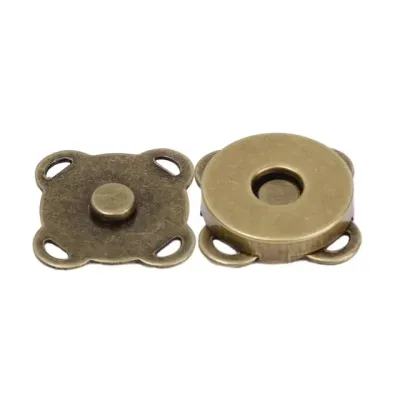
Sew-through magnetic buttons and prong-back fasteners represent the two primary installation styles. Sew-through options feature a vinyl or fabric border that allows you to stitch the button directly to the lining, resulting in a flatter profile and zero visible hardware on the exterior. Prong-back buttons use metal tabs that fold over a backing washer, offering a highly secure mechanical hold that is ideal for heavy-duty bags but adds more physical thickness.
Regardless of the style you choose, incorporating interfacing or stabilizers is essential for protecting your fabric. Adding a small square of firm fusible interfacing or heavy canvas between the fabric layers reinforces the area around the button. This backing material absorbs the physical pull of the magnets, preventing the metal from wearing holes through your fashion fabric.
Finally, verify that your sewing tools are compatible with the button’s design. If you are using a sewing machine, ensure you can navigate around the magnetic housing without hitting the metal core with your needle. Utilizing a zipper foot or a specialized button-sewing foot allows you to stitch close to the edge of sew-through magnets safely, while hand-sewing needles should be strong enough to pass through any pre-punched vinyl borders.
Frequently Asked Questions (FAQ)
Can magnetic buckle buttons damage my sewing machine?
Sewing near magnetic components requires caution to avoid damaging your machine’s needle or internal mechanisms. Stitching directly over the hard metal housing or the magnetic core can instantly bend or shatter your sewing needle, potentially damaging the needle plate or timing mechanism. To prevent this, always use a zipper foot to maintain a safe clearance from the raised center of the button, or sew the final attachment stitches by hand to ensure complete control over needle placement.
How do I clean garments with magnetic buckle buttons?
Maintaining the integrity of magnetic closures during laundering requires checking the manufacturer’s care instructions for specific temperature and water-resistance limits. Generally, you should fasten the magnetic buckle buttons before washing to prevent the metal parts from clinging to the washing machine drum or snagging other garments. Placing the item inside a mesh laundry bag provides an extra layer of protection, reducing friction and preventing moisture from lingering inside the button housing, which helps avoid rust over time.
Community discussion
Share your experience or ask a question. Comments are reviewed before publication.