
A successful sewing or crafting project relies on closures that are both functional and visually seamless. Choosing the right magnet button requires balancing the weight of your fabric, the frequency of use, and the specific construction of your item. By matching the closure’s attachment style and magnetic pull to your project’s structural needs, you ensure a secure hold that does not damage your material over time.
Understanding Magnet Button Types and How They Attach
Sewing and crafting projects demand different structural approaches depending on the materials used and the desired aesthetic. Magnet buttons, also known as magnetic snaps, are categorized primarily by how they attach to your project. Understanding these mechanisms allows you to select a style that matches your sewing skills and the physical demands of the item.
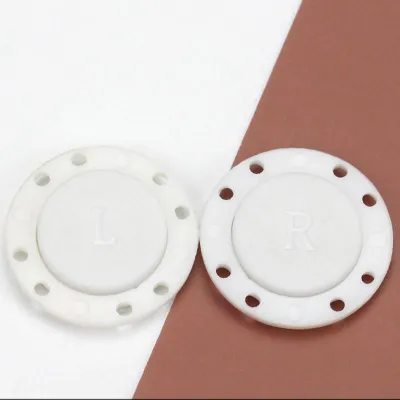
Sew-in (Sew-on) Magnet Buttons These fasteners feature a magnet enclosed in a plastic sheath, a fabric ring, or a metal frame with pre-drilled holes around the perimeter. You stitch them directly to the fabric or lining using standard sewing thread or heavy-duty topstitching thread. Because they do not require piercing the main fabric body, they are excellent for maintaining the structural integrity of delicate materials. They can also be hidden completely between the outer fabric and lining, providing a clean, uninterrupted exterior.
Products mentioned in this guide
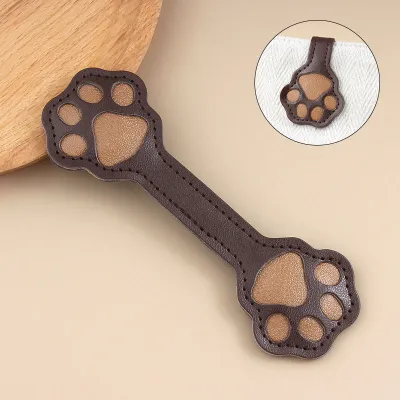
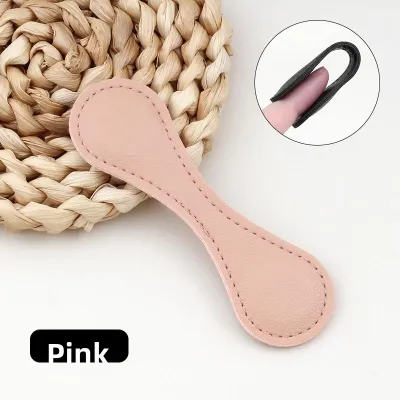
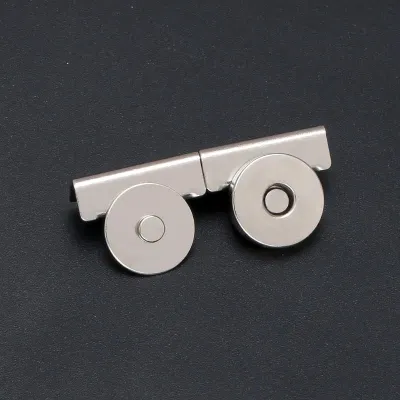
Prices are valid at publication and may change. Please refer to the product page for the latest price.
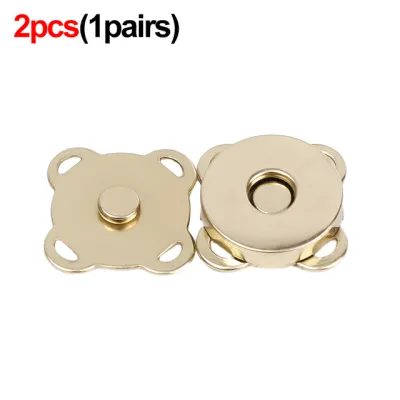
Prong (Snap-on) Magnet Buttons This style consists of a male and female pair, each equipped with two flat metal prongs on the back, along with separate metal backing washers. The prongs pierce through the fabric and are folded flat over the washer to lock the button securely in place. This mechanism offers an exceptionally strong, mechanical grip that resists heavy pulling forces. It is the industry standard for bags, backpacks, and structural accessories that experience frequent opening and closing.
Glue-in (Adhesive) Magnet Buttons These are flat, unshielded disc magnets designed to be bonded directly to surfaces using high-strength craft adhesives. They lack sewing holes or prongs, making them ideal for rigid, non-porous craft materials like wood, thick cardboard, molded resin, or plastics where sewing is physically impossible. They require a clean, flat surface and a compatible adhesive to ensure a permanent bond.
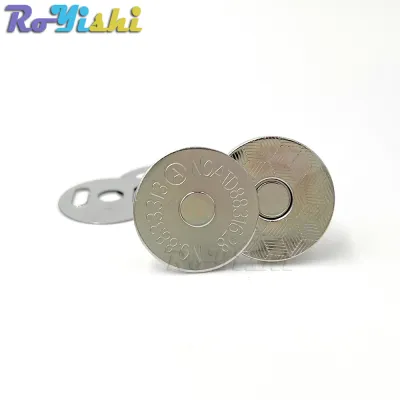
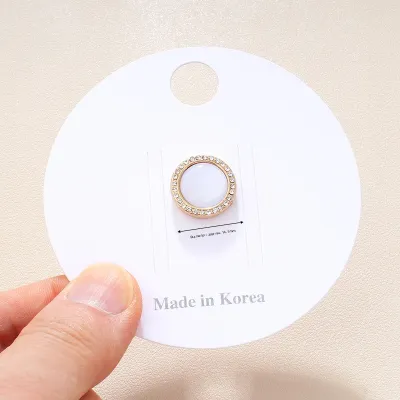
Hidden vs. Visible Designs Visible magnetic snaps often feature polished metal finishes, such as antique brass, gunmetal, or gold, and act as decorative design elements on pocket flaps or jacket closures. Hidden magnets, conversely, are incredibly thin, flat discs—often encased in waterproof PVC sleeves—sewn inside the lining layers. They create a clean, minimalist exterior with a self-closing action, keeping the hardware entirely out of sight.
Matching the Right Magnet Button to Your Specific Project
Selecting the correct magnet button involves evaluating how the finished item will be used, how often it will be opened, and the physical properties of the fabric.

Handbags, Totes, and Heavy Bags
Bags undergo continuous stress from being packed, carried, and opened repeatedly, which demands high-strength fasteners. For heavy-duty canvas, thick leather, or dense denim, prong-style magnet buttons are highly recommended because their mechanical backing plates distribute the opening pull across a larger surface area. If you prefer a hidden closure on a heavy bag, opt for large-diameter sew-in magnets encased in durable PVC, ensuring the magnet is powerful enough to penetrate thick layers.
Before purchasing, always compare the thickness of the backing plate and the length of the prongs against the compressed thickness of your fabric layers. If the prongs are too short for your leather or heavy canvas, they will not fold over the washer securely, leading to eventual failure.
Furthermore, structural reinforcement is mandatory when installing magnetic closures on bags. Always fuse a firm layer of woven or non-woven interfacing, or insert a scrap of heavy stabilizer behind the fabric where the prongs or stitches will sit. This prevents the constant tugging from tearing the main fabric or pulling the magnet completely through the outer shell.
Garments, Cardigans, and Light Jackets
Clothing requires a completely different approach, prioritizing comfort, flexibility, drape, and regular maintenance. Heavy metal snaps or stiff prong backings will drag down lightweight knits, linens, or fine cottons, distorting the garment’s silhouette and creating awkward bulges. For apparel, thin, low-profile sew-in magnets or flexible magnetic tapes are the ideal choice because they bend naturally with the body’s movements.
Because garments are subjected to frequent laundering, moisture, and sweat, you must verify the rust-resistance of the metal finish on the product packaging. Look for stainless steel, solid brass, or specialized plastic-coated waterproof magnets that protect the iron core from oxidizing. In Singapore’s humid climate, unprotected iron magnets can rust rapidly, leaving permanent, unsightly brown stains on your fabrics.
Avoid using thick prong-style magnets on lightweight or stretchy garments altogether. The sharp metal prongs can easily slice through delicate knit loops or fine woven threads, and the weight of the heavy backing plate will ruin the natural hang of cardigans and light jackets.
Crafts, Pouches, and Small Accessories
Small-scale craft projects, such as fabric coin purses, glasses cases, and decorative boxes, require a careful balance of proportion and ease of assembly. For small fabric pouches, compact sew-in magnets with a diameter of 10mm to 14mm provide sufficient holding power without overwhelming the delicate scale of the item.
For rigid crafts made of resin, wood, or acrylic, flat glue-in magnets are the most practical option. When using adhesives, always verify that the glue is chemically compatible with both the magnet’s metal surface and your craft material; some solvents in heavy glues can melt certain plastics or fail to bond to smooth metal. It is highly recommended to perform a bond test on a hidden scrap piece of your material to ensure the adhesive cures securely and does not damage the finish.
Additionally, consider the ergonomics of your finished craft. An excessively strong magnet on a small, delicate box or coin purse can make it frustratingly difficult to open with one hand, potentially ripping the seams or breaking the adhesive bond over time.
Evaluating Size, Strength, and Material Before You Buy
A successful installation depends on matching the physical specifications of the magnet button to the technical requirements of your project.
Diameter and Thickness The physical dimensions of a magnet button directly dictate its performance and aesthetic integration. A larger diameter increases the contact surface area, which naturally enhances the shear resistance and holding security of the closure. However, thickness determines how far the button will protrude from the fabric surface; thin magnets are essential for sleek, hidden closures, while thicker buttons are easier to locate by feel. Always measure the compressed thickness of your fabric layers using a ruler or caliper, and check the product’s dimension specifications to ensure a flush, tidy fit.
Magnetic Strength Assessment Consumer haberdashery packaging rarely lists precise physical measurements like Gauss ratings. Instead, you must rely on manufacturer descriptors such as “light-duty,” “standard,” or “heavy-duty” to gauge performance. When shopping in-store, physically test the pull-apart resistance of a sample pair to feel if the grip matches your fabric’s weight; if purchasing online, read verified user feedback to see how the magnets perform on projects similar to yours.
Material and Finish Verification The base metal and surface treatment of a magnet button determine its durability and appearance. Common base materials include zinc alloy, brass, and copper, which are typically plated with nickel, gold, or antique bronze finishes. Always read the product label to verify that the buttons have an anti-rust coating, especially if the finished item will be washed or exposed to humid environments.
Clearance and Alignment A common oversight is failing to account for the physical depth of the male and female parts of the closure. When the fabric folds over, these two halves must align perfectly to achieve maximum magnetic attraction. If there is a physical gap caused by bulky seams or misaligned placement, the magnetic hold will drop exponentially, rendering the closure ineffective.
Safe Installation Practices and Fabric Protection
Installing magnetic fasteners requires precision and care to avoid damaging your project materials permanently.
Irreversible Modifications Installing prong-style magnetic snaps requires you to cut small slits in your fabric to accommodate the metal prongs. Because these cuts are permanent and cannot be undone, accuracy is paramount. Always measure your placement twice, mark the exact slit locations using a water-soluble fabric pen, and practice the entire installation process on a scrap piece of your project fabric—complete with the exact interfacing layers—before cutting into your final piece.
Manufacturer Instructions Always read and follow the specific installation guide provided by the manufacturer of your magnet button. Pay close attention to the correct orientation of the backing washer (which often has a slight curve or recess to nest the folded prongs) and use the recommended tools. While flat-nose pliers are commonly used to bend prongs inward or outward, a specialized setting tool can help secure the prongs flat against the washer without scratching the metal finish.
When to Stop and Seek Help If you are working with exceptionally delicate, slippery, or expensive fabrics like silk, satin, or sheer organza, standard prong fasteners are highly risky. If you notice the fabric fibers fraying or separating during the marking or cutting process, or if the backing plate feels too small to safely distribute the load, stop immediately. In these cases, consult a professional tailor or consider switching to a lightweight, sew-in magnetic tape that distributes the weight along a stitched seam instead of a single stress point.
Frequently Asked Questions (FAQ)
Can I wash garments with magnet buttons in a washing machine?
Always check the care label of your garment and the manufacturer’s instructions on the magnet button packaging before laundering. While many high-quality, rust-resistant or stainless-steel sew-in magnets are designed to withstand gentle, cold-water washing cycles, precautions are necessary. Always snap the magnet closed before placing the garment in the machine; this prevents the magnet from sticking to the metal wash drum or catching on other garments, which can tear the fabric or damage the machine during the spin cycle.
How do I prevent a magnet button from tearing thin or stretchy fabric?
Preventing fabric tear relies entirely on proper load distribution behind the closure. When installing a magnet button on thin, stretchy, or delicate knit fabrics, always place a reinforcement layer—such as a square of firm woven interfacing, a scrap of tightly woven cotton fabric, or a specialized plastic washer—between the fabric and the backing plate. This stabilizer absorbs the pulling force when you pull the magnets apart, protecting the delicate outer fibers from stretching, distorting, or ripping around the prongs or sewing holes.
Community discussion
Share your experience or ask a question. Comments are reviewed before publication.