
A broken zipper puller can quickly turn a smooth travel experience into a stressful ordeal. When the puller tab snaps off, operating the zipper slider becomes incredibly difficult, leaving your belongings hard to access or vulnerable to spilling out during transit. Fortunately, you do not need to replace the entire zipper assembly or buy a new suitcase. Replacing just the puller tab is a straightforward, cost-effective haberdashery repair that restores full functionality to your luggage.
To choose the right luggage zipper puller replacement, you must match the attachment mechanism to your slider’s crown design, select a material that balances durability with weight, and ensure the attachment loop is thin enough to pass through the slider hole while remaining strong enough to withstand baggage handling. Taking the time to verify these dimensions before purchasing ensures a secure fit that will survive the rigors of transit.
Quick Selection Criteria for Zipper Puller Replacements
Selecting a replacement zipper puller requires evaluating three primary factors: compatibility, material durability, and the attachment mechanism. Before browsing online marketplaces or local haberdashery shops, you must inspect the remaining metal slider on your bag. The slider is the metal block that moves along the zipper teeth, and it features a small loop on top known as the crown or bail. The replacement puller must attach directly to this crown.
Products mentioned in this guide
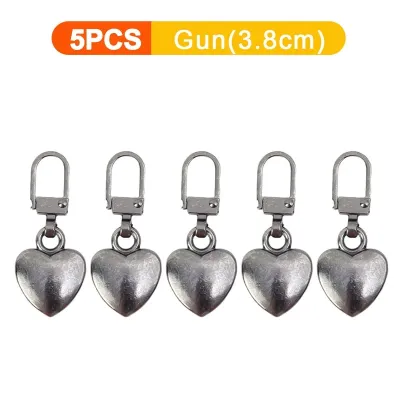
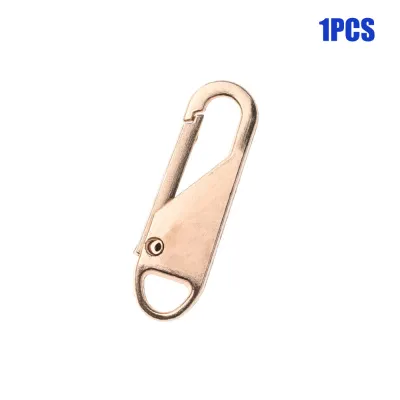
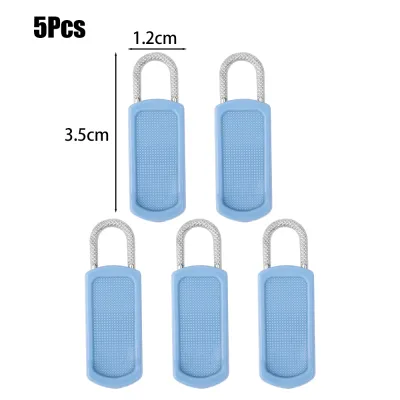
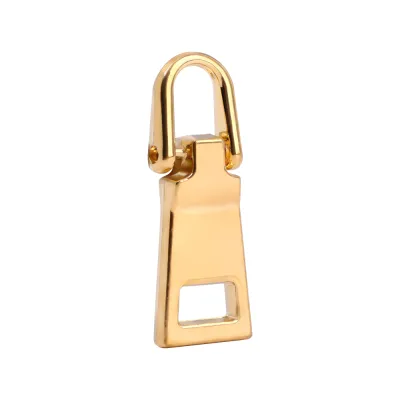
Prices are valid at publication and may change. Please refer to the product page for the latest price.
First, you must match the thickness of the replacement attachment to the internal diameter of the slider’s crown. If the replacement wire or loop is too thick, it will not pass through the hole; if it is too thin, it may experience excessive play and bend under tension. Additionally, the scale of the puller should match the zipper gauge, which is the width of the zipped teeth. A heavy-duty suitcase zipper requires a larger, more robust puller than a small interior pocket zipper.
Second, consider the material trade-offs regarding weight and security. Metal pullers offer high tensile strength but add minor weight and can clatter loudly during movement. Non-metal options, such as woven nylon or paracord, are virtually silent, lightweight, and pass easily through security checkpoints without scratching adjacent surfaces, though they are more susceptible to wear from friction.
Third, evaluate how the puller attaches. Quick-clip designs like lobster clasps allow for tool-free installation in seconds, making them convenient for mid-trip repairs. In contrast, permanent options like split rings or screw-gate links require basic tools to install but offer far greater security against accidental detachment during rough baggage handling.
Matching the Attachment Type to Your Zipper Slider
Split Rings
Split rings operate on the same principle as standard keyrings, featuring a double-loop wire design that coils tightly against itself. They are highly recommended for sliders with very small crown holes or cases where the original puller broke off and left a tight, restricted space. Because they have no moving gates or spring-loaded parts, split rings are incredibly reliable and highly resistant to opening under lateral tension.

Installing a split ring requires a pair of small needle-nose pliers or specialized split-ring pliers to pry the coils apart. Once the end of the wire is threaded through the slider crown, you rotate the ring until it is fully nested. The main drawback is the aesthetic appearance, as they look more utilitarian than original hardware, but their mechanical security is unmatched for checked baggage.
Lobster Clasps and Swivel Snaps
Lobster clasps and swivel snaps feature a spring-loaded gate that opens inward when pressed, allowing you to clip the puller directly onto the slider crown. This design is ideal for sliders with a larger, easily accessible loop or a built-in D-ring. The primary benefit of this attachment type is convenience, as you can install or swap the puller in seconds without any tools.
However, the spring mechanism represents a potential failure point. If your luggage is subjected to rough handling on airport conveyor belts, external objects can press against the spring gate, causing the clasp to open and detach. For this reason, lobster clasps are better suited for carry-on bags, backpacks, and personal items rather than heavy checked luggage.
Direct Loop or Cord Pulls
Direct loop pulls, often made of paracord or woven nylon, utilize a simple loop-through installation method known as a girth hitch. To install, you thread the flexible cord loop through the slider crown, open the loop on the other side, and pull the solid tab or knot through it. This creates a secure, friction-based connection that requires no metal hardware.
These pulls are highly suitable for heavy-duty outdoor gear, duffel bags, and soft-shell luggage with wide slider openings. Because the connection is flexible, it eliminates rigid metal-on-metal friction, allowing the puller to bend and flex when packed tightly into overhead compartments or car trunks. This flexibility significantly reduces the risk of the puller snapping off under lateral impact.
Choosing the Right Material for Travel Durability
Zinc Alloy and Stainless Steel
Metal pullers made of zinc alloy or stainless steel offer the highest tensile strength and resistance to shearing forces. They are designed to withstand the heavy pulling forces required to close overstuffed suitcases and are highly resistant to being crushed under the weight of other bags in a cargo hold.
When selecting metal, consider environmental factors. In highly humid tropical climates, low-grade zinc alloys can undergo oxidation, leading to a white powdery residue or structural weakening over time. Stainless steel offers superior corrosion resistance but is generally heavier and more expensive. Additionally, long metal pullers can clatter against hard-shell cases, which some travelers find annoying during long walks through airport terminals.
Paracord and Woven Nylon
Paracord and woven nylon pullers are exceptionally lightweight and completely silent. They do not scratch the exterior of your luggage, nor do they add unnecessary weight to your bag, which is a key consideration when trying to stay within strict airline carry-on limits.
These materials are also highly flexible, allowing them to bend out of the way rather than snapping when subjected to impact. The primary limitation of woven fibers is their vulnerability to abrasion. If the cord constantly rubs against sharp metal edges on the slider crown or rough concrete surfaces during transit, the fibers will gradually fray and eventually break, requiring periodic replacement.
Hard Plastics and Resin
Hard plastics and molded resins are frequently used to create ergonomic handles at the end of cord or wire loops. These materials can be molded into comfortable shapes that fit the contours of your fingers, making them easier to pull.
Plastics also allow for bright, high-visibility colors, which can help you quickly identify your black suitcase on a crowded baggage carousel. However, cheap plastics can become brittle when exposed to extreme temperatures. The cargo holds of commercial aircraft at high altitudes can experience sub-zero temperatures, which can cause low-quality plastic pullers to crack or shatter if they impact a hard surface during unloading.
Sizing and Measuring Your Existing Zipper Puller
Measuring the Slider Hole Diameter
Before purchasing a replacement puller, you must measure the internal clearance of the slider’s crown to ensure the attachment wire can pass through freely. The most accurate way to do this is with a vernier caliper, but a precise metric ruler will also work. Measure the narrowest point of the opening inside the crown.
Most standard luggage zippers use size #5, #8, or #10 sliders. A size #5 slider typically has a crown opening of approximately 1.5 mm to 2.0 mm, while larger #8 and #10 sliders have openings ranging from 2.5 mm to 3.5 mm. Ensure the wire diameter of your replacement puller’s attachment ring is at least 0.5 mm smaller than the crown opening to allow the puller to swing freely without binding.
Determining the Ideal Puller Length
The length of the puller tab directly affects both leverage and safety. A longer puller, measuring between 4.0 cm and 6.0 cm, provides excellent leverage, making it much easier to zip up tightly packed bags or operate zippers when wearing gloves.
However, longer pullers are more likely to dangle and get caught in the gaps of automated baggage sorting machinery. For checked luggage, a compact puller length of 2.5 cm to 3.5 cm is generally safer as it minimizes the risk of snagging. For carry-on bags and backpacks that remain in your possession, longer, more ergonomic pullers are perfectly acceptable.
Checking the Slider Width and Zipper Gauge
Zipper gauge numbers correspond to the width of the zipped teeth in millimeters. A size #5 zipper has teeth that measure approximately 5 mm across when closed, while a size #10 zipper measures approximately 10 mm across. The scale of your replacement puller should match this gauge to maintain structural balance.
Installing a tiny, delicate puller on a heavy-duty #10 slider will place concentrated stress on a thin wire, leading to rapid metal fatigue and premature failure. Conversely, a massive metal puller installed on a small #5 interior pocket zipper will look disproportionate and may weigh down the zipper tape, causing the fabric to sag and making the zipper difficult to operate smoothly.
Condition-Based Shortlist: Matching Pullers to Travel Styles
Checked Luggage and Frequent Flyers
Checked bags are subjected to intense physical stress, including being stacked under heavy loads, tossed onto carts, and routed through automated conveyor systems. For these bags, durability and a low profile are the absolute priorities.
- Recommended Puller: Heavy-duty stainless steel split rings or compact screw-gate metal links.
- Key Feature: High tensile strength and a flush, low-profile fit that minimizes the risk of catching on external machinery.
- Avoid: Long, dangling lobster clasps or fragile plastic tabs that can easily snap or detach under impact.
- Application: Main compartments of hard-shell and soft-shell checked suitcases.
Carry-On Bags and Backpackers
Carry-on luggage and travel backpacks remain with you in the cabin, meaning they are handled with more care. For these bags, comfort, quietness, and weight reduction are the primary goals.
- Recommended Puller: Textured paracord loops or flexible silicone-coated pullers.
- Key Feature: Zero noise when walking, lightweight construction, and high flexibility to bend easily when stuffing bags into tight overhead bins.
- Avoid: Heavy, clattering metal pullers that can scratch laptop screens or tablet bodies packed in adjacent compartments.
- Application: Laptop compartments, front organizer pockets, and carry-on duffel bags.
High-Visibility and Accessibility Needs
If you have limited grip strength, travel in cold climates where you must wear gloves, or simply want to spot your luggage quickly on a busy baggage carousel, focus on ergonomics and color.
- Recommended Puller: Extended cord pulls with oversized, textured neon resin handles.
- Key Feature: Bright, contrasting colors (such as neon orange, yellow, or green) and a large surface area that is easy to grasp and pull.
- Avoid: Small, slippery metal tabs or dark-colored pullers that blend into the luggage fabric.
- Application: Family suitcases, travel gear for seniors, and winter sports duffel bags.
Installation and Pre-Travel Security Checks
Required Tools and Attachment Steps
Before beginning the installation, gather the necessary tools to ensure a secure attachment. For split rings, you will need a pair of needle-nose pliers or split-ring pliers. For screw-gate links, a small drop of thread-locking fluid can prevent the threaded sleeve from vibrating loose during transit.
To install a split ring, gently pry the coils apart using your pliers, insert the leading edge of the wire through the slider crown, and thread it through completely until the ring snaps closed. For cord loops, feed the loop through the crown, open the loop wide, thread the solid tab through the opening, and pull firmly to tighten the knot against the crown. Ensure there are no loose threads or gaps where the cord could slip out.
The Pre-Travel Stress Test
Once the replacement puller is installed, you must perform a manual stress test to verify its security before packing your bag. Grip the replacement puller firmly and pull it in multiple directions—upward, downward, and laterally at a 90-degree angle. The puller should rotate smoothly within the slider crown without binding or getting stuck.
Apply moderate force to simulate the tension of zipping an overstuffed bag. Inspect the attachment point closely during this test. If you are using a metal clasp, ensure the gate remains tightly closed and does not bend. If using a cord, verify that the knot does not slip or loosen under tension.
Routine Maintenance and Transit Inspections
Make it a habit to inspect your zipper pullers after every trip. The vibrations and impacts of travel can gradually loosen threaded connections or cause metal fatigue in thin wire attachments. Check metal rings for any signs of bending, gaps, or hairline cracks near the stress points.
For fabric and cord pullers, inspect the area where the cord contacts the metal slider crown. Look for fuzzy fibers or fraying, which indicate that the sharp edges of the crown are wearing down the cord. If you notice any signs of wear, replace the cord immediately before your next journey to prevent a mid-travel failure.
Frequently Asked Questions (FAQ)
Can I use a regular keyring as a luggage zipper puller?
While a standard household keyring can serve as a temporary emergency fix, it is not recommended for long-term travel. Standard keyrings are typically made of thin, soft wire designed to hold keys, not to withstand the heavy pulling forces required to close a packed suitcase. Under tension, the wire can easily stretch, deform, and slip out of the slider crown, leaving you with a broken zipper mid-transit. Heavy-duty split rings designed for hardware or marine use are much safer alternatives because they are made of tempered spring steel that resists deformation.
Will a metal zipper puller damage my luggage during transit?
Large, heavy metal pullers can scratch the exterior of hard-shell suitcases, especially those made of high-gloss polycarbonate or ABS plastic. As the bag is vibrated during transit, the metal tab constantly taps against the shell, leaving scuffs and scratches. To prevent this, choose a puller with a rubberized or plastic coating, or select a lightweight cord puller. Alternatively, you can tuck long metal pullers into the luggage’s built-in lock slots or side pockets to keep them stationary and prevent them from swinging freely.
Community discussion
Share your experience or ask a question. Comments are reviewed before publication.