
Finding that your favorite pair of jeans is suddenly too tight around the waist can be frustrating, but you do not need to replace your entire wardrobe. A jeans button extender offers a simple, cost-effective solution to add temporary breathing room to your waistband. The best type for your needs depends on whether you require a rigid, fixed-size adjustment for a slightly snug fit, a flexible elastic loop for dynamic daily movement, or an adjustable multi-position strap to accommodate progressive body changes.
Choosing the right extender involves matching the accessory’s material, attachment mechanism, and structural strength to your specific comfort goals and denim weight. By understanding how these different designs interact with your clothing, you can restore comfort to your daily wear without compromising the look or security of your trousers.
Identifying Your Waistband Fit and Comfort Needs
To select the most effective button extender, you must first pinpoint why your waistband feels tight and how long you expect to need the adjustment. Temporary fluctuations, such as post-meal bloating or mild water retention, require a very different solution than long-term physical transitions. If you only experience tightness after dining or during long periods of sitting at an office desk, a highly flexible, easily removable option is ideal. This allows you to slip the extender on and off discreetly throughout the day as your comfort levels shift.
Products mentioned in this guide
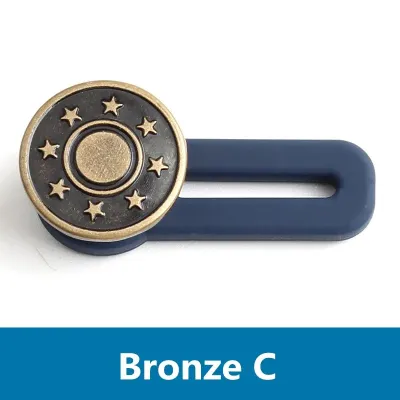
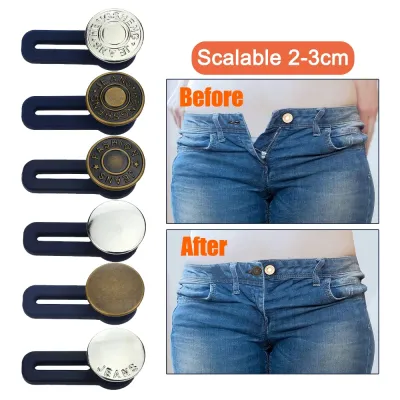
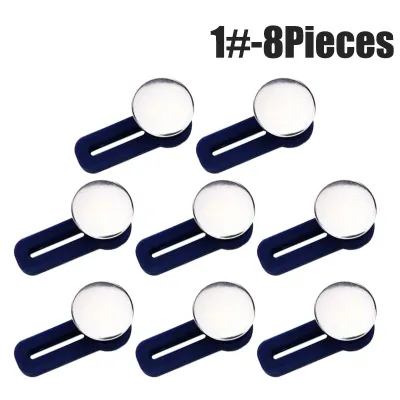
Prices are valid at publication and may change. Please refer to the product page for the latest price.
For long-term transitions, such as early-to-mid pregnancy or gradual weight changes, you will need an extender that provides reliable, continuous support over several weeks or months. In these scenarios, durability and structural integrity become much more important than quick removability. A flimsy extender used daily under high tension will quickly wear out, potentially causing your pants to slip or the fastener to fail at an inconvenient moment.
You should also evaluate the exact physical gap you need to bridge. If your jeans are just slightly snug—requiring only an extra centimeter or two to close comfortably—a small, rigid extender will maintain the original shape of the waistband. However, if you need to bridge a gap of three centimeters or more, a rigid extender may cause the zipper fly to pull open or create an unsightly V-shaped opening at the front of your pants. Larger gaps generally require flexible or multi-position extenders that can distribute the tension more evenly across the waistband.
Finally, consider the weight and stiffness of your denim. Heavyweight, raw denim exerts significant lateral force on any fastening device, requiring a robust metal or reinforced fabric extender. Lightweight, stretch denim is much more forgiving but can sag if paired with an overly heavy or bulky metal extender. Matching the structural strength of the accessory to the weight of your fabric ensures that your pants remain securely positioned on your hips.
Comparing the Main Types of Jeans Button Extenders
Jeans button extenders generally fall into three primary design categories: rigid hook-on styles, flexible elastic bands, and adjustable multi-position straps. Each category utilizes a distinct mechanical approach to bridge the gap between your button and buttonhole. Understanding these structural differences will help you determine how each type handles waistband tension and daily wear.

The way an extender interacts with your jeans’ original hardware is critical to both comfort and aesthetics. A poorly matched extender can put uneven stress on the existing button, leading to fabric tear, or it can create a bulky profile that is difficult to conceal under your clothing.
Hook-On Metal or Plastic Extenders
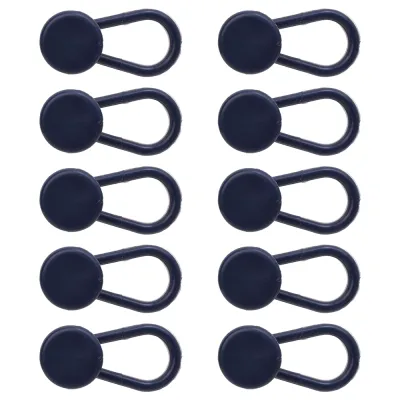
Hook-on extenders are rigid, single-size accessories designed to provide a fixed amount of extra space. They typically consist of a metal or plastic loop that slips directly over your existing jeans button, connected to a new, matching button that sits a short distance away. Because they have no moving parts or stretchy materials, they offer a highly stable and secure connection that mimics the original closure of your jeans.
This style is best suited for jeans that are only slightly too tight at the waistband, where you need a consistent, minor extension of about one to two centimeters. Because the material is rigid, it keeps the waistband flat and prevents the fabric around the buttonhole from bunching or sagging. This makes hook-on extenders the most discreet option under thin shirts, as they maintain a flush profile.
However, the lack of flexibility is also their primary limitation. When you sit down, bend over, or experience normal abdominal expansion throughout the day, a rigid extender cannot stretch to accommodate the movement. The metal or hard plastic backing can dig directly into your lower abdomen, causing discomfort during prolonged sitting. Additionally, because the extension length is fixed, you cannot adjust it on the fly if your comfort needs change.
Elastic Band Extenders
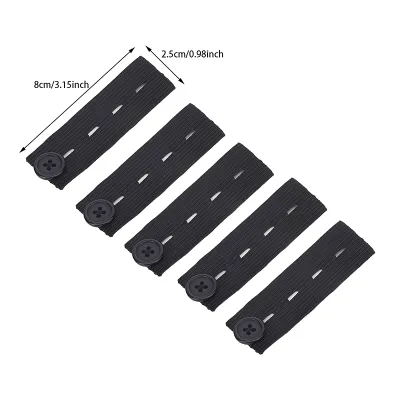
Elastic band extenders utilize a flexible loop or a short strip of elasticized fabric to connect your jeans’ original button to the buttonhole. The elastic material stretches and contracts dynamically as you move, breathe, and sit. This design prioritizes continuous comfort and freedom of movement over rigid structural support.
These extenders are highly recommended for situations involving frequent physical movement, long hours of desk work, or temporary abdominal swelling, such as post-meal bloating. The elastic gently yields to pressure, preventing the waistband from cutting into your waist when you transition from standing to sitting. They are also excellent for the early stages of pregnancy, providing a gentle transition before dedicated maternity wear is required.
The main drawback of elastic extenders is their susceptibility to wear and tear. Over time, constant tension and exposure to body heat will cause the elastic fibers to degrade, lose their recovery strength, and eventually sag. Furthermore, elastic may not provide enough structural support for heavy, stiff denim. If the waistband is too heavy, the elastic can stretch out completely under the weight of the fabric, causing the front of your jeans to droop and exposing the zipper fly.
Multi-Position and Adjustable Extenders
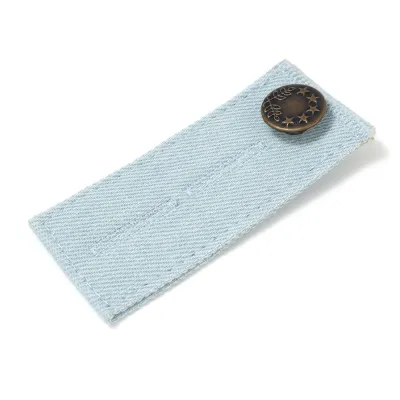
Multi-position and adjustable extenders are designed for maximum versatility, featuring a longer strap made of fabric, silicone, or plastic with several buttonholes spaced along its length. This allows you to customize the extension distance depending on how much extra room you need on any given day. Some models use a sliding buckle system similar to a miniature belt to provide micro-adjustments.
This type is highly beneficial for individuals experiencing progressive body changes, such as maternity advancement or a gradual weight management journey. Instead of buying multiple single-size extenders, you can use a single multi-position accessory to adjust your waistband from a minor one-centimeter extension up to five centimeters or more. They are also highly economical if you want to share the extender across different pairs of jeans that have varying degrees of tightness.
The primary trade-off with multi-position extenders is their physical bulk. The longer strap and multiple buttons or adjustment hardware can create a noticeable bump under your clothing. If you wear fitted tops, the excess material may bunch up or protrude, making it difficult to conceal. You will often need to wear longer, loose-fitting shirts or use a belt to cover the front of your waistband when using these larger adjustable styles.
Matching the Extender to Your Daily Routine and Body Changes
To make a practical decision, you should map these extender types directly to your daily activities and physical routine. For instance, if your day involves sitting at a computer for eight hours, an elastic band extender is almost always the superior choice. The constant sitting posture puts continuous pressure on the lower abdomen, and a flexible band will prevent the waistband from digging in, whereas a rigid metal extender will likely become uncomfortable within an hour.
Conversely, if your routine involves active physical labor, walking, or frequent standing, a rigid hook-on extender or a sturdy multi-position fabric strap is preferable. Active movement can cause highly elastic extenders to bounce or sag, which may pull your pants down or cause the zipper to slide open. A rigid or semi-rigid connection keeps the waistband firmly anchored to your hips, ensuring your trousers stay securely in place while you move.
Aesthetic preferences also play a major role in your choice. If you prefer to tuck in your shirts or wear shorter, cropped tops, concealing a button extender becomes a challenge. A small, color-matched metal hook-on extender that closely matches the original brass or silver button of your jeans is the easiest to disguise. Some metal extenders even feature engraved designs that mimic standard denim hardware, making them look like a natural extension of the garment.
If you must use a bulkier elastic or multi-position extender, you can manage the visual profile by pairing it with a belt. By threading the belt through the loops and fastening it slightly looser than usual, you can completely hide the extended button gap beneath the belt strap. Alternatively, wearing untucked, structured tops made of heavier fabrics like cotton or linen will naturally drape over the waistband, keeping the extender entirely out of sight.
What to Check Before Buying a Jeans Button Extender
Before purchasing a jeans button extender, performing a few quick physical checks on your trousers will save you from buying an incompatible accessory. The most critical step is verifying your existing jeans button size. Standard denim tack buttons typically range from 17mm to 20mm in diameter, but some fashion jeans or heavy-duty work pants may feature larger or smaller hardware. Measure the diameter of your button with a ruler to ensure the loop or slot of the extender can slip over it securely without being so loose that it slides off during wear.
Equally important is checking the size and stitching of your jeans’ buttonhole. The new button on the extender must be able to pass through your existing buttonhole easily. If the extender’s button is too large, you risk straining or tearing the buttonhole stitching when trying to force it through. If it is too small, the button may slip out of the hole spontaneously when you bend or sit, causing your pants to open unexpectedly.
You must also consider material compatibility and skin sensitivity. Because the back of the button extender often rests directly against your skin or undergarments, the material should be smooth and non-irritating. If you have a nickel allergy, avoid cheap, unmarked metal extenders, as the constant friction and moisture from sweat can trigger an allergic reaction. Look for extenders with soft fabric backings, silicone loops, or certified nickel-free metal components to ensure comfortable, irritation-free wear throughout the day.
Finally, review the return and exchange conditions of the retailer, especially when purchasing haberdashery items online. Because these accessories are relatively inexpensive—often sold in small multi-packs for under S$10—some sellers may classify them as non-returnable once the packaging is opened due to hygiene or low item value. Checking the seller’s policy beforehand ensures you can resolve any unexpected compatibility issues without unnecessary expense.
Frequently Asked Questions (FAQ)
Will a jeans button extender damage my denim?
A button extender can cause minor wear to your denim if used incorrectly or under excessive tension. The primary point of stress is the original buttonhole, which must bear the lateral pulling force of the extender. If the extender is stretched to its absolute limit, it can pull on the threads of the buttonhole, leading to fraying or tearing over time. To prevent this, regularly inspect the fabric around your jeans’ buttonhole for thinning or loose threads, and avoid using an extender that requires extreme force to fasten.
Can I use a button extender on jeans with a hidden button fly?
Using a button extender on a hidden button fly is technically possible but presents spatial and mechanical challenges. A standard zipper fly only requires you to extend the top waistband button, whereas a button fly relies on multiple buttons aligned vertically. If you only extend the top button of a button fly, the lower hidden buttons may pull sideways, creating gaps in the fly fabric that expose your undergarments. For a clean look, you would need to use multiple small, low-profile extenders on each button down the fly, which can become bulky and tedious to fasten.
How do I clean and maintain my button extender?
Proper maintenance depends entirely on the materials used in your extender. Metal and plastic hook-on extenders should be removed from your jeans before washing to prevent them from clattering in the machine drum or scratching the metal finish. If they get dirty, wipe them down with a damp cloth and dry them thoroughly to prevent rust. Elastic and fabric extenders can typically be washed, but they should be placed inside a mesh laundry bag to protect the elastic fibers from stretching out or snagging on other garments during the spin cycle. Avoid exposing elastic extenders to high dryer heat, as excessive temperature rapidly degrades elastic stretch.
Community discussion
Share your experience or ask a question. Comments are reviewed before publication.