
Finding the perfect fastener for a clean, minimalist garment often leads to a single, elegant solution: the invisible button. Whether you are tailoring a lightweight linen blouse for Singapore’s warm, tropical climate or constructing a structured blazer for an air-conditioned office, the choice of fastener determines both the functionality and drape of your finished piece. An incorrect pairing can result in unsightly fabric sagging, puckering, or even permanent damage to delicate fibers.
Selecting the right invisible button requires balancing fabric weight, closure tension, and installation method. By understanding how different mechanisms interact with various textiles, you can ensure your closures remain completely hidden while providing a secure, reliable hold. This guide outlines the essential specifications, matching rules, and step-by-step testing procedures to help you achieve a flawless, professional finish on any sewing project.
Understanding Invisible Button Types and Mechanisms
To choose the best invisible button for your project, you must first understand the primary categories available in haberdashery shops. Each type offers distinct mechanical properties, installation requirements, and aesthetic outcomes on the finished garment.
Products mentioned in this guide
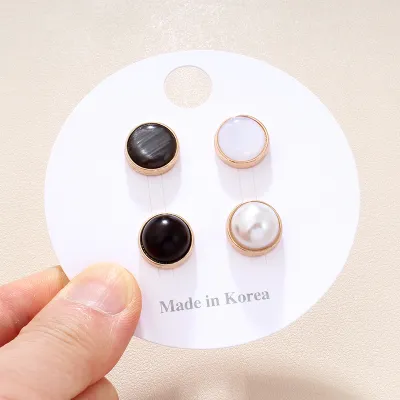
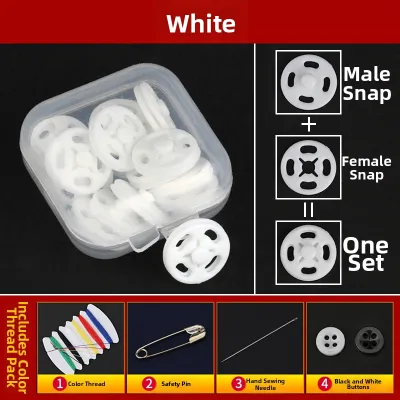
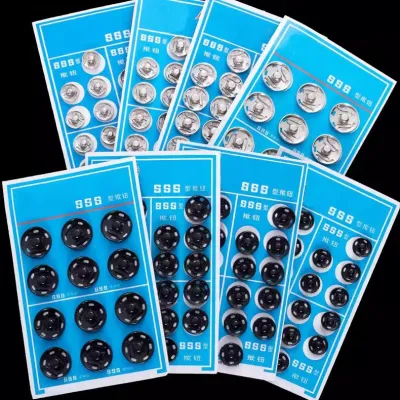
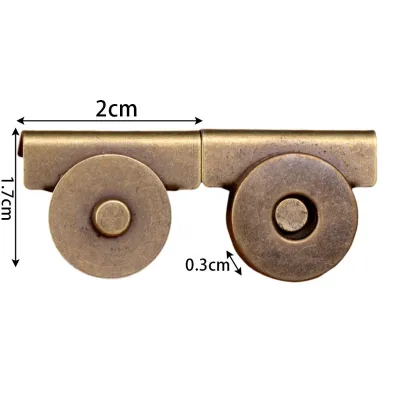
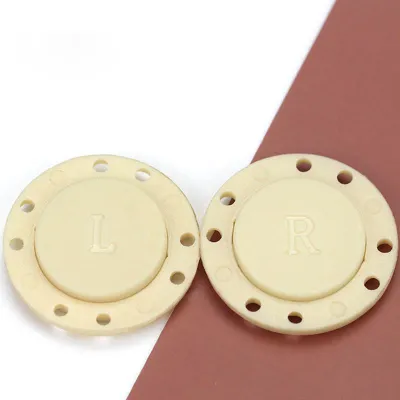
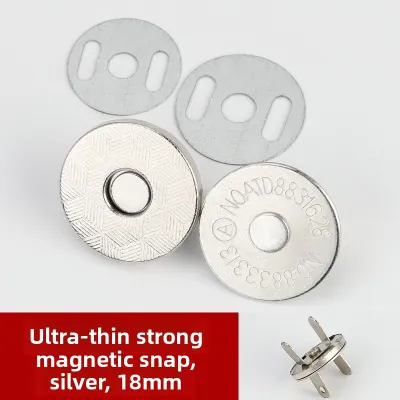
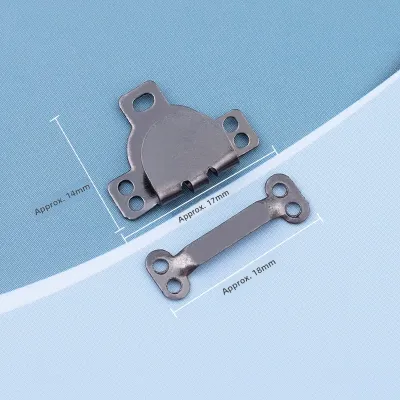
Prices are valid at publication and may change. Please refer to the product page for the latest price.
Sew-In Snaps (Metal or Plastic)
These traditional fasteners consist of a classic socket-and-ball mechanism that must be hand-stitched or machine-sewn onto the facing or overlap of a garment. Because they lie incredibly flat, sew-in snaps are excellent for maintaining a low profile on clean-front shirts, wrap dresses, and lightweight cardigans. Metal sew-in snaps offer a crisp, firm click and high durability, while plastic alternatives provide a softer closure and are virtually weightless, making them ideal for delicate areas.
Magnetic Snaps (Sew-In or Pronged)
Magnetic closures utilize small, powerful magnets to pull the two sides of a garment together automatically. These are highly convenient for bags, outerwear, and pocket flaps where quick, blind fastening is desired. However, they do add noticeable weight and bulk to the closure area. Sew-in magnetic snaps are encased in thin plastic pockets that can be stitched directly to the lining, whereas pronged magnetic snaps require metal tabs to pierce through the fabric layers, demanding a sturdy backing to prevent tearing.
Iron-On or Fusible Snaps
For quick repairs or projects where stitching must be completely avoided on the face of the fabric, iron-on or fusible snaps offer a no-sew alternative. These fasteners feature a heat-activated adhesive backing that bonds directly to the textile fibers when pressed with a household iron. While highly convenient, their durability relies entirely on the strength of the adhesive bond, making them best suited for low-tension areas and garments that do not undergo high-heat laundering.
Resin or Nylon Invisible Snaps
Constructed from durable polymers, resin and nylon snaps are lightweight, flexible, and entirely rust-proof. This makes them exceptionally well-suited for Singapore’s humid weather, where low-grade metal components might eventually corrode or stain light-colored fabrics if left damp. They are often applied using specialized snap pliers or sewn on, depending on the specific product design. Always check the manufacturer’s packaging to verify the heat resistance and washability of these polymer fasteners before applying them to garments that require hot ironing.
Matching Button Specifications to Fabric Weight
A successful installation depends on matching the weight and structure of your fabric with the physical dimensions and holding power of the fastener. Using a heavy snap on a delicate fabric causes immediate sagging, while a tiny snap on heavy denim will pop open under the slightest movement.

Lightweight Fabrics (e.g., Chiffon, Silk, Organza)
Delicate, sheer, and highly drapable fabrics require the gentlest touch. For these materials, select small-diameter fasteners, typically labeled by manufacturers as Size 0, Size 1, or ultra-fine sub-sizes. Choose lightweight materials like resin, nylon, or miniature plastic sew-in snaps to avoid weighing down the hem or neckline.
When installing, use a fine hand-sewing needle and lightweight thread to distribute the tension evenly across the delicate weave. Avoid pronged or heavy magnetic snaps entirely, as the physical weight and mechanical force will distort the drape and tear the sheer fibers.
Medium-Weight Fabrics (e.g., Cotton, Linen, Light Wool)
Medium-weight textiles offer excellent versatility, making them compatible with a wider variety of fasteners. Standard medium-sized snaps, such as Size 2, provide a secure hold without distorting the fabric’s natural shape. Both traditional metal sew-in snaps and lightweight, sew-in magnetic snaps perform exceptionally well on these materials.
When selecting metal fasteners, check the product specifications to ensure they have been treated with a rust-resistant finish to withstand frequent washing and humid conditions. Ensure the stabilizer or interfacing used matches the care label of the main fabric to prevent uneven shrinking during laundering.
Heavyweight Fabrics (e.g., Denim, Canvas, Heavy Wool, Leather)
Thick, structured materials require robust closures that can withstand high tension and thick fabric layers. Opt for large-diameter fasteners, such as Size 3 or larger, which feature deep sockets or powerful magnets. Heavy-duty metal sew-in snaps and pronged magnetic snaps are the preferred choices here.
Ensure the fabric has sufficient thickness and density to support the physical weight of these fasteners. If the fabric is too sparse, the mechanical pull of opening the snap can pull the fibers apart, meaning a heavy-duty backing or leather washer must be used to reinforce the attachment point.
Fabric and Button Selection Matrix
The table below outlines the general relationships between fabric weights and invisible button specifications. Always refer to the manufacturer’s packaging for specific dimensions and application limits.
| Fabric Weight | Recommended Button Type | Relative Size Category | Key Installation Consideration |
|---|---|---|---|
| Lightweight (Chiffon, Silk, Organza) | Resin, Nylon, or Plastic Sew-In Snaps | Small (Size 0 to 1) | Use fine needle and thread; avoid all heavy or pronged hardware. |
| Medium-Weight (Cotton, Linen, Light Wool) | Metal Sew-In or Lightweight Magnetic Snaps | Medium (Size 2) | Verify rust-resistant finish; ensure stabilizer matches care label. |
| Heavyweight (Denim, Canvas, Heavy Wool) | Heavy-Duty Metal Sew-In or Pronged Magnetic Snaps | Large (Size 3 and above) | Must use robust interfacing; verify fabric density can support prongs. |
Step-by-Step Guide to Selecting and Testing Your Invisible Button
To ensure a durable, professional finish that does not ruin your garment, follow this systematic process for selecting, preparing, and verifying your invisible button before final installation.
Step 1: Assess Project Stress and Closure Needs
Before purchasing any hardware, analyze the physical demands of the closure. A fitted bodice or waistband experiences high lateral tension, requiring a secure, heavy-duty metal sew-in snap. Conversely, a decorative pocket flap or a loose cardigan overlap experiences minimal stress, making a lightweight resin or magnetic snap an ideal choice.
Step 2: Select Type and Size
Using the fabric weight guidelines, select a compatible button mechanism and size. Read the product packaging carefully to verify the physical dimensions, weight, and installation requirements. Ensure you have the necessary tools, such as specialized snap pliers for resin snaps or a fine hand-sewing needle for delicate sew-in options.
Step 3: Reinforce the Fabric
Never install an invisible button directly onto a single layer of fabric without reinforcement. Apply a small square of fusible interfacing or a sturdy fabric stay to the wrong side of both the overlap and underlap areas. This simple step distributes the mechanical stress of opening and closing the snap across a wider surface area, preventing the fabric from tearing or stretching over time.
Step 4: Perform a Scrap Test
Cut a small scrap of your project fabric and apply the exact same interfacing or stabilizer you plan to use. Install your chosen invisible button onto this scrap. Close and open the snap repeatedly to check for visible bulging on the right side of the fabric, puckering around the stitches, or any structural distortion of the material.
Step 5: Verify Final Alignment and Hold
Once the scrap test is successful, mark the precise placement on your actual garment using tailor’s chalk. Install the fasteners, ensuring the socket and ball (or magnetic poles) align perfectly. Test the completed closure several times; it should open and close smoothly without requiring excessive force that could strain the surrounding fabric.
Common Mistakes and Fabric Safety Boundaries
Even experienced sewists can encounter issues when installing invisible closures. Recognizing these common errors and knowing when to alter your approach will protect your garments from permanent damage.
Skipping Interfacing
Installing any snap mechanism directly onto unreinforced fabric is the most common cause of garment failure. Delicate, stretchy, or loosely woven fabrics will quickly tear or fray around the attachment points under the daily stress of opening and closing. Always use a suitable stabilizer or interfacing patch behind the snap, regardless of the fabric weight.
Ignoring Heat Sensitivity
When working with iron-on or fusible invisible buttons, always check the fabric’s care label and the adhesive instructions first. If your fabric is heat-sensitive—such as certain silks, polyesters, or synthetic blends—the high temperature required to melt the adhesive can scorch, melt, or permanently glaze the fabric. Stop immediately if the fabric cannot tolerate the required heat, and switch to a sew-in alternative.
Overlooking Bulk and Drape
Using heavy magnetic snaps on lightweight, fluid garments like silk shirts or linen wraps ruins the natural drape, causing the fabric to pull downward and create a highly visible, awkward outline on the exterior. Always prioritize lightweight polymer or miniature sew-in snaps for garments where fluid movement is key.
Stop Condition
If your fabric tears, frays excessively, or the adhesive fails to bond securely during the scrap test, stop the installation immediately. Do not attempt to force the closure on your final garment. Instead, re-evaluate your materials: check the applied product’s label and the treated item’s manufacturer instructions. If instructions conflict or the use is not covered, stop and consult a professional tailor for complex, delicate, or high-value fabrics like genuine leather and fine silk.
Frequently Asked Questions (FAQ)
Can I use invisible magnetic snaps on stretchy knit fabrics?
Stretchy knit fabrics require special preparation because the natural elasticity of the knit cannot support the weight and localized pull of a magnetic snap. If you install a magnet directly, the fabric will stretch out of shape, sag, and eventually tear. To prevent this, always fuse a stable, non-stretch interfacing patch or sew a woven stabilizer fabric behind the snap area to anchor the weight and distribute the mechanical pull.
How do I remove a fused invisible button without damaging the fabric?
Removing a heat-activated fusible button requires softening the adhesive without scorching the textile. To do this safely, check the garment’s manufacturer care instructions first. You can try placing a pressing cloth over the area and applying targeted heat with a warm iron to reactivate the glue, then gently peeling the snap away with tweezers. Always test this removal method on a hidden seam or scrap fabric first. If the adhesive has fully cured into delicate fibers or the fabric is highly heat-sensitive, consult a professional dry cleaner or tailor to avoid tearing the material.
Community discussion
Share your experience or ask a question. Comments are reviewed before publication.