
Choosing the right hooks for pants is the secret to achieving a clean, professional finish that holds up under daily wear. The ideal closure depends on the fabric’s weight, the structure of the waistband, and the amount of lateral tension the garment experiences when you sit, bend, or move. Selecting the wrong hardware can lead to fabric distortion, unsightly gaping, or premature closure failure.
By matching your hardware to the specific demands of your garment, you ensure both comfort and durability. Whether you are tailoring a pair of structured wool trousers, adjusting the waist of casual denim, or finishing a delicate linen skirt, understanding the physical properties of different hook systems allows you to make an informed decision before you begin sewing.
Quick Guide: Matching Pant Hooks to Fabric and Style
To achieve a secure and flat closure, you must match the hardware’s structural strength with the weight of your fabric. Using a hook that is too heavy for a delicate material will cause the fabric to sag, while a hook that is too light for structured trousers will bend or pull out under tension.
Products mentioned in this guide
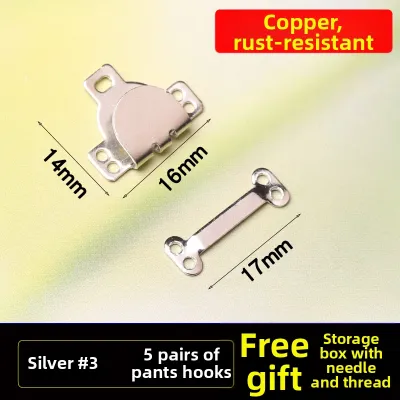
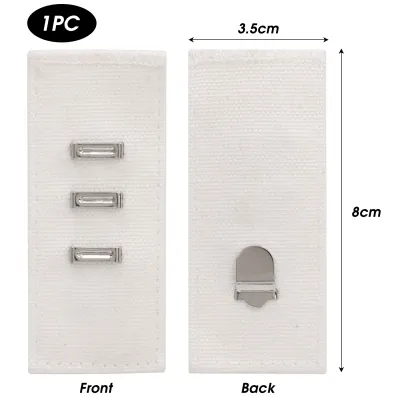
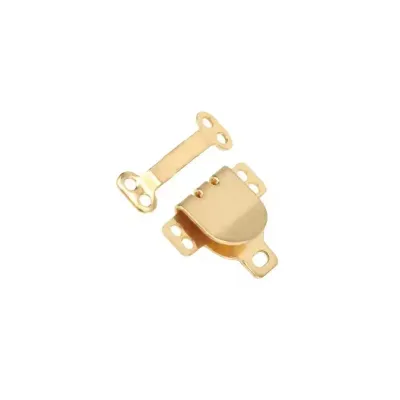
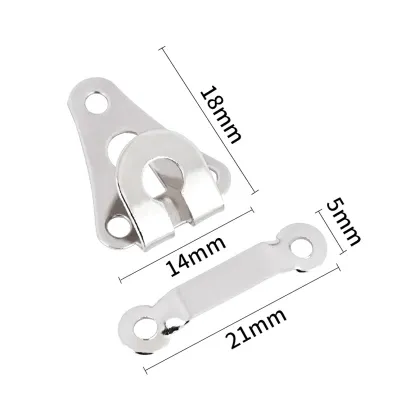
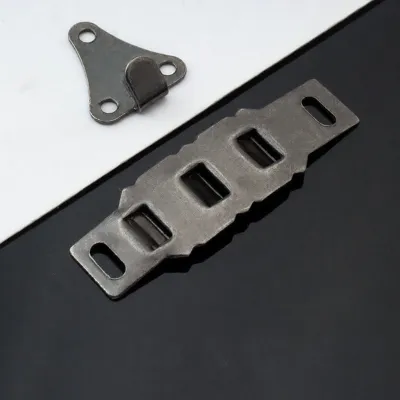
![[10Pairs] Sewing Metal Hooks For Pinafore/T-shirt/Skirts/Pants](https://img.lazcdn.com/g/p/57b877c92e16d8b1c8fc42271913db46.jpg_400x400q80.jpg_.webp)
Prices are valid at publication and may change. Please refer to the product page for the latest price.
| Fabric Weight Category | Recommended Hook Type | Primary Application | Key Diagnostic Signal |
|---|---|---|---|
| Lightweight (Linen, Silk, Thin Synthetics) | Standard Sew-On Hook-and-Eye | Skirts, extended waistband tabs, delicate trousers | Fabric puckers or sags under heavy metal hardware. |
| Medium-Weight (Chino, Structured Cotton, Light Wool) | Specialized Pant Hook Closures (No-Sew or Sew-On) | Casual trousers, tailored shorts | Waistband closure shifts or twists when fastened. |
| Heavyweight (Denim, Tweed, Heavy Wool, Canvas) | Heavy-Duty Trouser Hooks (Pronged/No-Sew) | Formal trousers, workwear, jeans adjustments | Hook bends or stitches pull away under lateral tension. |
A standard hook-and-eye is generally insufficient for structured waistbands because it lacks the surface area to distribute lateral stress. If your waistband features thick interfacing or is designed to sit snugly against the body, a heavy-duty trouser hook is required. Conversely, specialized pant hook closures with flat profiles are ideal for extended waistbands, as they keep the overlapping tab perfectly flat against the body without creating bulk.
Identifying Your Hook Options: Trouser, Hook-and-Eye, and Closures
Before selecting your hardware, it is essential to distinguish between the three primary hook types available in haberdashery. Each type is engineered to handle specific levels of stress and to sit differently against the waistband layers.

Standard hook-and-eye sets consist of a small, wire-formed hook and a corresponding round loop or flat eye. These are almost always sew-on fasteners. Because they are made of relatively thin wire, they are best suited for low-tension areas or as secondary security closures placed just above a zipper fly. They offer minimal surface area, meaning they can easily tear out of heavy fabrics if subjected to significant lateral pull.
Heavy-duty trouser hooks are flat, wide metal plates designed specifically to withstand high lateral tension. They are available in both sew-on and no-sew (pronged) varieties. The no-sew version features sharp prongs on the back of the hook and eye plates that penetrate the fabric and clamp down over a metal backing plate. This design distributes the physical stress across a much wider area of the waistband, preventing the metal from tearing through the fibers.
Specialized pant hook closures often feature extended flat bars or adjustable slide mechanisms. These are designed to provide a completely flush, invisible profile on tailored garments. When inspecting these closures on the packaging or in-store, check the prong length and base width. Longer prongs are necessary to penetrate multiple layers of thick waistband fabric and interfacing, while a wider base plate ensures the hook will not twist or tilt under pressure.
Using lightweight hooks on high-stress waistbands will quickly lead to hardware mismatch. Signs of this issue include a bent hook, a stretched-out eye, or fabric threads that begin to fray and pull away around the stitching points. If you observe any of these signs during a fitting, you must upgrade to a heavier-duty closure.
How to Assess Your Pants for the Right Hook Match
To determine the required hook strength, you must perform a physical assessment of your garment’s waistband construction, fabric weight, and potential stress points.
First, evaluate the waistband structure. Feel the thickness of the waistband and check if it contains interfacing. Interfacing is the stabilizing fabric layer sandwiched inside the waistband fold. A waistband with thick, structured interfacing can easily support heavy-duty pronged hooks, as the interfacing prevents the metal prongs from tearing the outer fabric. If the waistband is a single-layer fold without interfacing, it will lack the structural integrity to hold pronged hardware, meaning you should opt for sew-on hooks that can be anchored through multiple fabric layers.
Next, identify the high-stress areas. The point where the waistband meets the fly or zipper experiences the highest lateral tension when you sit down or bend over. If the waistband is cut snug to the body, this tension increases significantly. To prevent the waistband from gaping or pulling open, you must select a hook with a wide base plate that can resist twisting under horizontal pull.
Finally, check the fabric drape and weight. Drape refers to how the fabric hangs and flows. Heavy, rigid hardware installed on a fluid, lightweight fabric like silk or fine linen will distort the drape, causing the waistband to pucker, droop, or pull downward. For these materials, lightweight sew-on hooks are necessary to maintain a smooth, uninterrupted silhouette.
Selecting Hooks for Specific Pant Styles
Garment construction, tailoring details, and how often you plan to wear and wash the pants will dictate your final choice of closure hardware. Transitioning from a general fabric assessment to a specific style category helps narrow down the exact fastening system required.
Formal Trousers and Heavyweight Fabrics
Structured formal trousers made from wool, tweed, or heavy cotton blends require heavy-duty trouser hooks to maintain their tailored lines. These fabrics are thick and rigid, meaning they do not stretch easily and will exert significant lateral force on the closure during movement. A wide-base, pronged trouser hook provides the necessary resistance to keep the waistband securely closed without bending.
When installing these hooks, perform a placement check to ensure the hardware sits completely flat against the inner waistband facing. The backing plate of a pronged hook must be concealed between the waistband layers or covered with a lining patch. This prevents the metal from rubbing against your skin or catching on your undergarments, which is particularly important for comfort in warm or humid climates.
For high-waisted or wide-leg formal trousers, consider using a double-hook setup. Placing two hooks vertically spaced on the waistband distributes the tension evenly across the entire width of the band. This prevents the top of the waistband from rolling over or folding outward when you sit, keeping the front of your trousers looking sharp and flat.
Lightweight Garments and Skirts with Waistband Extensions
Lightweight garments, such as summer linen trousers or skirts with extended waistband tabs, require a delicate touch to avoid ruining the fabric’s natural drape. An extended waistband tab is a design where one side of the waistband extends past the center fly to fasten on the opposite side, creating a clean, overlapping look.
For these styles, standard sew-on hook-and-eye sets or flat, lightweight pant hook closures are the ideal choice. Position the hook precisely on the underside of the extended tab, and sew the eye onto the matching spot on the main waistband. This positioning ensures the tab remains perfectly horizontal and does not droop or twist downward when fastened.
If you are working with highly delicate fabrics like silk or fine synthetic blends, look for signs that the material cannot support pronged hardware. If a pin leaves a permanent hole or shifts the weave of the fabric, prongs will likely sever the structural threads and cause a tear. In these cases, always use a sew-on hook, utilizing fine thread and a small hand-sewing needle to anchor the hardware gently to the waistband’s inner facing.
Jeans and Casual Wear Adjustments
Jeans and casual pants present unique challenges due to the thickness of denim and the high frequency of machine washing. When adjusting a gaping waist on a pair of jeans, you can supplement the existing button or rivet with a heavy-duty trouser hook placed just inside the waistband.
Before installing a pronged hook on denim, check the fabric weight and the thickness of the seam allowances. Denim seams can be incredibly bulky. Ensure the hook prongs are long enough to fully penetrate the denim layers and clamp securely over the backing plate. If the prongs cannot close completely, the hardware will loosen over time and eventually fall out.
Avoid using standard wire hook-and-eye closures on casual wear. The high friction of daily movement, combined with the agitation of washing machines, will quickly bend lightweight wire out of shape. Instead, opt for reinforced, rust-resistant metal closures that are specifically rated for heavy-duty use and frequent laundering.
Verifying Hook Placement and Alignment Before Sewing
To prevent gaping, fabric strain, or misalignment during wear, you must carefully verify the placement of your hook and eye before making any permanent stitches or punching holes in your fabric.
Start by pinning or temporarily basting the hook and eye onto the waistband. Close the waistband completely and look at the alignment in a mirror. The upper and lower edges of the waistband should align perfectly to form a continuous, straight line. If one side sits higher than the other, the waistband will look crooked and put uneven stress on the zipper fly.
Next, test the closure tension. Gently pull the waistband horizontally away from your body to simulate the natural tension that occurs when sitting down. Observe the area around the closure. If a horizontal gap forms between the overlapping layers of the waistband, or if the fabric puckers significantly around the hook, the hardware is placed under too much tension. You may need to shift the eye slightly outward to relieve the strain.
Watch out for warning signs of poor placement. If the hook is positioned too close to the edge of the waistband tab, the fabric will curl outward, exposing the metal hardware. If the hook is placed too far from the center of gravity of the waistband, the entire closure will twist when pulled. Adjust the hardware position until the waistband sits flat, secure, and flush against your body before proceeding with final installation.
Community discussion
Share your experience or ask a question. Comments are reviewed before publication.