
Selecting the perfect happy birthday paper bag involves balancing practical dimensions with thoughtful aesthetics. A well-chosen bag does more than just hold a present; it sets the tone for the celebration and shows the recipient that every detail of their special day was considered. To make the right choice, you must evaluate the physical dimensions of the gift, the weight of the item, and the personal style of the birthday celebrant.
Matching the bag to both the gift and the recipient prevents common gifting mishaps, such as a handle snapping mid-transit or a beautiful present being crushed. By focusing on structural integrity, appropriate sizing, and age-appropriate design themes, you can ensure your gift arrives safely and looks exceptional. Whether you are preparing a small token for a colleague or a large toy for a child’s party, a systematic approach to selecting your gift wrap makes all the difference.
How to Match Bag Size to Your Gift Dimensions
To find the ideal happy birthday paper bag, start by measuring the physical dimensions of your gift. Use a ruler or measuring tape to record the maximum length, width, and height of the item. It is a common mistake to estimate size by eye, which often results in a bag that is either too tight to close or so large that the gift slides around awkwardly inside.
Products mentioned in this guide
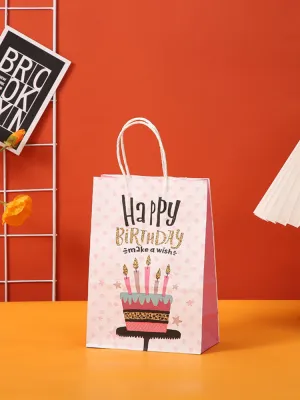
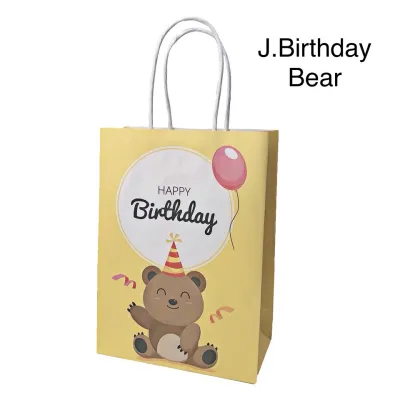
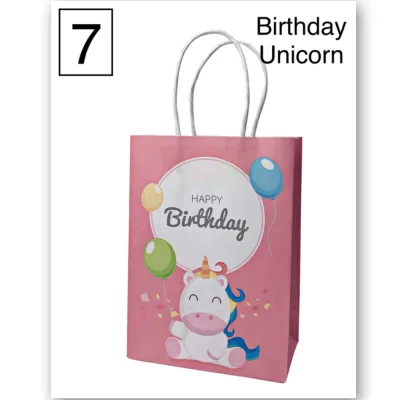
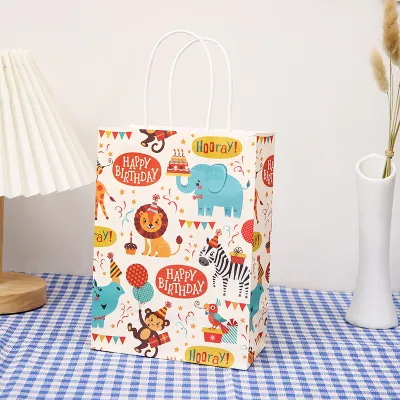
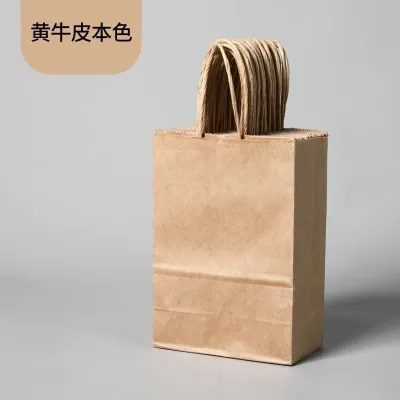
![[ FOR MINI ME ] 10 PCS KRAFT PAPER BAG PARTY BAG KIDS BIRTHDAY GOODIE BAG CHRISTMAS CNY WRAPPING](https://img.lazcdn.com/g/p/716f5be262fbbce0a60bfa23a232a224.jpg_400x400q80.jpg_.webp)
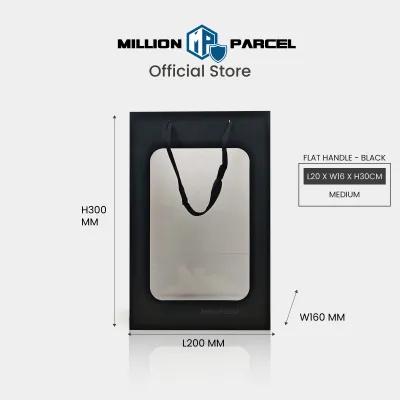
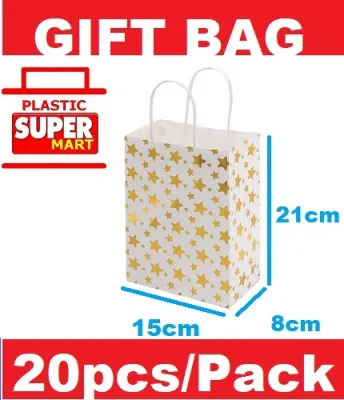
Prices are valid at publication and may change. Please refer to the product page for the latest price.
Always allow a buffer of at least two to three centimeters on all sides of the gift. This extra clearance accommodates decorative tissue paper, protective padding, or any irregular protrusions without stretching the paper. If your gift has sharp corners or an unusual shape, this buffer is especially critical to prevent the edges from puncturing the sides of the bag.
Pay close attention to the gusset, which is the fold along the sides and bottom of the paper bag. The width of the gusset determines how wide the bag can expand and whether it can stand upright on its own. A bag with a narrow gusset will tilt or bulge when holding a wide item, whereas a generous gusset provides a stable, flat base that keeps the presentation neat and upright.
When dealing with exceptionally tall or top-heavy gifts, select a bag where the height matches the item closely but does not exceed it excessively. A bag that is too deep makes it difficult for the recipient to reach the gift, while a bag that is too shallow leaves the item exposed. Aim for a balanced fit where the top of the gift sits just below the handle line, leaving ample room for a plush layer of tissue paper to crown the presentation.
Choosing the Right Design for Your Recipient
The visual design of a happy birthday paper bag should reflect the personality and age of the person celebrating. For children’s birthday parties, vibrant colors and playful patterns are highly effective. Look for bags featuring cheerful illustrations, whimsical animals, or recognizable character themes that instantly build excitement before the gift is even opened. Bright primary colors and glossy finishes work exceptionally well for younger age groups.

When gifting to adults, family members, or professional colleagues, transition toward more sophisticated and understated designs. Minimalist patterns, geometric shapes, or solid pastel and jewel tones offer a refined look suitable for a mature recipient. Subtle embellishments, such as metallic foil accents, matte finishes, or embossed textures, elevate the bag from a simple container to an elegant piece of presentation.
For professional settings or colleagues, gender-neutral designs are highly versatile and safe choices. Opt for classic stripes, abstract botanical prints, or simple “Happy Birthday” typography in neutral tones like navy, forest green, gold, or cream. These designs convey warmth and celebration without feeling overly personal or informal, maintaining an appropriate boundary while still showing genuine care.
Milestone birthdays, such as a twentieth, thirtieth, or fiftieth celebration, benefit from bags that highlight the specific age or feature sophisticated typography. Look for designs that incorporate elegant script, classic serif fonts, or celebratory motifs like confetti and stars rendered in metallic gold or silver. Matching the bag’s theme to the significance of the milestone adds a personalized touch that honors the journey of the recipient.
Checking Material Quality and Weight Capacity
A beautiful design is only effective if the paper bag can securely support the weight of your gift. To assess durability, check the paper weight, which is typically measured in grams per square meter (GSM) and indicated on the product packaging or online specifications. Standard lightweight paper bags often range from 80 to 120 GSM, which is suitable for light items like clothing or cards, while premium bags use thicker cardstock ranging from 150 to 250 GSM for heavier items.
Examine the handle construction closely, as this is the primary point of failure for gift bags. Twisted paper handles are common and offer decent strength for light to medium gifts, while flat paper handles are best reserved for very light items. For heavier gifts, look for bags with thick cotton rope, satin ribbon, or synthetic cord handles that are threaded through reinforced metal eyelets or secured with sturdy internal knots.
Inspect the bottom of the bag to ensure it has a reinforced base card. A thick piece of cardboard inserted at the bottom distributes the weight of the gift evenly across the paper seams, preventing the base from sagging or tearing open. If you are gifting heavier items like books, candles, or bottled goods, a reinforced bottom is an absolute necessity to ensure safe transport.
Consider the exterior finish of the paper bag, particularly if you live in a humid climate like Singapore or need to transport the gift outdoors. Laminated finishes, such as matte or glossy plastic coatings, provide a protective barrier against light moisture and fingerprints. Uncoated kraft paper bags offer a rustic, eco-friendly aesthetic but are more susceptible to water damage and tearing if they become damp, so match the finish to your travel conditions.
Packing and Presenting Your Gift Bag
Achieving a professional, polished look requires a few simple packing techniques once you have selected the correct bag. Start by placing a sheet or two of coordinating tissue paper flat inside the bag, allowing the edges to drape slightly over the sides. This initial layer cushions the bottom and provides a colorful backdrop for the gift.
Gently lower the gift into the center of the bag, ensuring it sits flat on the reinforced base. Once the item is positioned, take additional sheets of tissue paper, pinch them from the center to create a tuft, and tuck them around the sides and top of the gift. This technique conceals the present from view, adds volume to the presentation, and prevents the item from shifting or sliding during transit.
To elevate the presentation further, attach a personalized gift tag or tie a coordinating ribbon around the handles. A handwritten tag adds a warm, personal touch and ensures the recipient knows who the gift is from, especially at busy parties where multiple gifts are gathered. Keep the tag design consistent with the style of the bag for a cohesive look.
If you purchase your happy birthday paper bags in advance, store them flat in a cool, dry place away from direct sunlight. Avoid stacking heavy objects on top of them, which can cause permanent creasing, bend the handles, or weaken the paper seams. Proper storage ensures that when the next birthday arrives, your gift bag looks pristine, crisp, and ready for presentation.
Frequently Asked Questions (FAQ)
Can I reuse a birthday paper bag for another occasion?
Yes, reusing gift bags is an excellent way to reduce waste, provided the bag remains in good condition. Before repurposing a bag, inspect it thoroughly for any visible tears, heavy creasing, or weakened handles that might compromise its structural integrity. To maximize reuse potential, choose bags with versatile, non-specific designs that do not feature a particular age or highly personalized messages. Carefully detach old gift tags, and if the handle attachments show minor wear, you can reinforce them internally with a small piece of clear adhesive tape before gifting it again.
How do I pack a fragile gift in a paper bag?
Packing a fragile item in a paper bag requires extra structural protection since paper lacks the rigid walls of a cardboard box. First, wrap the delicate item securely in bubble wrap or place it inside its original sturdy product box before putting it in the bag. Position the wrapped item directly in the bottom center of the bag to distribute its weight evenly and prevent the bag from tipping over. Fill any remaining empty space around the sides and top with crumpled tissue paper or packing material to keep the item firmly in place and prevent it from sliding against the paper walls.

Community discussion
Share your experience or ask a question. Comments are reviewed before publication.