
Choosing the right hand sewing locking tool depends on matching the tool’s physical mechanism—whether it is a mechanical knotting aid, a thread conditioner, or a tension-locking guide—to the weight of your fabric and the specific demands of your project. For delicate garments, a non-staining synthetic thread conditioner prevents tangles without leaving residue. For heavy-duty mending, a mechanical knotting tool with deep grooves secures thick nylon or upholstery threads. For quilting, a combination of beeswax and a specialized knotting tool ensures flat, buried knots that remain secure through repeated laundering. By evaluating the physical compatibility between your thread, fabric, and tool, you can achieve clean, professional results while protecting your hands from repetitive strain.
Understanding Hand Sewing Locking Tools and Their Core Functions
In the realm of hand sewing, the term “locking tool” refers to a diverse category of haberdashery accessories designed to secure stitches, manage thread tension, and prevent unraveling. These tools are essential for maintaining the structural integrity of hand-sewn seams, especially when working with slippery synthetic threads or delicate natural fibers. Understanding the distinct categories of these tools allows you to select the precise instrument for your sewing needs.
Mechanical knotting aids are handheld devices engineered to form consistent, tight knots at the beginning or end of a thread run. These tools typically feature a metal or plastic shaft with specialized grooves, hooks, or loops that guide the thread into a perfect knot close to the fabric surface. By eliminating the manual dexterity required to tie microscopic knots, these aids ensure that your thread is anchored securely without distorting the surrounding fabric.
Products mentioned in this guide
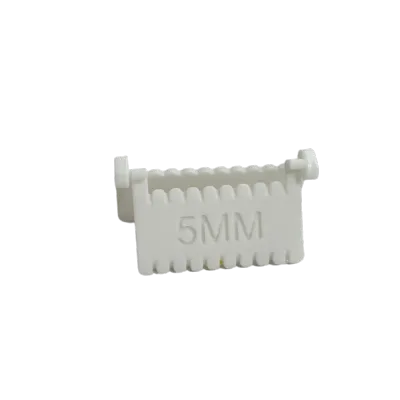
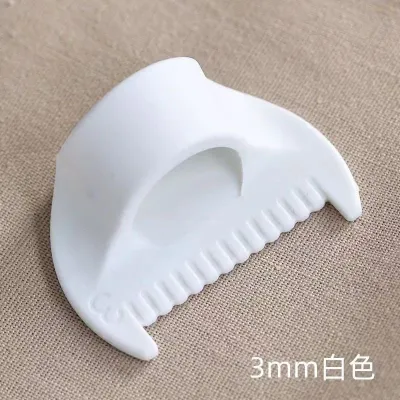
Prices are valid at publication and may change. Please refer to the product page for the latest price.
Thread conditioners, which include natural beeswax and synthetic silicone-based compounds, serve as passive locking tools. When you run a length of thread through a conditioner, the substance coats the fibers, smoothing down microscopic fuzz and locking the twist of the thread in place. This physical barrier significantly reduces friction as the thread passes through the fabric, preventing the tangling, knotting, and fraying that can weaken a seam.
Locking stitch guides and tension clips represent another mechanical category. These tools clamp onto the fabric or hold the thread at a specific tension during the stitching process. They ensure that each stitch is locked in place before the next one is pulled through, preventing loose loops and uneven tension. This is particularly useful for decorative hand embroidery or structural seams that require uniform stitch length and tension.
The concept of “locking” in hand sewing thus carries a dual meaning. It refers both to the physical securing of the start and end of a stitch sequence (knotting) and to the maintenance of consistent thread tension throughout the sewing process. By preventing thread slippage and stabilizing the fibers, these tools ensure that your handiwork remains intact through wear, washing, and handling.
Matching the Tool to Your Specific Sewing Project
Selecting the appropriate hand sewing locking tool requires a systematic evaluation of your project’s materials and structural demands. A tool that excels in heavy-duty canvas repairs will likely damage a delicate silk blouse, while a fine quilting conditioner may not provide enough grip for thick upholstery thread.

To make an informed choice, you must analyze the physical characteristics of your fabric, the weight and composition of your thread, and your own physical comfort. Matching the tool’s physical mechanism to these variables ensures a smooth sewing experience and a durable finished product.
Tools for Quilting and Detailed Handwork
Quilting and detailed handwork, such as applique or English paper piecing, demand extreme precision and minimal bulk. Because these projects involve sewing through multiple layers of fabric and batting, thread friction is a constant challenge that can lead to thread breakage and hand fatigue.
For these detailed tasks, thread conditioners are indispensable. A high-quality conditioner allows fine cotton, silk, or specialty quilting threads to glide effortlessly through the quilt sandwich. This smooth passage prevents the thread from shredding or thinning over long stitching runs, preserving the strength of every stitch.
When it comes to securing the thread, mechanical knotting tools designed for fine work are highly beneficial. These tools help create tiny, dense knots that can be easily “buried” within the batting layer of the quilt. A buried knot remains completely invisible from both the quilt top and backing, maintaining a pristine aesthetic.
Before using any locking tool on a quilt, verify its compatibility with your specific thread. Fine silk threads, for example, require a mechanical tool with an exceptionally smooth, burr-free surface to prevent snagging. You can test this by running a sample thread through the tool’s grooves; if you feel any resistance or catching, the tool is unsuitable for delicate fibers.
Tools for Garment Construction and Alterations
Garment construction and alterations require a balance of durability, flexibility, and invisible finishes. Unlike quilts, which are relatively static, garments are subjected to constant movement, stretching, and frequent laundering, meaning your locked stitches must be both secure and yielding.
Staining and residue are primary concerns when selecting tools for clothing. Traditional beeswax, while excellent for natural fibers, can melt under the high heat of a garment iron, potentially leaving dark, greasy spots on delicate silks, polyesters, or light-colored cottons. For garment projects, synthetic silicone-based thread conditioners are often the safer choice, as they do not leave a greasy residue and remain stable under standard ironing temperatures.
Mechanical locking aids used in garment sewing must be highly precise to facilitate discreet hem locking. A bulky knot at the hem of a lightweight skirt can ruin the drape of the fabric. Look for tools that allow you to tie knots extremely close to the fabric fold, ensuring the finish remains flat and unnoticeable from the exterior.
Ergonomics play a vital role in garment sewing, which often involves long, repetitive sessions of hand-sewing linings, buttons, or hems. Selecting a mechanical aid with a soft, non-slip grip can significantly reduce the pinch force required to hold the tool. This minimizes hand strain and allows for greater control over your stitching.
Tools for Quick Repairs and Heavy-Duty Mending
Mending heavy-duty items such as denim jeans, canvas bags, outdoor gear, or upholstery requires tools that can withstand significant physical force. The threads used for these repairs—such as thick nylon, polyester topstitching thread, or waxed linen—are stiff, springy, and notoriously difficult to knot securely by hand.
For these high-stress applications, mechanical locking aids must feature robust construction, typically made from solid metal or reinforced composite plastics. The tool’s grooves must be deep enough to accommodate the larger diameter of heavy-duty threads without allowing them to slip out during the knotting process.
When mending thick materials, the primary challenge is ensuring the knot is tight enough to resist the high tension placed on the seam. A mechanical knotting tool provides the leverage needed to pull heavy threads into a dense, unyielding knot. This prevents the seam from pulling apart under physical stress.
Verify the grip of your mechanical tool by performing a trial knot with your heavy thread. If the thread slips or the tool flexes under tension, you may need a more robust model with a deeper groove profile. Ensuring a secure grip prevents frustration and guarantees a repair that lasts.
Essential Features to Evaluate Before Purchasing
When shopping for a hand sewing locking tool, whether at a local haberdashery or through online marketplaces, keeping a practical checklist in mind will help you select the best option for your sewing basket.
First, evaluate the thread capacity and groove depth of any mechanical tool. Ensure the physical dimensions of the tool’s guiding channels match the range of thread weights you plan to use. A tool with shallow grooves will fail to hold thick mending threads, while a tool with overly wide channels will not provide enough friction to guide fine silk threads.
Second, verify the material safety of any thread conditioner. Look for products labeled as acid-free, non-staining, and non-toxic. If you work with heirloom textiles or dry-clean-only garments, ensure the conditioner is chemically stable and will not degrade the fabric fibers over decades of storage.
Third, prioritize ergonomics and grip comfort. If you have limited hand mobility, arthritis, or simply sew for extended periods, look for tools with contoured handles, textured surfaces, or soft-touch rubber coatings. A well-designed tool should feel natural in your hand and require minimal physical effort to operate.
Fourth, consider portability and storage. If you attend sewing classes, guild meetings, or travel frequently, select compact tools that come with protective caps or storage cases. This prevents the delicate grooves of mechanical tools from being damaged by other items in your sewing kit and keeps thread conditioners free from dust and lint.
Finally, assess the availability of consumable refills. For thread conditioners, check if the container is designed to be refilled or if you must purchase an entirely new unit once the wax or silicone is depleted. Choosing a refillable system is often more cost-effective and environmentally friendly over the long term.
Frequently Asked Questions (FAQ)
Can I use natural beeswax as a thread locker for all fabrics?
While natural beeswax is a classic and highly effective thread conditioner for natural fibers like cotton, linen, and wool, it is not suitable for all fabrics. Beeswax has a relatively low melting point, meaning it can melt under a hot iron and leave dark, oily stains on synthetic fabrics like polyester, nylon, or delicate silks. Additionally, the wax can stiffen very fine threads, which may negatively affect the soft drape of lightweight garments. Always check the fabric care label and perform a trial run on a scrap piece of your project fabric before applying beeswax to your main thread.
How do I clean and maintain mechanical knotting aids?
Over time, mechanical knotting aids can accumulate lint, thread fibers, and wax residue within their grooves and channels, which can reduce their grip and precision. To maintain these tools, regularly remove debris using a soft, dry brush, such as a clean toothbrush, or a blast of compressed air. Avoid using water, harsh chemical solvents, or alcohol-based cleaners, as these substances can degrade plastic housings, dissolve rubber grips, or cause metal components to rust. If a sticky residue persists, gently wipe the tool with a slightly damp cloth and a tiny drop of mild dish soap, then dry it immediately with a lint-free towel.
Community discussion
Share your experience or ask a question. Comments are reviewed before publication.