
Choosing the right greeting card for a teacher is a thoughtful way to show genuine appreciation for their dedication, guidance, and mentorship. To make the best choice, you must align the card’s design and tone with the specific occasion, select high-quality paper that accommodates your writing instrument without smudging, and craft a message that balances warmth with professional boundaries. Whether you are celebrating a major milestone or sending a simple end-of-term thank you, a structured approach ensures your gesture resonates.
By evaluating the occasion, material quality, and presentation format, you can find or create a card that honors your teacher’s hard work. This guide outlines how to navigate these choices, write a meaningful message, and coordinate class-wide cards while respecting school guidelines.
Identify the Occasion and Set the Right Tone
The first step in selecting a greeting card is identifying the nature of the occasion, which dictates the appropriate level of formality and emotional tone. Major milestones, such as a teacher’s retirement, a promotion, or a graduation ceremony, demand a more formal and reflective tone. These events mark significant transitions in an educator’s career, making elegant designs and deeply respectful language highly appropriate.
Products mentioned in this guide
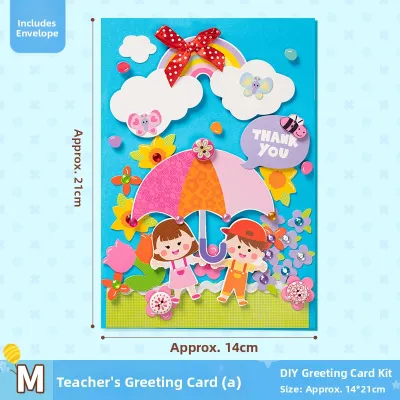
Prices are valid at publication and may change. Please refer to the product page for the latest price.
In contrast, routine appreciation events like Teacher’s Day or end-of-year thank-you notes allow for a warmer, more casual approach. For these occasions, you can choose cheerful, bright designs that celebrate daily classroom life. If the teacher is an approachable mentor with whom you share a lighthearted rapport, a slightly playful or humorous card can work well, provided it remains respectful. For a more traditional or senior educator, a classic design with a polite, appreciative tone is always the safest and most professional choice.
In Singapore, maintaining professional boundaries is an essential part of the student-teacher relationship. While expressions of gratitude are highly valued, the tone of the card should always uphold the teacher’s professional standing. Avoid overly familiar language or inside jokes that could be misinterpreted. A well-chosen card acknowledges the teacher’s professional impact, patience, and guidance, keeping the focus firmly on their role as an educator.
Choose the Design, Format, and Paper Quality
The visual appeal and physical feel of a card set the stage before the recipient even reads your message. When selecting a design, consider the teacher’s personality or subject area. A science teacher might appreciate a subtle botanical illustration or a clever, subject-related motif, while an art or literature teacher might enjoy a classic, minimalist design. For formal milestones, stick to elegant patterns, foil accents, or embossed details that convey a sense of prestige.

The physical format of the card also influences how it is received and stored. Standard folded cards are highly versatile, offering a protected interior for longer, private messages. Pop-up cards provide a delightful visual surprise and are excellent for display on a classroom desk, though they offer limited writing space. Postcards are a minimalist, modern alternative suitable for short, direct notes of thanks, but they lack the privacy of an envelope. Consider how the teacher might store the card; standard sizes fit easily into keepsake boxes or drawers, while oversized cards are better suited for display.
Paper quality is a critical but often overlooked factor, particularly regarding how it interacts with different writing instruments. Look for sturdy cardstock, ideally between 250 and 300 gsm (grams per square meter), which feels substantial and resists bending. The paper finish directly affects ink performance. Uncoated or matte paper is the most reliable surface for handwriting because it absorbs ink quickly, making it highly compatible with fountain pens, gel pens, and rollerballs while minimizing the risk of smudging. Glossy or coated paper, while vibrant, does not absorb water-based inks well and requires a permanent marker or a specialized quick-drying pen to prevent smearing.
Because ink absorption, drying speed, and bleed resistance depend on the exact combination of your pen’s ink and the card’s paper fibers, always perform a quick trial on a scrap piece of paper or an inconspicuous corner before writing. This simple check ensures your handwriting remains clean, legible, and free from unsightly ink bleeds.
Write a Meaningful and Professional Message
A beautiful card is only the vessel; the handwritten message inside carries the true value of the gesture. To write a message that feels genuine and professional, follow a clear three-part structure. Begin with a respectful opening greeting, using the teacher’s proper title and surname. Next, share a specific memory, a lesson that resonated with you, or a particular way the teacher supported your academic or personal growth. Finally, close with a respectful wish for their future and a polite sign-off.
The length of your message should match the physical space available and the depth of your relationship. If you are writing in a standard folded card, aim for a paragraph or two that highlights a concrete example of their impact, such as their patience during a challenging topic or their encouragement during an extracurricular activity. If space is limited, focus on a concise but sincere statement of gratitude.
Always maintain professional boundaries by keeping the focus on the educational environment. Avoid discussing highly personal matters, family issues, or non-academic topics. Instead, emphasize mentorship, classroom experiences, and the positive learning environment the teacher created. This keeps the message meaningful, appropriate, and comfortable for the teacher to read and share.
Compare Store-Bought, DIY, and Digital Options
When deciding how to source your card, weigh the trade-offs between store-bought, handmade, and digital formats based on your available time, budget, and creative skills.
Store-bought cards offer a quick, highly polished, and professional result. They are widely available at local stationery boutiques and online marketplaces. When choosing a pre-printed card, look for options with blank interiors. This ensures you have ample space to write a personalized, handwritten message, avoiding generic pre-written sentiments that can feel impersonal.
DIY and handmade cards add a deeply personal touch that shows a high level of effort and care. This option is particularly meaningful for primary school students who want to include their own drawings or paper crafts. When planning a DIY card, verify the durability of your materials. Use heavy cardstock as the base, and ensure any decorative elements are secured with high-quality, acid-free adhesives to prevent them from peeling off over time. If younger children are assisting with cutting or gluing, ensure they use age-appropriate safety scissors and non-toxic, solvent-free adhesives under adult supervision.
Digital cards, or e-cards, are a practical alternative for remote learning environments, last-minute greetings, or when physical delivery is not possible. When using a digital platform, ensure it is appropriate for a school setting and does not require the teacher to sign up for an account or navigate ad-heavy websites to view the message. While convenient, digital cards lack the tactile keepsake value of physical cards, so reserve them primarily for situations where a physical card cannot be delivered.
Organize Collaborative Cards for the Whole Class
A collective card from an entire class is a powerful way to show unified appreciation, especially for major milestones like graduation or the end of the school year. To organize a successful class card, select an oversized format, such as an A3-sized folded card or a multi-panel accordion card. This ensures there is enough physical space for everyone to sign without the layout looking cluttered, cramped, or rushed.
You can structure a collaborative card in two main ways. You can assign a representative to write a single, well-crafted message on behalf of the class, leaving the surrounding space for students to sign their names and add brief, one-sentence well-wishes. Alternatively, you can divide the card’s interior into designated sections or grid boxes, allowing each student to write a short, personal note in their own handwriting.
Managing the logistics of a class card requires careful planning to avoid disrupting school hours. Coordinate the signing process during recess, lunch breaks, or before school starts. To keep the card clean and presentable, encourage students to use the same type of pen—such as a black or blue gel pen—to maintain visual consistency. Once completed, present the card in a protective envelope or folder to keep it pristine.
Frequently Asked Questions (FAQ)
Is it appropriate to include a gift card with the greeting card?
Yes, but you must first check the specific school policies and national guidelines regarding gifts for educators. In Singapore, public school teachers are subject to strict civil service guidelines regarding receiving gifts to prevent conflicts of interest. Many schools require teachers to declare or decline physical gifts or gift cards that exceed a nominal value, which is often capped around S$50. To avoid putting your teacher in an uncomfortable position, keep any accompanying gifts modest, or focus entirely on the greeting card itself. A heartfelt, handwritten message is always acceptable, carries no regulatory burden, and is often the most cherished keepsake a teacher receives.
Should parents or students sign the message?
The decision of who should sign the card depends primarily on the student’s age and level of independence. For younger children in preschool or early primary school, a collaborative approach works best. Parents can write a polite note expressing gratitude for the teacher’s patience and support, while the child adds their own signature, a simple hand-drawn picture, or a short sentence. For older students in secondary school or pre-university levels, the student should write and sign the message independently. This direct student-to-teacher communication feels more authentic and reflects the personal academic journey and mentorship shared between them.

Community discussion
Share your experience or ask a question. Comments are reviewed before publication.