
Choosing the right glow-in-the-dark paint as a beginner artist in Singapore involves selecting water-based acrylic formulations, understanding pigment types, and verifying safety labels. For those starting out with luminous art projects, the key is finding a medium that is easy to apply, simple to clean up, and capable of delivering a bright, long-lasting glow without requiring specialized professional equipment. By focusing on user-friendly acrylic bases and high-performing strontium aluminate pigments, you can create beautiful night-time visual effects on canvas, wood, or fabric right from your home studio.
In Singapore’s warm and humid climate, paint behavior can vary, making the choice of medium even more critical for successful drying and curing. Beginners often face challenges with uneven application, weak glow intensity, or rapid paint degradation. Understanding how these specialty paints function and how they interact with different surfaces will save you time and resources, ensuring your creative vision transitions beautifully from daylight to darkness.
Key Evaluation Criteria for Beginner-Friendly Luminous Paint
When stepping into the world of luminous art, the sheer variety of options can be overwhelming. To ensure a smooth learning curve, your primary focus should be on the paint’s chemical base. Water-based acrylics are highly recommended for beginners because they offer straightforward cleanup using only soap and water. Unlike solvent-based alternatives, water-based acrylics emit minimal odor, making them much more comfortable to use in typical indoor residential spaces or air-conditioned rooms.
Products mentioned in this guide
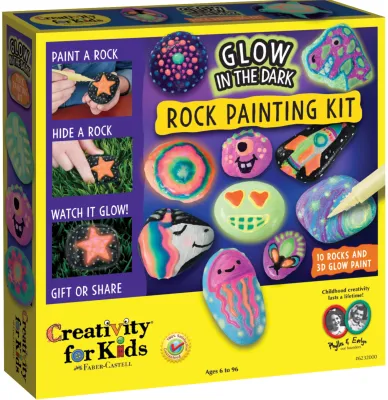
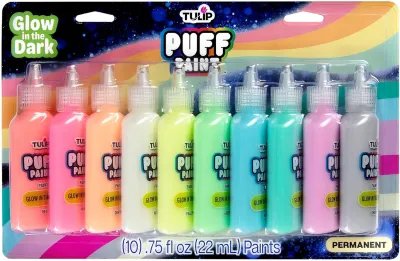
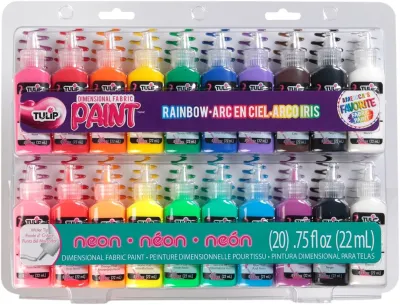
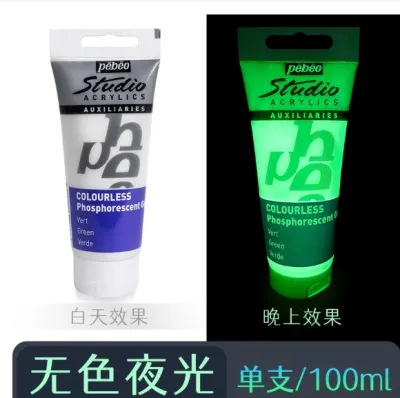
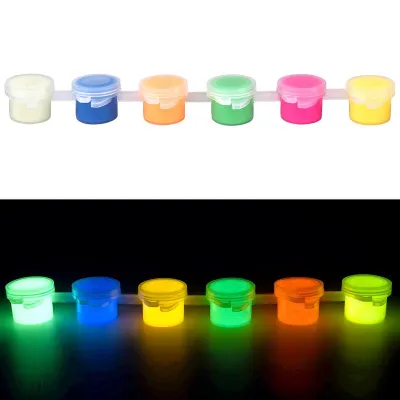
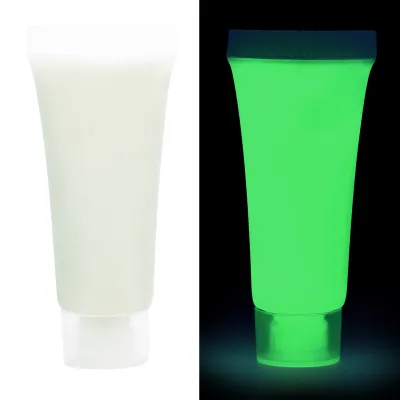
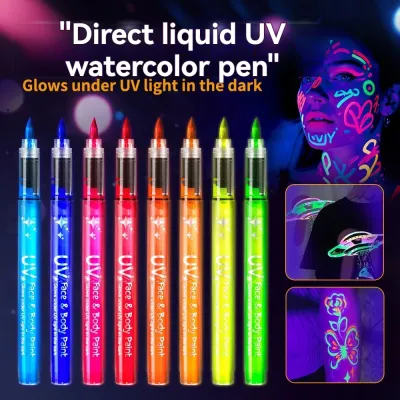
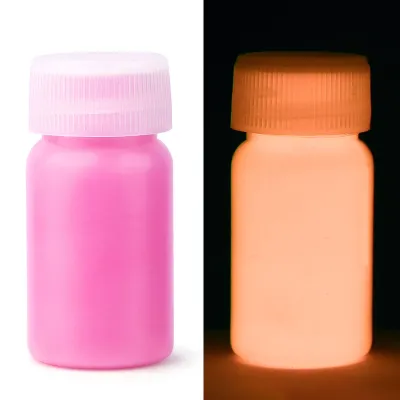
Prices are valid at publication and may change. Please refer to the product page for the latest price.
The performance of glow-in-the-dark paint—technically known as phosphorescent paint—depends heavily on the type of luminous pigment suspended in the medium. There are two primary pigment types you will encounter: zinc sulfide and strontium aluminate. Zinc sulfide is an older, more affordable technology that charges quickly but produces a relatively weak glow that fades within thirty minutes to an hour. In contrast, strontium aluminate is a modern, high-performance pigment that glows up to ten times brighter and can sustain its luminescence for several hours after a full charge. For serious art projects, investing in strontium aluminate-based paints yields far more satisfying results.
Another critical factor is the charging spectrum required to activate the paint. Luminous pigments absorb light energy and release it slowly over time. While standard indoor LED lighting or natural sunlight can charge these paints, ultraviolet (UV) light or blacklights are the most efficient charging sources. When evaluating different paint options, check if the product is optimized for quick charging under standard ambient light or if it requires a dedicated UV light source to achieve its peak brightness.
Safety should always be a priority, especially for hobbyists working at home. Look for clear safety certifications on the packaging, such as the AP (Approved Product) non-toxic seal or compliance with international safety standards like EN71. These labels verify that the paint does not contain harmful heavy metals or toxic solvents, making them suitable for general crafting, family projects, and prolonged skin contact during the painting process.
Matching Paint Formulations to Your Art Projects
Not all glow-in-the-dark paints are created equal, and matching the formulation to your specific canvas or craft material is essential for long-term durability. Standard acrylic-based luminous paints are the most versatile option available. They adhere exceptionally well to porous and semi-porous surfaces such as stretched canvas, paper, cardboard, unglazed ceramics, and primed wood. Because they dry to a flexible, water-resistant finish, standard acrylics are ideal for traditional paintings, decorative wooden crafts, and indoor murals.

If your creative interests lean toward wearable art, standard acrylics will not suffice, as they tend to crack and peel when applied to flexible materials. Instead, look for specialized fabric or textile glow-in-the-dark paints. These formulations contain flexible binders that allow the paint to stretch and bend with the fabric fibers. They are designed to withstand regular wear and machine washing without losing their adhesive properties or luminous intensity. When using textile paints, remember that most require heat-setting with an iron or a clothes dryer to fully cure the binder and ensure wash-fastness.
For non-porous surfaces like glass, glazed ceramics, plastics, or metal, standard craft paints often struggle to bond, leading to chipping or peeling over time. For these challenging materials, you will need specialty multi-surface acrylics or paints formulated specifically for glass and slick surfaces. Alternatively, many artists working with resin casting prefer to mix pure, dry phosphorescent powder directly into clear epoxy resin. This method ensures the glowing particles are suspended evenly throughout the solid plastic structure, creating a highly durable and glossy three-dimensional object.
Outdoor projects, such as painted garden stones or exterior signage, demand paints that can withstand Singapore’s intense sunlight and heavy tropical downpours. Standard indoor craft paints will degrade rapidly under UV exposure and moisture. For outdoor applications, look for weather-resistant formulations or protect your finished work with a high-quality, exterior-grade clear topcoat that is compatible with acrylic mediums.
Application Techniques for Maximum Luminescence
Achieving a brilliant, even glow requires more than just brushing the paint onto a surface; proper preparation and application techniques are vital. Luminous paint is inherently semi-translucent because the glowing pigment particles must be exposed to light to charge. If you apply this translucent paint directly over a dark or patterned background, the dark surface will absorb both the charging light and the emitted glow, resulting in a dull, barely visible effect. To prevent this, always apply a solid white or very light-colored primer or acrylic base coat before painting your luminous layers. The white background acts as a mirror, reflecting the light back through the paint and dramatically boosting the perceived brightness.
When applying the paint, the thickness of your layers plays a crucial role in the final outcome. Luminous pigments are relatively heavy and tend to settle to the bottom of the paint container, so thorough stirring before and during use is essential. Rather than applying one thick, heavy layer—which can lead to cracking, uneven drying, and a textured, bumpy finish—apply multiple thin, even coats. Allow each layer to dry completely before applying the next. Three to four thin coats will build up a dense concentration of pigment particles, resulting in a smooth surface and a powerful, uniform glow.
Avoid the temptation to thin glow-in-the-dark paint with excessive amounts of water. Over-thinning dilutes the acrylic binder, causing the heavy pigment particles to clump together or settle unevenly on the canvas, which creates a patchy, speckled glow. If you need to improve the flow of the paint for fine detail work, use a professional acrylic gloss medium or pouring medium instead of water. These mediums maintain the structural integrity of the paint film while keeping the pigments suspended evenly.
Finally, consider how you protect your finished artwork. While a clear topcoat is excellent for preventing scratches and dust accumulation, some varnishes contain UV-blocking agents designed to protect traditional pigments from fading. These UV blockers will prevent your glow-in-the-dark paint from charging effectively. Always choose a clear, non-yellowing acrylic sealer that does not specify UV protection, or test the sealer on a small scrap piece before applying it to your completed masterpiece.
Pre-Purchase Checklist and Sourcing Guidelines
Before purchasing your first set of glow-in-the-dark paints, a quick checklist will help you verify product quality and avoid common beginner pitfalls. Start by reading the product label carefully to identify the active pigment. If the label does not explicitly state “strontium aluminate,” look for descriptions indicating a long-lasting glow or high-performance formula. Additionally, pay attention to the particle size mentioned in the specifications; fine-grain pigments offer a smoother application suitable for detailed brushwork, while coarser grains provide a stronger glow but may leave a slightly textured surface.
Budgeting for your art supplies is another practical consideration. In Singapore, beginner-friendly sets containing four to six small bottles of assorted luminous colors typically range from S$15 to S$35. These sets are excellent for experimenting and finding your preferred color palette. If you require larger quantities for a major project, individual jars of high-quality luminous paint generally cost between S$10 and S$25 each, depending on the volume and pigment concentration. Pure phosphorescent powders, which can be mixed into various mediums, are also available but tend to carry a higher upfront cost.
When sourcing these materials locally, visiting established art supply stores in areas like Bras Basah Complex allows you to inspect the physical bottles, read the labels directly, and seek advice from knowledgeable staff. If you prefer the convenience of online marketplaces or specialized e-commerce platforms, take the time to read customer reviews specifically focusing on the paint’s consistency and glow performance. Be cautious of extremely cheap, unbranded options, as they often contain low-grade zinc sulfide pigments that may disappoint in terms of brightness and longevity. Always verify the seller’s return policy and shipping times to ensure a smooth purchasing experience.
Frequently Asked Questions (FAQ)
Does glow-in-the-dark paint expire or lose its charging ability over time?
In its liquid state, glow-in-the-dark paint typically has a shelf life of two to five years, depending on how it is stored and the quality of the acrylic binder. Over time, the heavy luminous pigments can settle into a hard pack at the bottom of the bottle, making them difficult to remix. To maximize shelf life, store your paint bottles tightly sealed in a cool, dry place away from direct sunlight and extreme temperature fluctuations, which are common in tropical climates. Once applied to a surface and fully cured, high-quality strontium aluminate pigments are incredibly stable and can continue to charge and glow for decades without losing their photoluminescent properties.
Can I mix glow-in-the-dark paint with regular acrylic colors?
Mixing glow-in-the-dark paint directly with standard opaque acrylic colors is generally not recommended. Standard paint pigments are opaque and will physically block light from reaching the luminous particles, significantly reducing or completely extinguishing the glow effect. If you want to introduce color to your luminous art, the best approach is to layer your paints. Apply your standard acrylic colors first to create the background design, let it dry completely, and then apply layers of translucent glow-in-the-dark paint over the top. Alternatively, you can mix a very small amount of transparent acrylic ink or fluid acrylic into your luminous paint, but test the mixture on a scrap surface first to ensure it does not compromise the glow.
What type of light is best for charging luminous paint?
The most effective light source for charging phosphorescent paint is ultraviolet (UV) light, often referred to as a blacklight. UV light operates at a wavelength that rapidly excites the electrons in the luminous pigments, allowing the paint to reach its maximum brightness in just a few seconds. Natural sunlight is also an excellent and highly powerful charging source due to its high UV content. Standard indoor LED lights, fluorescent bulbs, and incandescent household lamps will charge the paint, but they require a significantly longer exposure time—often thirty minutes or more—and may not produce the same peak intensity as a dedicated UV light source.

Community discussion
Share your experience or ask a question. Comments are reviewed before publication.