
Selecting the right thread is one of the most critical decisions in bead weaving, directly influencing both the structural integrity and the final drape of your handmade jewelry. Among the various options available to modern makers, gel-spun polyethylene thread—commonly known by the brand name FireLine—is highly favored for its exceptional strength, lack of stretch, and high resistance to abrasion. However, because this material does not behave like traditional nylon thread, choosing the wrong thickness can lead to stiff beadwork, broken beads, or shredded fibers.
To achieve professional results, you must match the thread’s weight to your specific beading technique, the size of your beads, and the number of times the thread must pass through a single bead hole. Understanding how these variables interact allows you to select the perfect spool for everything from delicate, fluid peyote stitch bracelets to heavy, structured sculptural designs.
Understanding FireLine Thread Weights and Bead Constraints
Unlike traditional sewing threads that use standard gauge systems, FireLine is categorized by its breaking strength in pounds, a legacy of its origins as a high-performance fishing line. The most common weights used in beadwork are 4lb, 6lb, 8lb, 10lb, and 14lb. In the context of stationery and craft assembly, these pound ratings serve primarily as indicators of physical thickness rather than just weight-bearing capacity. For instance, a 4lb thread is incredibly fine, while a 14lb thread is noticeably thick and rigid.
Products mentioned in this guide
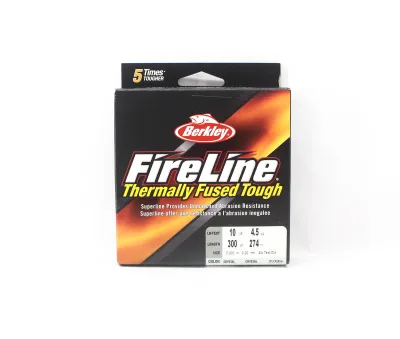
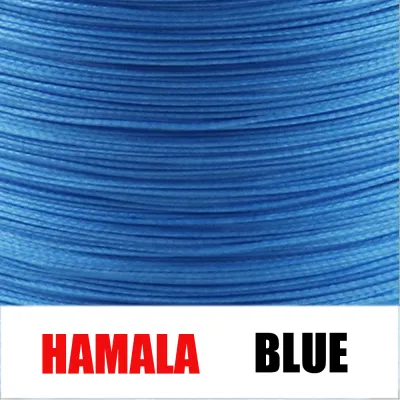
Prices are valid at publication and may change. Please refer to the product page for the latest price.
The physical limit of any beadwork project is determined by the inner diameter of the bead holes. Seed beads, particularly Japanese cylinder beads and Czech glass beads, have tiny openings that vary by size and manufacturer. When planning a project, you must calculate the relationship between the thread’s diameter, the needle’s thickness, and the maximum number of passes required by your pattern. If a pattern requires you to pass through a single size 11/0 seed bead four or five times, using a thread that is too thick will quickly clog the hole, making subsequent passes impossible and risking structural failure. Always check the manufacturer specifications on your bead packaging or consult reference charts to identify the nominal hole size before selecting your thread weight.
Matching Thread Weight to Popular Beading Techniques
The stitch pattern you choose dictates the mechanical demands placed on the thread. Some stitches require a highly flexible, fluid drape, allowing the beadwork to conform comfortably to the body, while others demand rigid tension to maintain a three-dimensional shape. The maximum thread thickness is always limited by the tightest junction in your pattern—the point where the highest number of thread passes intersect.

Peyote Stitch and Off-Loom Weaving
Peyote stitch, brick stitch, and other off-loom weaving techniques often utilize very small seed beads, such as size 11/0 or the microscopic size 15/0. These intricate patterns require multiple thread passes to secure the beads in a staggered, woven grid. For these applications, thinner threads like 4lb or 6lb are generally the most appropriate choices.
Using a thread that is too thick for delicate off-loom work introduces several risks. First, the physical pressure of forcing a thick thread and a needle through a small bead hole multiple times can easily crack delicate glass walls, ruining hours of work. Second, excessive friction can cause the outer coating of the thread to fray and bunch up, creating unsightly lumps and weakening the structural core. Finally, heavy thread can make the finished piece feel stiff and board-like, stripping away the soft, fabric-like drape that makes peyote stitch so appealing.
Loom Work and Right-Angle Weave
Loom weaving and Right-Angle Weave (RAW) present different structural challenges. In loom work, the warp threads—the longitudinal threads stretched tightly across the loom frame—are under constant tension throughout the weaving process. For these warp threads, a medium weight such as 8lb provides the necessary tensile strength to withstand the tension without snapping, while a slightly thinner 6lb thread can be used for the weft (the horizontal weaving thread) to keep the beads sitting flush against one another.
Right-Angle Weave, on the other hand, relies on a series of interconnected loops where threads cross at right angles. This structure requires a delicate balance; the thread must be strong enough to hold the square shape of the units without stretching, yet flexible enough to allow the piece to bend naturally. A 6lb or 8lb thread is typically ideal for RAW with standard size 11/0 or 8/0 beads, ensuring a secure hold while preserving a comfortable, wearable drape.
Structural Elements and Heavy Embellishments
When a project incorporates heavy components, structural elements, or functional parts, the demands on your thread increase significantly. Heavy embellishments, such as large glass pearls, gemstone beads, or crystal bicones, often have sharp edges around their drill holes that can easily slice through thinner threads over time. For these materials, stepping up to a 10lb or 14lb thread provides the necessary shear resistance and durability.
Similarly, parts of a design that experience constant movement and friction—such as clasp attachments, toggle loops, and the base rows of heavy fringe—require maximum reinforcement. Using a heavier weight ensures that these high-stress areas do not fail during daily wear. Before committing to a thicker thread, always check the hole clearance of your accent beads and consult the pattern designer’s recommendations to ensure the thicker line can pass through the necessary beads without issue.
How to Verify Thread and Bead Compatibility Before Starting
To prevent frustrating mid-project failures, such as a needle getting permanently stuck or a critical bead shattering halfway through your work, it is highly recommended to perform a physical compatibility test before cutting your main working threads. This simple dry run allows you to observe how your chosen thread, needle, and beads interact under simulated project conditions.
To conduct a pass test, cut a short scrap piece of your target thread weight and thread it onto the needle size you plan to use. Select a few sample beads from your project lot, specifically targeting the smallest or most irregular beads, as these represent the worst-case scenario for hole clearance. Pass the needle and thread through a single bead the maximum number of times required by your pattern’s tightest stitch.
As you perform the test, pay close attention to the physical feedback. The needle should slide through with minimal resistance on the final pass; if you find yourself needing to use pliers or excessive force to pull the needle through, your thread is too thick, your needle is too large, or your bead holes are too small. Inspect the thread closely after the final pass. If you notice any fuzzing, flattening, or stripping of the factory coating, this indicates high friction that will eventually lead to fraying and breakage during the actual weaving process. If any of these warning signs occur, step down to a lighter thread weight or select a finer needle before proceeding.
Handling and Maintenance Tips for FireLine
Working with gel-spun polyethylene requires a few adjustments to your standard beading habits to ensure a smooth, frustration-free experience. Because this material is incredibly strong and slick, managing your working lengths is crucial. It is best to cut manageable lengths of thread—typically no longer than 1 to 1.5 meters—to minimize the amount of friction the thread experiences as it is pulled through the beads repeatedly. Longer lengths are highly prone to twisting, tangling, and premature wear.
FireLine comes from the factory with a protective coating that gives it a signature stiffness. If your project requires a softer, more fluid drape, you can gently run the cut thread between your fingers a few times to break the stiffness before you begin weaving. Always refer to the product care labels and manufacturer instructions regarding any specific handling recommendations.
Additionally, because of the high-density, braided structure of gel-spun fibers, standard craft scissors will quickly dull and fail to make clean cuts, resulting in frayed ends that are nearly impossible to thread through a needle eye. To achieve clean, precise cuts, always use high-quality thread snips, specialized micro-serrated scissors, or a dedicated thread burner. A clean, unfrayed tip makes threading even the finest beading needles a simple task and prevents structural unraveling at the ends of your working thread.
Frequently Asked Questions (FAQ)
Can I use the same FireLine weight for the entire project?
While using a single thread weight throughout an entire project is highly convenient, it is not always the best approach for complex designs. For example, you may want to use a flexible 6lb thread for the main, intricate bead-woven body of a bracelet to ensure a soft drape, but switch to a stronger 10lb thread for securing the metal clasps and jump rings. Mixing weights allows you to optimize both the wearability and the durability of different sections of your piece.
Does the color of the FireLine thread affect its thickness or strength?
The physical dimensions and tensile strength of the thread are primarily determined by its core gel-spun polyethylene structure. However, color additives and external coatings can occasionally introduce minor variations in texture or perceived stiffness. To ensure consistency across your project, always check the manufacturer’s specifications on the spool label to verify that the stated diameter and performance characteristics match your requirements, regardless of whether you are using crystal, smoke, or satin finishes.
How do I safely finish and tie off FireLine without it slipping?
Because gel-spun thread has a very slick surface, standard knots can easily slip loose over time if not secured properly. The most reliable method is to weave the working tail back through several centimeters of the existing beadwork, changing directions multiple times to create natural friction that locks the thread in place. For added security, tie half-hitch knots around the existing thread bridges between beads as you weave back, and apply a tiny drop of bead adhesive or carefully singe the thread end with a thread burner according to the manufacturer’s safety guidelines.
Community discussion
Share your experience or ask a question. Comments are reviewed before publication.