
Choosing the right EZ-Link card variant in Singapore depends on your residency status, age, daily travel frequency, and how you prefer to manage your transit expenses. For eligible students, senior citizens, and individuals with disabilities, concession cards offer the most economical rates and are the clear choice. For general adult commuters, the decision rests between standard adult cards, which offer seamless integration with digital wallets and account-based ticketing, and collectible charms or themed cards that serve as stylish everyday accessories. By evaluating your weekly transit routes, retail spending habits at local hawker centers or convenience stores, and preferred top-up methods, you can select the card format that best fits your lifestyle.
Assessing Your Daily Transit and Retail Needs
To find your ideal card, start by mapping out your weekly commute. Calculate how many times you board a public bus, MRT, or LRT train. If you travel multiple times a day for work, school, or social activities, your transit expenses can add up quickly. Understanding your travel frequency helps you determine whether a standard pay-per-ride card is sufficient or if you should look into specialized monthly travel passes that offer unlimited rides for a flat fee.
Next, consider your non-transit spending habits. Many local merchants, including convenience stores, supermarkets, fast-food outlets, and hawker stalls, accept transit cards for quick contactless payments. If you frequently buy your morning coffee, grab quick snacks, or purchase daily essentials at these locations, using your transit card as a micro-payment tool can streamline your wallet. Look at whether you prefer keeping your transit budget separate from your main bank accounts or if you want a single card that handles both transport and small retail purchases.
Products mentioned in this guide
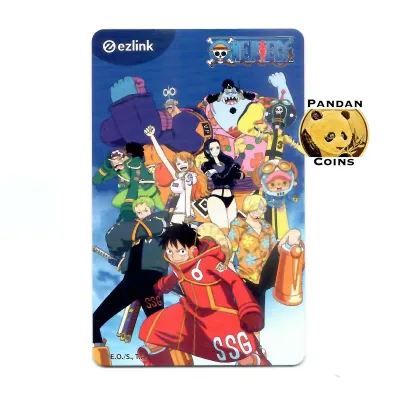
Prices are valid at publication and may change. Please refer to the product page for the latest price.
Finally, verify your eligibility for concession schemes. The government provides subsidized transit fares for specific demographic groups, including primary, secondary, and tertiary students, senior citizens, workfare income supplement recipients, and persons with disabilities. If you fall into any of these categories, applying for a concession card is highly recommended, as the fare savings over time are substantial compared to standard adult rates.
Matching Card Categories to Your User Profile
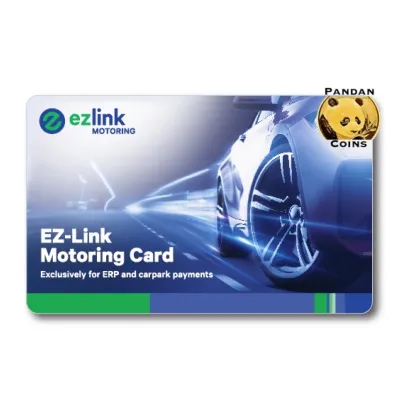
Standard adult cards are the most common option for general commuters, working professionals, and long-term residents. These cards are highly versatile and widely accepted across the entire public transport network, as well as at thousands of retail outlets. They do not require any special eligibility criteria and can be purchased instantly. For most adults who commute regularly but do not qualify for concession rates, a standard card provides the perfect balance of convenience, ease of use, and digital account integration.

Concession cards are tailored specifically for eligible individuals who qualify for subsidized travel. These cards are personalized with the holder’s photograph and name, and they must be applied for through official transit portals or concession card replacement offices. If you are a student or a senior citizen, using a concession card is the most cost-effective way to travel, as it unlocks significantly lower per-trip fares and allows you to purchase specialized monthly concession passes for unlimited travel.
For short-term visitors and tourists, standard stored-value cards might not always be the most economical choice if travel plans are highly intensive. Tourist passes offer unlimited travel on basic bus services and MRT or LRT trains for a specific number of days, typically ranging from one to three days. If your itinerary involves visiting multiple attractions across the island within a short timeframe, a tourist pass can simplify your travel logistics, though you should compare the upfront cost of the pass against your estimated individual trip fares.
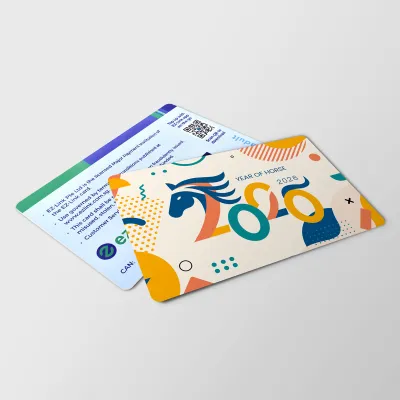
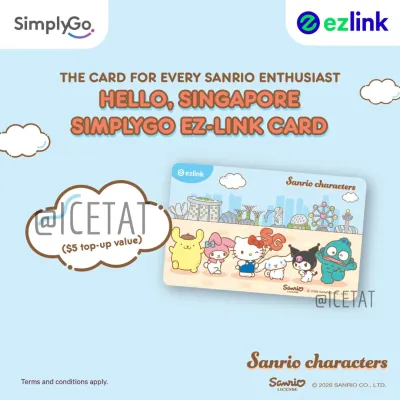
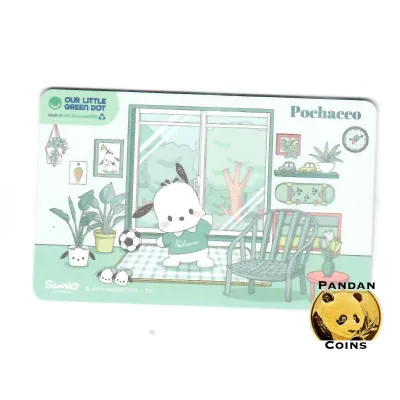
If you appreciate unique designs or want a personalized accessory, collectible charms and limited-edition themed cards are excellent alternatives. These items function exactly like standard adult cards but come in creative shapes, such as popular cartoon characters, miniature figurines, or artistic patterns. They are highly sought after by collectors and make excellent gifts. While they usually carry a higher initial purchase price and do not come with pre-loaded transit value, they offer a fun and stylish way to tap through transit gantries and pay for retail purchases.
Evaluating Physical Formats and Account Features
When choosing a card variant, consider the physical format that best suits your daily routine. Traditional plastic cards are slim and fit easily into any wallet, cardholder, or phone case pocket. However, if you frequently find yourself searching through your bag at the transit gantry, a wearable accessory or a collectible charm might be more convenient. These charms can be attached to your house keys, phone strap, or backpack, allowing you to tap in and out quickly without removing your wallet.
Another critical factor is the underlying technology and account integration. Many transit cards in Singapore now operate on account-based ticketing systems, such as SimplyGo. This system links your physical card or charm directly to a digital account, allowing you to view your transaction history, track your travel history, and monitor your balance via a mobile application. One key characteristic of account-based cards is that the fare and remaining balance are displayed on your mobile app rather than on the transit gantry screen during a tap. If you prefer seeing your balance instantly at the gantry, you may need to verify which card type or settings you are using.
Additionally, evaluate the convenience of reloading your card. Account-based cards allow you to set up automatic top-up services, which link your transit card to a credit card, debit card, or bank account. When your balance falls below a specific threshold, the card automatically reloads with a pre-determined amount, ensuring you never face insufficient-balance delays at the gantry. If you prefer manual top-ups, check the minimum reload amounts and accepted payment methods at various self-service ticketing machines, convenience stores, and transit stations to ensure they match your preferences.
Purchasing, Reloading, and Replacing Your Card
Acquiring your chosen card variant is straightforward, but availability depends on the specific type. Standard adult cards can be purchased at passenger service centers inside MRT stations, bus interchanges, and major convenience stores such as 7-Eleven or Cheers. Collectible charms and limited-edition themed cards are typically sold at selected transit offices, official vending machines, or authorized online marketplaces. Always ensure you buy from official sources to guarantee the card is genuine and ready for activation.
Reloading your card can be done through both physical and digital channels. Physical top-up points include self-service ticketing machines located at all MRT stations and bus interchanges, where you can use bank cards or local digital payment methods. Many convenience stores also offer top-up services, though some may charge a small administrative fee per transaction. For maximum convenience, digital top-ups can be performed directly through the official mobile application on your smartphone, allowing you to add funds anytime and anywhere without standing in line.
Understanding the replacement and refund procedures is essential for safeguarding your funds. If your card is lost, stolen, or physically damaged, your ability to recover the remaining balance depends on whether the card is registered. Registered cards can be blocked immediately through the mobile app or customer service hotline to prevent unauthorized use, and the remaining balance can be transferred to a new card or refunded to your bank account. Unregistered cards do not offer this protection; if you lose an unregistered card, any remaining balance is permanently lost. Therefore, registering your card immediately after purchase is a highly recommended safety measure.
Managing Balances and Maximizing Everyday Value
To get the most out of your transit card, make it a habit to monitor your transactions and balance regularly. Using the official mobile application allows you to view detailed logs of your daily trips and retail purchases. This practice not only helps you manage your monthly transport budget but also allows you to quickly identify any unusual or erroneous deductions. Keeping a close eye on your balance ensures you are always prepared before approaching the transit gantries.
Many reloadable card accounts are tied to loyalty and reward programs. By registering your card and linking it to your digital profile, you can earn reward points for every transit journey or retail transaction. These points can be accumulated and redeemed for a variety of benefits, including shopping vouchers, dining discounts, or direct transit credits. Take the time to explore the rewards catalog within the mobile app and understand the points expiration policy to maximize the everyday value of your commute.
Proper physical care is also vital to ensure your card or charm remains functional over its lifespan. Avoid bending plastic cards, exposing them to extreme heat, or placing them near strong magnetic fields, as these actions can damage the internal antenna or microchip. If you use a collectible charm, inspect the attachment ring and cord regularly to ensure they are secure and not showing signs of fraying. Additionally, to avoid “card clash”—where multiple contactless cards in your wallet interfere with each other at the gantry—always tap your transit card individually rather than tapping your entire wallet.
Frequently Asked Questions (FAQ)
Can I use my card for transit or payments outside Singapore?
Standard EZ-Link cards, charms, and transit passes are designed exclusively for use within Singapore’s domestic public transport network and participating local merchants. They cannot be used for transit systems or retail payments in other countries. If you travel frequently across borders, such as to neighboring regions, you will need to use alternative payment methods accepted in those areas or look for specialized co-branded cards designed specifically for cross-border travel.
How do I recover my balance if the card expires or is damaged?
If your card reaches its expiry date or becomes physically damaged, you can recover the remaining balance by initiating a refund or transfer. For registered cards, this process can be completed online through the official mobile application or by visiting a transit customer service center. The remaining funds will be calculated and transferred to your designated bank account or onto a new replacement card. Be sure to check the expiry date of your card periodically, which is visible on ticketing machines or within the mobile app, to avoid any disruption to your daily commute.
Community discussion
Share your experience or ask a question. Comments are reviewed before publication.