
Finding that a favorite pair of trousers does not fit perfectly is a common frustration, but the solution depends entirely on where the garment hangs loose. Choosing the right clip for loose pants requires matching the fastener’s mechanical design to the specific zone of looseness, whether you are dealing with a gaping waistband or excess fabric pooling around your ankles. A waist adjustment demands a low-profile, flat fastener that sits comfortably against the skin and remains hidden under clothing. Conversely, securing loose ankles requires a high-tension, slip-resistant grip capable of withstanding constant movement, friction, and outdoor elements. By diagnosing the exact location of the fit issue and evaluating your fabric type, you can select a temporary or semi-permanent fastener that restores both comfort and style without damaging your clothes.
Diagnose Your Fit Issue: Waist Gap vs. Ankle Looseness
Before purchasing any fastening accessory, analyze the physical forces acting on your trousers. A waist gap is primarily a static fit issue. When you stand, sit, or bend, the waistband experiences lateral tension and vertical shifting, but it generally remains pressed against your torso. The goal is to gather excess fabric neatly at the sides or back without creating uncomfortable pressure points or unsightly bulges under your shirt. Because this area is in close contact with your body, the fastener must prioritize a smooth, low-profile shape that does not dig into your skin.
Ankle looseness, on the other hand, is a highly dynamic problem. The lower hem of your trousers is subjected to constant motion, wind, and friction as you walk, run, or cycle. If you commute via public transport or ride a bicycle through busy streets, loose cuffs can catch on bike chains, drag along wet pavements, or step under your own shoes. An ankle fastener must provide a robust, mechanical grip that resists slipping even when the fabric is pulled repeatedly. It also needs to handle the weight of heavier fabrics, such as denim or canvas, which are commonly worn for outdoor activities.
Products mentioned in this guide
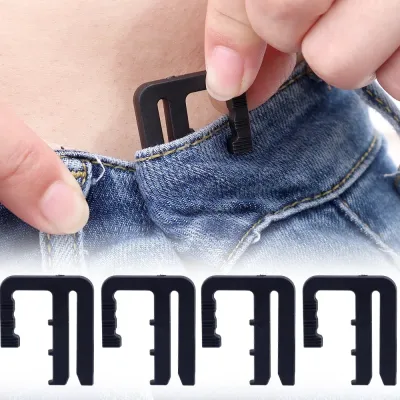
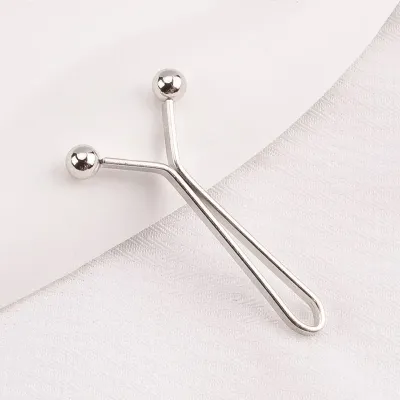
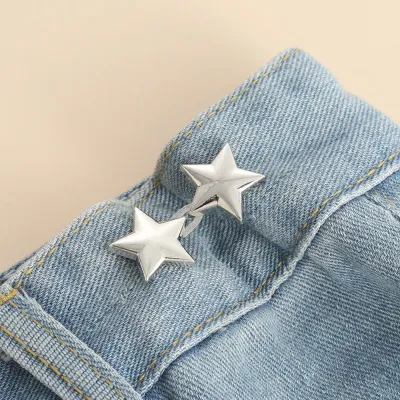
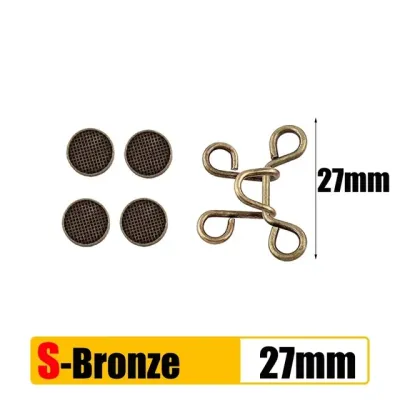
Prices are valid at publication and may change. Please refer to the product page for the latest price.
Fabric characteristics play a decisive role in determining the right clip design. In warm and humid climates, lightweight materials like linen, silk, or thin cotton blends are highly popular, but they are also highly susceptible to puncture marks, snags, and tearing. These delicate textiles require clips with smooth, padded, or silicone-lined jaws that distribute pressure evenly. Heavyweight fabrics like denim, corduroy, or thick wool can withstand much higher clamping forces but require a clip with a wider jaw opening to accommodate the folded layers.
Before using any new clip on your favorite trousers, it is highly recommended to perform an observable trial on a hidden seam or a scrap piece of similar fabric. Because the exact combination of fabric weave, fiber blend, and clip material determines how well the fastener holds and whether it leaves a mark, testing the grip first allows you to verify slippage and check for fabric indentation without risking visible damage.
Your daily activity level and wardrobe preferences will also dictate whether you need a temporary, easily removable clip or a semi-permanent adjuster. If you frequently change outfits, a removable clip-on solution offers the greatest flexibility. For trousers that you wear regularly and want to modify permanently without sewing, a semi-permanent sliding buckle or a rivet-style button might be more appropriate.
Choosing the Right Clip for a Loose Waist
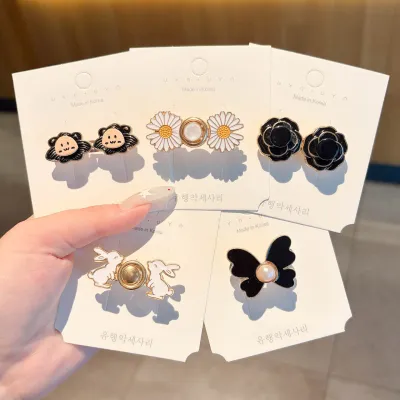
When addressing a loose waistband, discretion and comfort are your primary objectives. Large, bulky clamps will press painfully against your hips or lower back, especially when sitting at a desk or dining. To prevent this, look for low-profile waist adjusters such as flat sliding metal clips, button-style side adjusters, or decorative brooch-style pins. Flat sliding clips work by folding the excess fabric over itself and securing the fold flat against the waistband, minimizing any outward bulge.

Another popular option is the detachable button pin, which allows you to create a new, tighter buttoning point on your waistband. These pins consist of a decorative button head and a secure back tack that pushes through the denim or cotton fabric. When choosing button pins, look for designs with a flat, smooth backing plate. Because this backing will have prolonged contact with your body, a raised or sharp backing pin can scratch your skin, cause irritation, or snag your undergarments.
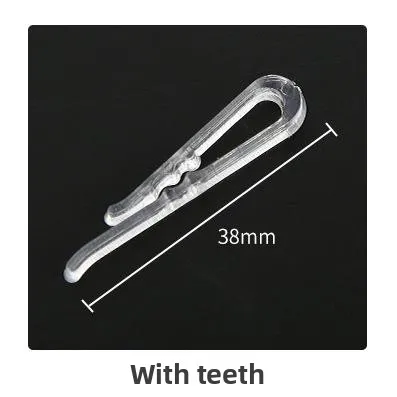
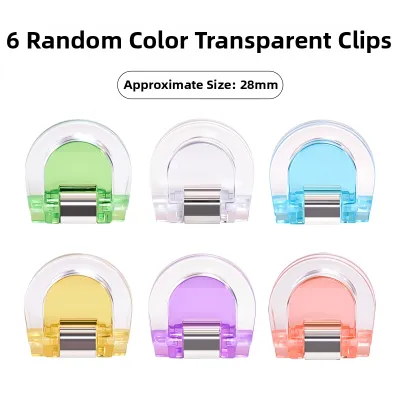
Protecting your clothing from damage is equally important when applying pressure to the waist. Traditional metal alligator clips with sharp teeth should be avoided in this area, as they can easily slice through delicate threads or leave permanent rust stains when exposed to perspiration. Instead, opt for clips featuring smooth plastic jaws, fabric-covered grips, or internal silicone padding. These materials provide sufficient friction to hold the waistband in place without biting into the fibers or leaving deep, irreversible creases.
For those who prefer incremental adjustments, sliding buckle mechanisms offer excellent versatility. Unlike fixed-step button pins that adjust the waist by a set increment, sliding adjusters allow you to fine-tune the tension based on your comfort level throughout the day. This is particularly useful after meals or when transitioning between standing and sitting. Always check the width of the clip’s slot to ensure it can accommodate the thickness of your specific waistband, as forcing a thick denim seam into a narrow plastic slider can crack the adjuster.
Selecting Fasteners for Loose Ankles
Securing loose fabric at the ankles requires a completely different set of features, focusing on grip strength and durability rather than absolute discretion. Because the lower leg is subject to rapid, repetitive motion, standard waist clips will quickly slip off or pop open. To prevent this, look for heavy-duty fasteners specifically engineered for active wear, such as toothed metal clips, spring-loaded toggle clamps, or specialized bicycle pant bands equipped with integrated locking clips.
The internal lining of the clip’s jaw is the most critical factor in preventing slippage. Look for fasteners that feature textured rubber or silicone inserts inside the clamp. These materials grip the fabric fibers firmly, preventing the clip from sliding down the leg even when the hem is pulled during a stride. If you are using these clips on rugged outdoor gear or heavy denim, a metal clip with rounded, non-sharp teeth can provide the necessary mechanical lock without cutting the fabric.
Visibility and style are also key considerations for ankle fasteners, as these accessories are often fully visible to the public. If you commute during early mornings or late evenings, choosing ankle clips with integrated reflective strips can significantly enhance your safety on the road. For professional or casual settings, look for color-matched options that blend seamlessly with your trousers, or stylized metallic finishes that serve as a deliberate fashion accessory.
Before purchasing, verify the maximum jaw clearance of the clip. Gathering a wide trouser leg to fit snugly around the ankle requires folding multiple layers of fabric together. If the clip’s hinge is too small or the spring tension is too weak, the gathered fabric will force the clamp open. Measure the thickness of your folded trouser hem and compare it to the manufacturer’s specified jaw opening to ensure a secure, reliable hold that will not fail mid-walk.
Universal Adjusters and When to See a Tailor
While specialized waist and ankle clips offer excellent targeted solutions, universal adjusters provide a versatile alternative for temporary use across various garments. Elastic suspender-style straps with dual-end clips can be used to pull fabric taut across the back of the waist or to cinch wide pant legs. Similarly, elastic drawstrings with plastic toggle stops can be threaded through hems to create temporary jogger-style cuffs. These multi-purpose tools are ideal for travel or for temporary wardrobe pieces that you do not wish to alter permanently.
However, relying on clips indefinitely can eventually take a toll on your clothing. It is important to recognize the physical signs of fabric fatigue before permanent damage occurs. If you notice fraying threads, stretched-out weave patterns, localized thinning, or permanent indentation marks where the clips are applied, it is time to discontinue their use. Delicate fabrics like silk, satin, and fine knits are particularly vulnerable and should never be subjected to prolonged clamping pressure.
Furthermore, clips are designed to solve localized volume issues, not fundamental structural mismatches. If your trousers suffer from a severe crotch drop, an excessively long inseam, or a mismatched hip-to-waist ratio, clipping the fabric will only distort the drape of the garment, creating awkward folds and restricting your movement. In these cases, temporary fasteners are merely a stopgap measure.
For significant structural corrections, seeking the services of a professional tailor is the safest and most effective path. A tailor can permanently take in the waistband, shorten the hem, or taper the legs to match your body shape perfectly. This investment not only preserves the integrity of the fabric but also ensures a clean, custom silhouette that no clip or temporary fastener can replicate. Use clips for minor daily adjustments, but trust professional alterations for a flawless, lasting fit.
Frequently Asked Questions (FAQ)
Can I use waist clips on the ankles or vice versa?
Using waist clips on your ankles, or ankle clips on your waist, is generally not recommended due to the vastly different mechanical demands of each area. Waist clips are designed to be flat, low-profile, and gentle on the skin, meaning they lack the heavy-duty spring tension and aggressive grip required to stay secure against the constant motion of your legs. If worn at the ankle, a waist clip will likely slip off within a few steps. Conversely, using a heavy-duty ankle clip at your waist can cause significant discomfort, as the bulky hinges and high-tension clamps will press painfully into your skin when you sit down, while also creating highly visible lumps under your clothing.
Will pants clips damage my fabric over time?
Yes, repeated or prolonged use of pants clips in the exact same spot can lead to fabric wear, stretching, or tearing. To minimize this risk, it is highly recommended to rotate the placement of your clips slightly with each wear, preventing localized stress on the fibers. Always check the care label of your trousers and avoid using metal-toothed clamps on delicate, loosely woven, or synthetic materials. For sensitive fabrics, stick to clips with smooth silicone or padded inserts, and remove the fasteners entirely before washing or storing your garments to allow the textile fibers to relax and recover their original shape.
Community discussion
Share your experience or ask a question. Comments are reviewed before publication.