
Selecting the right Christmas greeting cards requires balancing personal connection with social etiquette. The ideal card matches the recipient’s relationship to you—whether it is the deep warmth shared with family, the lighthearted camaraderie of friends, or the respectful distance maintained with professional colleagues. By aligning the card’s visual design, paper quality, and written message with these distinct social circles, you can ensure your holiday wishes feel both intentional and appropriate.
Understanding Card Tones and Styles for Different Relationships
Holiday cards exist on a broad spectrum, ranging from highly traditional and elegant to casual, modern, and quirky. Traditional cards often feature classic winter landscapes, nativity scenes, or evergreen wreaths rendered in deep crimson, forest green, and navy. Casual cards, on the other hand, frequently embrace playful illustrations, modern typography, and unconventional color palettes like pastel pinks or bright teals.
Visual elements act as immediate signals of a card’s tone and intent. Foil stamping, embossed borders, and heavy, textured cardstock convey a sense of prestige and formal respect, making them ideal for formal relationships. Modern minimalist designs with clean sans-serif fonts suggest a contemporary, stylish sensibility, while cartoon illustrations or puns signal a relaxed, informal relationship where humor is welcome.
Products mentioned in this guide
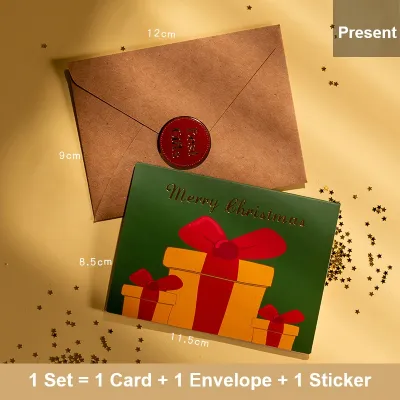
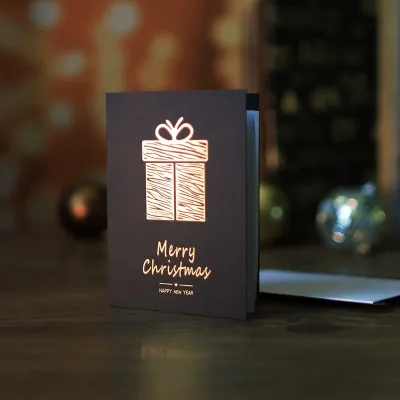
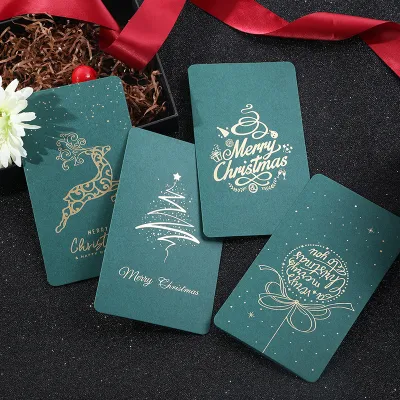
![[GC 29] Xmas Greeting Card | Gift Card | Christmas Card | Xmas Card | Seasons Greetings | Gold Stamping](https://img.lazcdn.com/g/p/6812555f3301a7eed4c8b609783357ad.jpg_400x400q80.jpg_.webp)
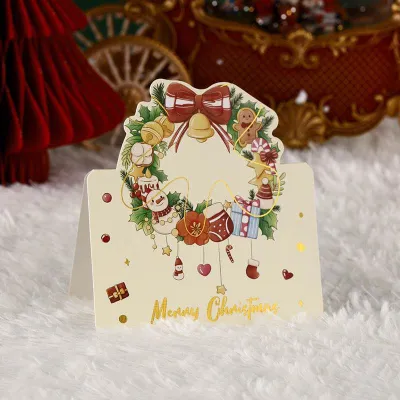
![[💎SG 1-2 Days Delivery] 🎄6 Pcs Set Christmas Greeting Card Creative Holiday Card Gift Folding Card Xmas Cards Wishes](https://img.lazcdn.com/g/p/8abee0220c9c21d63ffdc377ee20c01e.jpg_400x400q80.jpg_.webp)
![[SG][FREE🚚] Gift Tag Mini Greeting Card Thank You Handmade For You Tags Wedding Cookies Door Gift Christmas Teachers Day](https://img.lazcdn.com/g/p/a4d9dcf411990fd1de06f08e0b2252b5.jpg_400x400q80.jpg_.webp)
Prices are valid at publication and may change. Please refer to the product page for the latest price.
Before browsing for cards, use a quick mental checklist to assess your relationship dynamic with each recipient. Consider how long you have known the person, whether your relationship is primarily social or professional, and whether they appreciate traditional holiday customs or prefer modern, secular celebrations. This simple assessment helps narrow down your choices and ensures your card matches the recipient’s expectations.
Selecting Christmas Cards for Family Members
Family relationships span generations, meaning a single card style rarely fits everyone on your list. For older relatives, such as grandparents, aunts, or uncles, traditional and respectful designs are usually the most appreciated choice. These cards often feature classic holiday motifs paired with warm, sentimental prose that honors family bonds and long-standing holiday traditions.

Conversely, younger relatives like siblings, cousins, or nieces and nephews offer more room for creative and lighthearted choices. You can opt for trendy designs, interactive pop-up cards, or humorous illustrations that reflect current pop culture or shared family jokes. The tone here can be highly informal, focusing on fun and excitement rather than formal sentimentality.
Custom photo cards are an excellent vehicle for sharing major family milestones, such as a new home, a wedding, or the growth of children over the past year. When designing these, choose high-resolution images and opt for a clean layout that keeps the focus on the family portrait. Ensure the paper stock is thick enough to support photo printing without warping or fingerprint smudging.
If you are sending a single card to a multi-generational household, look for inclusive and warm messaging that appeals to everyone. Phrases like “Wishing your whole family a beautiful holiday season” bridge the gap between different age groups. Ensure the design is universally appealing—neither too stuffy for the kids nor too irreverent for the elders.
Choosing the Right Cards for Friends and Close Acquaintances
Your social circle is diverse, and your card choices should reflect that variety. For friends with modern, design-forward tastes, minimalist cards featuring abstract holiday shapes or elegant geometric patterns work beautifully. For close friends who share your sense of humor, playful illustrations, holiday puns, or cards with witty, lighthearted messages help reinforce your unique bond.
Deciding between humor and sincerity depends heavily on the depth of the friendship. Close friends with whom you share history are perfect candidates for inside jokes or highly personalized, funny cards. For casual acquaintances, neighbors, or friends you have recently met, a sincere but slightly more reserved message is safer. A warm wish for a peaceful holiday season strikes the right balance without overstepping personal boundaries.
When managing a large list of friends, balancing time and budget is key. Coordinated boxed sets are highly efficient and cost-effective for broad social circles. Look for sets with two or three complementary designs so you can still tailor the card slightly to the recipient. Save individual, premium cards—such as hand-crafted, letterpress, or intricate 3D pop-up designs—for your closest inner circle where the extra investment will be deeply felt.
Navigating Professional Christmas Cards for Colleagues and Clients
Sending holiday cards in a professional context requires careful navigation to maintain workplace boundaries while expressing genuine appreciation. To ensure cultural and religious inclusivity in diverse professional environments, opt for neutral, elegant designs. Phrases like “Season’s Greetings,” “Happy Holidays,” or “Wishing You a Prosperous New Year” are universally appropriate and respectful of all backgrounds.
Keep the written messages concise, professional, and warm. A sentence or two thanking a client for their partnership over the past year, or expressing appreciation to a colleague for their support on recent projects, is ideal. Avoid overly casual language, inside jokes from the office, or highly personal remarks. The tone should remain polished, reflecting the professional respect you maintain during the rest of the year.
When addressing cards, consider the structure of your workplace. If you are sending a card to an entire department, address it to the team as a whole and place it in a common area like a breakroom or reception desk. For individual colleagues, hand-deliver the card or place it directly in their workspace. Always verify your company’s internal policies regarding holiday gift and card exchanges to ensure compliance with professional standards.
Practical Tips for Buying and Sending Christmas Greeting Cards
Before purchasing cards in bulk, evaluate their physical attributes to ensure a high-quality presentation. Check the paper weight; cards printed on cardstock of at least 300 grams per square meter (gsm) feel substantial and stand up well on a mantelpiece. Touch the paper to assess its texture—matte, linen, or felt finishes offer a premium feel and resist fingerprint smudges better than high-gloss finishes.
When preparing to write your cards, verify that your chosen writing instrument is compatible with the card’s paper type. Smoothness, bleed resistance, and drying speed depend heavily on the specific combination of paper finish and ink type. For instance, high-gloss or coated cardstock often repels water-based gel pens or fountain pen inks, leading to smudging and slow drying times. Conversely, textured matte or cotton papers may absorb ink too quickly, causing feathering or bleed-through to the back of the card. To avoid ruining your cards, perform a quick trial on a scrap piece of similar paper or the inner flap of the envelope to observe how the ink behaves before writing your final messages.
Budgeting effectively involves categorizing your recipient list. Allocate a portion of your budget to high-quality boxed sets for general mailing, which typically cost less per unit. Reserve a separate budget of S$8 to S$15 per card for premium, individually selected cards for VIP clients, close family members, or long-time mentors. This approach allows you to maximize your reach without compromising on the impact of your most important relationships.
Timing is critical to ensure your cards arrive before Christmas Day, especially during the busy holiday season in Singapore. If you are ordering custom photo cards or personalized stationery, allow at least two to three weeks for printing and local delivery to your home. For local mailing, aim to post your cards by the first week of December to account for the significant increase in mail volume. For international recipients, check the postal service’s recommended cut-off dates, which often fall in mid-to-late November depending on the destination country.
Frequently Asked Questions (FAQ)
Is it appropriate to send digital Christmas cards instead of physical ones?
Digital cards, or e-cards, are highly convenient, cost-effective, and environmentally friendly, making them an excellent choice for certain situations. They are particularly useful for last-minute greetings, reaching distant international contacts without worrying about postal delays, or sending bulk holiday wishes to a large, casual network. However, digital cards often lack the tactile warmth and sentimental value of physical mail. To maintain a personal touch when sending digital cards, avoid generic mass emails; instead, customize each e-card with a personalized written message addressed directly to the recipient.
How early should I order and mail physical Christmas cards?
To ensure your physical cards arrive before the holiday festivities begin, plan your timeline backward from Christmas Day. If you are ordering custom-printed or photo cards, place your order by early November to allow ample time for design proofs, printing, and shipping. For writing and preparing the envelopes, set aside time in late November. Aim to mail your local cards in Singapore by the end of the first week of December, as domestic postal volumes surge dramatically during this period, occasionally extending standard delivery times.
Community discussion
Share your experience or ask a question. Comments are reviewed before publication.