
Choosing the right carton box size is the single most important decision you will make when preparing for a move or shipping goods. Matching your items to the correct box dimensions prevents structural damage, keeps handling weights manageable, and ensures your belongings arrive intact. By understanding how density, volume, and box strength interact, you can streamline your packing process and avoid the common pitfalls of overpacked or under-filled containers.
Understanding Standard Carton Box Dimensions and Weight Limits
To pack efficiently, you must first understand how the packaging industry categorizes carton boxes. Standard corrugated boxes generally fall into four main sizes: small, medium, large, and extra-large. Small boxes typically measure around 30 to 40 centimeters on their longest side, while extra-large boxes can exceed 60 centimeters. Each size category is designed to handle specific volume capacities, but volume does not automatically equate to weight capacity.
The relationship between a box’s volume and its safe weight limit is critical for preventing bottom blowouts during transit. A common mistake is assuming a larger box can carry more weight. In reality, larger boxes filled with heavy items quickly become too heavy to lift safely and are highly prone to structural failure. You should always check the manufacturer’s specifications printed on the box, which often include details on corrugated flute types (such as A, B, or C flutes) and the Edge Crush Test (ECT) rating. These ratings indicate how much vertical stacking pressure the box can withstand before buckling.
Products mentioned in this guide
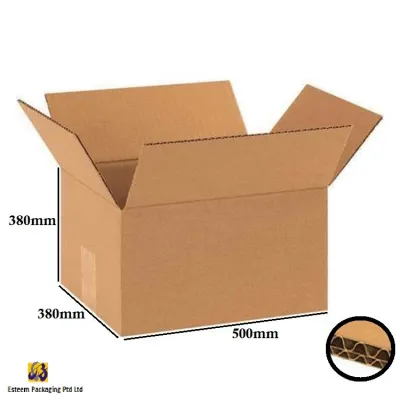
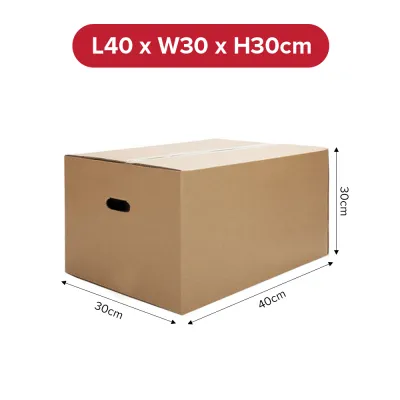
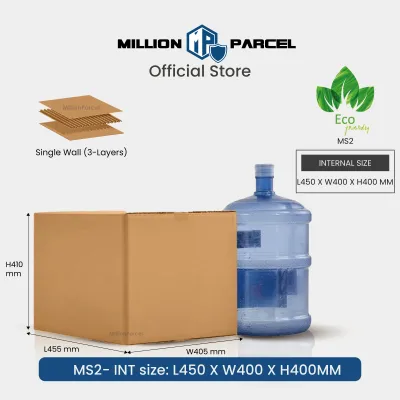
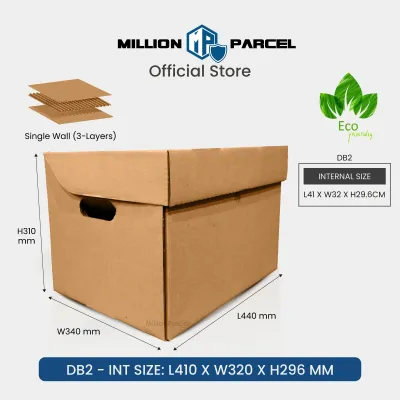
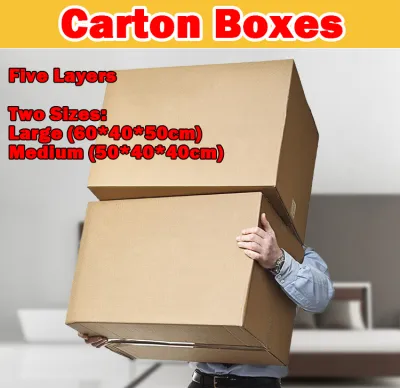
Prices are valid at publication and may change. Please refer to the product page for the latest price.
Matching Box Sizes to Specific Item Categories
Selecting the correct box size requires a systematic mapping of your items based on their density, weight, and fragility. High-density items like books require small, sturdy boxes, while low-density, high-volume items like blankets are best suited for larger containers. This strategic distribution ensures that no single box becomes an unmanageable hazard during transport.

When packing a mix of items, you must weigh the trade-offs between using one large box or multiple smaller boxes. While a single large box might seem convenient, it often leads to shifting contents and uneven weight distribution. Multiple smaller boxes offer better structural integrity and make it easier to organize items by room or category. Before assigning a box, assess the physical dimensions and structural vulnerability of each item to ensure it fits comfortably with adequate room for protective padding.
Heavy and Dense Items (Books, Files, Tools)
Heavy and dense items must always be packed into small carton boxes. Limiting these items to smaller containers keeps the total weight of each box manageable for safe lifting, reducing the risk of personal injury or accidental drops. Trying to pack an entire library into a single large box is a recipe for a torn box bottom and damaged book spines.
When preparing a small box for heavy items, reinforce the bottom seams with high-quality packing tape using multiple overlapping strips. Avoid filling the box past the manufacturer’s recommended weight threshold, even if there is still physical space left inside. To distribute pressure evenly and prevent the items from shifting, interleave heavy items with lighter padding materials, such as crumpled packing paper or small pieces of cardboard, to fill any internal gaps.
Bulky and Lightweight Items (Clothes, Bedding, Pillows)
Bulky, lightweight items are the perfect candidates for large or extra-large carton boxes. Because these items have low density, they can fill a high-volume space without exceeding the structural weight limits of the box. This allows you to maximize your packing efficiency and reduce the total number of boxes needed for your move.
To make the most of the space inside a large box, consider space-saving preparation techniques before packing. Rolling clothes tightly instead of folding them can save significant space, as can using vacuum-compression bags for bulky bedding, winter coats, and pillows. However, be careful not to compress items so tightly that they force the box walls to bow outward. Outward-bowing walls weaken the box’s structural integrity, making it difficult to stack safely in a moving truck or storage unit.
Fragile and Irregular Items (Kitchenware, Decor, Electronics)
Fragile and irregularly shaped items require medium to large boxes that allow for a thick layer of protective void fill on all sides. Packing delicate glassware or electronics directly against the cardboard walls of a box increases the risk of damage from external impacts. A larger box provides the necessary clearance to create a protective buffer zone around each item.
When sizing a box for fragile goods, measure the item’s dimensions and add at least five to ten centimeters of extra clearance on all sides. This space should be filled entirely with cushioning materials like bubble wrap, packing paper, or foam inserts. Always keep fragile items away from the outer walls of the box, and avoid mixing them with heavy, dense goods that could shift during transit and crush the delicate items.
Essential Packing Techniques to Maximize Space and Prevent Damage
Once you have selected the correct box sizes, applying proper packing techniques is essential to secure your items and prevent internal movement. Always follow the “heavy on bottom, light on top” layering principle within each individual box. Placing heavier items at the bottom creates a low center of gravity, which stabilizes the box and prevents it from tipping over during transport.
Eliminating empty space inside the box is crucial for preventing damage. Any remaining voids should be filled completely with crumpled paper, air pillows, or foam inserts. If items are allowed to shift inside the box, they can easily break or puncture the cardboard walls. A fully packed box should have no movement when gently shaken, and the top flaps should close flat without bulging or sinking.
Securing the box flaps requires proper taping techniques. The H-tape method is the industry standard for sealing corrugated boxes. To apply this method, run a strip of tape along the center seam of the box flaps, and then apply additional strips along the side edges to seal the exposed seams. This creates an “H” shape that reinforces the box’s structural integrity and prevents dust or moisture from entering.
Common Sizing Mistakes and How to Avoid Them
One of the most common packing mistakes is using oversized boxes for heavy items. This not only makes the box incredibly difficult to lift, but it also increases the likelihood of the box collapsing under its own weight or during stacking. Conversely, using multiple small boxes for bulky, lightweight items is highly inefficient, as it increases tape usage, handling time, and the overall footprint of your cargo.
Another frequent error is ignoring the manufacturer’s printed weight limits or reusing compromised boxes. In Singapore’s humid climate, cardboard can absorb ambient moisture, which significantly reduces its load-bearing capacity over time. Carton boxes that have visible creases, moisture damage, or worn corners have lost a significant portion of their structural strength.
The moisture resistance and structural strength of a carton box depend on the exact material combination of the paper liners and corrugated medium. Without manufacturer specifications, you can perform an observable trial by gently pressing the corners to check for stiffness and applying a small piece of packing tape to verify that the adhesive bonds securely to the cardboard surface. Always inspect your boxes before packing, and discard any that show signs of structural wear.
Frequently Asked Questions (FAQ)
Can I use the same box size for both clothes and books?
It is generally not recommended to mix high-density items like books with low-density items like clothes in the same box. Doing so often leads to overloading the box or crushing the softer items if they shift. However, if you must mix them, place a single layer of books flat at the bottom of a small or medium box, and use the clothes as protective padding around and on top of them to fill the remaining space.
How do I know if a carton box is strong enough for my items?
To verify if a carton box is strong enough, look for the Box Maker’s Certificate (BMC) printed on the bottom flaps. This circular stamp provides details on the box’s construction, including its burst strength or Edge Crush Test (ECT) rating, along with the maximum gross weight limit. Additionally, inspect the thickness of the corrugated walls; double-walled boxes offer significantly more strength and puncture resistance than single-walled options for heavy or valuable items.
Community discussion
Share your experience or ask a question. Comments are reviewed before publication.