
Choosing the right calligraphy set starts with identifying the specific writing tradition you want to learn. Western pointed pen, East Asian brush, and modern brush lettering require entirely different tools, inks, and practice surfaces. This guide helps you diagnose your learning goals, match them to the correct calligraphy style, and evaluate the essential components of a starter set before you buy.
Selecting a set without a clear direction often leads to mismatched tools that hinder your progress. For example, trying to write elegant Copperplate script with a modern felt-tip brush pen is physically impossible due to the differences in how these tools create line variation. By understanding the mechanics of each style, you can invest in a set that supports your learning journey from the very first stroke.
Identify Your Learning Goals to Narrow Down the Style
Before browsing the stationery aisles, clarify your visual preferences, patience level, and intended use cases. Each calligraphy tradition offers a distinct aesthetic and requires a different level of commitment. If you are drawn to the structured elegance of historical documents, formal invitations, and delicate, hair-thin lines, your aesthetic aligns with Western pointed pen calligraphy. This style is highly disciplined and rewards those who enjoy slow, precise practice.
Products mentioned in this guide
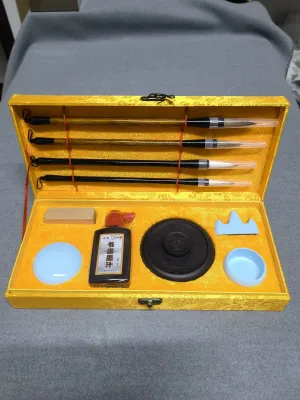
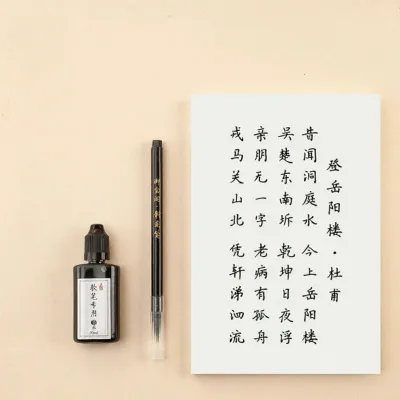
![Chinese Calligraphy Study Kit Brush Pen/Ink/Rice Paper/Inkstone中文书法学习套装文房四宝 Four Treasures of Study Kit[SG Ready Stock]](https://img.lazcdn.com/g/p/e425e131997c6f3c4f0a1a435ad6315f.jpg_400x400q80.jpg_.webp)
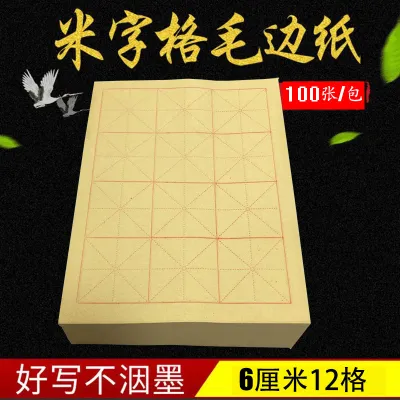
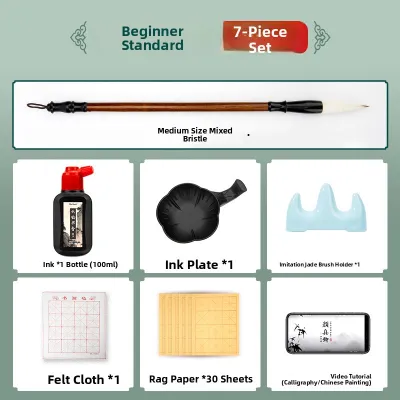
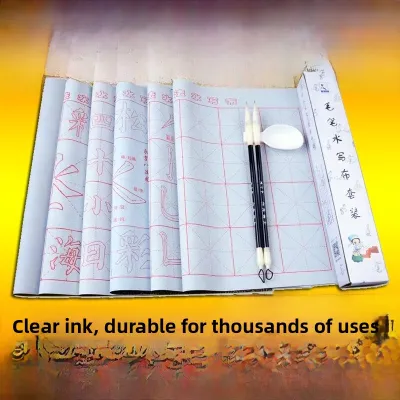
Prices are valid at publication and may change. Please refer to the product page for the latest price.
Alternatively, if you seek a deeply meditative, expressive art form that connects you with centuries of cultural heritage, East Asian brush calligraphy is an excellent choice. This tradition focuses on the harmony of the body, the flow of ink, and the organic beauty of brush strokes. It requires a dedicated workspace where you can prepare ink and lay out large sheets of paper, making it a wonderful ritual for relaxation and mindfulness.
For those who prefer a casual, vibrant, and highly portable creative outlet, modern brush lettering is the ideal match. This style is incredibly popular for bullet journaling, custom greeting cards, and DIY home decor. It uses modern, self-inking pens that require zero setup or cleanup, making it perfect for busy individuals who want to practice during a quick break or while traveling. Defining these goals early ensures you choose a calligraphy set that fits seamlessly into your lifestyle and creative aspirations.
Western Pointed Pen: For Formal Scripts and Fine Lines
Western pointed pen calligraphy is the foundation of classic scripts such as Copperplate and Spencerian. The defining characteristic of this style is the dramatic contrast between fine hairlines and thick, shaded downstrokes. Unlike fountain pens, which have rigid nibs, pointed pen calligraphy relies on flexible metal nibs. When you apply downward pressure, the two tines of the nib spread apart, allowing a larger volume of ink to flow onto the paper. Releasing the pressure allows the tines to close, producing an incredibly delicate line.

A complete starter set for Western pointed pen calligraphy must contain three core components: a pen holder, interchangeable metal nibs, and compatible ink. Pen holders come in two varieties: straight and oblique. Oblique holders feature an angled brass flange that holds the nib at a slant, which is essential for achieving the characteristic 55-degree angle of Copperplate script without straining your wrist. The set should also include a selection of flexible nibs, as different nibs offer varying levels of stiffness and line variation. Finally, the ink must be formulated specifically for dipping; sumi ink and iron gall ink are highly recommended because they have the correct viscosity to cling to the metal nib and flow smoothly.
This style is highly suited for individuals who enjoy meticulous detail work and have the patience to master precise pressure control. It is the premier choice for creating formal wedding invitations, elegant place cards, and bespoke stationery. However, because it requires dipping the pen frequently and managing wet ink, it has a higher entry barrier and requires a steady, comfortable writing surface.
East Asian Brush: For Traditional Ink Art and Meditation
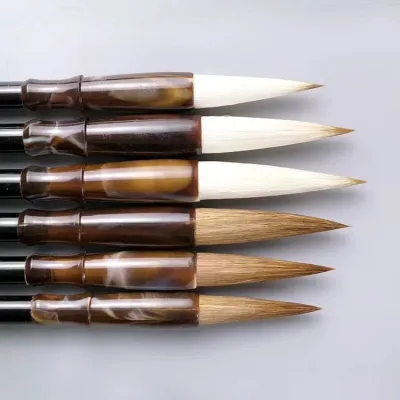
East Asian brush calligraphy, encompassing Chinese and Japanese traditions, is as much a spiritual and meditative practice as it is a visual art. This style utilizes soft, round brushes made from natural animal hair, such as goat, wolf, or rabbit. Unlike the rigid structure of metal nibs, a calligraphy brush is incredibly fluid and responsive to the slightest change in hand angle, speed, and pressure. The beauty of this art form lies in the visible energy of the strokes, the variation in ink density from deep black to soft grey, and the mindful posture of the writer.
A traditional East Asian calligraphy set is often referred to as the “Four Treasures of the Study.” It must include high-quality brushes of various sizes, an inkstick, an inkstone, and absorbent paper. To prepare for writing, you grind the inkstick with a small amount of water on the flat surface of the inkstone, a process that serves as a calming, pre-practice ritual. The set should also feature a felt underlay to place beneath the thin paper, preventing excess ink from bleeding onto your desk, and heavy paperweights to keep the sheets perfectly flat during practice.
This tradition demands a dedicated workspace and a willingness to embrace a slower, more deliberate process. Because the ink is ground manually and the brushes must be thoroughly washed and hung to dry after every session, it is not a quick or portable hobby. It is, however, the perfect choice for those seeking a screen-free, mindful activity that fosters deep concentration, artistic expression, and a profound connection to traditional cultural arts.
Modern Brush Lettering: For Quick Start and Everyday Crafts
Modern brush lettering has taken the creative world by storm due to its accessibility, vibrant colors, and casual charm. This contemporary style adapts the classic thick-and-thin contrast of traditional calligraphy but replaces dip pens and inkstones with modern, self-inking brush pens. These pens feature flexible tips made of felt, rubber, or synthetic nylon fibers that mimic the behavior of a brush while offering the convenience of a standard marker.
When selecting a modern brush lettering set, look for one that includes a variety of both small-tip and large-tip brush pens. Small-tip pens, which often feature firmer elastomeric tips, are excellent for beginners because they offer superior control and are perfect for smaller formats like planners and journals. Large-tip pens, with softer felt or nylon brush tips, allow for bold, dramatic strokes suitable for large signs and posters. Additionally, a quality set must include ultra-smooth practice paper. Standard copy paper has microscopic rough fibers that act like sandpaper, quickly fraying the delicate tips of your brush pens and ruining them.
The primary appeal of modern brush lettering is its absolute portability and lack of mess. There is no ink to spill, no nibs to clean, and no lengthy setup process. You can easily pack a few pens and a notebook into your bag to practice at a local cafe or during a quiet evening at home. It is the ultimate starter style for bullet journal enthusiasts, card makers, and anyone looking for a fun, low-stress creative outlet.
Pre-Purchase Checklist: Evaluating Set Quality and Refills
Before purchasing any calligraphy set, evaluate the quality of the components to ensure they are functional tools rather than cheap, frustrating novelties. Start by inspecting the nibs and brush tips. High-quality metal nibs are shipped with a thin protective oil coating to prevent rust during transit and storage. If a set’s metal nibs arrive completely dry or already showing signs of tarnish, the metal may be of inferior quality. For brush sets, gently tug on the brush hairs; they should be securely bound in the ferrule and not shed easily. For modern brush pens, look for tips that immediately spring back to their original shape after being bent.
Next, consider paper compatibility, which is often the most overlooked aspect of a calligraphy set. If the set includes practice sheets, touch them to verify their texture. Pointed pen paper should feel completely smooth to prevent the sharp metal nib from catching and splattering ink. Brush lettering paper must feel almost glossy to protect the delicate felt tips. If the paper feels rough, toothy, or thin, it will likely cause your ink to feather (spread out in spider-web patterns) or bleed through the page, making practice highly frustrating.
Finally, verify the availability of refills and replacement parts. Calligraphy is a practice-heavy art, and you will eventually wear out your tools or run out of ink. Ensure that the set uses standard sizes and formats so you can easily purchase replacement nibs, ink bottles, or individual brush pens from local stationery shops or online marketplaces. Avoid proprietary sets that force you to buy an entirely new kit just to replace a single worn-out nib or empty ink cartridge.
Frequently Asked Questions (FAQ)
Can I use a modern brush pen set to learn traditional East Asian calligraphy?
No, modern brush pens are not suitable for learning traditional East Asian calligraphy. Traditional scripts require the unique flexibility, water-holding capacity, and multi-directional movement of natural hair brushes. Modern brush pens, which typically feature molded felt or synthetic elastomeric tips, are designed to bend in a limited range of motion and do not allow for the complex ink-loading and stroke-shaping techniques essential to traditional East Asian art. Using them for traditional scripts will prevent you from developing the correct muscle memory and brush control.
Do I need an oblique pen holder for Western pointed pen calligraphy?
An oblique pen holder is highly recommended if you are right-handed and want to learn slanted scripts like Copperplate or Spencerian. The angled metal flange of an oblique holder positions the nib parallel to the slant of the guidelines, allowing you to apply even pressure to both tines of the nib without twisting your wrist or paper uncomfortably. Left-handed writers, however, can usually achieve the correct writing angle naturally using a standard straight pen holder, as their natural hand position already aligns with the slant of the script.
What type of paper should I buy if the set lacks practice sheets?
If your calligraphy set does not include paper, your choice should match your specific style. For Western pointed pen calligraphy, choose smooth, heavy paper such as high-grade layout paper, marker paper, or fountain-pen-friendly notebooks that resist ink bleeding. For modern brush lettering, opt for ultra-smooth tracing paper or specialized marker paper to prevent the delicate felt tips from fraying. For East Asian brush calligraphy, look for unsized Xuan paper (often called rice paper) or invest in a reusable water-writing cloth, which allows you to practice strokes using clean water that evaporates, leaving the cloth blank and ready for reuse.
Community discussion
Share your experience or ask a question. Comments are reviewed before publication.