
Selecting the right button is a critical decision in any sewing or garment repair project, directly impacting both the structural integrity and the final aesthetic of the piece. The ideal button material depends on a careful balance of fabric weight, expected wear and tear, and laundering methods. Choosing a button that is too heavy can cause delicate fabrics to sag or tear, while selecting a fragile material for a heavy coat will lead to cracked or lost fasteners. By matching the physical properties of the button—such as its weight, heat tolerance, and moisture resistance—to the specific demands of your fabric, you ensure that the finished garment remains both functional and beautiful through years of wear.
Core Factors for Matching Buttons to Garments
When planning a sewing project or replacing missing fasteners, the relationship between the fabric and the button material must guide your choice. Fabric weight and drape are the primary structural considerations. Lightweight materials like silk, chiffon, and fine lawn require lightweight buttons, such as thin plastic, resin, or delicate shell, to prevent the fabric from pulling or drooping under excess weight. Conversely, heavyweight fabrics like denim, canvas, and thick wool demand substantial buttons made of metal, horn, or heavy wood that can withstand the tension of securing thick layers without bending or snapping.
Laundering routines and heat tolerance are equally vital to long-term durability. Garments that undergo frequent machine washing and high-heat tumble drying require highly resilient button materials, such as polyester resins or rust-resistant metals. In warm, humid climates where garments require frequent washing to stay fresh, the water resistance and colorfastness of your button materials become even more critical. Delicate natural materials like untreated wood or mother-of-pearl can degrade, warp, or crack when exposed to harsh detergents, prolonged soaking, or direct contact with a hot iron. For garments designated as dry-clean-only, you must verify that the button material can withstand chemical solvents without dissolving or losing its finish.
Products mentioned in this guide
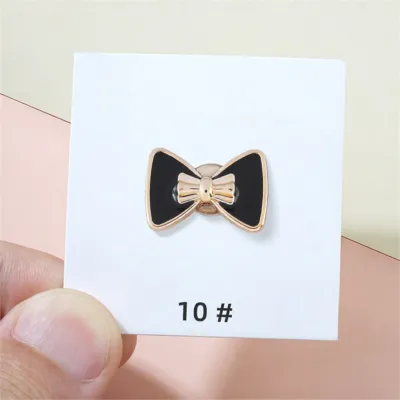
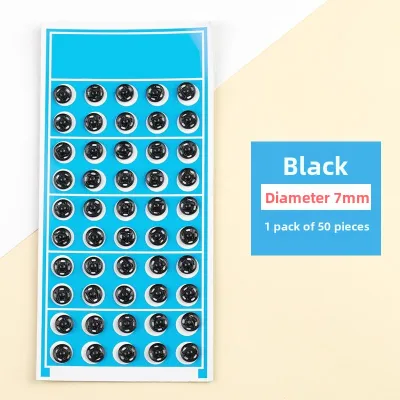
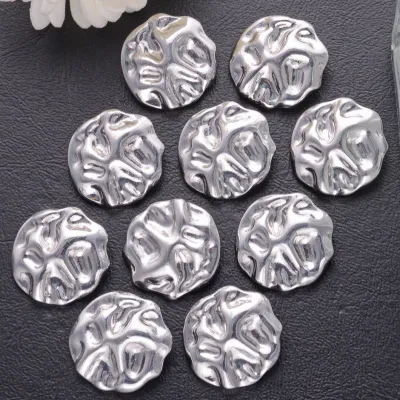
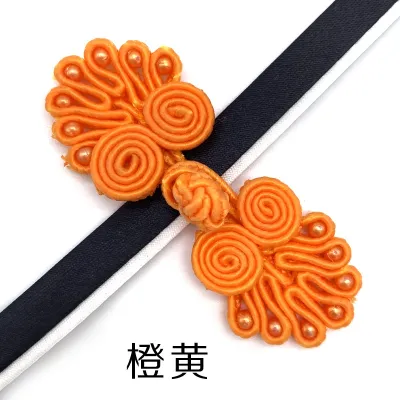
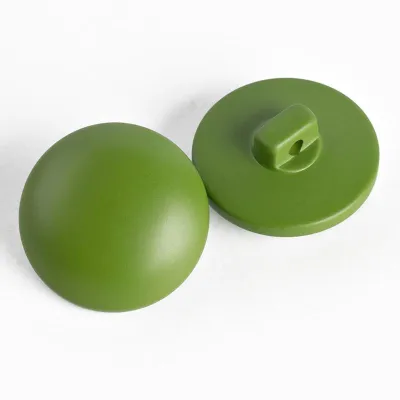
Prices are valid at publication and may change. Please refer to the product page for the latest price.
Finally, consider the aesthetic and functional alignment of the garment. Everyday casual wear benefits from the low-maintenance versatility of modern plastic and resin buttons, which offer consistent performance and uniform sizing. Formal wear, tailored suits, and heirloom pieces often call for the unique textures and organic variations of natural materials like horn, bone, or shell, which elevate the garment’s overall presentation. Balancing these functional requirements with your design goals ensures the buttons serve as both reliable closures and complementary design elements.
Plastic and Resin Buttons: Versatility for Everyday Wear
Plastic and resin buttons are the workhorses of the modern garment industry, offering unmatched versatility, affordability, and ease of care. These buttons are highly suited for everyday garments such as casual shirts, blouses, children’s clothing, and light-to-medium weight knitwear. Because they can be molded into virtually any shape, size, and color, they allow sewists to achieve precise design matches. Polyester resin buttons, in particular, can mimic the appearance of natural materials like horn or pearl while providing superior resistance to cracking and fading during standard machine wash cycles.

Despite their versatility, plastic buttons have distinct limitations when subjected to extreme conditions. Standard nylon or low-grade plastic buttons can melt or warp if they come into direct contact with a hot iron, making them less suitable for garments that require frequent, crisp pressing. Additionally, lightweight plastic buttons lack the structural strength required for heavy-duty outerwear; under the tension of a thick winter coat or heavy denim jacket, thin plastic can snap or pull through the buttonhole, leading to premature failure.
To ensure you are using high-quality plastic or resin buttons, perform a few simple visual and tactile checks before sewing. Inspect the edges of the button and the inside of the thread holes; high-quality buttons feature smooth, polished surfaces without sharp ridges or leftover molding flash that could fray your sewing thread. Gently press the button between your fingers to check for flexibility; brittle plastics will feel rigid and hollow, whereas premium polyester resins feel dense, smooth, and slightly cool to the touch, indicating better durability.
Metal Buttons: Durability for Heavyweight and Structured Garments
Metal buttons provide the robust strength and structural security necessary for heavyweight, high-tension, and highly structured garments. They are the traditional choice for rugged workwear, denim jeans, heavy canvas jackets, and tailored trench coats. The inherent weight of metal buttons complements dense fabrics, ensuring that the closure remains secure even when subjected to significant physical stress or movement. From classic brass blazer buttons to heavy-duty steel jeans rivets, metal fasteners add a sense of permanent, utilitarian quality to outerwear.
However, the weight of metal buttons presents specific challenges when paired with lighter or loosely woven fabrics. If sewn directly onto a delicate fabric without reinforcement, the heavy metal can pull on the individual threads, causing the fabric to stretch, sag, or eventually tear. To prevent this damage, heavy metal buttons should ideally feature a shank back—a small loop on the underside that elevates the button slightly above the fabric, allowing room for the thick layers to sit comfortably beneath it. For maximum security on heavy coats, sew a small, flat plastic “stay button” on the inside of the garment directly behind the metal button to distribute the pulling force evenly across the fabric.
Before attaching metal buttons to any garment that will be laundered, it is essential to verify their resistance to environmental damage. Check that the buttons are labeled as rust-resistant or stainless, as inferior metals can rust when exposed to water, leaving permanent orange stains on your fabric. Run your fingers along the outer rim and the thread holes to ensure there are no sharp burrs or rough edges that could slice through your sewing thread or snag the surrounding fabric during wear.
Natural Materials: Shell, Wood, and Horn for Tailored and Delicate Fabrics
Natural button materials—including shell, wood, and horn—offer an organic beauty and tactile richness that synthetic alternatives struggle to replicate. These premium materials are highly favored in bespoke tailoring, high-end fashion, and sustainable sewing projects where unique character is valued. Each natural button possesses distinct grain patterns, color variations, and light-reflecting properties, making them excellent choices for elevating simple garment designs.
While genuine horn or shell buttons may cost a few extra S$ per set compared to synthetic alternatives, their durability and aesthetic value often justify the investment for tailored garments. When selecting natural buttons, it is crucial to verify whether you are purchasing genuine natural materials or synthetic imitations with a printed finish. Genuine natural buttons require specialized care and are often more sensitive to moisture, heat, and chemicals than their plastic counterparts. Verifying the authenticity of the material allows you to apply the correct laundering and pressing techniques, preserving both the buttons and the garment for the long term.
Shell and Mother-of-Pearl
Shell and mother-of-pearl buttons are renowned for their iridescent luster and delicate appearance, making them the premier choice for fine dress shirts, silk blouses, and lightweight summer formal wear. Derived from the inner lining of mollusk shells, these buttons reflect light beautifully, adding a subtle touch of luxury to classic tailoring. Their cool-to-the-touch feel and natural weight provide an immediate sense of quality that enhances lightweight, breathable fabrics.
However, the natural structure of shell makes these buttons inherently fragile and susceptible to damage. They can easily crack or chip under heavy physical stress, tight buttonhole tension, or the high pressure of commercial laundry presses. Furthermore, direct contact with a hot iron can cause shell buttons to discolor, lose their luster, or fracture. When ironing a shirt with shell buttons, always press around the fasteners rather than directly over them, or use a protective pressing cloth.
To distinguish genuine shell buttons from plastic imitations, look closely at the back of the button and feel its temperature. Genuine shell buttons will feel noticeably cold against your skin, whereas plastic imitations quickly warm to body temperature. Additionally, genuine shell exhibits natural irregularities, such as slight variations in thickness and unique growth lines on the reverse side, while plastic copies feature perfectly uniform backs and repetitive printed patterns.
Wood and Horn
Wood and horn buttons bring a warm, rustic, and highly textured aesthetic to medium-to-heavyweight garments. Wood buttons are exceptionally suited for casual linen shirts, chunky knit cardigans, and bohemian-style dresses, where their matte finish and visible grain complement natural fibers. Horn buttons, traditionally sourced from buffalo or ox horn, are the gold standard for classic trench coats, tweed jackets, and tailored wool suits, offering deep, swirling color patterns ranging from cream to dark charcoal.
Both materials require specific care considerations to prevent deterioration over time. Wood is highly porous; prolonged exposure to water during washing can cause untreated or poorly sealed wood buttons to swell, warp, splinter, or lose their finish. Horn buttons, while highly durable, are sensitive to extreme heat and harsh chemical solvents, which can strip away their natural oils and cause them to dry out and crack.
To protect your garments, verify that wooden buttons have been thoroughly sealed with a water-resistant varnish or lacquer before sewing them onto washable clothes. This protective coating prevents the wood from absorbing water and stops natural wood dyes from bleeding onto light-colored fabrics during laundering. For horn buttons, look for a smooth, polished finish and check the manufacturer’s care guidelines to determine if dry cleaning or gentle hand washing is recommended.
Quick Comparison Matrix for Common Sewing Projects
To help you quickly identify the most suitable button material for your next sewing project, refer to the comparison matrix below. This table outlines how common button materials align with typical garment types, fabric weights, and care requirements.
| Button Material | Best Garment Types | Fabric Weight | Care Considerations |
|---|---|---|---|
| Plastic & Resin | Everyday shirts, blouses, children's wear, casual knits | Light to Medium | Machine washable; avoid direct high heat from irons. |
| Metal | Jeans, denim jackets, trench coats, heavy wool outerwear | Heavy | Rust-resistant types preferred; use stay buttons for support. |
| Shell & Pearl | Fine dress shirts, silk blouses, lightweight formal wear | Light | Fragile; hand wash or gentle cycle; iron around the buttons. |
| Wood | Linen shirts, knit cardigans, rustic outerwear, casual dresses | Medium to Heavy | Avoid soaking; verify water-resistant seal to prevent warping. |
| Horn | Tailored suits, tweed blazers, wool overcoats, trench coats | Medium to Heavy | Dry clean or gentle hand wash; avoid harsh chemicals and high heat. |
Please note that specific manufacturer instructions and individual fabric care labels always override these general guidelines. Always test your chosen button and fabric combination before finalizing your garment care routine.
Practical Checks Before Sewing and Washing
Before permanently sewing buttons onto your garment, conducting a few practical checks can save you from future frustration, fabric damage, or ruined closures. First, test the weight of the button against a scrap piece of your project fabric. Pin the button to a double layer of the fabric and hold it upright; if the fabric sags, drapes awkwardly, or pulls taut around the pin, the button is too heavy for the material. In such cases, select a lighter button material or reinforce the button area with a layer of lightweight interfacing inside the garment facing.
Next, verify that the button’s shank length or hole size is compatible with your sewing thread and needle. For flat buttons with holes (sew-through buttons), ensure the holes are large enough for your hand-sewing needle to pass through multiple times with heavy-duty thread. If you are sewing a thick fabric, you must create a “thread shank” by placing a toothpick or matchstick between the button and the fabric while sewing, then wrapping the thread tightly around the stitches underneath the button before securing it. This creates the necessary clearance for the buttonhole layer to sit flat beneath the button without pulling the fabric.
Finally, perform a quick spot test to check for colorfastness and chemical stability, especially when working with dyed wood, painted metal, or colored plastics. Wet a spare button and rub it gently against a scrap piece of your garment fabric; if any color transfers to the fabric, the button’s finish is unstable and will likely bleed during washing. For garments that will be dry-cleaned, consult with your local dry cleaner or test a sample button with a small amount of cleaning solvent to ensure it will not dissolve, cloud, or lose its polished finish.
Frequently Asked Questions (FAQ)
Can I replace plastic buttons with metal ones on an existing shirt?
Replacing plastic buttons with metal ones on an existing shirt is possible, but it requires careful assessment of the fabric’s strength and the buttonhole size. Metal buttons are significantly heavier than plastic, which can cause lightweight shirt fabrics to sag or tear at the stitching points over time. Additionally, the rigid, sometimes sharp edges of metal shanks can rub against the delicate fibers of the buttonhole, leading to fraying. If you decide to make the switch, choose lightweight, hollow metal buttons rather than solid cast ones. To protect the fabric from stress, sew a small, flat plastic stay button on the inside of the shirt placket directly behind each metal button to distribute the weight safely.
How do I prevent wooden buttons from cracking or fading?
To prevent wooden buttons from cracking, warping, or fading, you must minimize their exposure to moisture and harsh laundering conditions. Avoid machine washing and tumble drying garments with wooden buttons; instead, hand wash the garment in cool water with a mild detergent and lay it flat to dry. Never let the garment soak in water for extended periods. If the wooden buttons begin to look dry or dull, check the manufacturer’s care guidelines to see if they can be treated with a tiny drop of food-safe mineral oil or beeswax polish. Applying a light coat of oil with a soft cloth helps restore the wood’s natural moisture barrier and preserves its rich color. Store the garment in a closet with stable humidity to prevent the wood from expanding and contracting.
Community discussion
Share your experience or ask a question. Comments are reviewed before publication.