
Selecting the right button extender requires matching the accessory’s material and design to your garment’s fabric weight, verifying that the loop or hook matches your existing button’s diameter, and ensuring the extender’s button fits through your existing buttonhole. This simple haberdashery tool can save a favorite pair of trousers or jeans from being discarded, but choosing an incompatible type can lead to broken loops, torn buttonholes, or an awkward fit. By evaluating your garment’s structure and fabric, you can find an option that provides comfort without compromising your style.
Understanding the physical compatibility between the extender and your clothing prevents unnecessary strain on the fabric. Whether you are dealing with rigid denim, delicate dress trousers, or structured skirts, a systematic approach ensures the accessory remains discreet and secure throughout the day.
Assess If You Need a Button Extender or an Alteration
Before purchasing a button extender, it is essential to determine whether a temporary accessory or a permanent alteration is the most practical solution for your garment. Button extenders are highly effective for managing temporary physical changes, such as post-meal bloating, early stages of pregnancy, or minor weight fluctuations. They are also excellent for rescuing garments that have shrunk slightly in the wash, which frequently occurs with high-cotton denim or wool trousers laundered in warm water.
Products mentioned in this guide
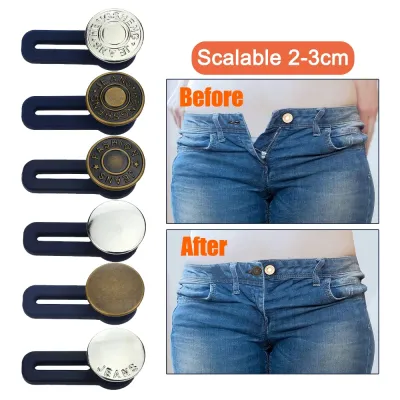
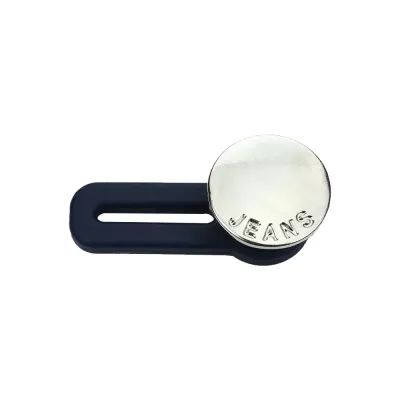
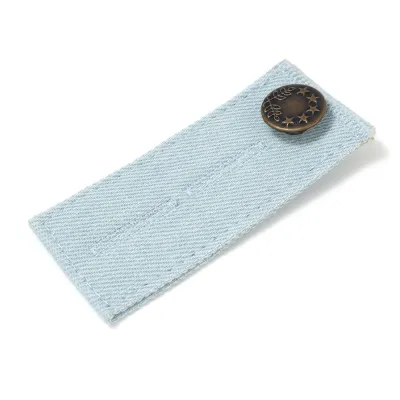
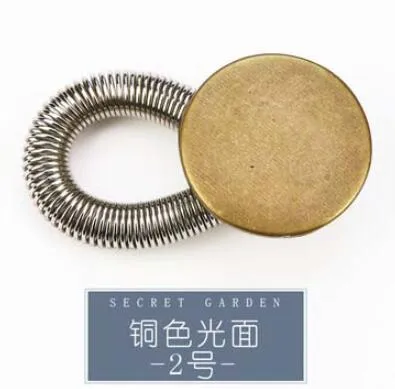
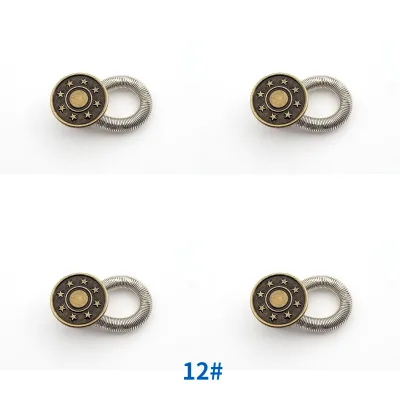
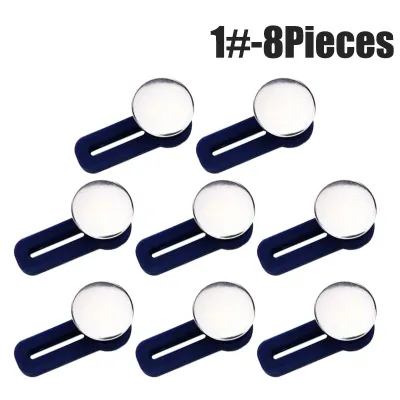
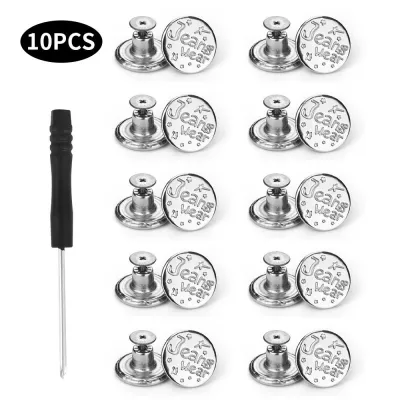
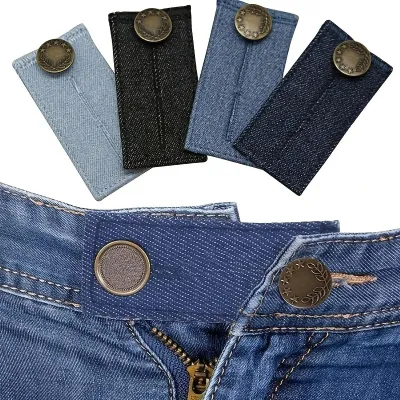
Prices are valid at publication and may change. Please refer to the product page for the latest price.
If you are dealing with a permanently tight waistband, you must weigh the convenience of an extender against the benefits of professional tailoring. Moving an existing button outward is a simple, cost-effective DIY task, but it is only viable if there is enough fabric overlap—typically less than 1.5 centimetres—to prevent the fly from gaping open. For high-end dress trousers, a tailor can often let out the waist using the built-in seam allowance, though this is rarely possible with jeans due to their flat-felled seam construction.
In Singapore, professional tailoring services for waistband adjustments can range from S$15 to over S$40 depending on the complexity of the garment’s construction. A button extender offers an immediate, highly economical alternative that preserves the original, unaltered state of the clothing. This preservation is particularly valuable for vintage garments, designer denim, or items you plan to resell, as permanent alterations can diminish their market value.
An extender also serves as an excellent temporary bridge if a button has fallen off and you lack the immediate time or matching thread to sew a replacement. However, if a garment is tight across the hips and thighs rather than just the waistband, an extender will not resolve the fit issue. In such cases, continuing to wear the garment with an extender can place excessive lateral tension on the zipper, potentially damaging the teeth or causing the zipper to slide down during wear.
Match the Extender to Your Specific Garment Type
Different garments exert varying levels of tension on their closures, meaning an extender that works well on a pair of casual chinos might fail entirely on heavy denim. Jeans and heavy denim items require sturdy metal button extenders, often constructed with a solid metal button attached to a high-tensile spring or a thick, reinforced silicone loop. Denim is a rigid fabric that does not stretch naturally at the waistband, so the extender must withstand significant pulling forces when you sit, bend, or lift objects.

Dress trousers and skirts made from lightweight fabrics like wool blends, linen, or polyester require a completely different approach. Heavy metal extenders will sag under their own weight on these fabrics, pulling the waistband downward and creating an unsightly, uneven drape. For formal or lightweight wear, opt for low-profile elastic band extenders or fabric-covered options that match the colour of your trousers. These styles sit flat against the body, remain hidden under a belt, and do not distort the delicate lines of tailored clothing.
Coats, jackets, and heavy outerwear present unique challenges due to their larger button sizes and thicker materials. Standard trouser extenders feature buttons and loops that are far too small to accommodate the substantial closures found on winter coats or heavy utility jackets. When modifying outerwear, look for specialized heavy-duty extenders with wider loops and larger matching buttons to ensure the closure remains secure against wind and movement without straining the original stitching.
Verify Button and Buttonhole Compatibility
Physical compatibility between the extender and your garment’s original hardware is crucial for a secure fit. First, examine the construction of your existing button, noting whether it is a flat button sewn with thread or a metal shank button riveted directly into the fabric. Flat buttons require an extender with a flexible loop that can slip easily behind the button base, while shank buttons require a slightly wider loop or hook that can accommodate the raised metal profile without slipping off under tension.
Next, measure the diameter of your garment’s buttonhole and compare it to the button on the extender. If the extender’s button is too large, forcing it through the buttonhole will stretch the stitching, leading to fraying and eventual tearing of the fabric. Conversely, if the extender’s button is too small, it will easily slip out of the buttonhole during normal movement, defeating the purpose of the accessory and causing embarrassing wardrobe malfunctions.
Finally, consider the spacing and alignment of the closure once the extender is installed. Adding an extender naturally widens the waistband, which can cause the fabric of the fly to pull apart and expose the zipper. To maintain a neat appearance, choose an extender length—typically offering between 1 and 2.5 centimetres of extra space—that provides comfort without creating an obvious gap or pulling the fabric unevenly across your waist.
Choose the Right Material and Visual Finish
Selecting the appropriate material for your button extender balances structural durability with visual discretion. Metal finishes are highly suitable for jeans and casual wear where the hardware is often exposed. Matching the metal tone of the extender—such as antique brass, copper, gunmetal, or polished silver—to the existing rivets, zipper, and belt buckle ensures a cohesive look that appears intentional rather than accidental.
Resin and plastic extenders are excellent choices for casual trousers, chinos, and lightweight skirts. These materials are lightweight, highly affordable, and available in a wide spectrum of colours, allowing you to match the accessory directly to the fabric of your garment. In Singapore’s hot and humid climate, where sweat and moisture can accelerate the corrosion of cheap metals, high-quality resin or rust-proof plastic extenders offer a durable, low-maintenance alternative that will not stain your clothing.
Fabric-wrapped or decorative extenders are the most discreet option for formal wear, business attire, or situations where you might occasionally remove your jacket or belt. These extenders feature a small piece of matching fabric that covers the elastic loop, blending seamlessly with the waistband of your dress trousers or skirt. By choosing a finish that mimics the texture and colour of your garment, you can ensure the accessory remains virtually invisible to onlookers.
Attach the Extender and Test the Fit
Installing a button extender is a straightforward process that requires no sewing or specialized tools. To attach the accessory, first pass the loop or hook end of the extender through your garment’s existing buttonhole from the inside of the waistband facing outward. Next, stretch the loop over the original button sewn onto your garment, ensuring it sits snugly behind the button head. Finally, insert the extender’s built-in button into the garment’s buttonhole to complete the closure.
Once attached, it is vital to perform a quick movement test to verify the security and comfort of the fit. Do not simply stand still in front of a mirror; instead, sit down in a chair, bend forward as if tying your shoes, and take a few steps. Observe whether the extender stretches comfortably or if it places excessive strain on the surrounding fabric and buttonhole stitching. If you feel the loop slipping or notice the fabric puckering severely, the extender may be too short, or the garment fabric may be too delicate for this type of accessory.
Proper care and maintenance will extend the lifespan of both your accessory and your clothing. While some silicone and metal extenders are highly durable, they can easily become detached in the washing machine, potentially damaging the drum or snagging other garments during the spin cycle. It is highly recommended to remove the button extender from your waistband before laundering or dry cleaning your trousers to prevent damage and ensure the accessory does not get lost.
Frequently Asked Questions (FAQ)
Can I use a button extender on a shirt with tiny buttons?
Standard trouser button extenders are generally too large and bulky for dress shirts or blouses with small button configurations. The thick loops of a trouser extender will not fit behind a tiny shirt button, and the extender’s button will be too large to pass through a delicate shirt buttonhole. For shirts, you should look for specialized collar extenders or micro-extenders, which feature very thin, highly flexible elastic loops and small metal or plastic buttons designed specifically to fit shirt collars and cuffs without stretching the fabric.
Will a button extender damage my clothing?
If selected and used correctly, a button extender will not damage your clothing. However, using a heavy metal extender on delicate fabrics like silk, linen, or fine wool can pull on the fibers, leading to stretching, sagging, or tearing around the buttonhole. Additionally, if the extender is too short and creates excessive tension across the waistband, it can rip the original button off the fabric. To prevent damage, always match the weight of the extender to the weight of the fabric, and avoid using extenders on highly delicate, sheer, or vintage materials that cannot withstand localized tension.
Community discussion
Share your experience or ask a question. Comments are reviewed before publication.