
Selecting the right bulk top-up card program in Singapore requires balancing recipient satisfaction with administrative efficiency. Whether rewarding employees, thanking clients, or running promotional campaigns, the ideal corporate gift card must offer seamless usability and straightforward management. By evaluating your operational capacity, recipient preferences, and the technical features of potential card programs, your organization can establish a structured framework to choose a solution that maximizes value and minimizes administrative friction.
Assess Your Corporate Gifting and Administrative Needs
Before exploring specific card providers, define the primary objective of your gifting campaign. Employee rewards, such as long-service awards or monthly performance bonuses, often require cards that can be easily integrated into existing HR recognition platforms. Client appreciation gifts, on the other hand, demand a premium presentation and a highly versatile acceptance network to reflect your brand’s standards. For large-scale public events or marketing giveaways, the priority shifts toward low-cost distribution and rapid fulfillment.
Establish your budget parameters early in the planning phase. Determine the exact value to be loaded onto each card—such as S$10, S$50, or S$100—and calculate the total volume required. High-volume campaigns may qualify for corporate volume incentives, but they also introduce logistical complexities. Knowing your total commitment helps narrow down providers that specialize in either boutique, high-value gifting or high-volume, automated distribution.
Products mentioned in this guide
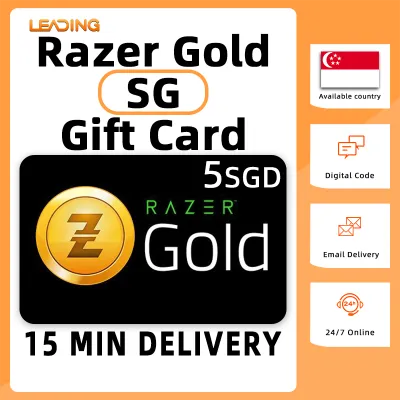
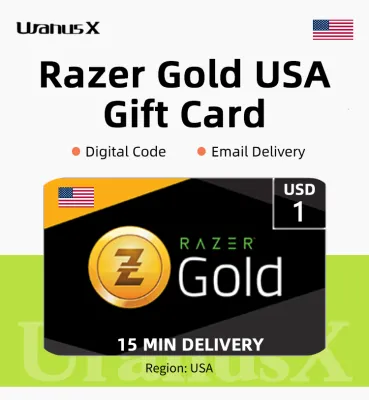
Prices are valid at publication and may change. Please refer to the product page for the latest price.
Evaluate your internal administrative capacity to manage the program from procurement to distribution. Physical cards require secure storage, manual packaging, and reliable delivery services, which can strain small HR or marketing teams. Digital distribution reduces physical handling but requires clean recipient data, secure email delivery systems, and a process for handling bounced or undelivered digital links. Aligning the card format with your team’s administrative bandwidth prevents operational bottlenecks during the rollout.
Evaluate Top-Up Card Features and Recipient Usability
The utility of a top-up card directly impacts how recipients perceive the gesture. Evaluate the acceptance network of each candidate card. Single-merchant cards limit spending to a specific retail or supermarket chain, which is highly effective if the merchant is universally accessible across Singapore. Multi-brand or open-loop cards offer broader utility, allowing recipients to spend their balance across diverse dining, shopping, and transit networks, making them a safer choice for diverse recipient groups.

Review the operational terms that govern card usage to prevent recipient frustration. Pay close attention to expiration policies; cards with short validity windows can lead to unused balances and negative feedback. Check for dormancy fees that gradually deplete the card’s value after periods of inactivity. Additionally, verify how easily recipients can check their remaining balance. Ideal solutions offer straightforward, self-service options such as scanning a QR code on the card back, sending a quick SMS, or visiting a mobile-friendly portal.
Consider the physical and material specifications of the cards. Standard physical cards typically follow the CR80 dimensions (85.6mm x 53.98mm), fitting easily into standard wallets. If sustainability is a corporate priority, inquire about eco-friendly paperboard or recycled plastic options instead of traditional PVC. For digital cards, ensure the format is compatible with major mobile wallets, allowing recipients to store and present the barcode or contactless payment token directly from their smartphones.
Compare Bulk Purchasing and Management Capabilities
Corporate procurement of top-up cards requires a robust business-to-business framework. Verify the minimum order quantities (MOQs) required by each provider to access corporate accounts or custom branding. Review the payment terms, including accepted methods such as FAST bank transfers, GIRO, or corporate credit cards. Be aware that corporate onboarding often involves standard compliance and identity verification checks to align with local financial regulations.
Assess the administrative tools provided for managing the cards. A dedicated corporate dashboard allows your team to order, track, and manage cards from a single interface. Look for security features such as bulk activation, which ensures physical cards are shipped inactive and only loaded with value once you confirm safe delivery. For advanced integration, check if the provider offers an API that allows your internal HR or customer relationship management software to trigger card issuance automatically.
Understand the provider’s support infrastructure for resolving issues. Cards can be lost, stolen, or occasionally suffer from magnetic stripe or barcode read errors at local point-of-sale terminals. Confirm the process for freezing lost cards and transferring the remaining balance to a replacement. A responsive customer support channel with clear resolution timelines is essential to protect your company’s reputation and ensure a positive experience for your recipients.
Finalize Your Selection and Implementation Plan
Create a shortlist of two or three card programs that meet your administrative, budget, and usability criteria. Compare these options side-by-side using a consistent evaluation matrix that weights recipient convenience against administrative overhead. Avoid choosing a program solely on the lowest administrative fee; a slightly more expensive program with a robust management portal can save significant labor costs during distribution.
Conduct a small-scale pilot test before launching a company-wide or public campaign. Order a limited batch of cards and distribute them to a small internal test group. Have the testers go through the entire user journey: receiving the card, checking the balance, and making a purchase at a local merchant terminal. This trial run helps identify potential friction points, such as cashier unfamiliarity with the card type or technical delays in balance updates.
Develop a clear communication and distribution strategy for the official rollout. Provide recipients with concise instructions on how to use the card, where it is accepted, and how to check the balance or contact support. If distributing physical cards, ensure they are handed over securely or sent via registered mail. For digital cards, schedule the delivery during optimal working hours and advise recipients to check their junk folders if the digital voucher does not arrive as expected.
Frequently Asked Questions (FAQ)
Can we customize the physical design of bulk top-up cards?
Yes, many corporate top-up card providers offer physical customization, allowing you to print your company logo, brand colors, or a custom message directly on the card face. However, custom printing typically requires higher minimum order quantities and longer production lead times compared to standard, off-the-shelf designs. You will need to work closely with the provider to ensure your artwork complies with their specific design templates, safe zones, and bleed area requirements before final approval.
Are there tax implications for giving top-up cards to employees in Singapore?
Yes, top-up cards and vouchers given to employees may have tax implications depending on their value, purpose, and frequency. In Singapore, gifts that are considered of a personal nature or constitute a regular employee benefit are generally subject to income tax as benefits-in-kind. However, certain low-value, non-cash gifts for festive occasions or bereavement may be exempt under specific thresholds. You should consult the latest guidelines from the Inland Revenue Authority of Singapore (IRAS) or speak with a qualified tax professional to ensure accurate compliance.
Community discussion
Share your experience or ask a question. Comments are reviewed before publication.