
Choosing the right bubble wrap depends on the weight, fragility, and duration of protection your items require. For heavy household items and furniture during a move, large-bubble wrap provides the necessary impact absorption. For shipping lightweight, delicate items or filling empty box spaces, small-bubble wrap or pre-cut bubble bags offer precise, cost-effective cushioning. For long-term storage, especially of electronics, specialized anti-static bubble wrap paired with moisture-absorbing desiccants prevents static buildup and environmental degradation. Matching the bubble size and material properties to your specific scenario ensures your belongings remain intact without unnecessary packaging waste.
Understanding Bubble Wrap Types and Sizes
Bubble wrap is categorized primarily by bubble diameter and height, which dictate its cushioning capacity. Small bubbles, typically measuring around 10mm in diameter and 4mm in height, are designed for surface protection and wrapping lightweight items. They conform easily to intricate shapes, making them ideal for glassware, ceramics, and small collectibles.
Medium bubbles, often around 12mm to 15mm in diameter, offer a versatile middle ground for general packing needs. Large bubbles, usually measuring 25mm or more in diameter, provide substantial shock absorption. These larger air pockets are best suited for filling empty spaces in boxes or wrapping heavy, bulky items like furniture legs and large electronics.
Products mentioned in this guide
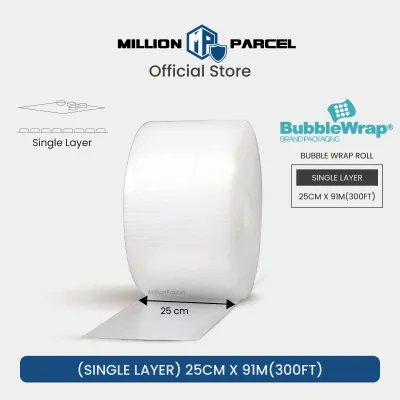
![[SG] Bubble Wrap® 10m | Foam Roll 5m | Packing Tapes – Cushioning for Packing Moving Warehouse Use](https://img.lazcdn.com/g/p/5d1b2367f552267faa5f9fe7d51ee653.jpg_400x400q80.jpg_.webp)
![91m/20m/10m BubbLest™ [FREE PENKNIFE] Bubble Packaging Material Direct Singapore Manufacturer | Clingwrap | Plasticwrap | Cling Wrap | Plastic Wrap | Bubble Roll |](https://img.lazcdn.com/g/p/118908581c7285d2410f3d4422311ca0.png_400x400q80.png_.webp)
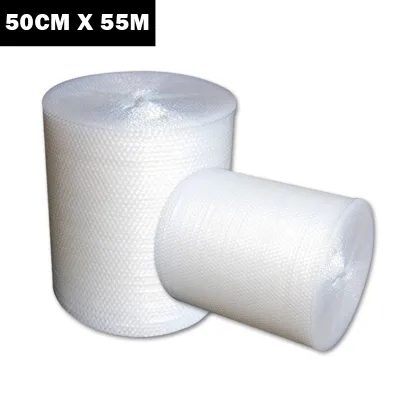
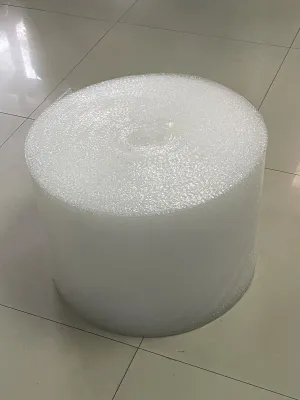
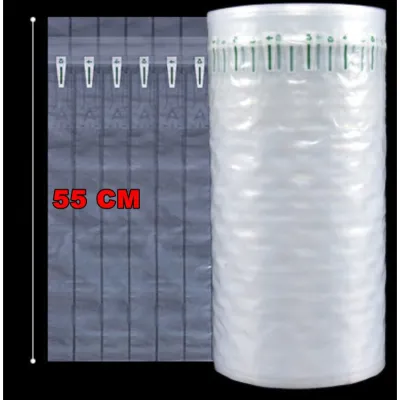
Prices are valid at publication and may change. Please refer to the product page for the latest price.
Beyond bubble size, structural formats vary to suit different packing workflows. Standard rolls allow you to cut custom lengths, while pre-cut sheets and bubble bags speed up repetitive packing tasks. Specialized variants include anti-static bubble wrap, which is chemically treated to dissipate electrostatic charges, and eco-friendly alternatives made from recycled plastics or biodegradable materials.
When evaluating bubble wrap, check the manufacturer’s specifications for film thickness and layer count. Single-layer bubble wrap features bubbles on one side of a flat plastic backing, while double-layer options sandwich the bubbles between two flat sheets for enhanced puncture resistance. Verifying these details on the product label helps ensure the material can withstand the physical demands of your specific application.
Choosing Bubble Wrap for House Moving
Residential moving involves transporting items of diverse shapes, weights, and fragilities over relatively short distances but with frequent handling. For large furniture pieces, wooden table legs, and heavy appliances, large-bubble wrap is the most effective choice. Wrapping these items in multiple layers of large bubbles cushions them against structural impacts and prevents deep gouges during transit through tight doorways.

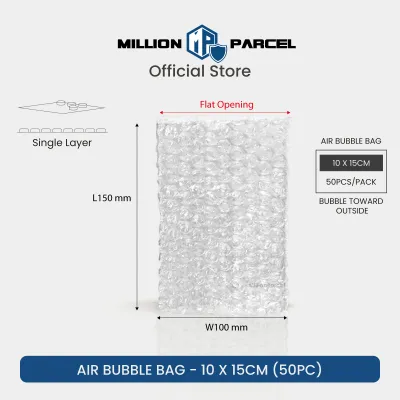
For delicate kitchenware, porcelain plates, and fragile home decor, small-bubble wrap provides the necessary close-fitting protection. Wrapping plates individually with small bubbles prevents them from knocking against each other and scratching their glazed surfaces. Pre-cut bubble bags are highly efficient for packing drinking glasses and mugs, allowing you to slide each item into its own protective sleeve quickly.
Securing the bubble wrap requires proper taping techniques to prevent the plastic from shifting during the move. Apply packing tape only to the bubble wrap itself rather than directly onto furniture surfaces, as adhesive residue can damage wood finishes or leather. Avoid over-wrapping items excessively; packing too many layers can create tight pressure points inside moving boxes, potentially crushing delicate items when the box is stacked.
Selecting Bubble Wrap for E-commerce Shipping
E-commerce shipping requires packaging that minimizes dimensional weight while maximizing protection against rough transit handling. To optimize shipping costs, select a bubble size that matches the item’s weight and the outer box dimensions. Lightweight items can be securely shipped using small-bubble wrap, which keeps the overall package volume small and helps avoid high shipping fees based on package size.
For standardized products, utilizing pre-cut bubble sheets or integrated bubble mailers can significantly reduce packing time and labor costs. Bubble mailers combine a durable outer envelope with an integrated bubble lining, eliminating the need for separate boxes and tape for flat or sturdy items. This streamlined approach speeds up fulfillment workflows and provides a clean, professional unboxing experience for customers.
As consumer expectations shift toward sustainability, many businesses are adopting eco-friendly bubble wrap options. These materials often incorporate recycled post-consumer plastic or biodegradable additives designed to break down more rapidly in landfills. When purchasing these alternatives, verify the manufacturer’s environmental certifications and material composition labels to ensure the claims align with your brand’s sustainability standards.
Picking Bubble Wrap for Long-Term Storage
Long-term storage presents unique environmental challenges, such as humidity, temperature fluctuations, and material degradation over time. Standard plastic bubble wrap can trap moisture against items if sealed tightly in humid environments, potentially leading to mold or mildew growth. To prevent this, check the moisture barrier properties of your storage containers and place silica gel desiccants inside the wrapped packages to absorb residual humidity.
Electronics, computer components, and precision instruments require specialized protection against electrostatic discharge during storage. Standard plastic bubble wrap easily generates static electricity when rubbed, which can permanently damage sensitive circuitry. For these items, always use anti-static bubble wrap, which is typically tinted pink for easy identification and formulated to prevent static buildup.
Direct, prolonged contact between plastic bubble wrap and certain finished surfaces can cause permanent damage. Over months or years, the plasticizers in the bubble wrap may react with wood varnishes, leather, or painted surfaces, leaving unsightly circular imprints. To protect these delicate finishes, wrap the item in a layer of acid-free tissue paper or soft cotton cloth before applying the outer layer of bubble wrap.
Cross-Scenario Compatibility and Purchasing Tips
While purchasing a single large roll of general-purpose bubble wrap may seem convenient, it is rarely a one-size-fits-all solution. Standard small-bubble wrap cannot provide adequate shock absorption for heavy furniture, and standard wrap should never be substituted for anti-static wrap when packing electronics. Assess your inventory or moving list beforehand to determine if you need a combination of specialized rolls and standard cushioning.
To estimate the volume of bubble wrap you need to purchase, calculate the surface area of your largest items and add a margin for overlapping edges. A reliable method is to multiply the item’s length by its width, then multiply that figure by the number of layers required—typically two layers for fragile items. Adding an extra fifteen to twenty percent to your total estimate accounts for wrapping corners, securing ends, and general packing contingencies.
When purchasing bubble wrap from stationery suppliers or online marketplaces, carefully verify the specifications listed on the packaging. Look for explicit details regarding the bubble diameter, roll width, total length, and plastic density. Checking these specifications ensures you receive a product that fits your dispenser, matches your storage space, and provides the exact level of physical protection your items require.
Frequently Asked Questions (FAQ)
Is bubble wrap recyclable in Singapore?
In Singapore, bubble wrap is classified as a soft plastic or flexible plastic packaging. While it is made of recyclable low-density polyethylene (LDPE), it cannot be placed in the standard blue recycling bins if it is contaminated with adhesive tape, paper labels, or dirt. Before attempting to recycle bubble wrap, remove all shipping labels and tape, and ensure the plastic is clean and dry. You can then deposit the clean bubble wrap at designated soft plastic recycling points, which are often located at major supermarkets or specialized recycling facilities across the island.
Should the bubbles face inward or outward when wrapping?
For optimal protection, the bubbles should always face inward, directly touching the item you are wrapping. The individual air pockets are designed to conform to the shape of the object, cradling it and absorbing external shocks more effectively. Facing the bubbles inward also leaves the smooth plastic backing on the outside, which makes it much easier to wrap tightly and apply packing tape securely. If you are wrapping highly sensitive or easily scratched surfaces, consider placing a soft protective layer, such as acid-free paper, between the item and the inward-facing bubbles.
Community discussion
Share your experience or ask a question. Comments are reviewed before publication.