
Selecting the right box packaging in Singapore requires balancing structural integrity with visual appeal. The ideal choice depends on the physical characteristics of the item—its size, weight, and fragility—and the specific presentation style you want to achieve. By systematically evaluating materials, dimensions, and closure mechanisms, you can ensure your gift remains secure during transport while delivering an engaging unboxing experience.
A well-chosen box does more than just hold a gift; it acts as a protective shield and a canvas for your personal style. Whether you are preparing a delicate piece of jewelry, a heavy ceramic mug, or a curated selection of local treats, understanding the technical aspects of box construction will help you make an informed decision. This guide outlines the essential steps to measure, compare, and select the best box packaging for your needs.
Assessing Your Gift: Dimensions, Weight, and Protection Needs
Before browsing for box packaging, you must accurately measure your gift to determine the necessary box dimensions. Use a firm ruler or measuring tape to find the maximum length, width, and height of the item at its widest points. Always measure the item as it will sit inside the box, taking into account any protruding parts or irregular shapes that might require extra space.
Products mentioned in this guide
![[SG Seller] Personalised Magnetic Gift Box | Customise Folding Box | Elegant Magnetic Packaging Box](https://img.lazcdn.com/g/p/fad5bb194e3059551cf8c32dbbe5b3c7.jpg_400x400q80.jpg_.webp)
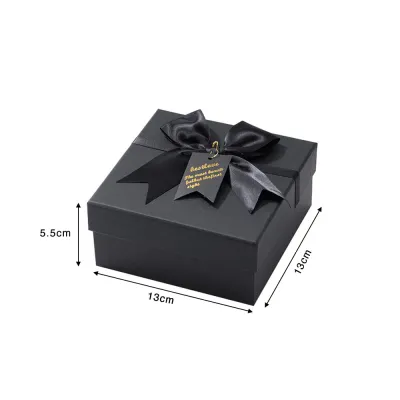
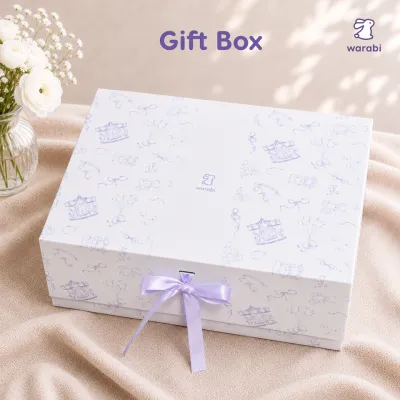
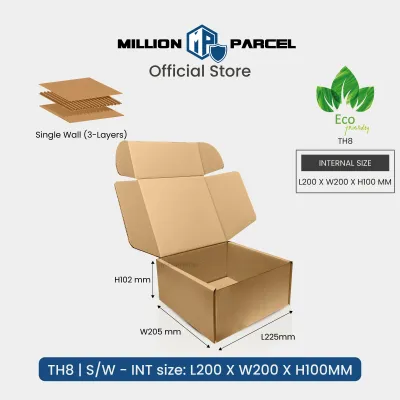
Prices are valid at publication and may change. Please refer to the product page for the latest price.
A tight fit risks damaging both the gift and the box walls during handling. For standard, non-fragile items, add at least 10 mm to 15 mm of clearance on all sides to accommodate basic wrapping tissue or thin protective sheets. For highly fragile items like glassware, ceramics, or delicate electronics, increase this clearance to 25 mm or 30 mm to allow for dense void fill or molded foam inserts.
Evaluating the weight of your gift is equally critical for selecting a box with adequate structural strength. Heavy items, such as books, stone coasters, or potted plants, exert significant downward pressure on the base of the box. Check the manufacturer’s specifications for the box’s weight capacity, or perform a manual test by gently pressing the bottom panel of an assembled sample. If the bottom bows or sags under light pressure, the box requires reinforcement or a sturdier material.
Irregularly shaped gifts present unique challenges because they tend to shift during transport. Shifting causes friction, which can scuff delicate surfaces, tear wrapping paper, or break protruding parts. To prevent this, plan for internal void fill, cardboard dividers, or custom inserts that lock the item securely in place. By matching the box’s internal volume with the appropriate protective accessories, you create a stable environment that preserves the gift’s condition.
Comparing Common Box Packaging Materials
Gift boxes are available in a wide variety of materials, each offering distinct structural behaviors and aesthetic trade-offs. The most common options include paper-based corrugated board, rigid paperboard, and alternative materials like wood, tin, or acrylic. Understanding these material properties helps you select a box that maintains its shape from the moment of wrapping to the final presentation.

The choice of material also dictates how the box handles environmental factors like humidity and physical impact. In Singapore’s warm, humid climate, uncoated paper-based materials can absorb ambient moisture over time, potentially softening their structure and reducing their stacking strength. Evaluating these materials based on their observable traits ensures your packaging remains crisp and professional.
Corrugated Cardboard and Kraft Options
Corrugated cardboard features a wavy inner layer, known as the flute, sandwiched between flat outer linerboards. This unique construction provides excellent cushioning and resistance to crushing, making it the preferred choice for shipping and heavy-duty gift packaging. For gift wrapping, look for “E-flute” or “F-flute” corrugated boxes, which are thinner and offer a cleaner, more refined appearance than standard shipping boxes while retaining high structural strength.
Kraft paper boxes, made from unbleached wood pulp, offer a rustic, organic aesthetic that has become highly popular for eco-friendly presentations. They are versatile, lightweight, and pair beautifully with natural jute twine, cotton ribbons, or dried botanicals. Kraft boxes are typically supplied flat-packed, saving storage space before assembly.
When selecting kraft or corrugated options, check the product descriptions or labels for moisture-resistant coatings or clay-coated finishes. Uncoated kraft paper is highly porous and can easily absorb oils from hands or the gift itself, leading to unsightly stains. A light exterior varnish or clay coating helps preserve the clean look of the box and provides a smoother surface if you plan to stamp or write directly on the packaging.
Rigid Paperboard and Specialty Finishes
Rigid paperboard, often referred to as greyboard, is much thicker and denser than standard folding cartons. Unlike corrugated or kraft boxes, rigid boxes do not collapse or fold flat; they are shipped and stored fully assembled. This material is the standard for luxury gift presentation, high-end electronics, and delicate jewelry, offering a solid, premium feel that immediately elevates the perceived value of the gift.
To assess the quality of a rigid box, examine the corner construction and edge wrapping. High-quality rigid boxes feature clean, sharp corners with no visible seams, adhesive residue, or peeling paper. The liner paper should be wrapped tightly around the edges and glued securely to the interior walls without air bubbles, wrinkles, or lifting.
Specialty finishes on rigid paperboard add tactile texture and visual depth. Common options include matte or glossy lamination, which provides a protective barrier against moisture and fingerprints. Foil stamping, embossing, and debossing add elegant metallic accents and textured patterns that catch the light, making them excellent choices for formal occasions like weddings, anniversaries, or corporate events.
Alternative Materials: Wood, Tin, and Acrylic
Non-paper materials offer a distinct tactile experience and are often kept by the recipient for long-term storage and reuse. Wooden boxes, whether made of light pine, bamboo, or finished plywood, provide a sturdy, classic presentation. However, wood adds significant weight to the package, which can increase shipping costs if you plan to mail the gift.
Tin containers are lightweight, highly durable, and naturally moisture-resistant, making them ideal for food gifts like cookies, tea leaves, or artisanal chocolates. When selecting tin packaging, verify that the interior is food-safe or lined with a protective coating to prevent rust and chemical reactions with the contents.
Acrylic boxes offer a modern, minimalist look, completely showcasing the gift inside. Because acrylic scratches easily, ensure the interior is lined with a soft fabric or that the gift is wrapped in non-abrasive tissue paper. Inspect the hinges, clasps, or magnetic closures on all alternative materials to ensure they operate smoothly and hold the lid securely shut.
Matching Box Styles and Closures to the Occasion
The style of the box and how it opens shape the recipient’s unboxing experience. Two-piece telescope boxes, where the lid lifts completely off the base, offer a classic, formal reveal. The slow release of air as the lid is lifted creates a sense of anticipation, making this style highly suitable for premium gifts.
Hinged boxes, including those with magnetic closures, provide a smooth, book-like opening. The magnetic snap offers a satisfying tactile and auditory feedback, signaling high quality. This style is excellent for corporate gifts or keepsake boxes that will be opened and closed repeatedly.
For lightweight or casual gifts, tuck-end or pillow boxes are practical and cost-effective. They fold flat for easy storage and assemble quickly. However, they lack the structural rigidity needed for heavy or fragile items.
Consider how the closure matches the occasion. Ribbon ties add a traditional, personal touch that encourages the recipient to slow down and enjoy the process of untying the gift. For a clean, modern aesthetic, integrated magnetic closures or sleek paper sleeves provide a secure hold without visual clutter.
Evaluating Interior Fittings and Presentation Accessories
The interior of the box is just as important as the exterior. Shredded crinkle paper is a popular, versatile choice that fills empty space and cushions lightweight items. It is available in various colors to match your theme, but ensure it is dust-free to avoid leaving residue on the gift.
For fragile or high-value items, molded foam inserts or custom-cut cardboard dividers offer superior protection. They hold the item firmly in place, preventing any movement during transit. Satin linings draped over foam inserts provide a luxurious backdrop for jewelry, glassware, or cosmetics.
Always verify the dimensional compatibility of your inserts. The insert must fit snugly inside the box without bowing or leaving gaps at the edges. A loose insert defeats the purpose of securing the item, while an oversized insert can distort the shape of the box.
Ensure all interior materials are acid-free and chemically inert. Low-quality colored papers or synthetic fabrics can bleed dye when exposed to humidity, potentially staining leather, fabric, or paper gifts. Additionally, some plastics and adhesives off-gas chemicals that can tarnish metals or degrade delicate finishes over time.
Sourcing Box Packaging: Retail vs. Online Channels
When sourcing box packaging in Singapore, you can choose between physical retail stores and online marketplaces. Visiting local stationery, craft, or packaging specialty stores allows you to inspect physical samples directly. You can feel the material thickness, test the strength of the corners, and verify the smoothness of the closures before buying.
Online marketplaces offer a wider variety of styles, sizes, and colors, often at lower price points. However, buying online requires careful verification. Always check the listed internal dimensions rather than the external dimensions, as thick-walled rigid boxes can have a significant difference between the two. Look for detailed customer reviews and photos to assess the true color and material quality.
If you are purchasing in bulk for an event or corporate gifting, pay close attention to minimum order quantities (MOQs) and shipping protection. Ensure the seller packages the flat-packed or rigid boxes securely to prevent dented corners or crushed edges during transit. Review the return and replacement policies so you can easily swap out any items damaged during delivery.
Frequently Asked Questions (FAQ)
How do I prevent a gift from sliding inside a box that is slightly too large?
To secure an item in an oversized box, start by placing a layer of dense, acid-free tissue paper or crinkle paper at the bottom. Position the gift in the center, then firmly pack additional void fill around all sides until the item cannot move laterally. For non-porous items like glass or plastic, you can apply a small piece of removable double-sided tape to the bottom of the item to anchor it directly to the box floor. Alternatively, insert a custom-cut piece of cardboard to act as a divider, partitioning the box to create a snug compartment that matches the gift’s dimensions.
Can I reuse shipping boxes for gift wrapping, and how should I prepare them?
Yes, reusing shipping boxes is an excellent, eco-friendly option, provided the box is structurally sound. First, inspect the box walls for soft spots, deep creases, or crushed corners; if the cardboard is compromised, it will not protect your gift. Carefully peel off old shipping labels and tape, using a plastic scraper or a mild adhesive remover to clean any sticky residue. Ensure the box is completely free from lingering odors, dampness, or stains. To transform its appearance, wrap the exterior in high-quality wrapping paper, apply a coat of acrylic paint, or cover it with fabric, ensuring all original barcodes and branding are fully concealed.

Community discussion
Share your experience or ask a question. Comments are reviewed before publication.