
Quick Answer: Primary vs. Secondary School Bookmark Needs
Selecting the right bookmark depends heavily on a student’s academic stage, book types, and daily habits. Primary school students require durable, highly secure, and visually engaging bookmarks—such as thick silicone designs or magnetic clips—that can withstand rough handling, resist spills, and encourage early reading habits. Because younger students frequently move between classrooms and play areas, their bookmarks must stay firmly attached to softcover storybooks and textbooks without falling out.
In contrast, secondary school students need ultra-slim, highly functional, and understated bookmarks. As academic workloads increase, older students must manage thick, dense textbooks, literature novels, and exam preparation guides. Bulky bookmarks can warp book spines or damage delicate pages, making thin metal slips, rigid plastic pointers, or multi-functional bookmarks with integrated rulers and sticky-note holders far more practical. The core decision factors when shopping for back-to-school stationery are book thickness, material longevity in humid climates, and age-appropriate functionality.
What to Look for When Buying Bookmarks for Primary School Students
Primary school students, typically aged 7 to 12, are highly active, and their school supplies must endure a demanding daily routine. Bookmarks for this age group should prioritize physical safety, exceptional durability, and features that actively support emerging reading habits.
Products mentioned in this guide
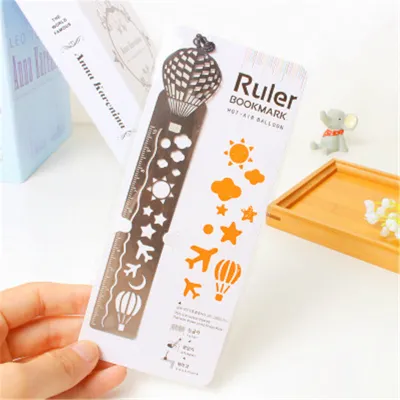
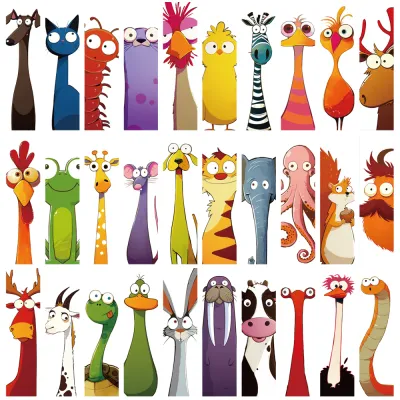


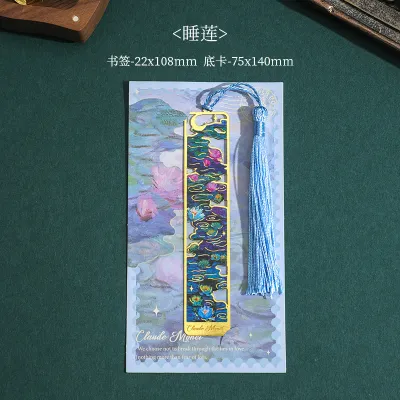
Prices are valid at publication and may change. Please refer to the product page for the latest price.

Safety is the most critical consideration for younger children. Avoid bookmarks made of thin, sharp metal or brittle plastics that can snap under pressure and create hazardous edges. Instead, look for flexible, non-toxic materials with rounded corners. Thick silicone is an outstanding choice because it bends freely without creasing, resists water bottle leaks inside school bags, and is soft to the touch. Laminated cardstock is another excellent, budget-friendly option that offers significantly better tear resistance and moisture protection than standard paper.
Because primary school textbooks and library books are often lightweight softcovers, standard slip-in paper bookmarks easily slide out when a student runs or drops their school bag. To prevent lost pages and frustration, choose secure attachment methods. Magnetic clip bookmarks clamp firmly over the top or side of a page, keeping the place marked even if the book is held upside down. Elastic band bookmarks, which loop around the entire book cover, are also highly effective at keeping softcover books securely closed and protected inside crowded backpacks.
Visual appeal and interactive elements can play a major role in motivating younger students to read. Look for bookmarks featuring bright colors, encouraging quotes, or built-in reading trackers. Some designs include a sliding plastic pointer that allows students to mark the exact line where they stopped reading, which helps them maintain focus when resuming their studies. Other options feature a dry-erase surface where students can log their daily reading times or track new vocabulary words, turning a simple placeholder into an active learning tool.
What to Look for When Buying Bookmarks for Secondary School Students
As students transition into secondary school, their academic environment changes dramatically. They must manage multiple subjects simultaneously, utilizing thick reference books, ten-year series exam papers, and delicate literature texts. Bookmarks for older students must adapt to these heavy-duty study requirements.
With textbooks often exceeding several hundred pages, minimizing bulk is essential. Thick silicone or heavy magnetic clips can stretch book bindings, warp pages, or prevent books from stacking neatly on study desks. Secondary school students benefit most from slim, rigid materials like thin stainless steel, brass, or stiff, high-density plastic. These materials slide smoothly between dense pages, allowing students to mark multiple sections of a single textbook without adding unnecessary volume.
Multi-functional designs are incredibly valuable for streamlining a secondary student’s study workflow. Look for bookmarks that serve double duty as practical tools. Bookmarks with integrated 10cm or 15cm rulers are highly useful for quick underlining, geometry work, or reading graphs. Some designs feature built-in stencils for drawing clean diagrams, while others incorporate small magnifying lenses to help read fine print on maps or reference tables. Bookmarks that include a small holder for miniature sticky notes or index tabs allow students to annotate key passages and flag important topics during exam preparation.
Older students generally prefer a more mature, professional aesthetic that aligns with their personal style and school environment. Understated designs, such as matte metallic finishes, classic leather slips, or minimalist geometric patterns, are highly popular. These clean styles look organized and serious, helping students maintain a focused mindset during intensive study sessions.
Material and Design Guide: Matching Bookmarks to Book Types
Different school subjects and book formats require specific bookmark materials to ensure usability and prevent damage. Choosing the wrong material can result in torn pages, ruined bindings, or lost progress.
In Singapore’s tropical climate, high humidity can cause unlaminated paper bookmarks to absorb moisture from the air, leading to limp, curled edges and ink bleeding over time. While paper is lightweight and highly customizable, it is best reserved for short-term fiction reading or disposable use. For daily schoolwork, more resilient materials are necessary.
Silicone and soft rubber are virtually indestructible and provide excellent grip, ensuring they do not slip out of books easily. However, their thickness makes them unsuitable for tight, multi-page marking in dense reference volumes. Metal bookmarks offer unmatched durability and a premium feel, but they must be handled with care. Heavy or sharp metal edges can scratch glossy textbook pages or tear the thin, delicate paper commonly found in dictionaries and literature classics if pulled roughly.
To help you choose the right match for your student’s curriculum, use the following decision matrix to align bookmark materials with specific book types:
| Bookmark Material | Durability | Weight | Best Book Compatibility | Key Risk Factors |
|---|---|---|---|---|
| Laminated Cardstock | Moderate | Very Light | Fiction books, softcover novels, library books | Can crease under heavy pressure in bags |
| Silicone / Soft Rubber | High | Moderate | Primary textbooks, children's storybooks | Too bulky for marking multiple sections |
| Thin Metal | Very High | Light to Moderate | Hardcover reference books, study guides, planners | Can scratch glossy pages or tear thin paper |
| Magnetic Clip | High | Light | Workbooks, assessment books, journals | May crease pages if pulled without opening |
Back-to-School Bookmark Shopping Checklist
Before purchasing bookmarks at local stationery shops or online marketplaces, use this practical checklist to ensure the products are safe, functional, and compatible with school materials.
- Verify the Dimensions: Measure the bookmark against standard school book sizes. In local schools, textbooks and workbooks typically range from A5 to A4 sizes. A bookmark that is too long—protruding more than 2cm above the top edge of the book—will inevitably get bent, crumpled, or torn when stuffed into a school bag. Aim for a bookmark length that sits flush with or just slightly above the page edge to keep it protected.
- Check for Sharp Edges and Small Parts: Run your finger along the entire perimeter of metal or plastic bookmarks to ensure there are no sharp burrs or rough cutting lines that could cut fingers or slice paper. For magnetic bookmarks, verify that the magnets are securely embedded or glued within the casing. Loose magnets pose a safety hazard for younger siblings and render the bookmark useless if they fall out.
- Assess Ease of Cleaning: School bags are high-friction environments where pencil graphite, ink leaks, and crumbs accumulate. Fabric, felt, or unlaminated paper bookmarks absorb dirt and hand oils quickly, becoming unsightly within a few weeks. Choose materials that can be easily wiped down with a damp cloth or sanitized, such as silicone, laminated cardstock, or metal.
- Evaluate Page Grip and Tension: For magnetic bookmarks, test the clamp strength on a single sheet of paper. The magnet should hold the page securely without sliding, but it should not require excessive force to pull apart. If the magnet is too strong, it risks tearing the page when the student tries to remove it in a hurry during class.
Frequently Asked Questions (FAQ)
Can magnetic bookmarks damage textbook pages?
Yes, magnetic bookmarks can damage pages if they are designed poorly or used incorrectly. The primary risk comes from high-strength magnets that clamp too tightly on thin paper. When a student pulls the bookmark off quickly without gently prying the magnets apart, the friction can crease the paper, smudge printed ink, or even tear the page. To prevent this, look for magnetic bookmarks that feature a protective paper, vinyl, or fabric coating over the magnetic surfaces to cushion the grip. Always teach students to open the clip fully before removing it, rather than sliding it off the page. Testing the clamp strength on a spare piece of paper before using it on expensive textbooks is an excellent way to verify safety.
How many bookmarks should a student have for the school year?
A practical baseline is three to five bookmarks per student for the school year. For primary schoolers, having one dedicated bookmark for their English reader, one for their Mother Tongue reader, and one spare kept in their pencil case is usually sufficient. Secondary school students, who manage a wider array of subjects, often require four to six bookmarks to simultaneously track active topics in mathematics, science, humanities, and literature. Keeping a few inexpensive, flat paper or plastic spares in a school bag pocket ensures that a lost bookmark does not disrupt a student’s study flow during crucial exam preparation periods.
Community discussion
Share your experience or ask a question. Comments are reviewed before publication.