
Choosing the right bookmark for a student depends heavily on their age, reading habits, and the physical demands of their school environment. While a primary school student needs a durable, highly visible marker that won’t get lost in a messy school bag, a secondary school student requires a slim, functional tool designed for dense textbooks and active study. Selecting the appropriate bookmark not only protects expensive books from damage but also supports the student’s learning flow and organizational habits.
Why School Level Changes Your Bookmark Needs
The transition from primary to secondary school brings a dramatic shift in the types of books students carry and how they handle them. In primary school, reading materials are typically large-format picture books, thin readers, and softcover workbooks. These books have flexible bindings and relatively light pages. Young students are still developing their organizational skills, meaning books are often shoved hastily into school bags alongside water bottles and lunchboxes. In this high-energy environment, a bookmark must be exceptionally durable, easy to spot, and secure enough to stay in place when the book is jostled.
As students enter secondary school, their reading load shifts toward thick literature novels, dense textbooks, and heavy assessment books. These volumes are often tightly bound hardcovers or thick paperbacks with fragile spines. Shoving a thick, bulky bookmark into a tightly packed secondary school bag puts immense pressure on the book’s binding, which can crack the spine or tear the pages over time.
Products mentioned in this guide

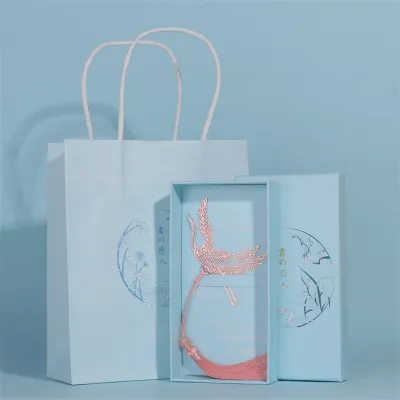
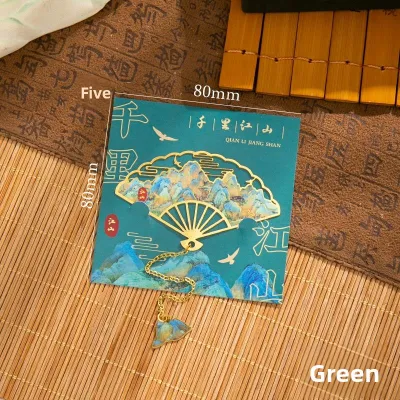
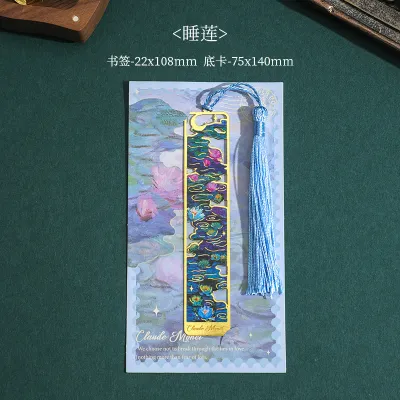
Prices are valid at publication and may change. Please refer to the product page for the latest price.
Furthermore, the purpose of marking a page changes. For a primary student, a bookmark is often a fun visual motivator that encourages them to return to their story. For a secondary student, a bookmark becomes a functional study tool. They need to mark multiple sections, track specific formulas, and index chapters for exam preparation. Consequently, the ideal bookmark design must evolve from a thick, playful accessory to a slim, multi-functional organizational aid.
Top Bookmark Choices for Primary School Students
When selecting bookmarks for primary school students, prioritize physical safety, high visibility, and exceptional durability. Young children are prone to dropping their belongings, and their stationery must withstand accidental spills, rough handling, and the occasional bend. Look for materials that are water-resistant, tear-proof, and free of sharp edges that could cut small fingers.

Bright colors and engaging designs also play a psychological role for younger readers. A colorful bookmark makes a book feel more approachable and exciting, turning reading into an interactive experience. By choosing the right physical format, you can help your child build consistent reading habits without the frustration of lost pages.
Magnetic Bookmarks
Magnetic bookmarks are highly effective for primary schoolers because of their secure grip. These bookmarks consist of a folded piece of heavy paper, laminated cardstock, or silicone with thin magnetic strips enclosed on the inside. To use them, the student simply folds the bookmark over the top or side of the page, allowing the magnets to clasp together through the paper.
This folding design ensures the bookmark remains locked in place, even if the book is dropped, turned upside down, or tossed into a crowded school backpack. When shopping, check that the magnets are fully encased within the material to prevent them from peeling off. The magnetic pull should be strong enough to hold the page securely but gentle enough that a child can easily pull it apart without tearing the paper.
Laminated or Thick Plastic Bookmarks
Laminated paper and thick plastic bookmarks offer excellent durability at an affordable price point. In tropical climates like Singapore, where high humidity and condensation from cold water bottles can easily ruin paper stationery, laminated or plastic options are particularly practical. They resist moisture, sweat, and minor spills, allowing them to be wiped clean with a dry cloth.
These bookmarks are structurally rigid, making them easy for small hands to grip, slide between pages, and retrieve from a deep school bag. Many laminated designs feature educational prints on the front, such as multiplication tables, spelling rules, or motivational quotes, providing a quick reference tool during homework sessions.
Clip-On or Character Bookmarks
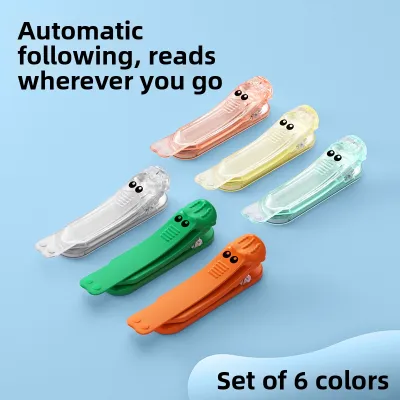
Clip-on bookmarks, often featuring silicone or soft plastic character tops, are excellent for early readers who are learning to track text line by line. These bookmarks slide onto the side of a page like a flat paperclip, with a decorative 3D element extending past the top of the book.
Key considerations for clip-on designs include:
- Clip Tension: Ensure the clip is made of smooth plastic or vinyl-coated metal. Bare metal clips can have sharp edges that scratch paper or snag fibers.
- Weight Distribution: The decorative character top should be lightweight. A top-heavy bookmark can pull down on thin pages, causing them to crease or tear.
- Line Tracking: Some clip-on models feature a small pointing hand or arrow, allowing the student to mark the exact line where they stopped reading, which is highly beneficial for children building reading stamina.
Ideal Bookmark Styles for Secondary School Students
Secondary school students handle a massive volume of academic material, requiring bookmarks that respect the physical integrity of expensive textbooks while enhancing study efficiency. At this stage, bookmarks should have an ultra-slim profile to prevent adding bulk to tightly bound books. The aesthetic preferences of older students also lean toward minimalist, professional, and mature designs.
Because secondary school involves intensive studying and exam preparation, the best bookmarks are those that help students segment information. They need to navigate quickly between reference tables, chapter summaries, and practice questions without damaging library books or rented school materials.
Slim Metal Bookmarks
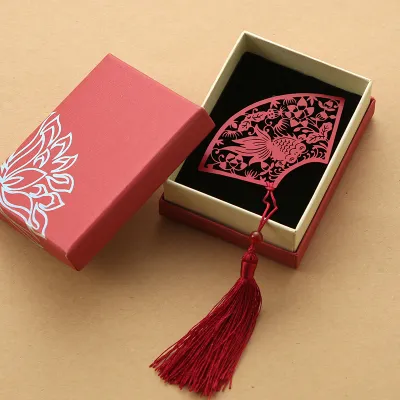
Metal bookmarks made of thin stainless steel, brass, or aluminum are ideal for thick secondary school textbooks and literature novels. Because these metals can be machined to be incredibly thin—often under 0.5 millimeters—they lie completely flat inside a closed book. This ultra-thin profile eliminates the “spine-cracking” leverage effect that thicker bookmarks cause when a book is closed and tightly packed in a bag.
These bookmarks offer a sleek, sophisticated appearance that appeals to older students. When choosing a metal bookmark, always run your finger along the edges to verify they are perfectly smooth and rounded, as sharp metal edges can slice through paper or scratch delicate book covers.
Index and Tab Bookmarks
Index and tab bookmarks are specialized study tools designed for active learning. Rather than marking a single page, these systems allow students to mark multiple sections of a textbook simultaneously. They often consist of a thin plastic ruler or card that clips into the spiral binding of a notebook, holding a set of colorful, reusable adhesive tabs or silicone page markers.
How secondary students benefit from index bookmarks:
- Section Division: Students can color-code different chapters, formulas, or vocabulary lists for quick access during revision.
- Damage-Free Annotation: Reusable PET adhesive tabs allow students to highlight key passages and write notes on the tab itself, keeping the actual textbook clean and free of permanent highlighter ink.
- Durability: High-quality silicone or plastic tabs can be peeled off and repositioned dozens of times without losing their stickiness or leaving a gummy residue on the page.
Leather or Faux Leather Bookmarks
For general reading and literature classes, leather or high-quality PU (polyurethane) leather bookmarks offer a classic, flexible, and durable option. Unlike rigid plastic or metal, leather is naturally pliable. It conforms to the curve of a book’s spine, reducing localized pressure on the binding.
Many leather bookmarks feature a slim cord, fabric tassel, or integrated elastic band. The elastic band can be wrapped around the entire book, keeping the cover securely closed during daily commutes on public transport. This prevents pages from getting bent or crumpled when the book is sliding around inside a backpack.
What to Check Before Buying: A Quick Comparison Guide
Before purchasing bookmarks online or at a local stationery shop, it is important to inspect their physical characteristics. If shopping online, read the product specifications carefully to verify dimensions, materials, and safety standards. For physical purchases, test the flexibility of the material and check for any rough edges or strong chemical odors that might indicate low-quality plastics or adhesives.
| Feature to Check | Primary School Focus | Secondary School Focus |
|---|---|---|
| Material | Silicone, laminated paper, encased magnets | Metal, leather, PU, reusable adhesive tabs |
| Thickness | Medium to thick (for easy gripping and durability) | Ultra-thin (under 1mm to protect tight bindings) |
| Design | Bright colors, characters, educational prints | Minimalist, professional, functional index tabs |
| Functionality | Secure grip, line-tracking, high drop-visibility | Multi-page indexing, exact line marking, flexibility |
When buying metal bookmarks, look for manufacturer labels indicating rust-resistant coatings, especially in warm, humid environments. For younger children, ensure that all plastic materials are certified non-toxic and free of BPA or phthalates, as primary schoolers frequently handle their stationery and may occasionally chew on them.
How to Use Bookmarks Without Damaging Books
Even the best bookmark can cause damage if used incorrectly. Proper handling of both the bookmark and the book is essential to preserve your reading materials, especially when dealing with expensive school textbooks or borrowed library books.
To prevent damage, follow these best practices:
- Avoid Spine Stress: Never leave thick bookmarks, such as 3D character clips or thick wooden markers, inside a closed book for extended periods. The constant pressure weakens the book's glue and can warp the cover.
- Insert Gently: Always slide the bookmark straight down from the top edge of the page. Forcing a bookmark in at an angle can crease the paper or tear the delicate margin.
- Do Not Use Books as Hinges: Avoid resting an open book face-down on a desk with a thick bookmark inside, as this concentrates extreme pressure on a single point of the binding.
- Maintain Cleanliness: Regularly wipe plastic, silicone, and metal bookmarks with a clean, dry microfiber cloth. This removes skin oils, sweat, and dirt that could otherwise transfer to the pages and cause yellowing or staining over time. Keep adhesive tabs in a protective sleeve when not in use to prevent dust from ruining the adhesive.
Can One Bookmark Work Across Different School Levels?
While primary and secondary school students have distinct needs, certain highly versatile bookmarks can successfully transition across different school levels. High-quality silicone bookmarks and basic, well-made magnetic bookmarks are excellent examples of cross-stage options. A plain, durable magnetic bookmark is simple enough for a primary schooler to use without losing, yet slim and functional enough to mark a secondary school textbook.
However, a complete upgrade becomes necessary when a student transitions from thin paperbacks to thick, tightly bound hardcovers. If your child continues to use thick, rigid primary-school bookmarks in heavy secondary textbooks, they risk cracking the book spines. Upgrading to ultra-thin metal markers or flexible leather options ensures that their growing academic library remains in pristine condition throughout their school years.
Frequently Asked Questions (FAQ)
Are magnetic bookmarks safe for library or rented textbooks?
High-quality magnetic bookmarks with smooth, fully encased magnets are generally safe for standard textbook paper. However, you should exercise caution when using them on very thin, fragile, or glossy pages, which are common in older library books or high-end art textbooks. The localized pressure of the magnetic pull can sometimes cause micro-tears or leave indentations on delicate paper fibers if the bookmark is pulled off roughly instead of being gently slid open.
How can I prevent metal bookmarks from scratching book covers?
To prevent metal bookmarks from scratching book covers or tearing pages, always choose models with rounded corners and polished, smooth edges. Avoid raw, unfinished metal designs. Look for metal bookmarks that feature a protective enamel coating, a brushed finish, or those that come with a small protective fabric sleeve. Additionally, when packing your book into a bag, ensure the metal bookmark is inserted fully so that it does not rub against other items or the book’s own cover during transit.
Community discussion
Share your experience or ask a question. Comments are reviewed before publication.