
Selecting the right birthday money envelope requires balancing the physical dimensions of your banknotes, the total number of bills, and how you prefer to present the cash. A standard compact envelope works well for a few folded bills, while a long or extended envelope is necessary to keep banknotes pristine and flat. Matching the envelope size to your specific cash gift ensures a neat presentation and prevents the paper from tearing or bursting at the seams.
By understanding how standard stationery sizes correspond to different cash volumes, you can avoid the awkwardness of a bulging envelope or a gift that feels empty. Taking a few moments to verify dimensions and material strength will elevate your presentation and keep your gift secure.
Understanding Standard Money Envelope Sizes
Money envelopes generally fall into three primary stationery categories: standard, long, and jumbo. Standard envelopes are compact, often square or slightly rectangular, and are designed for bills that have been folded in halves or thirds. These are ideal for minimalist presentations or when you want to tuck the gift into a small bouquet or alongside a birthday card.
Products mentioned in this guide
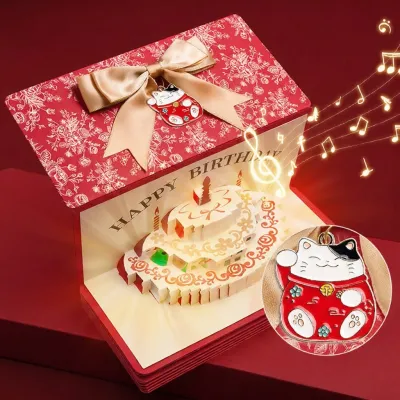
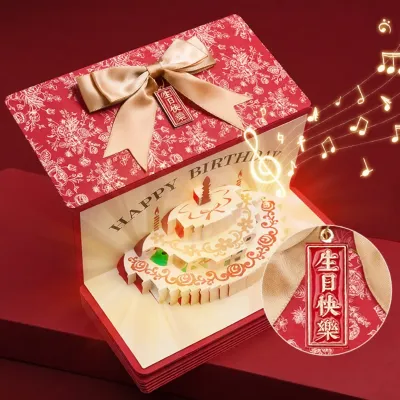
Prices are valid at publication and may change. Please refer to the product page for the latest price.
Long or extended envelopes are designed to hold banknotes completely flat without any folding. These are highly popular for formal celebrations, as they preserve the crisp, uncreased appearance of new bills. Jumbo or oversized envelopes offer extra width and height, making them suitable for holding thick stacks of cash, multiple currencies, or custom-printed gift certificates.
When choosing a size, always distinguish between the external dimensions of the envelope and its internal usable space. The manufacturing process requires seams, adhesive flaps, and sometimes decorative inner linings, all of which reduce the actual space available inside. An envelope that matches the exact length of a banknote on the outside will be too tight to actually hold that bill on the inside.
Furthermore, heavily textured or layered designs can significantly decrease physical capacity. Envelopes featuring thick cardstock, 3D paper cutouts, ribbons, or embossed patterns have less natural stretch. These decorative elements stiffen the paper, meaning the envelope cannot expand to accommodate thicker stacks of cash without warping or tearing.
Matching the Envelope to Your Cash Amount and Bill Count
Deciding whether to fold your cash or keep it flat is the first step in matching your gift to the right envelope. Folding bills allows you to use smaller, more discreet envelopes, but it also multiplies the thickness of the stack. If you are gifting a single high-value note, such as a S$50 or S$100 bill, a compact envelope is perfectly adequate. However, if the same total value is made up of multiple smaller denominations, folding them all will create a bulky wedge that is difficult to seal.

To estimate the physical stack size, consider both the total cash amount and the specific denominations you plan to use. A gift of S$200 presented in two S$100 bills is incredibly slim and fits easily into almost any flat envelope. Conversely, presenting S$200 using ten S$20 bills creates a much thicker stack that requires a sturdier, slightly wider envelope to prevent the edges from buckling.
When dealing with mixed denominations, always size your envelope to fit the largest banknote in the mix. Banknotes of higher values are often physically larger than lower-value notes, meaning a standard envelope that fits a S$2 bill comfortably might pinch or bend the edges of a S$50 bill. Keeping the largest note flat ensures the entire stack remains uniform and protected.
If you plan to include coins alongside paper currency, thickness and weight become critical factors. Coins shift during transit and can easily puncture standard paper envelopes. If coins are necessary, select a small, reinforced envelope with a secure adhesive closure rather than a simple tuck-in flap, and ensure the paper weight is heavy enough to support the extra weight without sagging.
Verifying Banknote Dimensions and Envelope Fit
Before purchasing your birthday money envelopes, it is highly recommended to check the physical dimensions of the specific banknotes you intend to gift. Because currency sizes vary globally and even between different denominations of the same currency, relying on general assumptions can lead to a poor fit. Measuring your cash stack with a ruler gives you a concrete starting point for your search.
When inserting multiple bills into a single pocket, you must account for both stack thickness and the natural stiffness of the paper or polymer. New, crisp banknotes are particularly stiff and resist bending, which means they require more lateral clearance inside the envelope. To ensure a smooth fit, look for an envelope that offers at least 5mm to 10mm of extra space around the entire perimeter of your cash stack.
To avoid damaging the actual cash or straining the seams of a delicate envelope, you can test the fit using a dummy piece of paper. Simply cut a sheet of scrap paper to the exact dimensions and thickness of your intended cash stack and slide it into the envelope. This trial run allows you to verify if the flap closes naturally without forcing the paper or causing the envelope to bulge awkwardly.
Additionally, check the manufacturer’s packaging or product specifications for any stated capacity limits. High-quality stationery brands often list the maximum recommended bill count for their specialty envelopes. If your cash stack exceeds this recommendation, it is best to step up to the next envelope size or opt for higher-denomination bills to reduce the physical volume.
Choosing the Right Material and Closure for Security
While size is the primary consideration, the material and closure type of the envelope play a vital role in the security and overall presentation of your gift. Paper weight and opacity are crucial for maintaining privacy. Standard mailing envelopes are often thin enough to reveal the colors and denominations of the cash inside when held up to the light, which can compromise security during a busy birthday gathering.
To ensure your gift remains private, look for envelopes made from heavy paper stock, typically 100 gsm or higher. Alternatively, choose envelopes that feature dark, patterned, or metallic inner linings. These specialized linings block light from passing through the paper, ensuring that the cash amount remains completely hidden until the recipient opens the envelope.
| Closure Type | Security Level | Best Used For |
|---|---|---|
| Peel-and-Seal | High | Heavy stacks of cash, mailing, or busy public parties |
| Gummed Flap | Medium | Standard flat cash gifts, traditional presentations |
| Tuck-In Flap | Low | Hand-delivered cards, light cash, or reusable envelopes |
As shown above, different closure types offer varying levels of security. Gummed flaps require moisture to seal and provide a traditional look, while peel-and-seal adhesives offer a strong, tamper-resistant bond that is ideal for thicker stacks. Tuck-in flaps are convenient and allow the recipient to open the envelope without tearing the paper, but they offer very little security if the envelope is dropped or handled frequently.
Finally, pay close attention to the construction quality and seams of the envelope. Well-made money envelopes feature reinforced side seams and high-quality adhesives along the edges. If the seams feel thin or dry, they are highly susceptible to splitting under the pressure of a thick cash stack, potentially causing the money to slip out unnoticed during the celebration.
Frequently Asked Questions (FAQ)
Is It Acceptable to Fold Bills for a Standard Envelope?
Folding banknotes is entirely acceptable for casual birthdays, children’s parties, or when using compact, artistic envelopes designed specifically for folded cash. However, folding can create permanent creases that may affect how the bills look and handle. For modern polymer banknotes, sharp folds can sometimes weaken the material or distort the security features over time. If you choose to fold the cash, a single gentle fold in the center is preferable to folding the bills multiple times into tight squares. For formal milestone birthdays, keeping the bills flat in a long envelope is generally considered the most polished presentation.
Can You Use a Regular Mailing Envelope for Cash Gifts?
While a regular white or manila mailing envelope can physically hold cash, it is generally not recommended for a birthday gift. Standard mailing envelopes lack the festive aesthetic appropriate for a celebration and are often made of thin, semi-transparent paper that exposes the cash inside. If you have no other option, you can elevate the presentation by wrapping the cash inside a piece of decorative tissue paper or a folded birthday card before placing it in the envelope. This obscures the money from view and provides a clean surface for writing a warm, personalized birthday message.
Community discussion
Share your experience or ask a question. Comments are reviewed before publication.