
Starting your face painting journey in Singapore is a fantastic way to bring vibrant energy to children’s birthday parties, school carnivals, and community gatherings. Whether you are a parent looking to entertain kids at a backyard gathering or an aspiring artist preparing for a local community event, choosing the right beginner face painting kit is your first step toward success. The ideal starter kit must balance ease of use, vibrant color payoff, and, most importantly, skin safety. In Singapore’s warm and humid tropical climate, selecting products that dry quickly, resist smudging from sweat, and wash off effortlessly is essential for a seamless experience.
For beginners, navigating the vast array of options available on online marketplaces and in local art supply stores can be overwhelming. A common mistake is focusing solely on the number of colors included, rather than evaluating the formulation, tool quality, and safety certifications of the kit. By understanding what makes a face painting kit truly beginner-friendly, you can make an informed purchase that ensures a fun, creative, and completely safe experience for both you and your canvas.
Key Features to Evaluate in a Starter Kit
When evaluating a starter face painting kit, the paint formulation is the most critical factor to consider. Face paints generally fall into two main categories: water-activated and grease-based. For beginners, water-activated paints are highly recommended. These paints behave similarly to watercolors; they remain dry in the palette until you introduce a small amount of water via a damp brush or sponge. Once activated, they glide smoothly onto the skin and dry to a touch-resistant finish within a couple of minutes. This rapid drying time is incredibly beneficial when working with active children who are prone to touching their faces. In contrast, grease-based paints are oil-rich and do not dry on their own. They require a generous application of setting powder to prevent smudging. Because grease paint feels heavy on the skin and requires specialized oil-based solvents for removal, it is best left to theatrical professionals rather than beginners.
Products mentioned in this guide
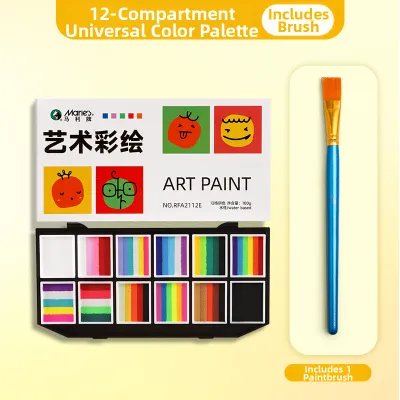
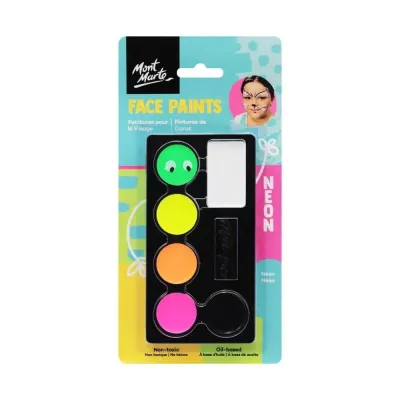
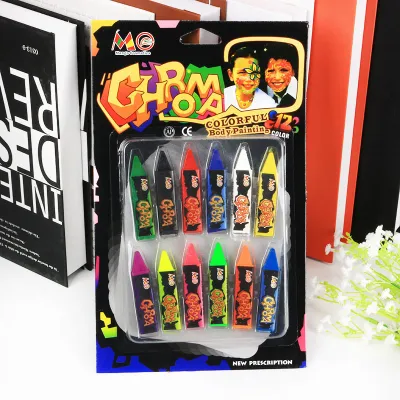
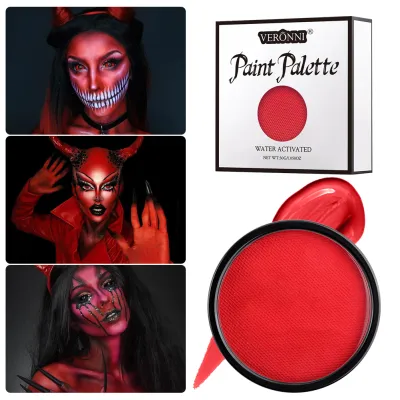
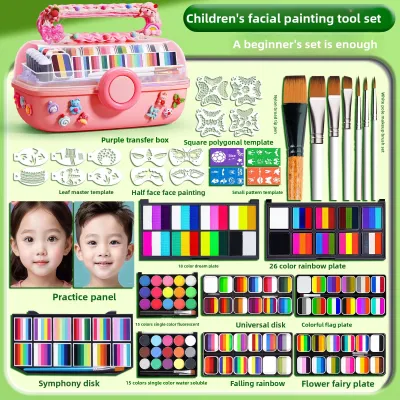
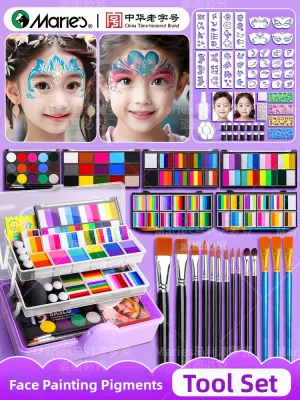
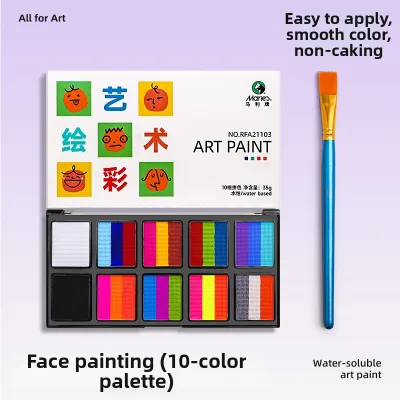
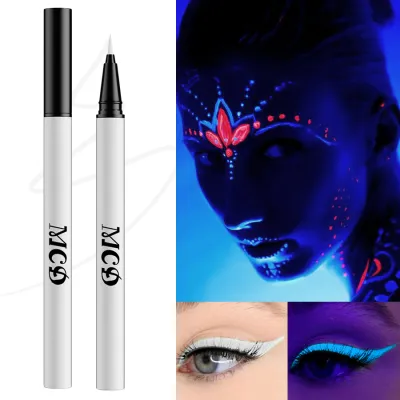
Prices are valid at publication and may change. Please refer to the product page for the latest price.
The quality of the brushes and sponges included in a kit directly impacts your ability to create clean designs. Many budget-friendly starter kits include low-quality brushes with stiff, natural bristles that shed easily, leaving annoying hairs stuck in your wet paint. Instead, look for kits that feature synthetic brushes, particularly those made from golden taklon or nylon. Synthetic bristles offer the perfect balance of flexibility and softness, allowing you to paint smooth lines without irritating sensitive skin. They also hold their shape exceptionally well when wet and are much easier to clean and sanitize between uses. Sponges are equally vital, as they are used to apply base colors over large areas. High-density cosmetic sponges are superior to porous, low-density alternatives. A high-density sponge absorbs less water, ensuring that the paint remains opaque and vibrant on the skin rather than becoming watery and streaky.
Palette layout and organization play a significant role in keeping your workspace clean and efficient. When you are in the middle of a busy painting session, colors can easily bleed into one another if the palette is poorly designed. Look for kits that house individual paint colors in separate, raised wells or removable plastic cups. This physical separation prevents dirty water from pooling and running into adjacent colors. Some advanced beginner kits also include “split cakes” or “rainbow cakes.” These are small containers where multiple complementary colors are placed side-by-side. By swiping a damp sponge or a wide flat brush across a split cake, you can pick up several colors simultaneously, allowing you to create beautiful, multi-colored gradients—such as rainbows or sunset skies—with a single stroke.
Finally, consider the cleanup requirements of the paint. A truly beginner-friendly kit should feature high water solubility. This means the paint can be easily dissolved and washed away from brushes, sponges, clothing, and skin using only mild soap and warm water. Avoid kits that require specialized brush cleaners or harsh chemical solvents, as these add unnecessary complexity and cost to your hobby.
Matching the Kit to Your Event and Skill Level
Selecting the right kit requires a realistic assessment of your planned events and your current skill level. One of the first decisions you will face is estimating the volume of paint you actually need. Paint volume in starter kits is typically measured in grams or milliliters per color well. If your goal is simply to paint your own children and a few friends at a small home gathering in Singapore, a compact palette containing six to eight colors with 2ml to 5ml of paint per well is more than sufficient. This volume can easily yield dozens of small cheek designs, such as stars, flowers, or small animal motifs. However, if you are volunteering for a larger school carnival, a community center event, or a neighborhood void deck party, you will need a larger kit. Look for palettes that offer 10ml to 15ml of paint per color, which can comfortably cover over a hundred full-face designs without running out of essential shades like white and black.

The color range of your kit should match your design ambitions. While it is tempting to purchase a massive palette featuring forty different shades, a smaller, well-curated selection of primary and secondary colors is often much more practical for a beginner. A solid starter kit must include the core primary colors: red, yellow, and blue. With these three shades, along with generous portions of black and white, you can mix almost any color on the spectrum. Black is essential for outlining and adding detail, while white is crucial for highlights, teardrops, and blending pastel shades. As you gain confidence, you can expand your palette to include specialty colors. Metallic shades like gold and silver add a touch of magic to princess crowns and superhero masks, while neon or UV-reactive paints are incredibly popular for evening parties and indoor events with festive lighting.
Portability and storage are practical considerations that are often overlooked until you are on the move. Singapore’s tropical climate is characterized by high humidity and warm temperatures year-round. These environmental factors can cause face paints to soften, become sticky, or even develop mold if they are not stored correctly. When choosing a kit, look for one that comes in a sturdy, airtight plastic storage case with a secure latching lid. This design protects your paints from absorbing ambient moisture when stored in your home. If you plan to travel to outdoor venues, such as a beach picnic at East Coast Park or a barbecue pit at a condominium, a compact, self-contained kit with a built-in mixing palette on the lid will make your setup and teardown incredibly easy.
Safety Standards and Skin Sensitivity Checks
Because face paint is applied directly to the skin—often the delicate skin of young children—safety must always be your top priority. The most important rule to remember is that face paint is not actually paint; it is a specialized form of topical cosmetic makeup. Therefore, you must strictly avoid any products labeled as craft paints, acrylics, tempera, or watercolors, even if they carry a “non-toxic” label. The term “non-toxic” on art supplies simply means the product will not cause serious harm if a child accidentally ingests a small amount; it does not mean the product is safe for prolonged contact with sensitive facial skin. Craft paints contain binders, chemical preservatives, and industrial pigments that can cause severe allergic reactions, contact dermatitis, and chemical burns when applied to the face.
To guarantee skin safety, always look for face painting kits that are explicitly labeled as “cosmetic-grade” and comply with recognized international safety standards. Reputable manufacturers will clearly print their compliance with regulations such as the European Union (EU) Cosmetics Regulation or the United States Food and Drug Administration (FDA) guidelines. These regulatory bodies maintain strict lists of approved color additives and chemical preservatives that are safe for cosmetic use. Furthermore, high-quality kits will feature a complete, transparent ingredient list on the packaging. If a kit lacks an ingredient list or is produced by an anonymous brand with no contact information, it is best to avoid it entirely, as it may contain unauthorized pigments or heavy metals.
Even when using high-quality, cosmetic-grade face paints, individual skin sensitivities can still occur. Children with pre-existing skin conditions, such as eczema, asthma, or highly sensitive skin, are particularly vulnerable to mild irritation. To prevent widespread adverse reactions, always perform a preliminary patch test before applying paint to a child’s face. Apply a small, dime-sized dab of the activated paint to a clean patch of skin on the inner wrist or the crook of the elbow. Allow the paint to dry completely and remain on the skin for 20 to 30 minutes. Afterward, gently wipe the paint away with a damp cloth and inspect the area. If you observe any redness, swelling, itching, or hives, do not proceed with the face painting session. This simple, proactive step takes only a few minutes but can prevent a highly uncomfortable situation for both you and the child.
Building Your Shortlist: What to Verify Before Buying
Before you finalize your purchase on an ecommerce platform or at a local Singapore art store, it is essential to build a shortlist and verify several key product details. Start by carefully reviewing the manufacturer’s specifications and ingredient lists. Look for water-based formulations that utilize skin-friendly bases such as glycerin or paraffin wax. Glycerin-based paints tend to be softer and more flexible, making them excellent for smooth blending and base work. Paraffin-based paints are slightly firmer, which allows them to hold sharp edges and fine details exceptionally well. Avoid kits that contain strong synthetic fragrances or parabens, as these are common triggers for skin irritation.
Next, evaluate the authenticity and reputation of the seller. Because counterfeit cosmetics are prevalent on global online marketplaces, purchasing from authorized distributors or highly-rated local sellers is crucial. Check the seller’s rating, the number of successful transactions, and read through the customer reviews carefully. Look for reviews that specifically mention the condition of the paint upon arrival. If multiple buyers report that the paint cakes arrived cracked, dried out, or covered in a strange residue, this is a clear red flag. Conversely, positive reviews praising the paint’s creamy texture, vibrant color payoff, and ease of washing off are strong indicators of a genuine, high-quality product.
Finally, pay close attention to expiration dates and return policies. Like all cosmetics, face paints have a limited shelf life once opened. Reputable brands print a period-after-opening (PAO) symbol on their packaging, which resembles a tiny open jar with a number and the letter “M” (for example, “18M” indicates the product is safe to use for 18 months after opening). Ensure that the seller guarantees fresh stock with a reasonable shelf life remaining. Additionally, verify the return policy of the platform or store. Because face paints can occasionally dry out or crack during transit due to temperature fluctuations, having a flexible, hassle-free return policy ensures you can quickly exchange a defective kit for a fresh one before your scheduled event.
Supplemental Tools to Complete Your Setup
While a high-quality starter kit provides the essential paints and basic brushes, adding a few supplemental tools to your setup can dramatically improve your results and make the painting process much easier. If you are still developing your freehand drawing skills, flexible plastic stencils are an invaluable asset. These stencils are designed to contour to the curves of the face, allowing you to apply clean, symmetrical designs in seconds. Simply hold the stencil firmly against the skin and dab a slightly damp sponge loaded with paint over the cutouts. Stencils are perfect for quickly creating intricate patterns like butterfly wings, spiderwebs, stars, or floral borders, which would otherwise take several minutes to paint freehand.
To add a touch of sparkle and professional flair to your designs, consider sourcing cosmetic-grade glitter and setting powders. It is absolutely vital to use only polyester, cosmetic-grade glitter. Regular craft glitter is made from metallic foil or glass, which has sharp, hexagonal edges that can cause severe corneal scratches if it gets into the eyes. Cosmetic glitter, by contrast, is made from rounded, ultra-fine plastic that is completely safe for use near the eyes and face. To ensure your designs survive Singapore’s warm, humid weather, a translucent setting powder is also highly recommended. Lightly dusting a setting powder over your completed design helps absorb excess skin oils and sweat, preventing the water-activated paint from running or smudging during outdoor play.
Lastly, upgrading your brush collection can make a world of difference in your line work. Most basic kits include generic round brushes that are often too thick for delicate details. Investing in a few specialized brushes—such as a fine detail brush (size 1 or 2) for crisp outlines, and a flat or angled brush (1/2 inch or 5/8 inch) for executing beautiful “one-stroke” designs—will allow you to elevate your artwork from simple doodles to impressive, professional-looking creations.
Frequently Asked Questions (FAQ)
How do I remove face paint safely without irritating the skin?
Removing water-activated face paint is a straightforward process that should never involve harsh scrubbing or alcohol-based wipes, which can strip the skin of its natural moisture and cause irritation. To remove water-activated paint, apply a small amount of mild baby shampoo or gentle liquid soap directly to the painted skin without adding water first. Gently massage the soap in circular motions using your fingertips; this allows the soap to bind with the paint pigments and break them down. Once the paint has emulsified, rinse the face thoroughly with warm water and a soft washcloth. For any stubborn pigments or grease-based paints, apply a small amount of baby oil, coconut oil, or a gentle cream-based makeup remover to a cotton pad and gently wipe the area clean. Always follow up with a mild moisturizer to soothe the skin.
Can I use regular acrylic or watercolor paints for face painting?
No, you should absolutely never use regular acrylic, watercolor, tempera, or craft paints for face painting. These art supplies are formulated for porous surfaces like paper, canvas, and wood, not for living human skin. Acrylic paints contain chemical binders, acrylic polymers, and formaldehyde-releasing preservatives that can cause severe allergic reactions, contact dermatitis, and chemical burns on sensitive facial skin. Furthermore, as acrylic paint dries, it forms a plastic-like, non-porous film that completely blocks the skin’s pores. This film cracks and flakes easily, and when you attempt to peel or wash it off, it pulls tightly on the fine hairs of the face, causing significant pain and irritation. Watercolor pans, while seemingly mild, are not formulated to cosmetic safety standards and often contain heavy metal pigments that are toxic if absorbed through the skin or accidentally ingested. Always stick exclusively to certified cosmetic-grade face paints.
Community discussion
Share your experience or ask a question. Comments are reviewed before publication.