
To choose the right baguette cloth material for your sewing project, you must match the fabric’s weight, weave density, and structural integrity to the specific shape and function of your final creation. Structured baguette bags require robust, tightly woven fabrics like heavy cotton canvas, denim, or synthetic faux leathers, which often need to be reinforced with firm fusible interfacing. Conversely, decorative baguette cushions or soft craft items benefit from more pliable, tactile textiles such as velvet, linen, or medium-weight cotton. By aligning your fabric’s physical properties with the structural demands of your pattern, you ensure a professional finish that retains its shape over time.
Define Your Baguette Project Requirements
The iconic, elongated silhouette of a baguette project—whether it is a trendy shoulder bag, a cylindrical bolster cushion, or a novelty plush craft—presents unique engineering challenges for sewists. Because these items feature a long, narrow profile, they are highly susceptible to sagging, twisting, or collapsing if the material lacks the appropriate support. Your first step is to define the exact environment and physical demands the finished item will face during its lifecycle.
An everyday baguette bag requires a high-durability outer shell that can withstand friction, weight, and environmental exposure. The fabric must support the weight of daily essentials like mobile phones, keys, and wallets without bowing at the center or pulling at the strap attachment points. For this application, look for materials with high tensile strength and minimal diagonal stretch, ensuring the bag maintains its crisp, architectural lines.
Products mentioned in this guide
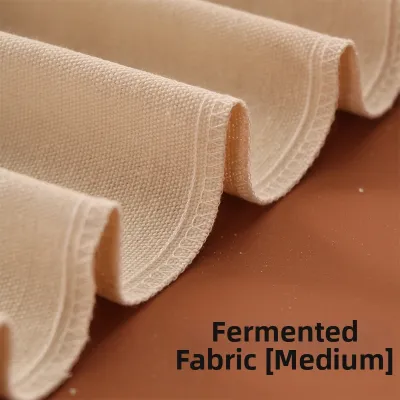
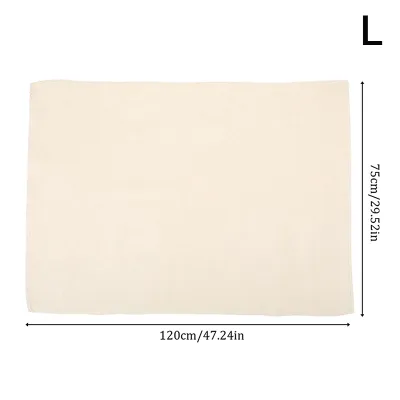
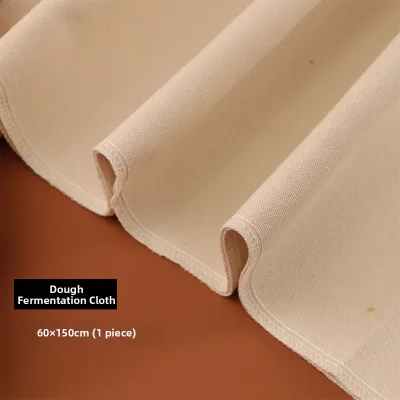
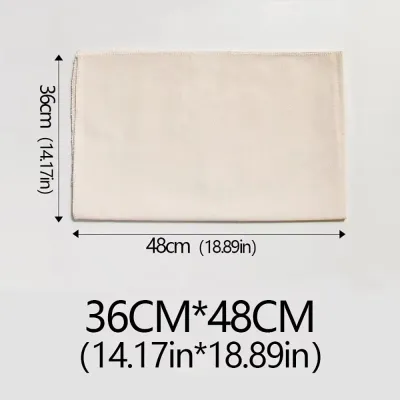
Prices are valid at publication and may change. Please refer to the product page for the latest price.
If your project is a decorative baguette cushion or home accessory, the tactile feel and aesthetic drape of the fabric take precedence over sheer weight-bearing capacity. These items need to feel comfortable against the skin while resisting the wear and tear of household use. The fabric must be pliable enough to conform to curved seams or gathers without creating harsh, bulky folds that ruin the smooth, rounded silhouette.
Before purchasing your material, decide whether your design relies on the natural stiffness of the fabric or if you will use internal stabilizers. Structured bags almost always require a combination of outer fabric, mid-weight or heavy-duty interfacing, and a smooth inner lining. Soft crafts, however, might only need a single layer of medium-weight fabric backed by a lightweight stabilizer to keep the seams clean and prevent the filling from migrating.
Evaluate Key Baguette Cloth Material Properties
Understanding the technical characteristics of your fabric helps you predict how it will behave under the sewing machine needle and during daily use. Fabric weight is one of the most critical variables, typically measured in grams per square meter (GSM) or ounces per square yard (oz). Heavyweight fabrics, such as 300 GSM duck canvas, provide excellent built-in structure but require a heavy-duty sewing machine to pierce multiple layers. Lightweight fabrics, such as 120 GSM cotton poplin, are easy to sew but will collapse unless paired with a rigid stabilizer.

Drape and stiffness dictate how the fabric responds to gravity and tension. Rigid weaves resist bending, allowing you to create sharp, defined corners and flat panels that are characteristic of classic baguette bags. Fluid fabrics, like silk or lightweight synthetic blends, have a high drape, meaning they flow and pool easily. If you attempt to sew a structured bag from a fluid fabric without a stiff interlining, the finished product will sag and lose its distinctive shape.
Texture and surface finish influence both the visual appeal of your project and the ease of construction. High-pile fabrics like velvet, corduroy, or faux fur add rich depth and luxury, but their directional fibers require careful cutting and handling to prevent shading differences. Smooth, matte fabrics like canvas or linen show off precise topstitching, while glossy or coated materials like vinyl and polyurethane (PU) faux leather require non-stick presser feet to prevent the fabric from sticking to the machine bed.
Fraying and stretch behavior directly impact your cutting layout and seam allowance choices. Loosely woven fabrics, such as rustic linens or open-weave tweeds, tend to fray rapidly along raw edges, requiring wide seam allowances of at least 1.5 cm and immediate finishing with an overlocker or zig-zag stitch. Additionally, check the fabric’s bias stretch; fabrics cut on a 45-degree angle stretch significantly, which can warp the long, straight seams of a baguette bag if they are not stabilized with stay-stitching or seam tape.
Step-by-Step Guide to Selecting the Right Variant
Step 1: Determine the Base Material Category
Begin by selecting a fabric category that aligns with the structural needs of your project. For highly structured bags, your best options are heavy cotton canvas, denim, duck cloth, or synthetic leathers. If you are sewing a decorative baguette cushion, look for upholstery-weight velvet, heavy linen, or robust cotton-polyester blends that offer durability and comfort. For small, soft novelty crafts, lightweight quilting cotton or wool felt provides an easy-to-manipulate base that does not require complex stabilization.
Step 2: Check Equipment Compatibility
Ensure your home sewing machine and tools are capable of handling your chosen fabric variant. Thicker materials like heavy canvas, denim, or faux leather require specialized needles, such as denim/jeans needles (sizes 90/14 to 100/16) or leather needles, which feature a cutting point. If your machine struggles to feed thick layers evenly, you may need to use a walking foot or a dual-feed attachment to prevent the upper and lower layers of fabric from shifting during stitching.
Step 3: Calculate Yardage and Pattern Matching
Baguette projects often feature long, continuous pattern pieces for the side gussets and straps, which can consume more fabric than expected. If your chosen fabric has a directional print, a distinct nap (like velvet), or a visible weave pattern, you must cut all pieces in the same direction to avoid mismatched panels. This layout requirement increases your total yardage needs, so always add a 10% to 15% buffer to your calculations to ensure you do not run out of material mid-project.
Step 4: Finalize Based on Care and Budget
Balance your project’s maintenance needs with your budget. For everyday items prone to dirt and sweat, select machine-washable fabrics or materials that can be easily wiped clean with a damp cloth. In local Singapore fabric shops, prices can vary widely; standard utility cotton canvas typically costs between S$10 and S$18 per meter, while premium upholstery velvet or high-grade linen can range from S$20 to S$50 per meter. Factor in the cost of necessary notions, such as matching threads, zippers, and heavy-duty interfacing, to keep your overall project budget on track.
How to Test and Verify Your Fabric Before Cutting
Pre-washing and Shrinkage
Natural fibers like cotton, linen, and wool are prone to significant shrinkage when exposed to moisture and heat. To prevent your finished project from warping or shrinking unevenly after its first wash, always pre-wash your fabric using the same water temperature and drying cycle you plan to use for the completed item. For delicate or dry-clean-only fabrics, cut a precise 10 cm x 10 cm test square, steam-iron it thoroughly, and measure it again to calculate the shrinkage percentage before cutting your main pattern pieces.
Interfacing Compatibility
Before applying fusible interfacing to your entire project, perform a test fuse on a small scrap of your baguette cloth. Heat your iron to the manufacturer’s recommended setting, apply firm pressure, and hold it for the specified time without sliding the iron. Once the sample has cooled completely, inspect it for common issues like bubbling, puckering, or adhesive bleeding through to the right side of the fabric. The fused sample should feel significantly sturdier and more structured without becoming overly stiff or brittle.
Scrap Stitch Test
Create a mockup of your project’s seams by folding a scrap of your fabric to replicate the maximum number of layers your machine will need to sew, including interfacing and lining. Sew a test line using your chosen needle, thread, and stitch length. For thicker baguette fabrics, a slightly longer stitch length of 3.0 mm to 3.5 mm often yields cleaner, more professional results and prevents jammed threads. Inspect the stitches on both sides of the scrap; if you notice skipped stitches, looping, or puckering, adjust your upper thread tension or change to a fresh needle.
Common Mistakes When Choosing Baguette Cloth
One of the most frequent errors in baguette sewing projects is ignoring the fabric grain when cutting out the pattern pieces. Because baguette bags and cushions feature long, straight panels, cutting these pieces even slightly off-grain will cause the finished item to twist, warp, or pull unevenly once stuffed or packed with items. Always align your pattern’s grainline arrows precisely parallel to the fabric’s selvage.
Another common pitfall is selecting highly slippery, delicate, or heavily textured fabrics without adjusting your sewing techniques or tools. Fabrics like satin, silk, or thick faux fur can easily slip out of alignment or bunch up under the presser foot, leading to uneven seams and distorted shapes. If you choose these challenging materials, always secure them with plenty of sewing clips or basting stitches, and use appropriate stabilizers to keep the fabric flat.
Finally, sewists often overlook the manufacturer’s care instructions during the selection process, leading to disappointment later on. Choosing a non-washable, delicate fabric for an everyday shoulder bag or a high-traffic sofa cushion means the item will quickly become soiled and cannot be safely cleaned. Always match the fabric’s care requirements to the practical, real-world usage of the finished item to ensure its longevity.
Frequently Asked Questions (FAQ)
Can I use stretchy knit fabrics for a structured baguette bag?
Yes, you can use stretchy knit fabrics for a structured baguette bag, but they require extensive preparation to prevent the bag from sagging and stretching out of shape. You must fuse a heavy-duty, non-stretch woven stabilizer or block interfacing to the entire back of the knit fabric before cutting your pattern pieces. This process temporarily eliminates the fabric’s stretch, allowing it to behave like a stable woven material. Keep in mind that sewing multiple layers of stabilized knit fabric, lining, and straps can become extremely thick, which may strain standard domestic sewing machines.
Do I need to pre-wash all baguette cloth materials?
You should pre-wash all natural fiber baguette cloth materials, such as cotton canvas, linen, and denim, to eliminate any potential post-sewing shrinkage and wash out manufacturing chemicals or excess dyes. However, synthetic materials, heavy-duty utility canvases, faux leathers, and dry-clean-only fabrics should not be pre-washed in a standard washing machine. For these specialized materials, perform a spot test on a small scrap using a damp cloth or steam iron to check for color bleeding, surface distortion, or heat sensitivity before proceeding with your project.
Community discussion
Share your experience or ask a question. Comments are reviewed before publication.