
Selecting the right medals for award in Singapore involves balancing the event’s prestige, the recipient’s expectations, and your organizational budget. The ideal medal does not just commemorate an achievement; it serves as a tangible reflection of the effort put in by the recipient, whether they are a corporate executive, a student, an athlete, or a community volunteer. By aligning the material weight, design complexity, and ribbon style with the specific nature of your event, you can ensure the award feels both meaningful and appropriate.
In Singapore’s diverse event landscape, organizers must navigate a wide range of options, from classic die-cast zinc alloy medals to modern, eco-friendly wooden alternatives. Making the right choice requires a clear understanding of how different materials handle local humidity, how customization techniques affect the final presentation, and how to structure your procurement process to avoid common ordering pitfalls.
Understanding Medal Materials and Finishes for Your Event
The material of a medal dictates its physical presence, influencing how heavy it feels in the hand and how it catches the light during a presentation. Traditional metal medals are typically crafted from zinc alloy, brass, or iron. Zinc alloy is highly favored for detailed, custom-shaped designs because of its excellent liquidity when melted, allowing for intricate 3D details and clean edges. Iron offers a heavier feel at a lower base cost, making it a popular choice for high-volume events, though it requires proper plating to prevent oxidation in humid environments.
Products mentioned in this guide
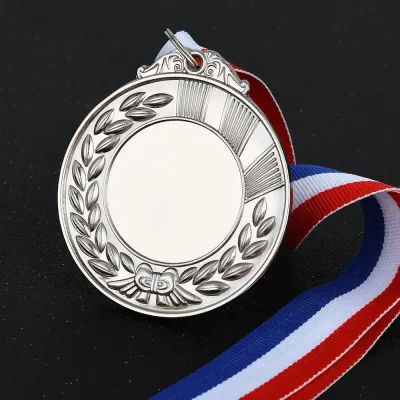
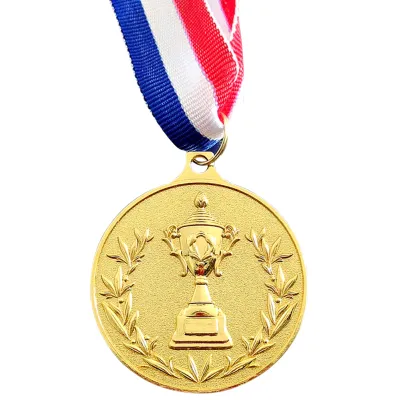
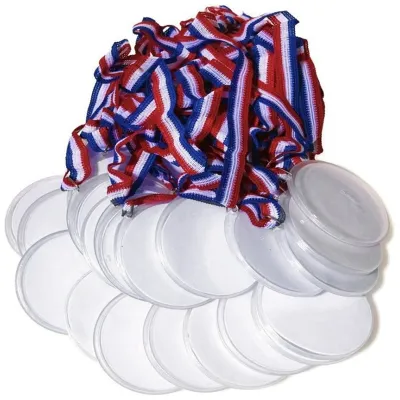
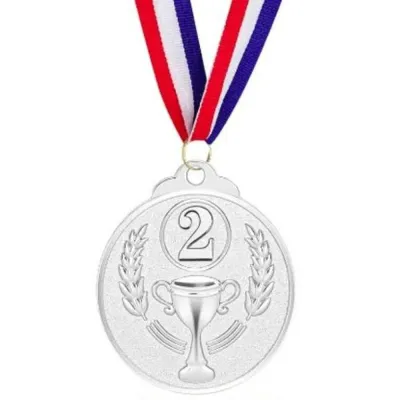
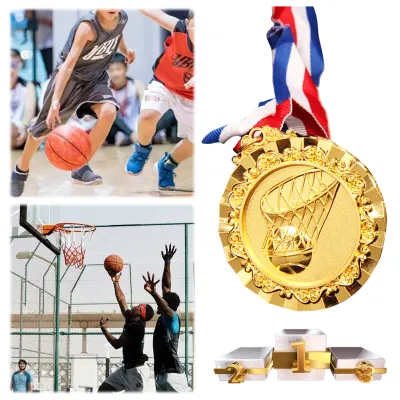
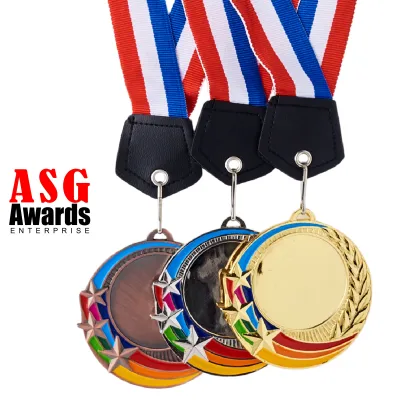
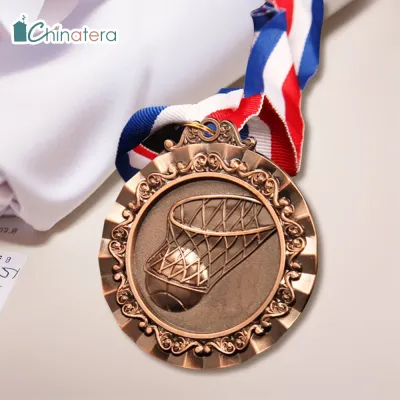
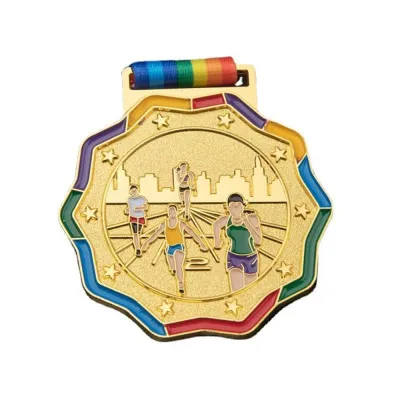
Prices are valid at publication and may change. Please refer to the product page for the latest price.
Finishes and plating options transform the raw base metal into a polished award. Organizers can choose between shiny, antique, or matte finishes. Shiny plating (such as gold, silver, or bronze) delivers a classic, high-contrast look that stands out under stage lighting. Antique finishes, which feature darkened recessed areas, are excellent for highlighting fine text and complex 3D textures. Matte finishes offer a contemporary, understated elegance that minimizes glare and fingerprints during photo opportunities.
When reviewing supplier catalogs, it is essential to check the specifications for color fills, particularly soft enamel versus hard enamel. Soft enamel leaves a textured, recessed feel where the colored areas sit slightly below the metal borders, offering a classic look at a moderate price point. Hard enamel is polished flat to the same level as the metal lines, creating a smooth, durable, and premium surface that resists scratching. Reviewing these options alongside the supplier’s S$ cost per unit helps you balance visual appeal with your overall budget.
Matching Medal Styles to Specific Occasions
Every event has its own unique atmosphere, and the design of your medals should reflect this distinct character. A medal’s visual weight, shape, and thematic elements must harmonize with the recipient’s milestone to ensure the award feels earned and respected. By categorizing your event, you can narrow down the design choices to those that best communicate the intended message.

Corporate and Professional Awards
Corporate recognition events, such as annual gala dinners, long-service awards, and sales milestone celebrations, demand a high level of sophistication. For these occasions, sleek and minimalist designs often perform best, moving away from overly ornate sports motifs in favor of clean geometric shapes or custom cutouts of company logos. Premium finishes, such as matte gold or dual-tone plating, convey a sense of professional prestige and corporate alignment.
When customizing corporate medals, precision is paramount. You should verify that the supplier can achieve clean, high-resolution engraving for intricate corporate logos and recipient names. The choice of ribbon also plays a critical role; opting for thick, high-quality satin ribbons in corporate brand colors, or even custom-printed ribbons featuring the company’s tagline, reinforces brand identity and elevates the overall presentation.
Academic and Scholastic Achievements
Academic awards, ranging from primary school graduation ceremonies to national science olympiads, carry a sense of tradition and intellectual milestone. Classic round medals featuring traditional motifs like laurel wreaths, open books, or torches remain highly appropriate for these events. Standard gold, silver, and bronze tones are universally understood by students and parents alike, making them the ideal choice for ranking achievements.
Safety and comfort are critical considerations when selecting medals for younger recipients. Organizers should inspect physical samples to ensure the medals have smooth, rounded edges and are free from sharp burrs. The weight of the medal must also be appropriate for the age group; lightweight zinc alloy or smaller diameters (such as 50mm instead of 70mm) prevent discomfort when worn by younger children during long ceremonies.
Sports and Athletic Competitions
Athletic events, from local community runs to intense school sports championships, require medals that can withstand active handling and physical movement. The structural integrity of the medal is a primary concern, particularly the loop or attachment point where the ribbon connects to the medal. A thick, integrated loop cast directly into the medal body is far more reliable than a thin, soldered ring, which can easily bend or snap during post-race celebrations.
Sports medals often benefit from dynamic, action-oriented designs, such as custom shapes that mimic the sport itself or feature raised 3D textures of runners, swimmers, or equipment. Because athletic achievements are highly personal, incorporating dedicated spaces on the reverse side for engraving the event date, category, or winning time adds immense sentimental value. Ensure the ribbon is securely stitched and wide enough to sit comfortably on the neck of an active competitor.
Community and Volunteer Recognition
Grassroots initiatives, charity drives, and volunteer appreciation events often operate on modest budgets but require awards that carry deep emotional resonance. For these occasions, alternative materials like sustainably sourced wood or polished acrylic offer a fresh, modern, and approachable aesthetic. Wooden medals, in particular, align beautifully with environmental initiatives and community-focused themes, providing a warm, tactile feel that stands out from traditional metal awards.
To maximize the impact of community awards within a tight budget, focus on clear, uplifting typography and vibrant ribbon choices. A bright, multi-colored ribbon can instantly elevate a simple medal design, making the presentation feel festive and celebratory. Customizing these medals with heartfelt messages of appreciation, rather than just names and dates, ensures that volunteers feel genuinely valued for their time and dedication.
Customization and Ordering Checklist
To ensure your medal order proceeds smoothly and arrives well ahead of your event date, it is vital to establish a structured verification process with your supplier. Use the following checklist to confirm all technical specifications before finalizing your order:
- Dimensions and Thickness: Verify the exact diameter (typically ranging from 50mm to 70mm) and thickness (usually 2mm to 5mm). A thicker medal provides a more premium, substantial feel in the hand.
- Ribbon Specifications: Confirm the ribbon length, width, and attachment style (such as a V-sewn ribbon or a simple clip). Ensure the material is comfortable against the skin.
- Proofing and Samples: Always request a digital artwork proof to check spelling, logo placement, and color alignment. For large orders, request a physical pre-production sample to verify the actual metal finish and enamel color accuracy.
- Lead Times and Delivery: Account for production and shipping times, especially if the medals are being manufactured overseas. Allow a buffer of at least two weeks before your event.
- Packaging Options: Decide whether the medals will be presented on ribbons around the neck or housed in velvet presentation boxes, which may affect the final S$ pricing structure.
Frequently Asked Questions (FAQ)
Can I use the same medal design for both a corporate retreat and a sports day?
While using a single, versatile medal design can be highly cost-effective for organizations hosting multiple events, it requires careful customization to remain appropriate for both settings. A generic, high-quality circular medal with a clean border can serve as a blank canvas. You can adapt this base medal for different occasions by swapping the ribbons—using sleek, solid-colored satin ribbons for the corporate retreat and vibrant, striped polyester ribbons for the sports day. Additionally, utilizing custom engraved plates or inserts on the back of the medal allows you to tailor the specific messaging to each unique audience without paying for two separate custom molds.
How should I store and display award medals to maintain their condition?
To preserve the finish and prevent tarnishing, award medals should be stored in a cool, dry environment away from direct sunlight and high humidity. Displaying medals in shadow boxes or dedicated glass cases protects them from dust accumulation and airborne moisture, which can slowly degrade metal plating over time. When cleaning is necessary, refer to the manufacturer’s care instructions; generally, wiping the surface gently with a soft, dry microfiber cloth is sufficient to remove fingerprints. Avoid using harsh chemical cleaners, abrasive polishes, or water on enamel fills and plated surfaces, as these can strip away the protective topcoat and cause discoloration.
Community discussion
Share your experience or ask a question. Comments are reviewed before publication.