
Selecting the right air pack bag involves matching the physical dimensions, film thickness, and bubble size of the packaging to the weight, shape, and fragility of your product. By calculating the shrinkage that occurs during inflation and selecting a material thickness that aligns with your item’s vulnerability, you can ensure reliable transit protection. This approach prevents costly shipping damage while avoiding excess material waste and unnecessary dimensional weight fees.
How to Determine the Correct Air Pack Bag Dimensions
When purchasing air pack bags, it is essential to distinguish between the flat, uninflated dimensions and the usable space after inflation. As the air chambers fill, the bag naturally contracts in both length and width. This shrinkage can reduce the overall surface area of the bag by up to 10 to 20 percent, meaning a flat bag that matches your product’s exact dimensions will be far too small once inflated.
To calculate the required flat bag size, start by measuring your product’s length, width, and height. For a basic envelope-style air pack, the minimum flat width should equal the product width plus the product height, along with an additional margin of at least 20 to 30 millimeters to allow for easy insertion and sealing. The flat length should equal the product length plus the product height, plus an extra 50 millimeters to accommodate the sealing flap or heat-seal zone.
Products mentioned in this guide
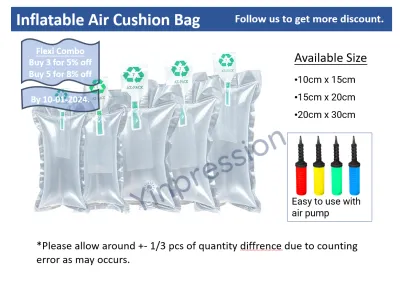
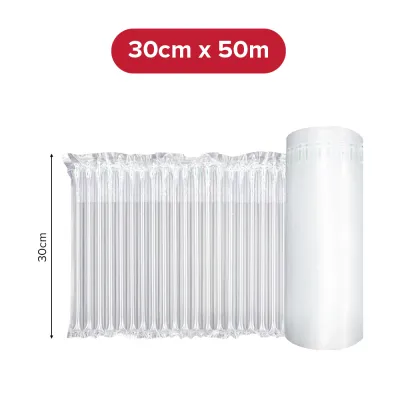
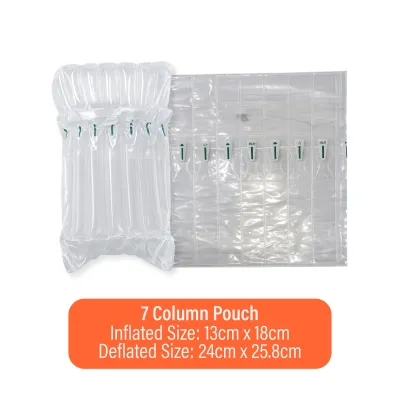
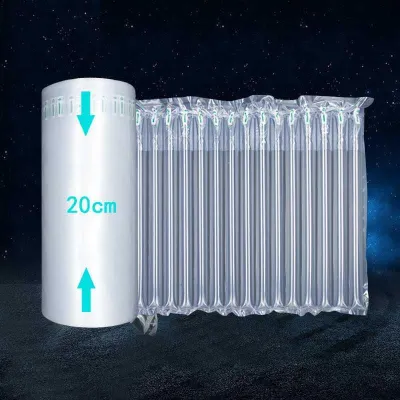
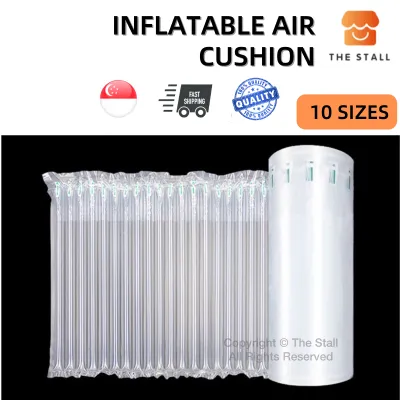
Prices are valid at publication and may change. Please refer to the product page for the latest price.
The shape of your product also dictates whether standard pre-made bags or continuous rolls are more practical. Flat, rigid items like books or tablets fit well into standard, pre-sized pocket bags. Bulky, irregular, or cylindrical items often require custom-sized rolls where you can cut and seal the material to the exact length needed, ensuring there are no loose gaps where the item can shift.
What Film Thickness and Bubble Size Mean for Protection
Material specifications for air pack bags typically focus on film thickness and bubble diameter, both of which directly influence how well the packaging resists punctures and absorbs shock. Film thickness is commonly measured in microns or mils. Thicker films offer higher resistance to sharp edges and heavy pressure, making them less likely to pop during rough handling in transit.

Bubble diameter and chamber height determine the level of cushioning depth. Standard small bubbles (typically around 10 millimeters in diameter) are excellent for surface protection and preventing scratches on delicate finishes. Larger bubbles or thick air columns (often 20 millimeters or more) provide a deeper crumple zone, which is necessary for absorbing heavy impacts when a box is dropped or stacked under other parcels.
While thicker films and larger bubbles provide superior protection, they also add bulk and can increase the overall size of your shipping box. This extra volume can raise your shipping costs if your carrier calculates rates based on dimensional weight. Choosing multi-layered co-extruded films can sometimes offer a balanced solution, providing high puncture resistance at a lower overall thickness and weight.
Matching Bag Specs to Your Product's Weight and Fragility
To select the right combination of bag size, thickness, and bubble style, you must categorize your products by weight and fragility. Lightweight, low-fragility items such as apparel, soft goods, or plastic-bound stationery require minimal cushioning. For these items, standard thin-film bags with small bubbles are ideal, as they keep shipping weight low while protecting against dust and light scuffs.
Medium-weight items with moderate fragility, such as hardcover books, boxed cosmetics, or small plastic housewares, need a more balanced approach. Standard bubble sizes combined with medium-thickness films (around 50 to 60 microns) provide sufficient shock absorption without adding excessive bulk to the shipping carton.
Heavy or highly fragile items, including glassware, ceramics, and sensitive electronics, demand maximum protection. These products should be paired with thick-film air column bags or large-bubble configurations that prevent the item from bottoming out against the outer box during a fall. Before finalizing your packaging inventory, always verify the manufacturer’s specified weight limits and pressure thresholds to ensure the bags can support your heaviest items under compression.
How to Test and Verify Your Packaging Choice
Before committing to a large volume of packaging materials, you should perform practical, observable tests using your actual products and shipping boxes. Pack a sample item inside the chosen air pack bag, place it in the outer shipping carton, and seal it as you would for a customer.
Conduct a basic drop test by releasing the packed carton from standard table height onto a hard surface from several different angles. Follow this with a shake test, listening closely for any movement or shifting inside the box. Finally, apply steady pressure to the top of the box to simulate the weight of other packages stacked on top during transit.
After testing, open the carton and inspect the packaging for observable signs of failure. Look for deflated air chambers, visible stretching of the plastic film, popped seams, or shifting of the product toward the edges of the box. If you notice any of these issues, adjust your specifications by selecting a thicker film, increasing the bubble size, or adding extra void fill. For highly specialized or extremely valuable items, consider consulting your packaging supplier for custom-engineered air pack solutions.
Frequently Asked Questions (FAQ)
Can I reuse air pack bags for multiple shipments?
You can reuse air pack bags if they remain fully intact, but you must inspect them carefully before sending them out again. Check the seams, inflation valves, and individual chambers for micro-punctures, slow leaks, or signs of material fatigue. Avoid reusing bags for heavy or highly fragile items, as previous transit stress can weaken the plastic and increase the risk of failure during a subsequent journey.
Do air pack bags deflate over time in storage?
Yes, air pack bags can gradually lose pressure over extended periods due to natural material permeability and environmental factors. Temperature fluctuations, particularly in warm or humid climates like Singapore, can cause the air inside the chambers to expand and contract, putting stress on the seals. To maintain optimal inflation, store your uninflated inventory in a cool, dry place away from direct sunlight, and inflate them close to the time of shipping.
Community discussion
Share your experience or ask a question. Comments are reviewed before publication.